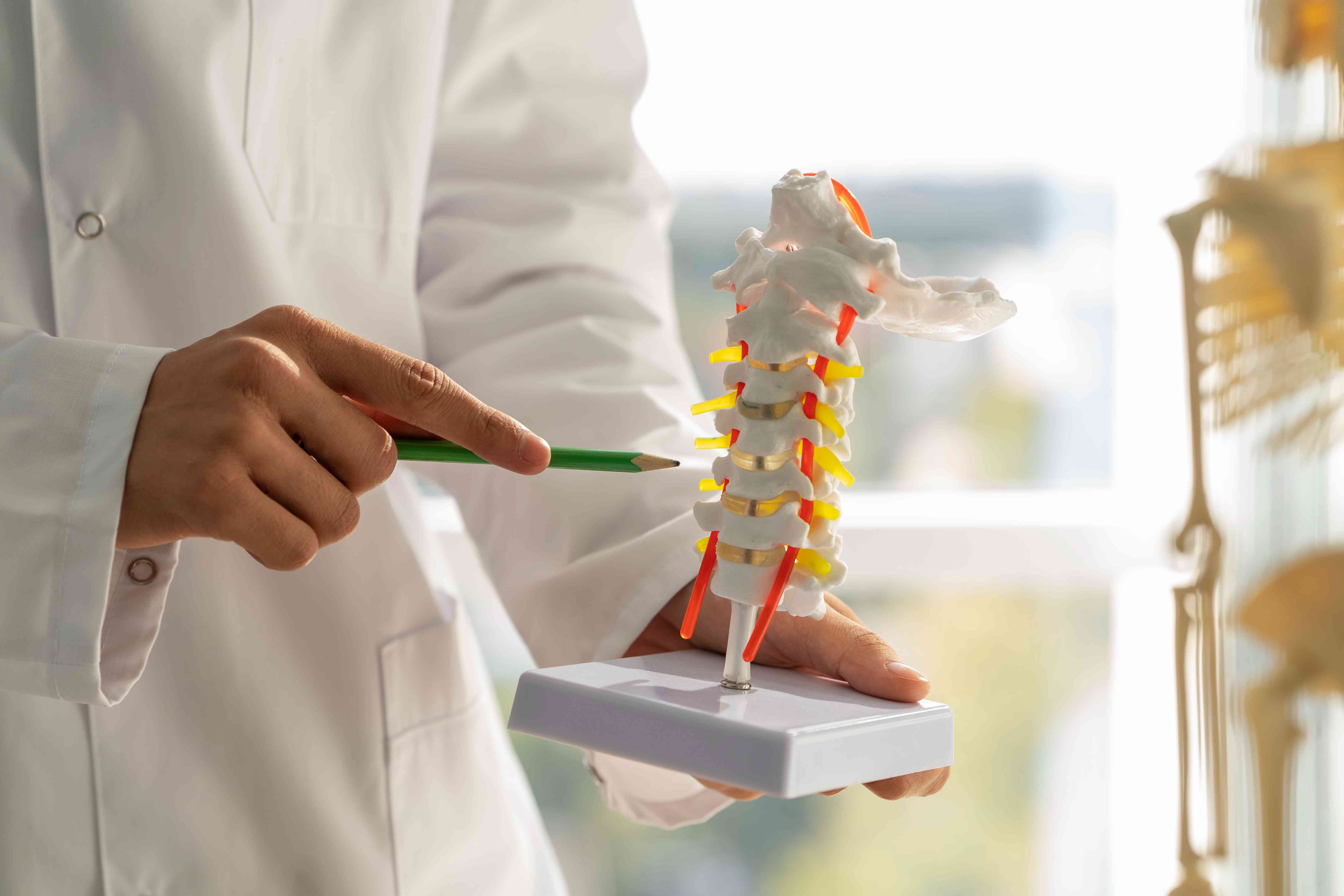
What Causes Backbone Pain in Females? Common Reasons Explained

Man experiencing severe backbone and lower back pain.
Backbone pain in females is becoming more common today, affecting women of different age groups and lifestyles. Sometimes it starts as mild discomfort after a long day, but in many cases, the pain gradually becomes constant and begins interfering with daily activities. From working long office hours to household responsibilities, women often ignore early signs of back pain until it starts affecting movement and quality of life.
There are many reasons why females experience back pain. Poor posture, muscle strain, hormonal changes, lack of physical activity, pregnancy-related stress, obesity, and spinal conditions are some of the most common causes. In some cases, emotional stress and long-term sitting habits also contribute to spinal discomfort and stiffness.
Backbone pain should never be ignored, especially when it lasts for weeks or keeps returning. Early diagnosis and proper treatment help prevent the condition from becoming severe. Understanding the exact reason behind the pain is important for choosing the right treatment approach.
In this guide, let’s understand the common causes of back pain in females, symptoms to watch for, treatment options, and when it is important to consult an orthopedic specialist like Dr. Ankur Singh in Noida.
What Is Backbone Pain?
Backbone pain refers to discomfort or stiffness felt anywhere along the spine, including the neck, upper back, middle back, or lower back. The pain may feel dull, sharp, burning, or radiating depending on the underlying condition.
Some women experience occasional back pain due to muscle fatigue, while others may suffer from chronic pain caused by spinal disorders or joint issues. The severity can vary from mild discomfort to severe pain that affects walking, bending, sleeping, or sitting comfortably.
Common Causes of Back Pain In Females
Backbone pain in females can occur due to several physical, hormonal, and lifestyle-related reasons. Identifying the exact cause helps in managing the condition effectively.
1. Poor Posture
Improper sitting or standing posture places excess pressure on the spine and surrounding muscles. Long hours of working on laptops, mobile phone usage, or sitting without support often lead to back stiffness and pain.
2. Muscle Strain
Lifting heavy objects, sudden movements, or overexertion during daily activities can strain the back muscles and ligaments. This commonly causes temporary but painful muscle spasms.
3. Hormonal Changes
Hormonal fluctuations during menstruation, pregnancy, or menopause can affect muscles, joints, and ligaments. Many women experience lower back pain during these phases due to changes in hormone levels.
4. Pregnancy-Related Stress
During pregnancy, extra body weight and changes in posture increase pressure on the lower spine. This often causes lower back pain, especially during the later stages of pregnancy.
5. Sedentary Lifestyle
Lack of regular exercise weakens the muscles supporting the spine. Weak core and back muscles make the spine more vulnerable to pain and injuries.
6. Obesity
Excess body weight places additional stress on the backbone and joints. Over time, this pressure may lead to chronic back pain and reduced mobility.
7. Osteoporosis
Women are more likely to develop osteoporosis, especially after menopause. Weak and brittle bones increase the risk of spinal fractures and persistent back pain.
8. Slip Disc Or Herniated Disc
A damaged spinal disc may press against nearby nerves, causing severe back pain, numbness, or tingling sensations in the legs or arms.
9. Arthritis
Spinal arthritis causes inflammation and stiffness in the joints of the backbone. This condition commonly affects older women and may worsen with age.
10. Stress And Anxiety
Emotional stress can tighten muscles around the neck and back, leading to muscle tension and discomfort over time.
Symptoms Associated With Backbone Pain
The symptoms may vary depending on the cause and severity of the condition.
- Persistent aching or stiffness along the spine
- Sharp or shooting pain in the lower back or neck
- Pain that worsens after sitting or standing for long periods
- Muscle tightness or spasms
- Difficulty bending or lifting objects
- Pain radiating into the legs or shoulders
- Numbness or tingling sensation
- Reduced flexibility and mobility
Different Types of Back Pain In Females
1. Lower Back Pain
This is the most common type and often results from posture issues, pregnancy, muscle strain, or spinal problems.
2. Upper Back Pain
Usually linked to poor posture, stress, or prolonged sitting while working.
3. Neck And Cervical Pain
Caused by excessive screen time, poor sleeping positions, or cervical spine disorders.
4. Chronic Back Pain
Pain lasting more than 12 weeks may indicate underlying spinal conditions requiring medical attention.
When To See An Orthopedic Specialist
Medical evaluation becomes important if there is back pain:
- Lasts longer than a few weeks
- Keeps returning frequently
- Becomes severe during movement
- Causes numbness or weakness in the limbs
- Interferes with sleep or daily routine
- Occurs after injury or trauma
- Shows no improvement with rest or home remedies
Consulting an orthopedic specialist early helps identify the root cause and prevents long-term complications.
Diagnosis of Back Pain
An orthopedic specialist may recommend:
- Physical examination
- Posture and movement assessment
- X-rays
- MRI or CT scans
- Bone density tests
- Neurological evaluation
These tests help determine whether the pain is related to muscles, joints, nerves, or spinal structures.
Treatment Options For Backbone Pain In Females
1. Physiotherapy
Physiotherapy improves flexibility, posture, muscle strength, and spinal stability. It is one of the most effective non-surgical treatments for back pain.
2. Medications
Pain-relieving and anti-inflammatory medicines may help reduce discomfort and swelling temporarily.
3. Lifestyle Modifications
Maintaining proper posture, regular exercise, and a healthy body weight significantly reduces strain on the backbone.
4. Hot And Cold Therapy
Applying heat or ice packs can help reduce inflammation and relax tight muscles.
5. Exercise And Stretching
Regular stretching and strengthening exercises improve spinal support and flexibility.
6. Advanced Orthopedic Care
Severe spinal conditions may require injections, minimally invasive procedures, or surgical treatment depending on the diagnosis.
Tips To Prevent Back Pain
- Maintain proper posture while sitting and standing
- Avoid lifting heavy objects incorrectly
- Exercise regularly to strengthen back muscles
- Use ergonomic chairs and proper sleeping support
- Take breaks during long sitting hours
- Maintain a healthy weight
- Stay physically active
- Manage stress effectively
Final Thoughts
Backbone pain in females can happen for many reasons, ranging from muscle strain and poor posture to hormonal changes and spinal disorders. Ignoring the pain may allow the condition to worsen over time and affect daily life significantly. Early diagnosis and proper orthopedic care play an important role in managing pain and improving spinal health.
Dr. Ankur Singh in Noida provides comprehensive evaluation and advanced orthopedic care for back pain and spine-related conditions. With accurate diagnosis, personalized treatment plans, physiotherapy guidance, and long-term spine care, patients can recover comfortably and improve their overall quality of life.
Medical Disclaimer
The information provided on this website is for educational purposes only and should not be considered as medical advice. Please consult Dr. Ankur Singh or a qualified healthcare professional for personalized medical guidance.
Share this blog:
 Copy
Copy


.jpg)
/close-up-man-rubbing-his-painful-back-isolated-white-background-compressed.jpg)