Knee Osteotomy: The Surgery That Can Delay Knee Replacement by 10 Years
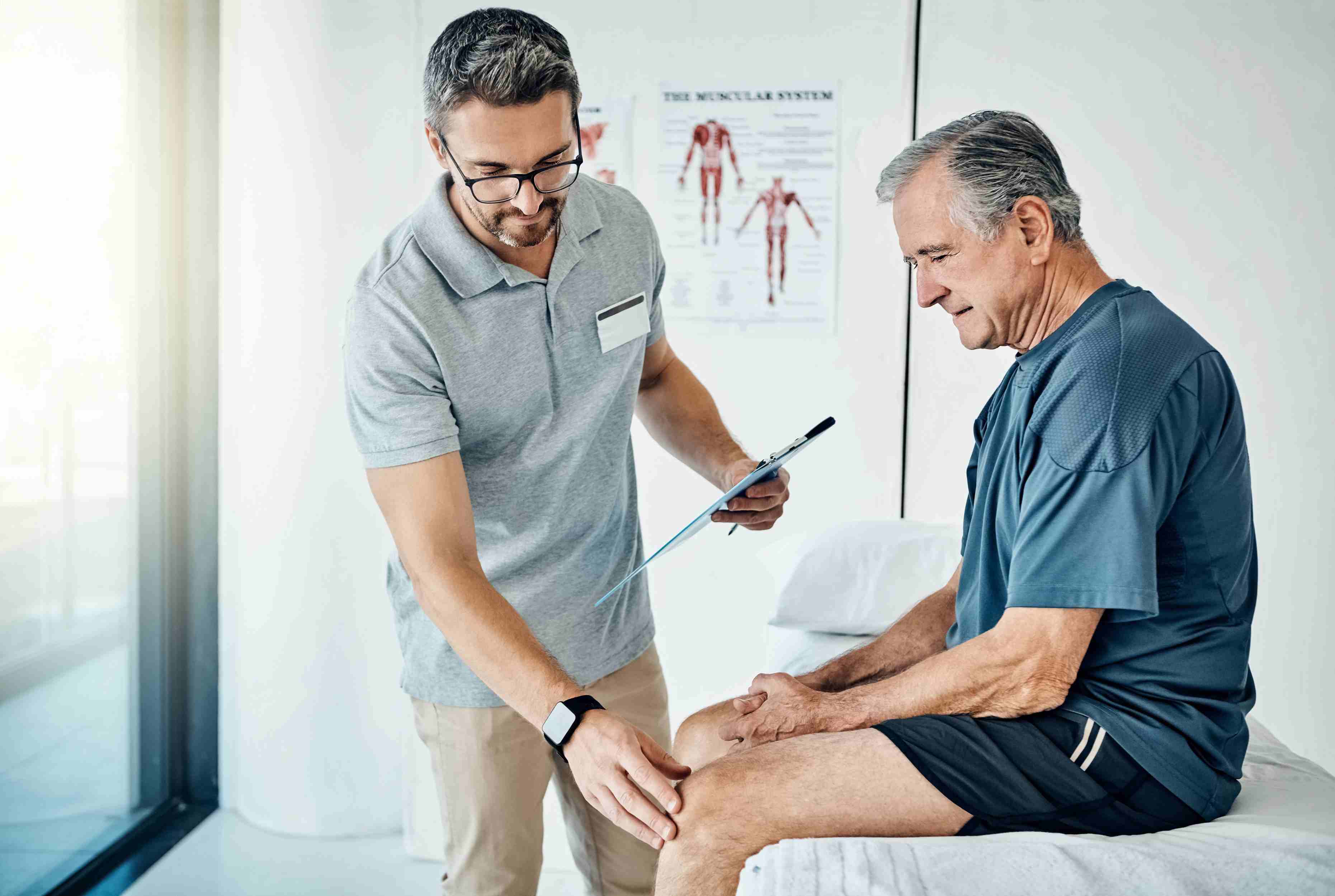
Physical therapist evaluating a senior man's knee during pre-surgery rehabilitation
There is a surgical procedure for knee arthritis that most Indian patients — and many Indian physicians — have never heard of. It does not replace the joint. It does not use an implant. It does not require the dramatic lifestyle modifications of joint replacement. And in the right patient, it can provide significant pain relief and delay the need for knee replacement by 10 to 15 years.
The procedure is called high tibial osteotomy, or HTO. It has been performed for over 50 years in Western countries and is established in international orthopedic guidelines for specific patient profiles. In India, it is almost entirely unknown — largely because it requires patient selection that the knee replacement pathway bypasses, and because it is more technically demanding than simply proceeding to replacement.
If you are an active person in your 40s or 50s with pain on the inner side of your knee, a bow-legged appearance, and early-to-moderate arthritis on the inner knee compartment — read this before accepting a knee replacement recommendation.
Why Medial Compartment Arthritis Develops in a Bow-Legged Knee
The knee has three compartments: medial (inner), lateral (outer), and patellofemoral (under the kneecap). In most people, the medial compartment carries approximately 60 percent of the body's load during walking — it is the primary load-bearing compartment.
In patients with varus alignment — the bow-legged deformity where the knee angles inward relative to a straight line from hip to ankle — this medial load bias is amplified. Instead of 60 percent, the medial compartment may carry 70 to 80 percent of the load. Over decades, this disproportionate loading wears the medial compartment cartilage preferentially.
The X-ray of a patient with medial compartment knee arthritis typically shows: narrowing of the joint space on the inner knee, bone spurs at the medial margins, and a varus (bow-legged) alignment on weight-bearing views.
Standard management: wait until the arthritis is severe enough, then knee replacement. For a 65-year-old with a sedentary lifestyle, this is often the right approach. For a 47-year-old who runs, plays tennis, or does physically demanding work — it is one option among several.
What Osteotomy Does
Osteotomy means "bone cutting." In high tibial osteotomy:
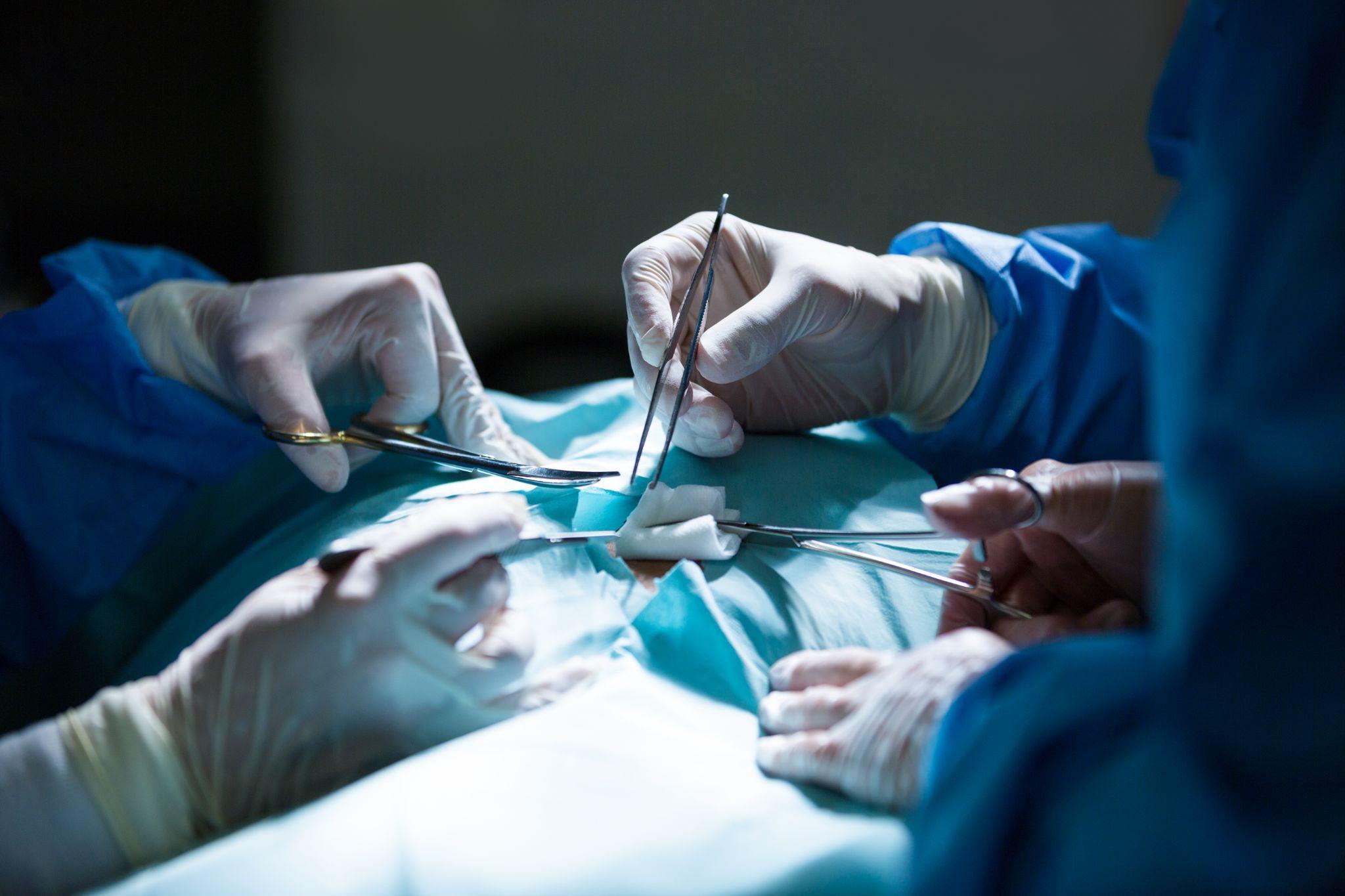
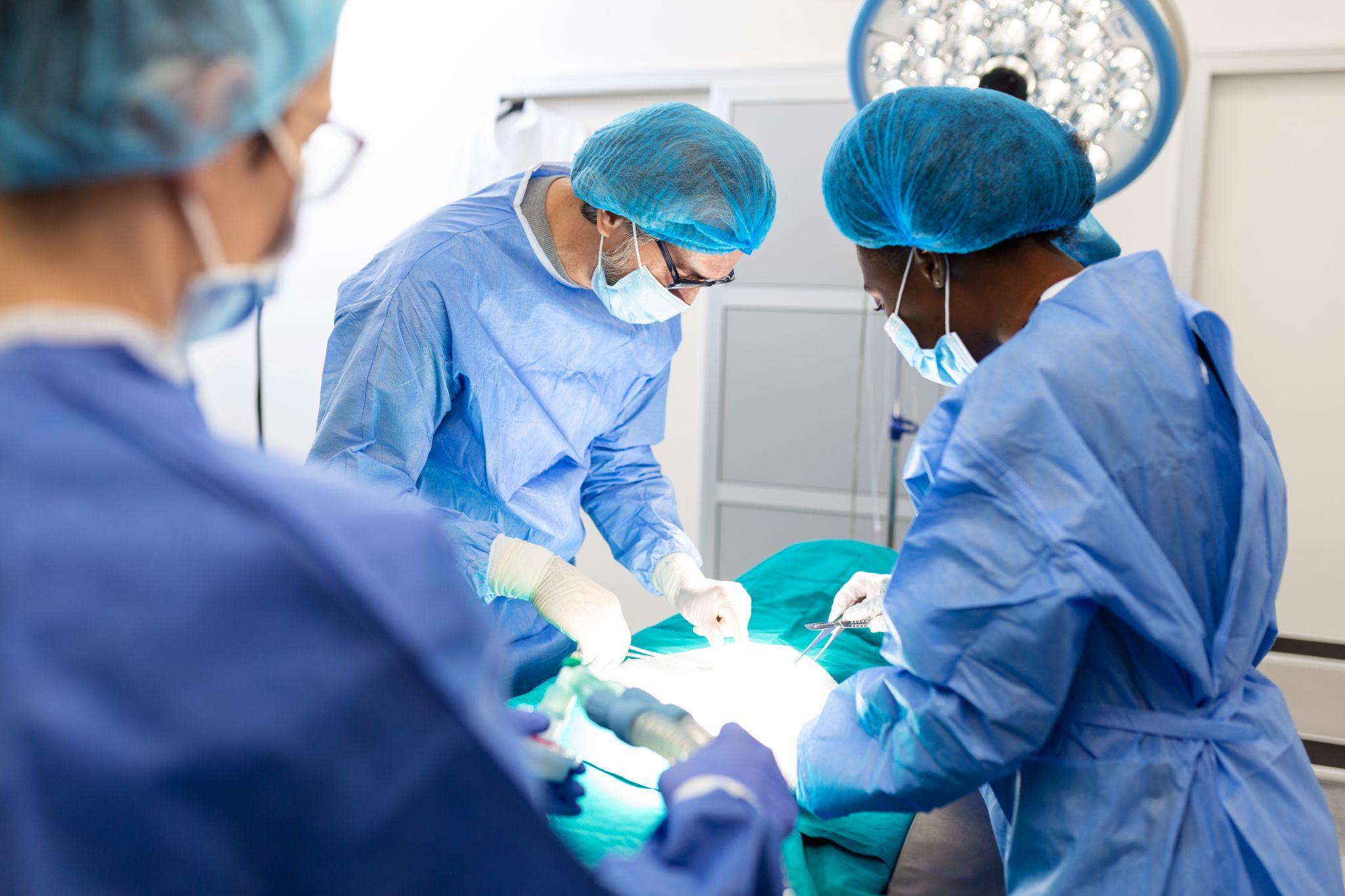
-A wedge of bone is removed from (closing wedge technique) or a cut is made and wedged open in (opening wedge technique) the upper tibia — the shin bone just below the knee joint.
-This realigns the leg's mechanical axis — shifting the weight-bearing line from passing through the worn medial compartment to passing through or near the healthier lateral compartment.
-The bone is held in the corrected position with a metal plate and screws while it heals. Once healed (typically 6 to 8 weeks), the new alignment is permanent.
-The effect: the damaged medial compartment is offloaded. The pain from loading it during walking is substantially reduced or eliminated. The progression of cartilage loss in the medial compartment slows because the damaging force that was driving it has been redirected.
-The cartilage does not regenerate — what remains is preserved, not rebuilt. But for a patient who still has some residual medial compartment cartilage (not yet bone-on-bone), removing the abnormal loading that was destroying it changes the trajectory of the condition substantially.
Who Is the Right Candidate?
HTO is not appropriate for everyone with knee arthritis. The patient profile for whom it produces the best results is specific:
Age: 40 to 60 years old. Younger patients whose arthritis is confined to the medial compartment are the ideal candidates. HTO preserves more options for the future — if replacement becomes necessary at 60 rather than at 50, the patient has gained a decade of activity. HTO is also considered in younger patients (35 to 45) with post-traumatic medial compartment arthritis from old sports injuries.
Arthritis grade: Moderate medial compartment arthritis — visible joint space narrowing on X-ray, some cartilage loss, but not complete bone-on-bone throughout the compartment. Significant residual cartilage must remain for the offloading to produce benefit.
Compartment involvement: Medial compartment predominantly affected, with the lateral compartment and patellofemoral compartment relatively preserved. If all three compartments are significantly arthritic, osteotomy cannot adequately shift load away from all damaged areas.
Varus alignment: The bow-legged deformity must be present and correctable. HTO specifically corrects varus — it is not the appropriate procedure for valgus (knock-knee) arthritis (which is managed by distal femoral osteotomy, a different procedure).
Activity level and expectations: Active patients who want to return to sport, running, or physically demanding work benefit most from osteotomy. Patients whose primary goal is comfortable daily walking may be equally well served by other options.
BMI: Osteotomy outcomes are better in patients with BMI below 30. Very high BMI reduces the durability of the correction and increases the load on the already stressed medial compartment.
Ligamentous stability: The cruciate and collateral ligaments should be intact for osteotomy to function optimally.
What Recovery Involves
HTO is a more significant operation than arthroscopy but less extensive than knee replacement:
- Hospital stay: 3 to 5 days
- Weight-bearing: Protected (toe-touch or partial) for 6 to 8 weeks while the osteotomy site heals
- Return to driving: 6 to 8 weeks
- Return to desk work: 8 to 12 weeks
- Return to sport: 6 to 12 months depending on activity type
- Hardware removal: The plate and screws used to hold the osteotomy in position can remain permanently or be removed at 12 to 18 months in a minor day-procedure if they cause discomfort
The recovery is longer than arthroscopy and comparable to knee replacement in its initial phase — but without the joint replacement restrictions on deep flexion, squatting, and high-impact activity that apply after a prosthetic implant.
How Long Does It Last?
The most important factor in osteotomy longevity is patient selection. In appropriately selected patients — younger, with moderate (not severe) medial compartment arthritis and good residual cartilage — good outcomes persist for 10 to 15 years in the majority of cases.
When HTO eventually loses its effectiveness (typically because the medial compartment arthritis has progressed despite the improved alignment), conversion to total knee replacement is straightforward. The previous osteotomy does not complicate the subsequent replacement — in fact, the preserved joint and bone stock from the years since osteotomy make the conversion surgery technically easier than revising a failed prosthetic implant.
Why Indian Patients Are Rarely Offered This Option
The underutilisation of knee osteotomy in India reflects several factors:
Limited awareness among patients and referring doctors: Most patients come to an orthopedic surgeon with the assumption that knee surgery means knee replacement. Few are aware that joint-preserving alternatives exist for specific presentations.
Technical demands: HTO requires careful pre-operative planning (standing X-rays with full-length leg views to calculate the correction angle) and intraoperative precision in achieving the planned correction. The learning curve is steeper than for knee replacement.
Patient selection effort: Identifying the right candidate for HTO — versus proceeding directly to replacement — requires more clinical assessment time than simply evaluating arthritic severity and recommending replacement. The reimbursement and time pressures in many Indian practices favour the simpler decision pathway.
Follow-up timeline: The benefit of osteotomy is measured over years — it requires a long-term clinical relationship and regular monitoring that not all practice models support.
The Right Conversation to Have
If you are:
- Under 60
- Experiencing predominantly inner-knee pain
- Bow-legged in appearance
- Active and wanting to remain so
- And a clinician has recommended knee replacement
— it is worth specifically asking whether your pattern of arthritis makes you a candidate for high tibial osteotomy, or for partial (unicompartmental) knee replacement, before committing to total knee replacement.
To discuss this specifically with Dr. Ankur Singh at Renew Orthopedic Clinic, Sector 47 Noida, call the number listed on this website. Surgical procedures at KDSG Superspeciality Hospital, Greater Noida.
Frequently Asked Questions
Is osteotomy better than partial knee replacement for medial arthritis?
Both are joint-preserving options for medial compartment arthritis. Osteotomy is more appropriate when the patient is active and wants to return to high-impact sport (it places no restrictions on activity level post-recovery). Partial knee replacement provides faster recovery and better pain relief earlier, but with activity restrictions similar to total replacement. The choice depends on the individual patient's age, activity goals, and specific anatomy.
Will osteotomy plates and screws set off airport security?
Modern titanium plates and screws are typically non-magnetic and usually do not activate metal detectors, but some may. A letter from your surgeon explaining the implant is advisable for frequent international travelers. This is the same consideration as any orthopaedic implant.
Is osteotomy available in Noida or Greater Noida?
Yes. Dr. Ankur Singh performs knee osteotomy at KDSG Superspeciality Hospital in Greater Noida for appropriately selected patients. Pre-operative planning including full-length standing X-rays and templating is performed at the clinic.
Dr. Ankur Singh | Knee Specialist Noida | Knee Osteotomy India | Joint Preservation Surgery Noida | Delay Knee Replacement India | KDSG Superspeciality Hospital Greater Noida
Medical Disclaimer
The information provided on this website is for educational purposes only and should not be considered as medical advice. Please consult Dr. Ankur Singh or a qualified healthcare professional for personalized medical guidance.
Share this blog:
 Copy
Copy