By Dr. Ankur SinghUpdated:

Managing Post-Op Pain: Pain Control Options After Joint Replacement

A person holding their neck due to severe pain in the back of the neck.

If pain is appropriately managed, your recovery is more straightforward and more effective.

Having a joint replacement surgery, whether it's your knee, hip, or shoulder, can seem like a huge step, and it should. These operations are commonly suggested when joint pain is unbearable and restricts your mobility during the day. Although the intention is to enhance your quality of life, post-surgery pain management is an integral aspect of recovery.

It's natural to experience pain after surgery. Your body has just undergone a significant procedure. However, the good news is that this pain can be effectively managed with the right plan and support. With excellent pain control, patients can look forward to a quicker recovery, regain strength, and prevent long-term complications, instilling a sense of hope and optimism.

In this blog, we will guide you through the importance of post-op pain control, what to expect when it comes to pain, and the most reliable methods of pain relief prescribed by doctors and physiotherapists of today.

Why Pain Management is Crucial After Joint Replacement?

Pain following surgery isn't only unpleasant, it hinders healing if not controlled. Pain control is essential for the following reasons:

  • Pain may prevent you from moving, which is a significant problem following joint replacement. Motion is the key to recovery, and if you're afraid to move for fear of pain, it may cause stiffness or impaired healing.
  • Uncontrolled pain adds to stress, both psychological and physiological. It can elevate blood pressure, disturb sleep, and even cause complications such as blood clots or infection.
  • Reasonable pain control, on the other hand, facilitates quicker recovery. It enables you to initiate early physiotherapy, walk without hesitation, and achieve independence earlier.

Types of Pain After Joint Replacement Surgery

Pain after surgery is not always the same, and knowing the types can assist you and your physician in selecting the ideal alleviation approach.

Acute Post-Surgical Pain

This refers to the post-surgery pain you experience right after the procedure, most commonly in the first couple of days. It is a result of the incision, tissue handling, and inflammation within the body.

Inflammatory Pain

As your body heals, tissues around the joint may swell and feel warm or sore. This is a natural part of recovery and can last for several days or weeks.

Muscular or Referred Pain

Sometimes, other parts of your body start to ache. This can happen because you’re moving differently or using other muscles more to avoid pain at the surgery site.

Chronic Post-Operative Pain

If pain persists for longer than 3 months following surgery, it's then chronic. Though not common, it can occur and might require a different mode of treatment, such as specialized therapy.

Pain Control Options: What Are the Choices?

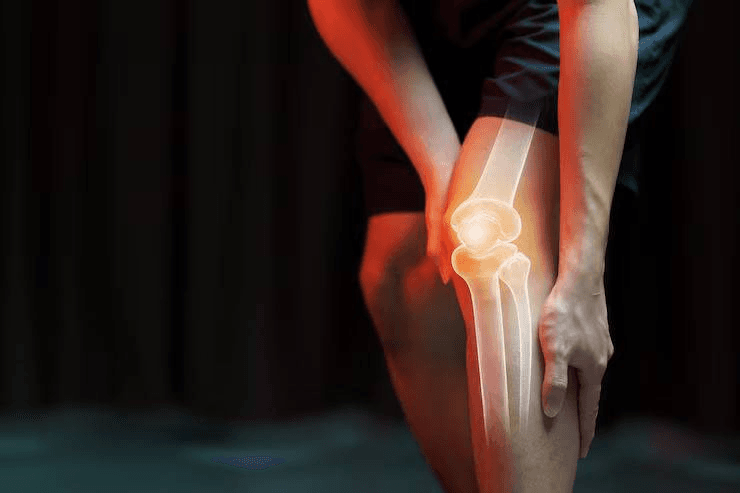
Sportsman having knee injury problems.

Your pain management plan should always be tailored to your specific condition and comfort level. Never hesitate to speak openly with your doctor or physiotherapist.

Since we now know about the kinds of pain, let's address the equipment and methods at our disposal to deal with them appropriately.

1. Medications

Painkillers are often the starting point for post-op treatment. They may be taken on their own or in combination.

  • Opioids (such as tramadol or morphine): Strong painkillers, but only to be used for the short term. They may lead to drowsiness, constipation, or addiction if used over a long period.
  • NSAIDs (such as ibuprofen or diclofenac): They decrease inflammation and pain. They're particularly good at treating inflammatory pain.
  • Acetaminophen (Paracetamol): A frequent painkiller that's commonly paired with other medications to be more effective.
  • Nerve pain drugs (such as gabapentin or pregabalin): These work if your pain has a burning or stinging feeling, which is usually nerve pain.

2. Regional Anesthesia and Nerve Blocks

Nerve blocks during or after surgery are now used in many hospitals. These are local anesthetics injected close to nerves to numb the surrounding area. They give excellent pain relief for a few hours (or even days). They minimize the use of potent drugs like opioids. It is commonly used in knee and shoulder replacement surgeries.

This technique is particularly beneficial soon after surgery when pain is usually most intense.

3. Cold Therapy (Cryotherapy)

One of the simplest and most natural options is cold therapy, which numbs the area, decreases swelling, and manages inflammation. Use ice packs, cold pads, or circulating cold water devices. It's especially effective during the first few weeks post-op. Make sure to wrap ice packs in a cloth to protect your skin. Using cold therapy several times a day can give great relief without side effects.

4. Physical Therapy & Gentle Movement

It may sound surprising, but movement helps reduce pain in the long run.

Physical therapy improves blood flow, which helps in healing. Gentle, guided exercises prevent stiffness and maintain flexibility. A professional physiotherapist will take you through exercises that are safe and healthy for your joint replacement. This is one of the most critical aspects of long-term recovery and pain management.

5. Assistive Devices

During the initial recovery period, you may require devices to assist your body and avoid excessive pressure on your recuperating joint. Walkers or crutches enable you to walk safely.

Braces or cushions offer additional comfort and joint support. Using the right assistive device can lower your pain and reduce the chance of falling or straining the joint again.

6. Alternative Therapies

For those looking beyond traditional medicine, there are some gentle and research-supported alternatives:

  • TENS units (Transcutaneous Electrical Nerve Stimulation): These small devices send mild electrical signals to block pain.
  • A cupuncture or massage therapy, when done by licensed professionals, can help relieve muscle tension and promote relaxation.
  • Breathing and mindfulness: Surprisingly, deep breathing and meditation can decrease the perception of pain in your body.

Although these don't supplant medicine or therapy, they're excellent additions to an overall pain management program.

Multimodal Pain Management Approach

Physicians nowadays commonly employ a technique called multimodal pain management, which just means combining several pain control methods in one approach rather than taking one approach and using it alone.

For instance, you may receive:

  • A block of nerves during surgery
  • Ice packs and medications after
  • Physical therapy appointments the day after
  • TENS and gentle stretching in the home environment

It provides more relief from pain. Decreases opioid dependence. Hastens your recovery and return to your usual routine

A doctor is reviewing an X-ray on a tablet of different joints, and another doctor is writing reports.

A professional physiotherapist will take you through exercises that are safe and healthy for your joint replacement. This is one of the most critical aspects of long-term recovery and pain management.

Tips for Controlling Pain at Home

After you're home from your joint replacement surgery, managing your pain is a large part of your recovery process. The hospital staff establishes the initial care, but what you do in your home contributes to your comfort and healing.

These are some easy and effective home remedies to keep your pain under control:

  1. Stick to your medication schedule: Don’t wait for the pain to become unbearable before taking your meds. Taking them on time, exactly as prescribed, helps prevent pain from spiking.
  2. Use ice packs regularly: Cold therapy helps reduce swelling and numbs the area naturally. Make sure to wrap the ice in a cloth and apply it as per your doctor’s advice, usually 15-20 minutes at a time, several times a day.
  3. Elevate the joint: If you have had a knee or hip replacement, it may be helpful to reduce swelling by gently propping up your leg. Elevation should be done using a pillow under the ankle (not the knee), particularly in the first few days after surgery.
  4. Do your exercises and physio without skipping: Even though it will be uncomfortable initially, gentle movement is essential. Your physiotherapist also knows precisely what your body requires, so be careful and stick to the plan. Skipping exercises may lead to more pain in the future.
  5. Watch for changes: If the pain becomes narrower, spreading, or worse than it was before, don't brush it off. This may be a signal that your doctor should take a look.

When to Call for Medical Attention

Although some pain is always to be expected after joint surgery, there are some warning signs that you should never disregard. Being aware of when to call your physician can help prevent you from experiencing severe complications.

Be aware of these signs:

  • Severe redness, swelling, or heat over the joint: This may be an indication of infection or inflammation that requires immediate attention.
  • Fever or chills: A fever, particularly during the first week post-surgery, may indicate that your body is struggling with an infection.
  • Pain that worsens rather than improves: If your pain worsens suddenly or fails to improve for a few days, it's time to see a healthcare provider.
  • Unpredictable side effects of medicines: Dizziness, extreme sleepiness, nausea, or a rash may indicate that your body is not receiving the medication well.

If something does not seem right, do not hesitate to ask. Better to err on the side of caution than to be sorry later when it comes to post-operative care.

Conclusion

Recovery from joint replacement surgery is not simply a matter of healing the wound; it's also about working through pain wisely so your body can regain strength and mobility. From medicines and cold compresses to physical therapy and nerve blocks, various treatments and procedures collaborate to provide relief.

If you follow your doctor's orders, maintain your routine, and heed your body's signals, these are the most crucial things you can do. The best news of all is that, with reasonable pain control, your recovery will be easier, quicker, and significantly more comfortable. Remember that temporary pain, lifetime rewards for joint replacement! Take it day by day, you can do this!

Medical Disclaimer

The information provided on this website is for educational purposes only and should not be considered as medical advice. Please consult Dr. Ankur Singh or a qualified healthcare professional for personalized medical guidance.

Share this blog:

copy iconCopy

Continue Reading

Hand-picked reads closely related to this article.

Rotator Cuff Injury Guide
DiagnosticsRecovery

Rotator Cuff Injury Guide

Learn about rotator cuff injury symptoms, causes, diagnosis, treatment options, and recovery. A complete guide to managing shoulder pain effectively.

13 Apr 2026

Dr. Ankur Team

नोएडा में बेस्ट हिप रिप्लेसमेंट सर्जरी – पूरी जानकारी आसान भाषा में
ArthritisFracture

नोएडा में बेस्ट हिप रिप्लेसमेंट सर्जरी – पूरी जानकारी आसान भाषा में

हिप दर्द, गठिया या फ्रैक्चर से परेशान हैं? जानिए नोएडा में बेस्ट हिप रिप्लेसमेंट सर्जरी क्या है, कब जरूरी होती है और रिकवरी कैसी रहती है।

06 Feb 2026

Dr. Ankur Team

Knee Replacement vs Knee Arthroscopy: क्या अंतर है?
ArthroscopyHip

Knee Replacement vs Knee Arthroscopy: क्या अंतर है?

Knee replacement और knee arthroscopy में क्या अंतर है? जानिए दोनों सर्जरी के फायदे, प्रक्रिया, रिकवरी और किस दर्द में कौन-सा इलाज सही है।

05 Feb 2026

Dr. Ankur Team

Robotic Shoulder Replacement Surgery: A Modern Solution for Chronic Shoulder Pain
RecoveryRobotic Surgery

Robotic Shoulder Replacement Surgery: A Modern Solution for Chronic Shoulder Pain

Learn about robotic shoulder replacement surgery, its benefits, recovery, and who needs it. Expert shoulder operation in Noida by Dr Ankur Singh.

04 Feb 2026

Dr. Ankur Team

घुटने की सर्जरी के बाद कितने दिन में चलना शुरू किया जा सकता है
KneeKnee Replacement

घुटने की सर्जरी के बाद कितने दिन में चलना शुरू किया जा सकता है

घुटने की सर्जरी के बाद चलने-फिरने की सही टाइमलाइन क्या होती है? जानिए रिकवरी के स्टेप्स और जरूरी सावधानियां।

29 Jan 2026

Dr. Ankur Team

Can Physiotherapy Prevent Surgery? Realistic Expectations Explained
PhysiotherapyRecovery

Can Physiotherapy Prevent Surgery? Realistic Expectations Explained

Learn when physiotherapy can prevent surgery, when it cannot, and what realistic recovery expectations patients should have before deciding on surgery.

21 Jan 2026

Dr. Ankur Team

More on Recovery

Explore other articles tagged Recovery.

खेल के दौरान लगने वाली चोटें: प्रकार, इलाज और सुरक्षित रिकवरी
RecoverySports Injury

खेल के दौरान लगने वाली चोटें: प्रकार, इलाज और सुरक्षित रिकवरी

खेल के दौरान लगने वाली आम चोटों के प्रकार, उनके लक्षण, इलाज और सुरक्षित रिकवरी के तरीकों के बारे में जानें। सही उपचार और सावधानियों से जल्दी ठीक होना संभव है।

21 Apr 2026

Dr. Ankur Team

What is Physiotherapy?
PhysiotherapyRecovery

What is Physiotherapy?

Learn what physiotherapy is, how it works, its benefits, types, and when you need it. A complete guide by Dr. Ankur Singh for pain relief and recovery.

14 Apr 2026

Dr. Ankur Team

फ्रोजन शोल्डर क्या है और कितने समय में ठीक होता है?
RecoveryShoulder

फ्रोजन शोल्डर क्या है और कितने समय में ठीक होता है?

कंधे में जकड़न और दर्द है? जानिए फ्रोजन शोल्डर के लक्षण, कारण, इलाज और रिकवरी का समय। Dr. Ankur Singh, ऑर्थोपेडिक विशेषज्ञ, नोएडा से सही उपचार की जानकारी।

26 Feb 2026

Dr. Ankur Team

Twisted Your Leg? Immediate Care, Recovery Steps, and When to Worry
Ankle & FootKnee

Twisted Your Leg? Immediate Care, Recovery Steps, and When to Worry

Twisted your leg? Learn immediate first aid steps, home care, recovery tips, and warning signs that need medical attention.

29 Jan 2026

Dr. Ankur Team

Pain Is Not the Problem: Why Modern Bodies Are Failing at Recovery
LifestyleRecovery

Pain Is Not the Problem: Why Modern Bodies Are Failing at Recovery

Chronic pain often returns not because of damage, but because the body fails to recover. Learn why modern lifestyles block recovery and how to restore it.

14 Jan 2026

Dr. Ankur Team

Painkillers vs Treatment: Why Temporary Relief Often Delays Recovery
Recovery

Painkillers vs Treatment: Why Temporary Relief Often Delays Recovery

Understand why relying on painkillers only masks symptoms and how proper treatment helps long-term pain relief and faster recovery.

13 Jan 2026

Dr. Ankur Team

More on Surgery

Explore other articles tagged Surgery.

Rheumatoid Arthritis: The Hidden Cause Of Joint Pain And Stiffness
ArthritisHip

Rheumatoid Arthritis: The Hidden Cause Of Joint Pain And Stiffness

Rheumatoid arthritis causes joint pain, swelling, and stiffness. Learn its symptoms, causes, and treatment options. Get expert care from Dr. Ankur Singh in Noida.

22 Apr 2026

Dr. Ankur Team

Advanced Treatments for Arthritis: From Medication to Surgery
ArthritisHip

Advanced Treatments for Arthritis: From Medication to Surgery

Discover advanced arthritis treatments with Dr. Ankur Singh from medications and injections to modern surgery for lasting pain relief and improved joint mobility.

07 Apr 2026

Dr. Ankur Team

क्या हर स्लिप डिस्क में ऑपरेशन जरूरी होता है?
Surgery

क्या हर स्लिप डिस्क में ऑपरेशन जरूरी होता है?

स्लिप डिस्क के हर मामले में सर्जरी जरूरी नहीं होती। जानिए इसके लक्षण, कारण, बिना ऑपरेशन के इलाज और कब सर्जरी की जरूरत पड़ती है।

23 Mar 2026

Dr. Ankur Team

Arthroscopy For Sports Injuries: When Is It Required?
ArthroscopyHip

Arthroscopy For Sports Injuries: When Is It Required?

Learn when arthroscopy is required, how it helps athletes recover faster, its signs, benefits, and when to see an orthopedic specialist.

23 Mar 2026

Dr. Ankur Team

Does Cracking Knuckles Cause Arthritis?
ArthritisHip

Does Cracking Knuckles Cause Arthritis?

Worried that cracking your knuckles causes arthritis? Dr. Ankur Singh, orthopedic specialist in Noida, explains the real science behind knuckle cracking and joint health.

27 Feb 2026

Dr. Ankur Team

फ्रैक्चर में सर्जरी कब ज़रूरी होती है? जानिए सही समय और कारण
FractureSurgery

फ्रैक्चर में सर्जरी कब ज़रूरी होती है? जानिए सही समय और कारण

जानें किन स्थितियों में फ्रैक्चर का ऑपरेशन आवश्यक होता है, कौन-से लक्षण गंभीर हैं और सही इलाज कैसे तय होता है।

23 Feb 2026

Dr. Ankur Team

Latest from the Blog

Recently published articles by Dr. Ankur Singh.

What To Expect On The Day Of Your Orthopedic Surgery: A Step-By-Step Guide For Patients In Noida
Orthopedic Surgery

What To Expect On The Day Of Your Orthopedic Surgery: A Step-By-Step Guide For Patients In Noida

Not sure what surgery day actually looks like? Dr. Ankur Singh's team in Noida and Greater Noida walks you through every step, from arrival to your first post-operative steps and going home.

01 Jun 2026

Dr. Ankur Team

Sciatica Vs Hip Pain: How To Tell The Difference And Which Specialist You Need
Joint Care

Sciatica Vs Hip Pain: How To Tell The Difference And Which Specialist You Need

Sciatica and hip joint pain can feel very similar, but they need completely different treatments. Dr. Ankur Singh, orthopedic specialist in Noida and Greater Noida, explains how to tell them apart and what each requires.

01 Jun 2026

Dr. Ankur Team

Hip Labral Tear: Causes, Symptoms, and Treatment Options for Patients in Noida
Hip Care

Hip Labral Tear: Causes, Symptoms, and Treatment Options for Patients in Noida

Groin pain, a clicking hip, or pain with sitting? You may have a hip labral tear. Dr. Ankur Singh, hip specialist in Noida and Greater Noida, explains the condition, how it is diagnosed, and when surgery is needed.

29 May 2026

Dr. Ankur Team

Can You Run, Play Sport, Or Stay Active After Knee Replacement? An Honest Guide
Knee Care

Can You Run, Play Sport, Or Stay Active After Knee Replacement? An Honest Guide

Active patients often delay knee replacement, fearing they'll lose their lifestyle. Dr. Ankur Singh, a knee replacement specialist in Noida and Greater Noida, sets out exactly what is and isn't possible after surgery.

29 May 2026

Dr. Ankur Team

Vitamin D And Bone Health: Why Most Indians Are Deficient - And Why It Matters For Your Joints
Bone Health

Vitamin D And Bone Health: Why Most Indians Are Deficient - And Why It Matters For Your Joints

Vitamin D deficiency affects 70–100% of Indians and is a leading cause of weak bones, fractures, and joint pain. Dr. Ankur Singh, an orthopedic specialist in Noida, explains the India-specific problem and what to do about it.

28 May 2026

Dr. Ankur Team

Knee Pain After 40: What Is Normal Ageing And What Actually Needs Medical Attention
Knee Care

Knee Pain After 40: What Is Normal Ageing And What Actually Needs Medical Attention

Knee pain after 40 is common — but not all of it is "just age." Dr. Ankur Singh, knee specialist in Noida and Greater Noida, explains what normal ageing looks like in the knee and when your pain needs a proper evaluation.

28 May 2026

Dr. Ankur Team

You Might Also Like

A random selection from across the blog.

टेनिस एल्बो का अर्थ क्या है?
Elbow

टेनिस एल्बो का अर्थ क्या है?

जानिए टेनिस एल्बो का मतलब, इसके कारण, लक्षण और इलाज के विकल्प। Noida में Dr Ankur Singh से सही परामर्श प्राप्त करें।

24 Feb 2026

Dr. Ankur Team

हड्डियों को मजबूत बनाने वाले हाई फाइबर फूड्स
Bone HealthNutrition

हड्डियों को मजबूत बनाने वाले हाई फाइबर फूड्स

हाई फाइबर फूड्स हड्डियों की मजबूती, कैल्शियम अवशोषण और डाइजेशन को बेहतर बनाते हैं। जानें कौन से फूड्स हड्डियों को मजबूत करते हैं और इन्हें डाइट में कैसे शामिल करें।

14 Apr 2026

Dr. Ankur Team

Total vs Partial Knee Replacement: कौन-सा बेहतर है?
KneeKnee Replacement

Total vs Partial Knee Replacement: कौन-सा बेहतर है?

Total और Partial Knee Replacement में क्या फर्क है? जानिए आपके लिए कौन-सा विकल्प बेहतर है, फायदे, नुकसान और रिकवरी के साथ।

09 Jan 2026

Dr. Ankur Team

ठंड में पुराने फ्रैक्चर में दर्द क्यों बढ़ता है?
Fracture

ठंड में पुराने फ्रैक्चर में दर्द क्यों बढ़ता है?

क्या ठंड के मौसम में पुराने फ्रैक्चर वाली जगह पर दर्द बढ़ जाता है? जानिए इसके पीछे का कारण और सही इलाज डॉ. अंकुर सिंह, ऑर्थोपेडिक विशेषज्ञ, नोएडा से।

27 Feb 2026

Dr. Ankur Team

Low-Impact Exercises Best for People with Joint Pain
ExerciseJoint Pain

Low-Impact Exercises Best for People with Joint Pain

Discover safe low-impact exercises like walking, swimming, and yoga to reduce joint pain and improve mobility.

18 Nov 2025

Dr. Ankur Team

दौड़ने से पहले और बाद में घुटनों की देखभाल कैसे करें
KneeKnee Pain

दौड़ने से पहले और बाद में घुटनों की देखभाल कैसे करें

दौड़ने से पहले और बाद में घुटनों की सही देखभाल कैसे करें ताकि दर्द, सूजन और चोट से बचा जा सके. पूरी जानकारी आसान हिंदी में.

27 Jan 2026

Dr. Ankur Team

Explore More on Orthopedic Care

Quick links to in-depth resources Dr. Ankur Singh has prepared on common conditions, treatments, and care tips.

Transforming Shoulder Pain Treatment with SurgeryPRP Therapy for Joint & Sports Injuries | Dr. Ankur Singh – Best Orthopedic in NoidaPost-Accident Ortho Care and Rehabilitation in Noida | Best Orthopedic in Noida – Dr. Ankur SinghTransforming Lives Through Hip Replacement SurgeryFoot & Ankle Sports Injury Surgery in Noida | Best Orthopedic in Noida – Dr. Ankur SinghNon-Surgical Knee Pain Treatment in Noida | Dr. Ankur Singh – Best Orthopedic in Noida Cervical Spine Surgery & Neck Pain ReliefComplex Fracture Management in Noida | Dr. Ankur Singh – Best Orthopedic in NoidaArthroscopy for Knee InjuriesLumbar Spine Surgery for Chronic Back Pain | Dr. Ankur Singh – Best Orthopedic in NoidaAdvanced Knee & Shoulder SurgeryMeniscus Repair vs Meniscus Removal in Noida – Dr. Ankur Singh, Best Orthopedic in NoidaArthritis Treatment Near Noida City Center – Regain MobilityBunion Surgery & Correction in NoidaBack Pain Treatment in Noida – Spine Specialist for Long-Term ReliefBest Knee Replacement Surgeon in NoidaCustomized Recovery Plans for Sports Professionals by Dr. Ankur Singh – Best Orthopedic in NoidaRoad Accident Orthopedic Emergency Care in Noida | Dr. Ankur Singh – Best Orthopedic in NoidaAnkle Replacement Surgery for Mobility Restoration | Dr. Ankur Singh Top Orthopedic Hospital Near Sector 47, Noida | Dr. Ankur Singh – Expert Joint & ACL SpecialistPelvic Fracture Surgery & Specialist Care in Noida – Dr. Ankur Singh, Best Orthopedic in NoidaDr. Ankur Singh's Arthroscopic Surgery and Treatment for Shoulder Dislocation in NoidaHeel Pain & Spur Treatment by Ortho Specialist | Dr. Ankur Singh – Best Orthopedic in NoidaHip Replacement Surgery in Noida Sector 46– Minimally Invasive & Affordable