Painkillers vs Treatment: Why Temporary Relief Often Delays Recovery

Doctor explaining knee X-ray results to a patient during orthopedic consultation and treatment.
Pain is the very signal of the body’s alert system. It indicates that some malfunction has occurred and requires the medical doctor's intervention. However, treating pain as a message, most of the time, it is done so as an inconvenience. The application of a painkiller provides feeling like a speedy remedy; however, the dependence on short-term relief can hinder the natural process of healing and aggravate the primary ailment.
Understanding Pain: Symptom vs Root Cause
Pain alone does not qualify as a disease. It rather points to a hidden problem, for instance, inflammation, damage of the joint, weakening of the muscle, compression of the nerve, or incorrect posture.
Why pain should not be ignored
- Pain serves as a signal of stress or injury within the body.
- Chronic pain means the problem has not been solved.
- Numbness of pain might let the injury to get worse unnoticed.
How Painkillers Work in the Body
The signals of pain that are transmitted to the brain are reduced or blocked by the use of painkillers. They make the pain more tolerable but do not eliminate the underlying issue.

A person abusing painkillers for temporary pain relief
Short-term benefits of painkillers
- Quick pain relief
- Temporary enhancement of movement
- Better daily life operations
Limitations of painkillers
- No regeneration of damaged tissues
- No altering of posture or movement mechanics
- No stopping of disease progression
The Hidden Risks of Long-Term Painkiller Use
Long-term reliance on painkillers may cause significant health and functional problems.
Physical risks
- Stomach upset and ulcers
- Liver and kidney overload
- Higher risks related to heart
Functional risks
- Excessive use of hurt joints
- Slow identification of serious conditions
- Lower sensitivity to body's alarm signs
Why Temporary Relief Often Delays Recovery
The momentary relief of pain gives rise to an illusion of recovery. As soon as the pain subsides, people often return to their usual activities without taking care of the underlying issue.
Common real-life scenarios
- The back pain is lessened, but the muscle strength in the core is still inadequate.
- The knee pain is masked, nevertheless the cartilage is impaired.
- The neck pain is disregarded, but there is an issue with the vertebrae of the neck.
In these situations, the condition moves on silently until pain is chronic.
What Proper Treatment Actually Means
Support is given to the identification and resolution of the root cause of pain rather than to suppressing symptoms.
Key components of effective treatment
- Exact diagnosis and assessment
- Specialized physiotherapy & rehabilitation
- Modification of lifestyle & posture
- Training of strength and mobility
- Medical or surgical intervention when needed
Painkillers vs Treatment: A Practical Comparison
Painkillers
- Provide brief symptom relief
- Incur no healing of tissues
- Possibly create some adverse effects
- Might lead to the postponement of right treatment
Treatment
- Tackles the source of the problem
- Aids in the long-term recoveries
- Strengthens & improves movement capabilities
- Lessens the need for medication
When Painkillers May Still Be Useful
Painkillers do have limited but necessary roles when used in a responsible manner.
Appropriate situations for painkillers
- Management of acute injuries
- Post-operative pain management
- Assistance with movement during physical therapy
They should always be used in conjunction with treatment and never as substitutes.
Signs You Need Treatment, Not Just Pain Relief
Ignoring lingering symptoms and relying on painkillers might lead to worse results.
Red flags that require medical evaluation
- Pain that lasts over 2–3 weeks
- The same area hurts again and again
- Pain accompanied by swelling or stiffness
- Loss of motion
- Pain that disturbs sleep or daily activities

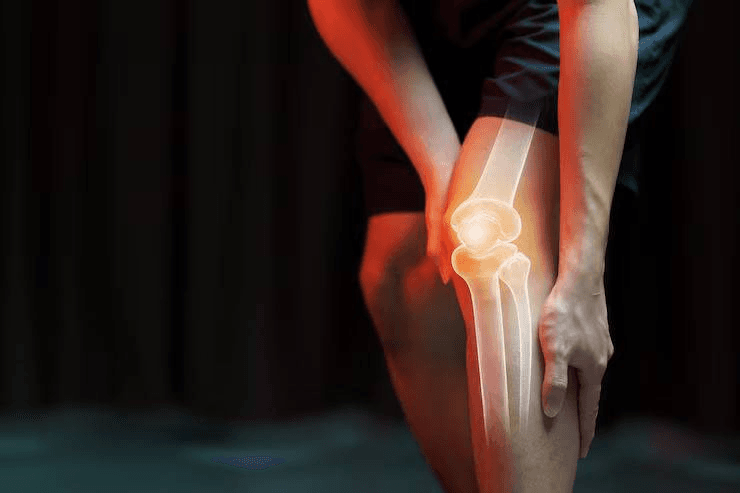
Athlete experiencing knee pain, requires treatment.
The Role of Early Intervention in Faster Recovery
Timely diagnosis and treatment lead to faster healing and fewer complications.
Benefits of timely treatment
- Avoids chronic pain
- Decreases the damage to the joints and tissues
- Shortens the recovery period
- Lessens the necessity for surgery
Building a Long-Term Pain Management Strategy
Long-term pain management concentrates on prevention and restoring functional health.
Key principles of sustainable pain care
- Strengthening of muscles
- Correct posture and ergonomics
- Regular physical activity
- Weight management
- Periodic medical check-ups
Conclusion
Painkillers are a short-term solution that offer relief but do not address the problem. Symptoms are covered up, which can result not only in missing the diagnosis but also in more serious injuries, longer recovery time, and so on. The healing of the cause, the restoration of movement, and the long-term protection of the joint health are what the proper treatment does not compromise.
If you are using painkillers to treat your joint, back, or neck pain that keeps coming back, make an appointment with Dr Ankur Singh for a thorough assessment and a treatment program aimed at long-term recovery rather than mere temporary relief.
Medical Disclaimer
The information provided on this website is for educational purposes only and should not be considered as medical advice. Please consult Dr. Ankur Singh or a qualified healthcare professional for personalized medical guidance.
Share this blog:
 Copy
Copy


.jpg)

