Best Diet for Bone Healing: What to Eat and Avoid During a Fracture
===================================================================
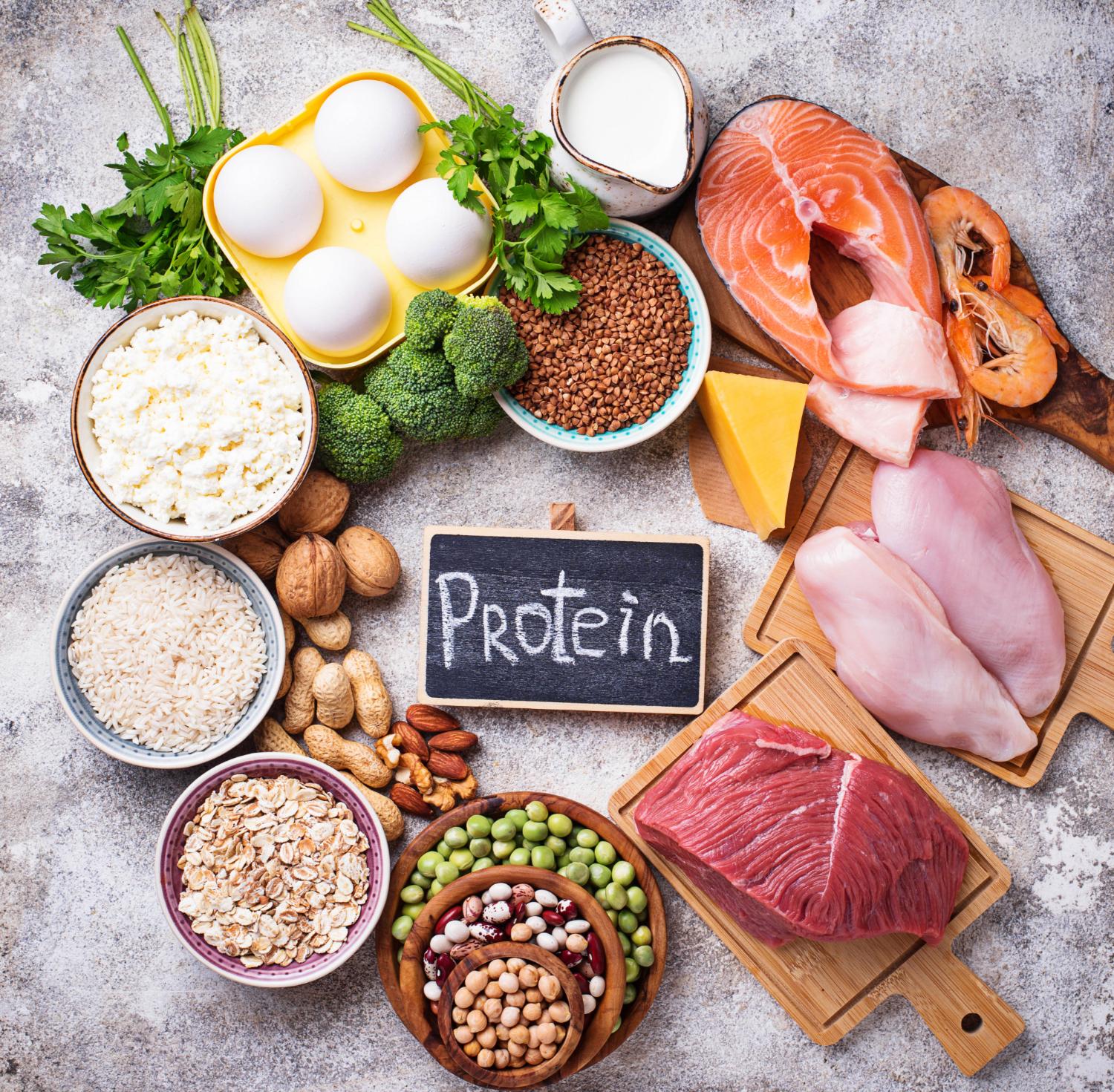
Assortment of high-protein foods including eggs, cheese, cottage cheese, nuts, and fresh produce.
A fracture doesn't just break bone. It triggers a cascade of biological responses, inflammation, callus formation, tissue remodeling, each demanding specific nutrients in quantities your regular diet probably isn't supplying. I see patients at my clinic in KDSG Hospital, Noida who follow their cast and medication protocol perfectly but neglect what they're eating. Their healing takes longer. The callus forms slower. And sometimes, the repaired bone isn't as strong as it should be.
Over 15 years of treating fractures — from simple wrist cracks in elderly patients to complex tibial fractures in athletes, I've seen firsthand how a targeted bone healing diet can shave weeks off recovery. This isn't about miracle foods. It's about giving your body the raw materials it needs, when it needs them.
How bone healing actually works (And Why nutrition matters at each stage)
Bone repair happens in three overlapping phases:
Phase 1, Inflammatory phase (Days 1-7): Blood clots form around the fracture site. White blood cells clear debris. The area swells. Your body needs anti-inflammatory nutrients and adequate protein during this phase.
Phase 2 — Reparative phase (Weeks 1-6): A soft callus of cartilage forms, gradually replaced by woven bone (hard callus). This is the most nutrient-hungry phase. Calcium, phosphorus, vitamin D, and protein demands spike significantly, some estimates suggest caloric needs rise by 15-20%.
Phase 3, Remodeling phase (Weeks 6 to months): Woven bone is slowly replaced by stronger lamellar bone. The fracture site reshapes itself along stress lines. This phase can last up to a year for major fractures and requires sustained mineral intake.
Skip adequate nutrition at any stage, and you're looking at delayed union, non-union, or a healed bone that's weaker than it should be.
Why specific foods matter when You have a fracture
A fractured femur, for instance, can increase your metabolic rate by 20-30%. Your body is essentially running a construction project — it needs building materials (calcium, protein, collagen) and energy (calories) to fuel the workers (osteoblasts). A deficiency in even one key nutrient can bottleneck the entire process. Patients who are protein-deficient show delayed callus formation. Those low in vitamin D absorb calcium poorly, regardless of how much milk they drink.
Equally, certain foods actively interfere with healing. Knowing what to avoid during a fracture is just as valuable as knowing what to eat.
Foods to Eat for Faster Bone Healing
Calcium-Rich foods
Calcium forms the structural matrix of bone. An adult normally needs about 1000 mg daily; during fracture healing, that requirement goes up. Aim for 1200-1500 mg through diet and supplements (if prescribed).
What to include:
- Milk, paneer, curd, A glass of milk provides roughly 300 mg calcium. Two servings of curd add another 250-300 mg.
- Sesame seeds (til), Often overlooked but remarkably calcium-dense: 100 gm contains about 975 mg calcium. Add them to salads, make til chutney, or have til laddoos.
- Ragi (finger millet) — One of the richest plant sources, with 344 mg per 100 gm. Ragi porridge or ragi dosa works well.
- Almonds, About 260 mg per 100 gm. Soak them overnight for better absorption.
- Leafy greens, Broccoli, kale, and bok choy are better choices than spinach (spinach has calcium but also oxalates that reduce absorption).
Post-recovery, these same foods help maintain bone density and prevent future fractures.
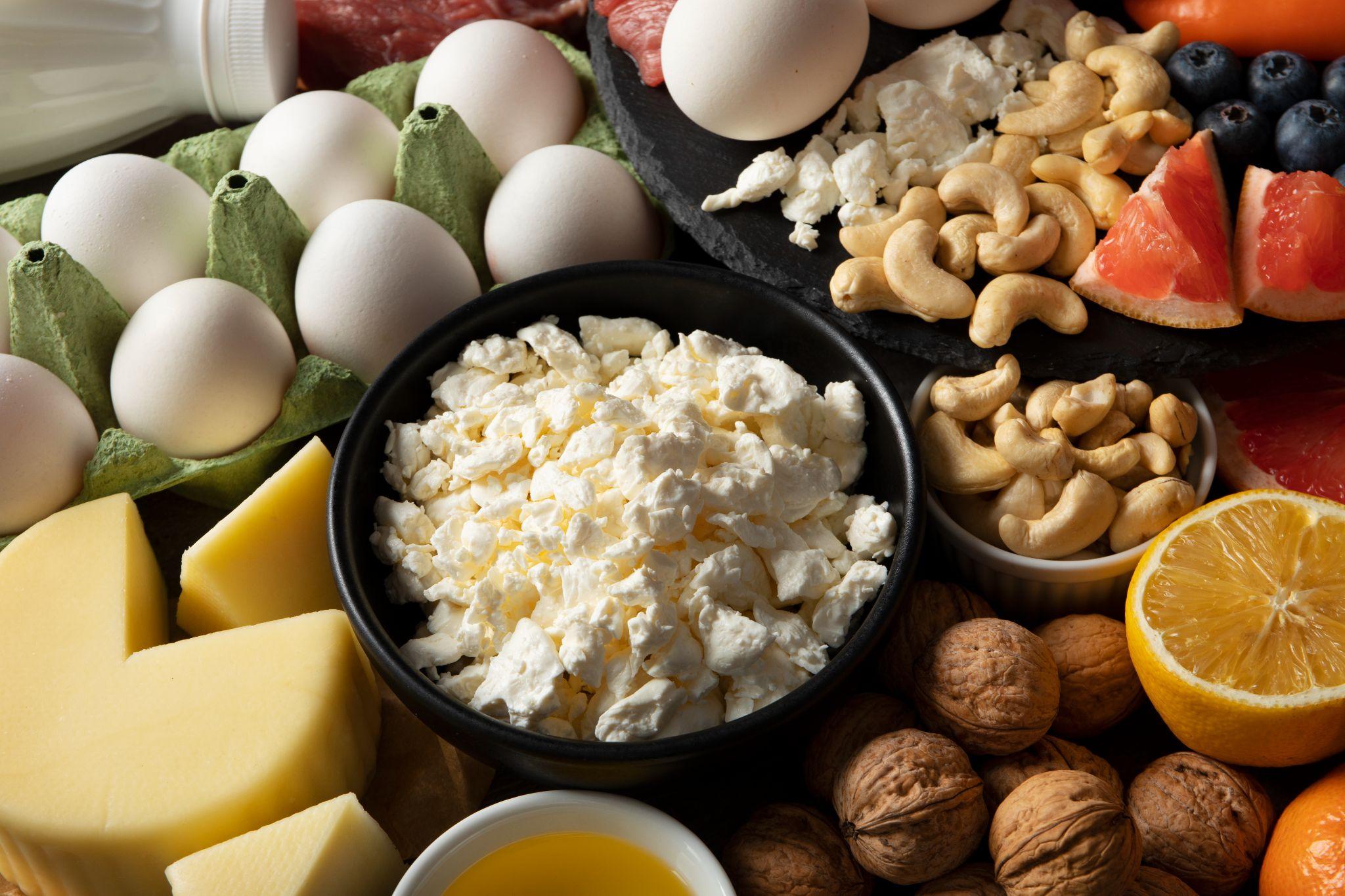
An image containing calcium rich foods like eggs and cottage cheese.
Vitamin D sources
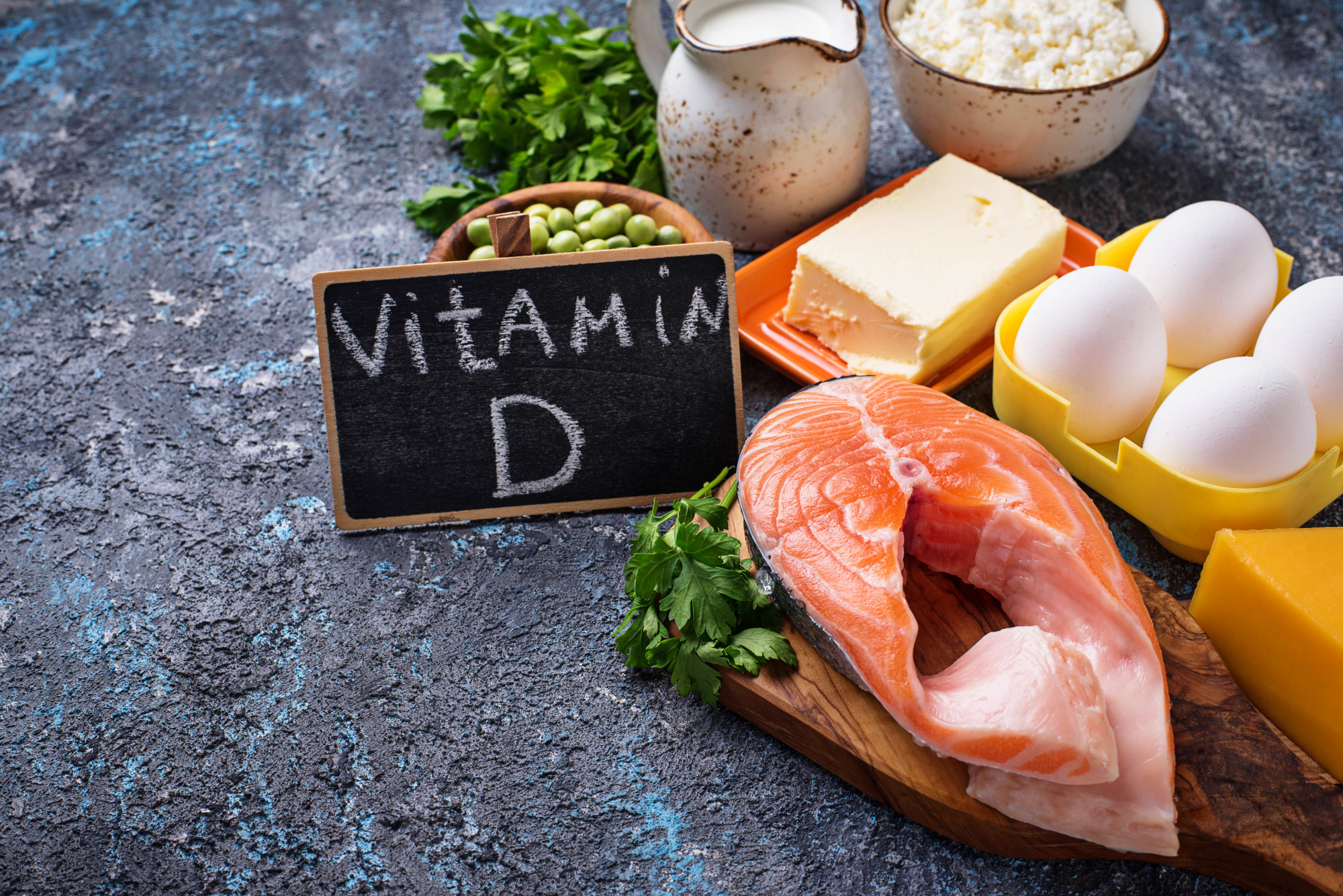
Without adequate vitamin D, your intestines absorb only 10-15% of dietary calcium. With sufficient vitamin D, that jumps to 30-40%. This single nutrient essentially doubles your calcium utilization.
What to include:
- Sunlight — 15-20 minutes of morning sun (before 10 AM) on exposed arms and face. This alone can produce 10,000-20,000 IU of vitamin D. Don't apply sunscreen during this window.
- Fatty fish, Salmon provides about 600-1000 IU per serving. Sardines and mackerel are also excellent.
- Egg yolks, About 40 IU per yolk. Not huge, but they add up over the week.
- Mushrooms — Sun-dried mushrooms contain meaningful vitamin D2.
- Fortified dairy and cereals, Check labels for vitamin D fortification.
I routinely check vitamin D levels in my fracture patients. In India, deficiency rates run between 70-90% in urban populations. If your level is below 20 ng/mL, your doctor will likely prescribe a weekly sachet of 60,000 IU cholecalciferol for 8-12 weeks, followed by maintenance doses.
Protein-Dense foods
Roughly 50% of bone volume and about a third of bone mass is protein, primarily collagen. During fracture repair, protein demand increases substantially. A deficit slows callus formation and weakens the repair site.
What to include:
- Lentils and chickpeas (dal, chana) — Each cup of cooked dal provides 12-18 gm protein. Have it at least twice daily.
- Eggs, 6-7 gm protein per egg. Two eggs at breakfast give you a solid start.
- Chicken and fish, 25-30 gm per 100 gm serving. Fish also adds omega-3 fatty acids that help with inflammation.
- Soy and tofu — Excellent for vegetarians, with 15-20 gm per serving.
- Nuts and seeds, Almonds, walnuts, chia seeds, flax seeds, good protein plus healthy fats.
Target 1.0-1.5 gm of protein per kg of body weight daily during recovery. For a 70 kg person, that's 70-105 gm per day. Distribute protein across all meals rather than loading it into one.
Anti-inflammatory foods
Inflammation is necessary in the first few days after fracture — it initiates healing. But prolonged or excessive inflammation delays callus formation and causes unnecessary pain and swelling.
These foods help modulate inflammation without suppressing the healing response:
- Turmeric (haldi), Contains curcumin, a well-studied anti-inflammatory compound. Add it to warm milk or curries. Combining with black pepper (piperine) increases curcumin absorption by up to 2000%.
- Ginger (adrak), Inhibits inflammatory prostaglandins. Fresh ginger in tea or meals works well.
- Berries — Blueberries, strawberries, and amla are rich in anthocyanins and vitamin C.
- Green leafy vegetables, Packed with antioxidants that counter oxidative stress at the fracture site.
- Olive oil and mustard oil, Contain oleocanthal and other compounds with anti-inflammatory action.
Bone-Building minerals: magnesium, zinc, phosphorus, and vitamin C
Calcium doesn't work alone. It needs co-factors:
Magnesium — Directs calcium into bones rather than soft tissues. Deficiency is linked to impaired bone crystal formation. Sources: pumpkin seeds, almonds, whole grains, bananas, dark chocolate.
Zinc, Essential for osteoblast (bone-building cell) activity and collagen synthesis. Sources: chickpeas, pumpkin seeds, cashews, yogurt, chicken.
Phosphorus, Works with calcium to form hydroxyapatite crystals that give bone its hardness. Sources: lentils, fish, eggs, dairy, nuts.
Vitamin C — Required for collagen synthesis, which forms the structural scaffold of new bone. Sources: amla (Indian gooseberry, one of the richest sources), guava, oranges, capsicum, lemon. Aim for 500 mg daily during healing.
These minerals and vitamins work synergistically. A deficiency in any one of them can slow the entire repair process.
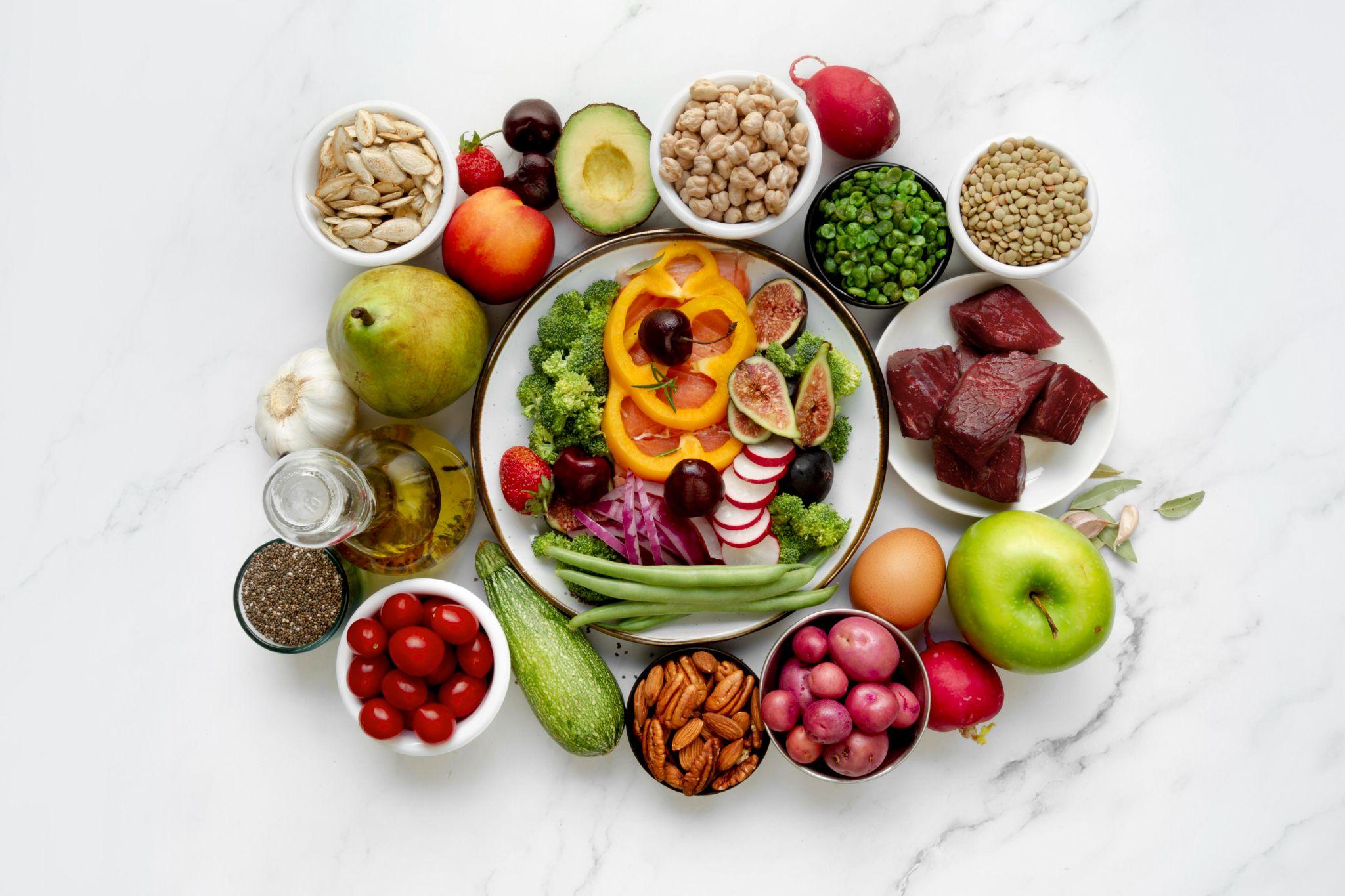
Balanced whole-food meal surrounded by fruits, vegetables, nuts and legumes.
Foods to avoid with broken bones
What you don't eat matters as much as what you do. Some foods actively sabotage bone healing by leaching calcium, promoting inflammation, or interfering with nutrient absorption.
Excess salt
High sodium intake forces the kidneys to excrete more calcium through urine. For every 2,300 mg of sodium consumed (about 1 teaspoon of salt), approximately 40 mg of calcium is lost. During fracture healing, that's calcium your body desperately needs.
Cut back on: packaged chips, instant noodles, pickles, papad, and restaurant food (which typically contains 2-3x more salt than home-cooked meals).
Sugary foods and soft drinks
Refined sugar promotes systemic inflammation and impairs immune function, both harmful to fracture repair. Cola drinks are particularly problematic because they contain phosphoric acid, which can shift your calcium-phosphorus balance unfavorably.
Avoid or minimize: soft drinks (both regular and diet), packaged fruit juices, sweets, pastries, and candy. If you want something sweet, opt for fruits or jaggery in small amounts.
Alcohol
Alcohol directly suppresses osteoblast activity, the very cells building your new bone. It also impairs protein synthesis and reduces calcium absorption. Even moderate alcohol consumption (2+ drinks daily) has been shown to delay fracture healing. During active recovery, zero alcohol is the safest approach.
Highly processed foods
Instant noodles, packaged snacks, processed meats (sausages, salami), and deep-fried foods offer almost no nutritional value for bone repair. They're often loaded with sodium, trans fats, and preservatives that trigger inflammation. Replace them with whole foods — even simple homemade dal-chawal is infinitely better for your healing bones.
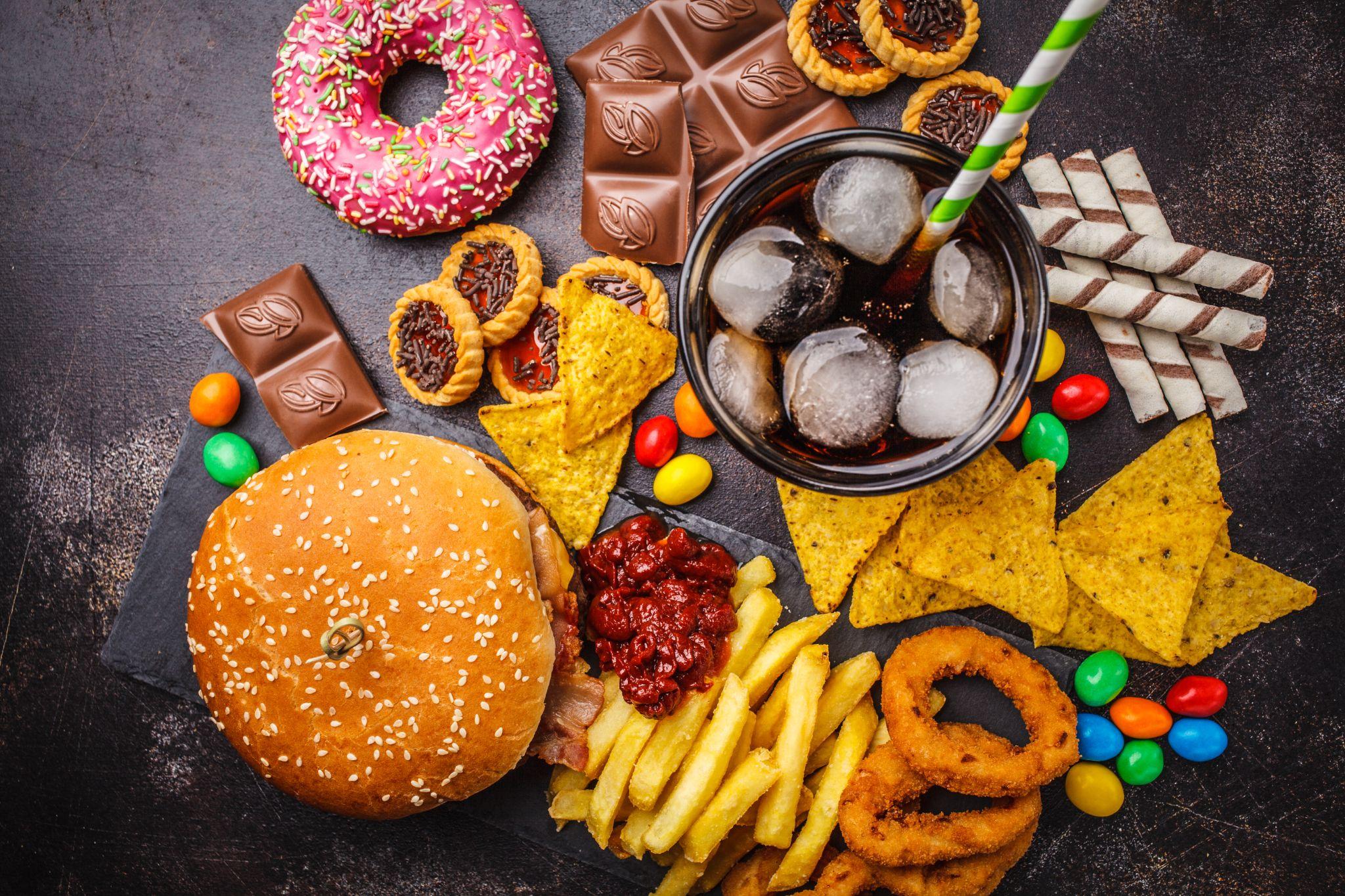
A top-view photograph showing various unhealthy foods such as a burger, French fries, onion rings, nachos, chocolates, cookies, colorful candies, and a glass of soda with ice. The image highlights high-fat, high-sugar, and processed junk foods.
Caffeine in excess
1-2 cups of tea or coffee a day won't significantly affect your healing. But 4-5 cups or more can reduce calcium absorption by up to 6 mg per cup and increase urinary calcium loss. If you're a heavy tea/coffee drinker, cut back during recovery and avoid consuming caffeine within 30 minutes of calcium-rich meals.
A sample Day's meal plan during fracture recovery
Breakfast: 2 eggs (boiled or scrambled) + glass of milk + 5-6 soaked almonds + 1 seasonal fruit
Mid-morning: Ragi porridge or a handful of mixed nuts with a small bowl of curd
Lunch: Dal (any variety) + sabzi (green leafy vegetable) + roti/rice + salad with lemon dressing (vitamin C aids iron and calcium absorption)
Evening snack: Sprout chaat with lemon and amla, or paneer tikka
Dinner: Grilled fish/chicken or tofu + dal + light sabzi + roti
Before bed: Warm turmeric milk (haldi doodh) with a pinch of black pepper
This isn't a rigid prescription. Adapt it to your preferences and dietary restrictions. The core principle: hit your daily targets for calcium (1200+ mg), protein (1 gm/kg body weight), and vitamin D (through sun + supplements if needed).
Final thoughts
Recovering from a fracture is a biological construction project. Your body has the blueprint, it knows how to rebuild bone. But it can't build without materials. A targeted bone healing diet, combined with adequate rest, prescribed physiotherapy, and regular sunlight exposure, gives your body everything it needs to heal faster and stronger. Small, consistent dietary choices during those critical 6-12 weeks of recovery can make the difference between a bone that heals well and one that doesn't.
If you have a fracture and want personalized dietary and treatment guidance, consult Dr. Ankur Singh at KDSG Hospital, Noida for evidence-based orthopedic care.
Medical Disclaimer
The information provided on this website is for educational purposes only and should not be considered as medical advice. Please consult Dr. Ankur Singh or a qualified healthcare professional for personalized medical guidance.
Share this blog:
 Copy
Copy