Fractures and Bone Healing: How Long Does It Take to Recover?
A bone fracture is a common injury that can result from accidents, falls, sports activity, or conditions such as osteoporosis. Most fractures heal well with the right treatment and care, but patients almost always ask the same question: how long does recovery actually take? The honest answer depends on the type of fracture, the patient's age, overall health, and how closely care instructions are followed. Understanding how bone fracture healing works helps you recover safely and avoid long-term complications.
What Is a Bone Fracture?
A fracture is a break or crack in the continuity of a bone. Minor hairline cracks are one type, while severe fractures involve displacement of the bone or penetration through the skin. Early diagnosis and prompt treatment by an orthopedic doctor play a crucial role in the healing process, because they help ensure the bone mends in the correct position.
Common Types of Fractures
- Simple (closed) fracture: The break is clean and the skin remains intact.
- Compound (open) fracture: The broken bone breaks through the skin, which raises the risk of infection.
- Greenstick fracture: A partial break that occurs most often in children.
- Comminuted fracture: The bone breaks into several pieces or shatters.
- Stress fracture: Tiny cracks caused by overuse or repeated stress.
Recovery time varies across these fracture types, so each one calls for a tailored approach to care.
How Does Bone Fracture Healing Work?
Bone fracture healing is a natural process in which the body repairs the damaged bone tissue. It unfolds in several stages and depends on proper immobilization, good nutrition, and regular follow-up with an orthopedic doctor.
Stages of Bone Healing
- Inflammatory phase: Soon after the fracture, a blood clot forms around the break, triggering inflammation and pain.
- Reparative phase: A soft callus made of collagen forms first, then gradually hardens as new bone develops.
- Remodeling phase: The new bone slowly reshapes itself, restoring strength and normal structure over time.
These stages explain why bone recovery is gradual and why moving too soon can delay the outcome of treatment.
Average Bone Recovery Time for Different Fractures
Recovery time differs depending on which bone is involved and how severe the fracture is. Timelines therefore vary from person to person, but following the correct care plan can meaningfully support healing.
Typical Healing Timelines
- Small bones (fingers, toes): about 3 to 6 weeks
- Upper limb fractures (wrist, forearm, collarbone): about 6 to 8 weeks
- Lower limb fractures (tibia, femur): about 10 to 16 weeks
- Complex or surgical fractures: 3 to 6 months or longer
Children often recover faster thanks to a greater capacity for bone regeneration, while adults usually need a longer healing period. These ranges are general guidance, not a substitute for an individual assessment.
Factors That Affect Bone Fracture Healing
Not all fractures heal at the same pace. Several factors influence recovery time and the overall success of treatment.
Key Influencing Factors
- Age: Younger people generally heal faster than older adults.
- Nutrition: Adequate calcium, vitamin D, and protein support bone healing.
- Blood supply: Bones with good blood flow tend to heal more quickly.
- Smoking and alcohol: Both can slow recovery.
- Chronic illness: Conditions such as diabetes or osteoporosis may delay healing.
- Treatment compliance: Ignoring medical advice can interfere with proper healing.
Consulting an orthopedic doctor helps make sure these factors are managed effectively throughout recovery.
Fracture Treatment Options Explained
Treatment depends on the type, location, and severity of the injury. Timely intervention supports faster and stronger healing.
Non-Surgical Fracture Treatment
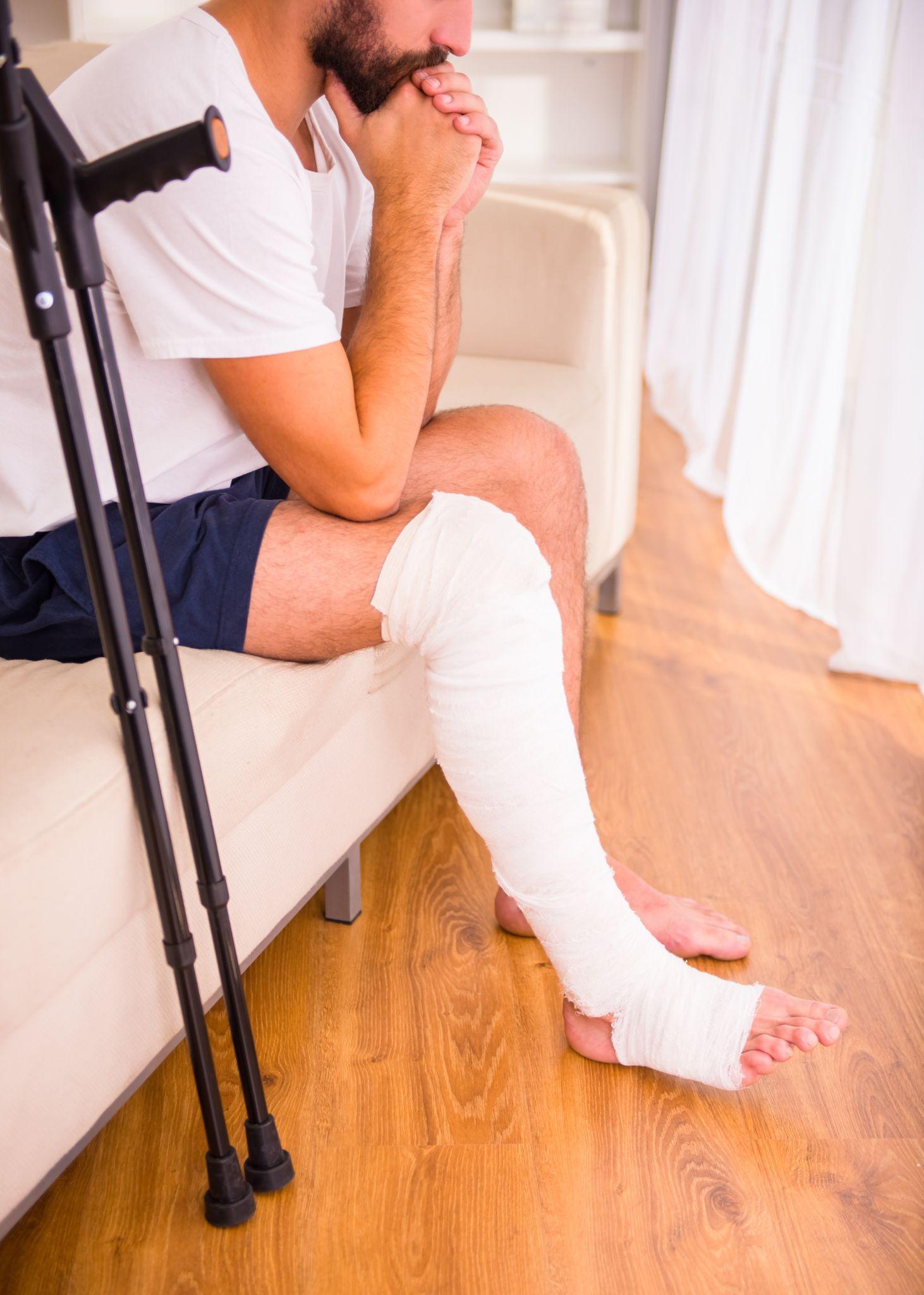
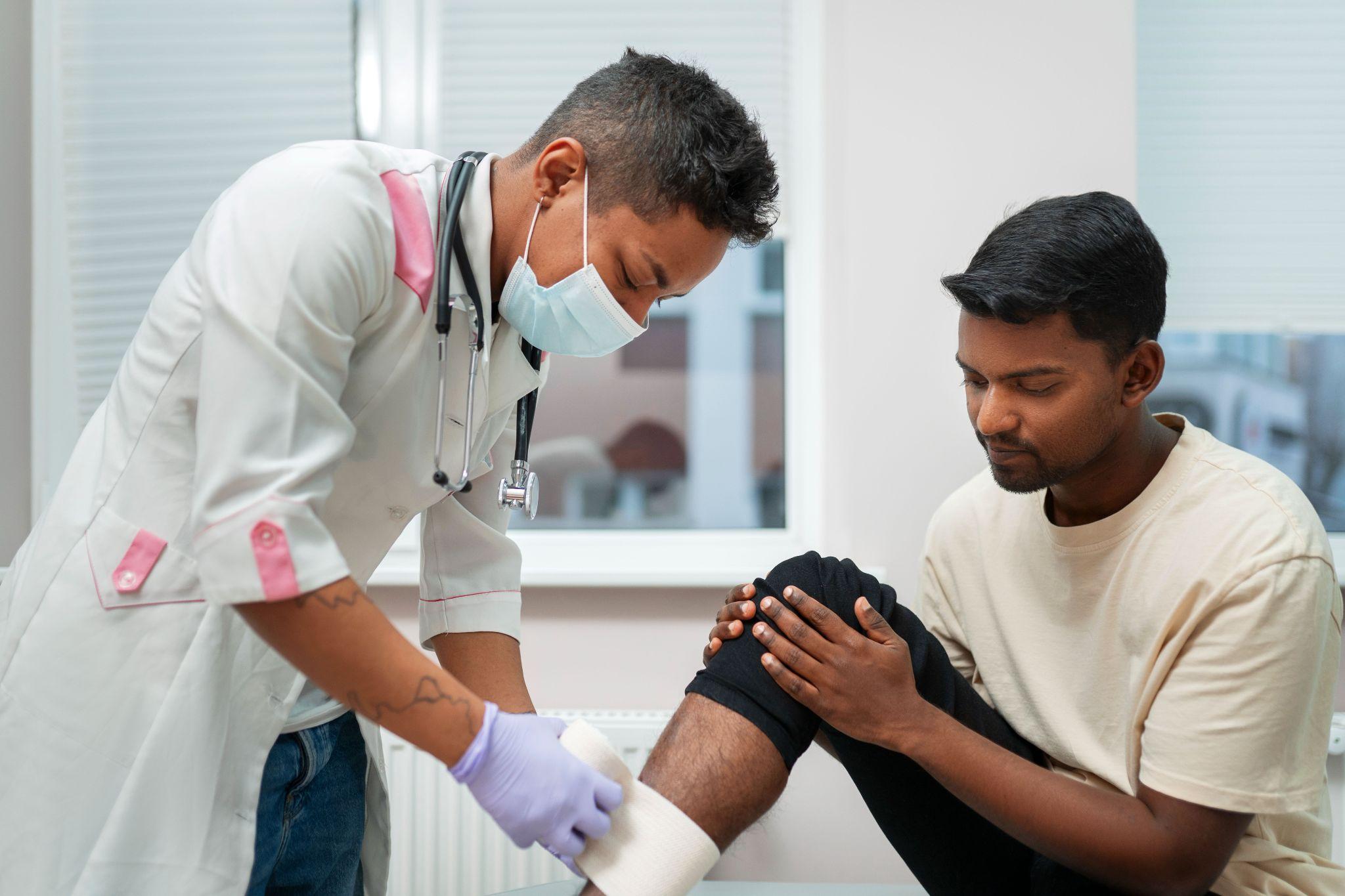
- Immobilizing the bone with a cast or splint
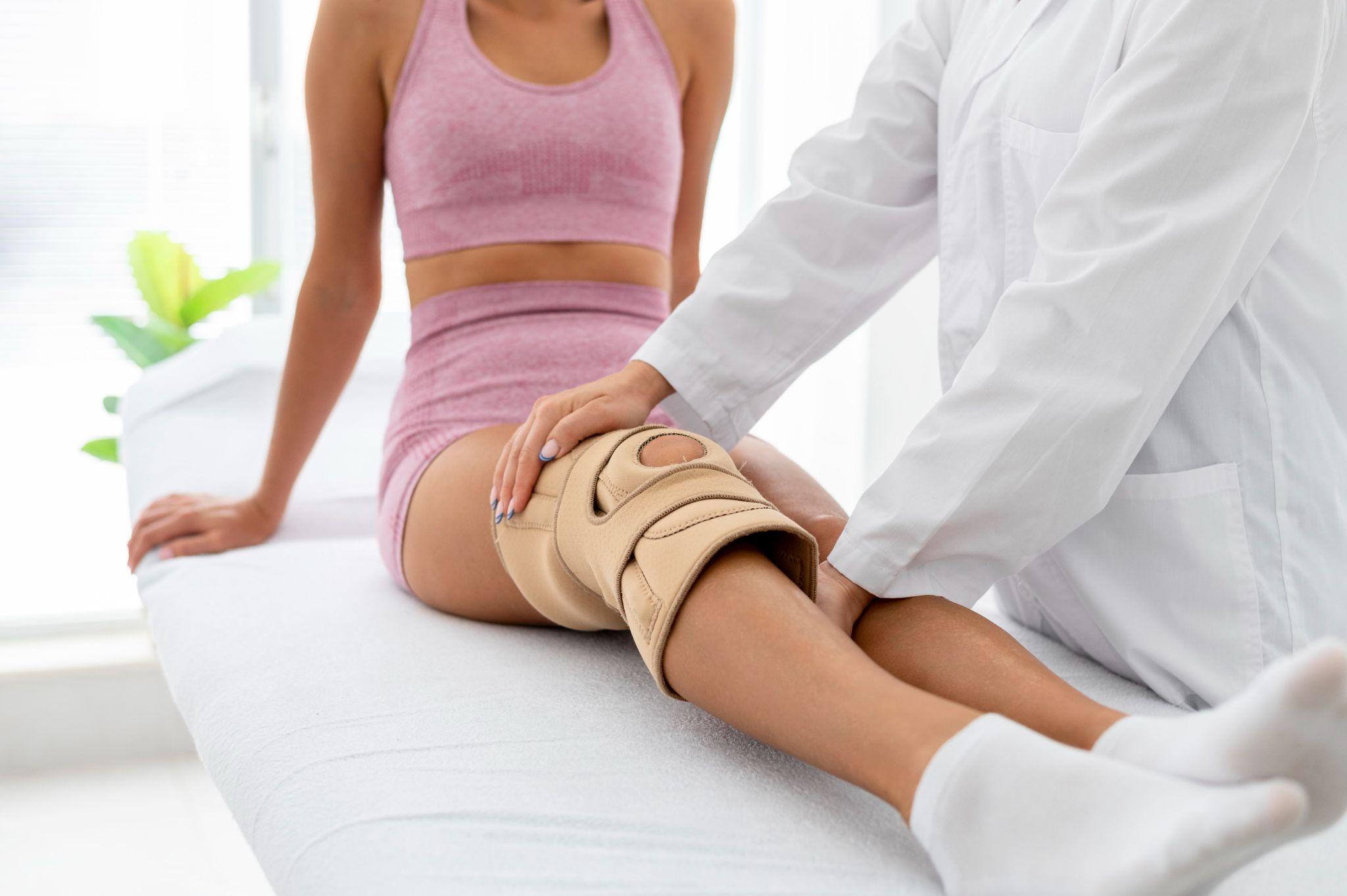
- Bracing for stable fractures
- Pain control along with anti-inflammatory medication
These options work well when the bone fragments are already in the correct position and stable.
Surgical Fracture Treatment
- Internal fixation using plates, screws, or rods
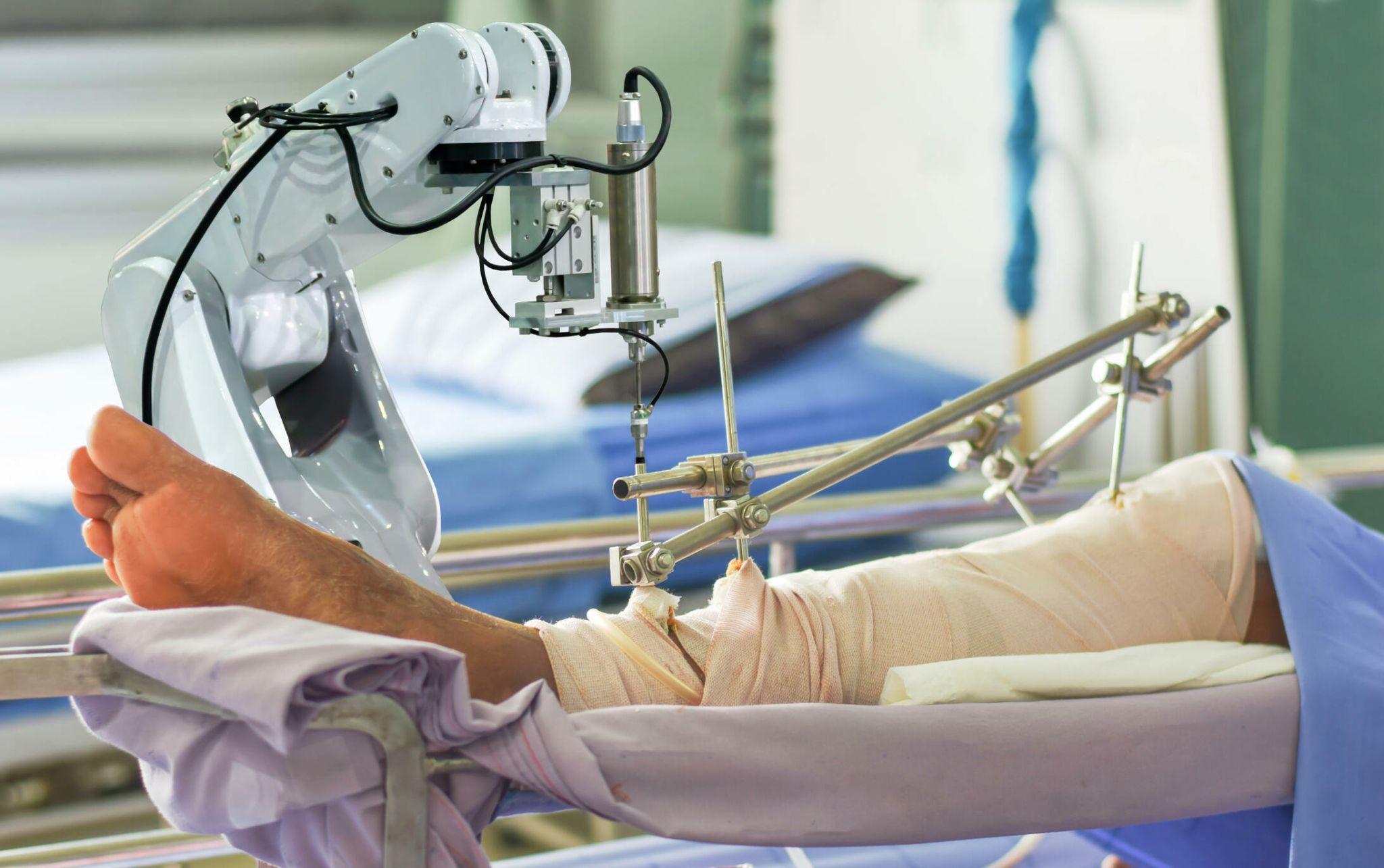
- External fixation for complicated fractures
- Joint replacement for severe joint-related fractures
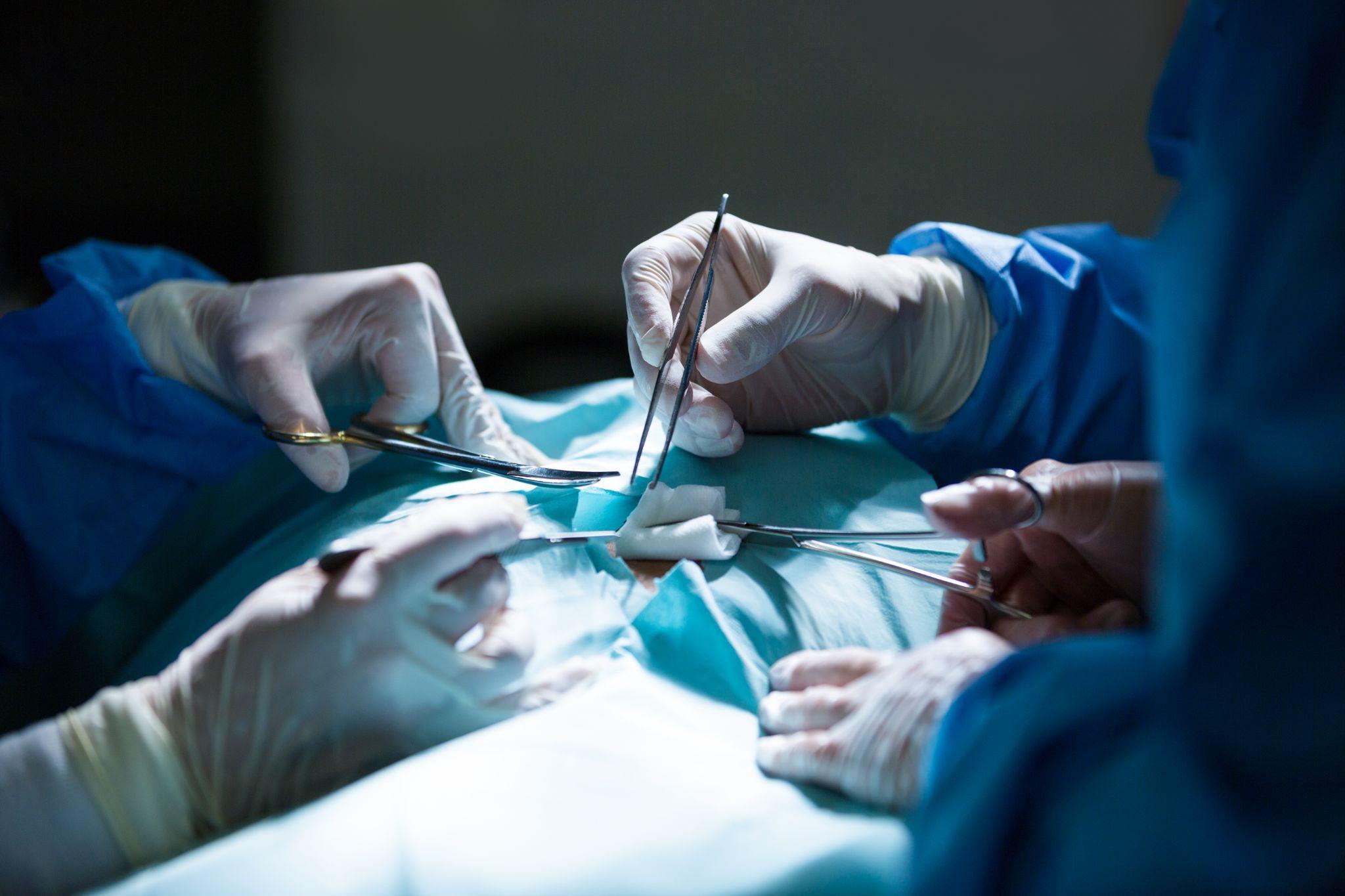
An orthopedic surgeon usually recommends surgery when a fracture cannot be aligned and held in place through non-operative methods.
Role of an Orthopedic Doctor in Fracture Care
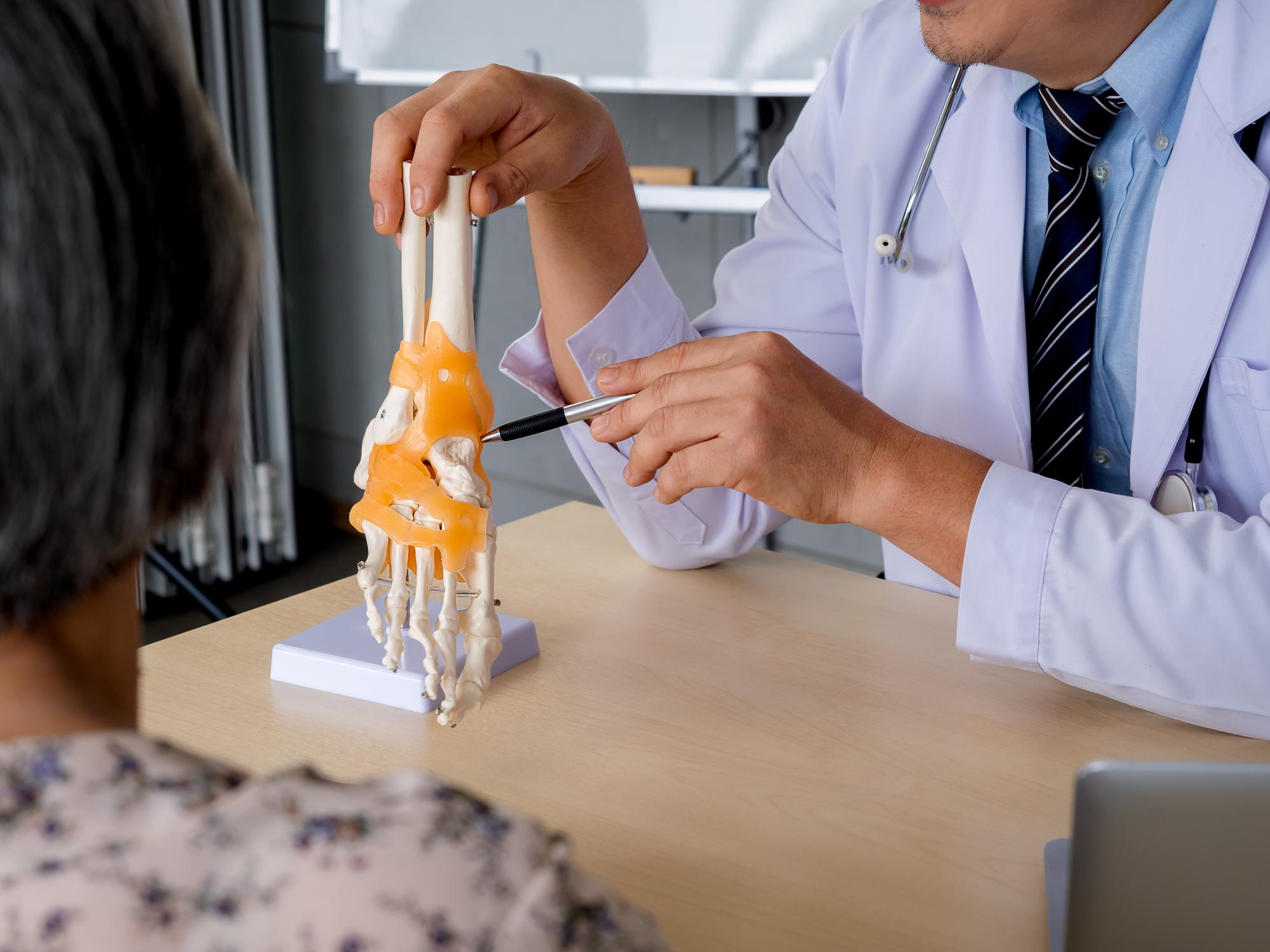
An orthopedic doctor specializes in diagnosing and treating bone injuries. Their job is not limited to the initial visit. They monitor the entire healing process from start to finish.
Why Orthopedic Supervision Is Important
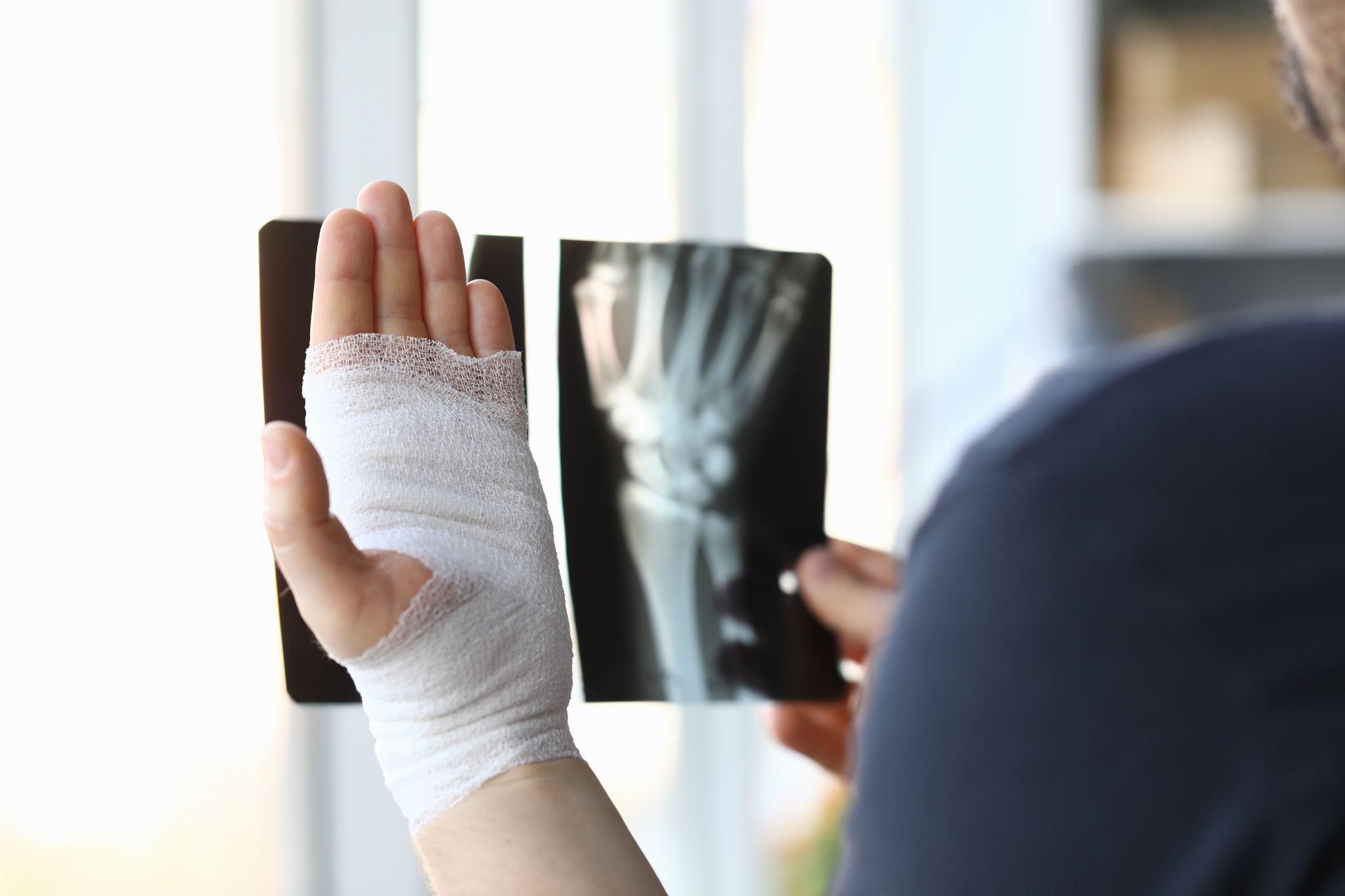
- Accurate diagnosis using X-rays and advanced imaging
- Choosing the most suitable treatment method
- Tracking recovery progress with follow-up scans
- Spotting delayed healing or complications early
Skipping orthopedic care can lead to poor healing, limited movement, or long-lasting pain.
Physiotherapy and Rehabilitation After a Fracture
Once healing begins, rehabilitation becomes important for restoring movement and strength.
Benefits of Post-Fracture Rehabilitation
- Improves joint mobility
- Prevents weak and stiff muscles
- Encourages blood flow to the healing area
- Reduces the risk of permanent disability
Physiotherapy guided by an orthopedic doctor lets you progress safely in a controlled setting, lowering the chance of re-injury.
When to See a Doctor: Signs of Delayed Bone Healing
Sometimes a broken bone takes longer than expected to heal, a situation known as delayed union or non-union. Watch for the following red flags and seek prompt evaluation if they appear:
- Pain at the fracture site that does not improve over time
- Swelling that continues well beyond the expected period
- Difficulty bearing weight even after the usual recovery window
- No signs of healing on follow-up X-rays
- Visible deformity, warmth, or signs of infection such as fever or discharge
A timely review by an orthopedic doctor can adjust the treatment plan and help prevent further complications.
Tips to Support Faster Bone Recovery
Bone healing takes time, but patients can actively support the process with good care habits.
Practical Recovery Tips
- Follow immobilization instructions exactly as advised
- Eat a balanced diet rich in calcium and vitamin D
- Avoid smoking and alcohol
- Attend all follow-up appointments
- Start physiotherapy only when your doctor clears you to do so
These steps can improve healing outcomes and reduce the risk of setbacks.
Frequently Asked Questions
Can I speed up bone fracture healing?
You cannot rush the biology of healing, but you can support it. Following immobilization advice, eating a calcium and protein-rich diet, avoiding smoking, and attending follow-ups all give your body the best chance to heal on schedule.
Is some pain normal during recovery?
Mild, gradually improving discomfort is expected as the bone heals. Pain that worsens, suddenly returns, or does not ease over time should be checked by an orthopedic doctor, since it may signal delayed healing or another problem.
Why do children heal faster than adults?
Children have a richer blood supply to their bones and a higher capacity for bone regeneration. This usually allows fractures to mend more quickly than in adults, although the exact timeline still depends on the specific injury.
When is surgery necessary for a fracture?
Surgery is generally considered when the bone fragments cannot be aligned and held stable with a cast or brace, or when the fracture involves a joint, is open, or has broken into multiple pieces. Your orthopedic surgeon will recommend the safest option for your situation.
Conclusion
Bone fracture healing is a gradual process that depends on the type of fracture, prompt treatment, and consistent care. Average recovery can range from a few weeks to several months, and steady supervision by an orthopedic doctor helps ensure healing happens safely and effectively. Knowing the stages of healing, recognizing warning signs, and following medical advice all help you regain strength, mobility, and confidence after a fracture.
If you have a fracture or are worried that your bone is taking too long to heal, consider consulting Dr. Ankur Singh, an experienced orthopedic doctor in Noida. He is known for accurate diagnosis, advanced fracture treatment, and personalized care that helps patients recover safely and return to full mobility.
Medical Disclaimer
The information provided on this website is for educational purposes only and should not be considered as medical advice. Please consult Dr. Ankur Singh or a qualified healthcare professional for personalized medical guidance.
Share this blog:
 Copy
Copy