How to keep your bones healthy naturally after 40
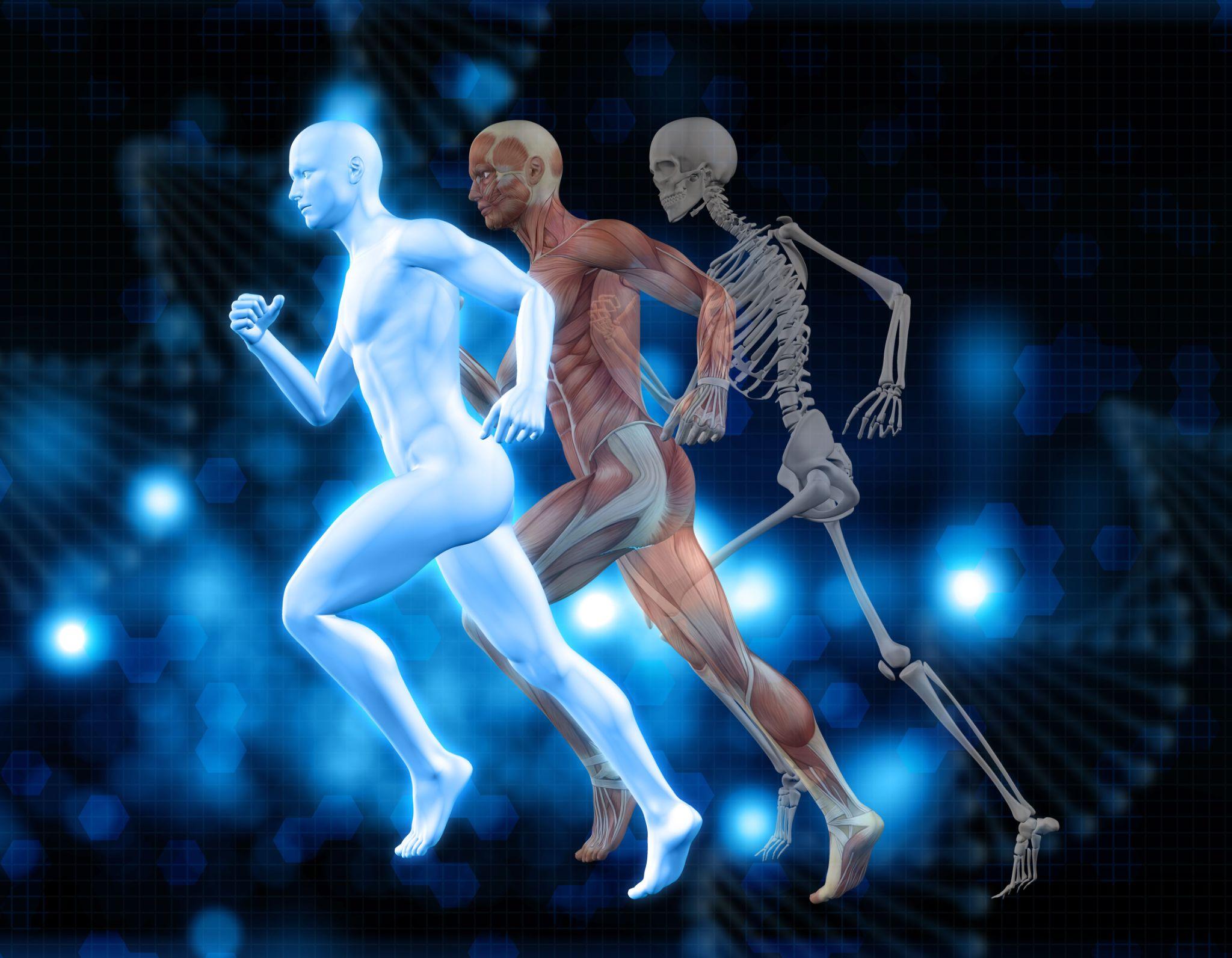
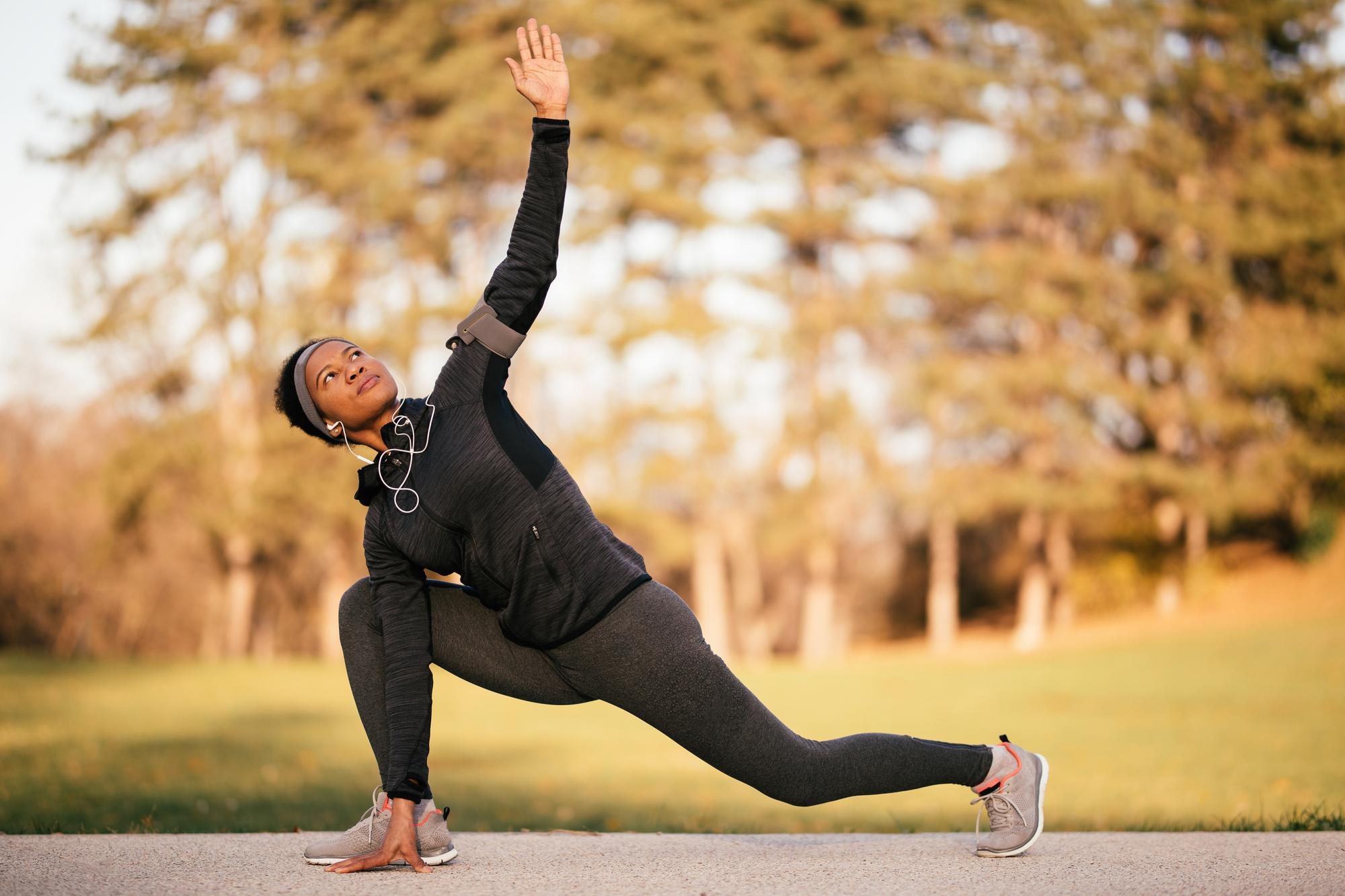
Activities such as walking, jogging, yoga, and resistance training stimulate bone formation and reduce the risk of fractures in adults over 40.
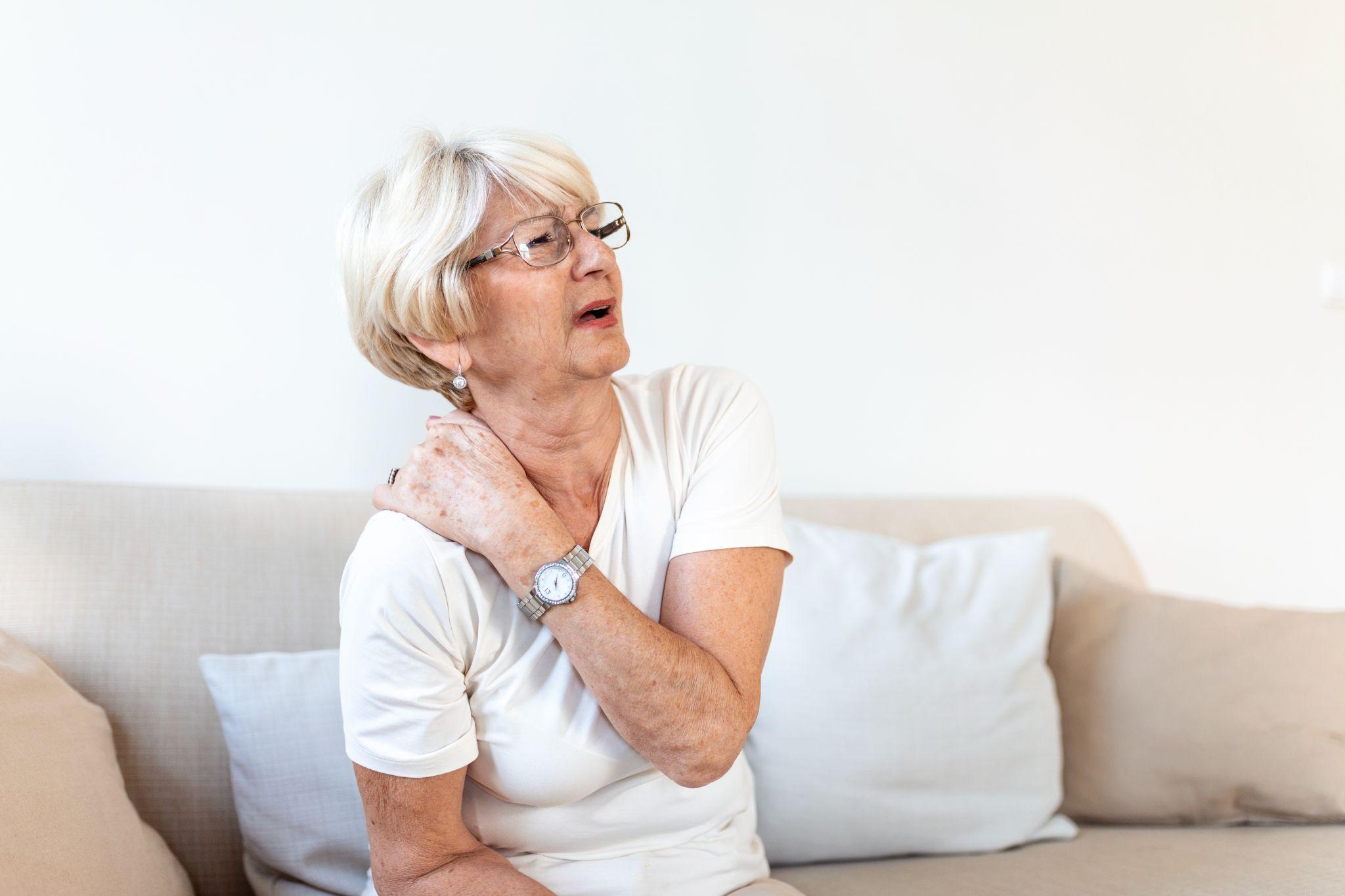
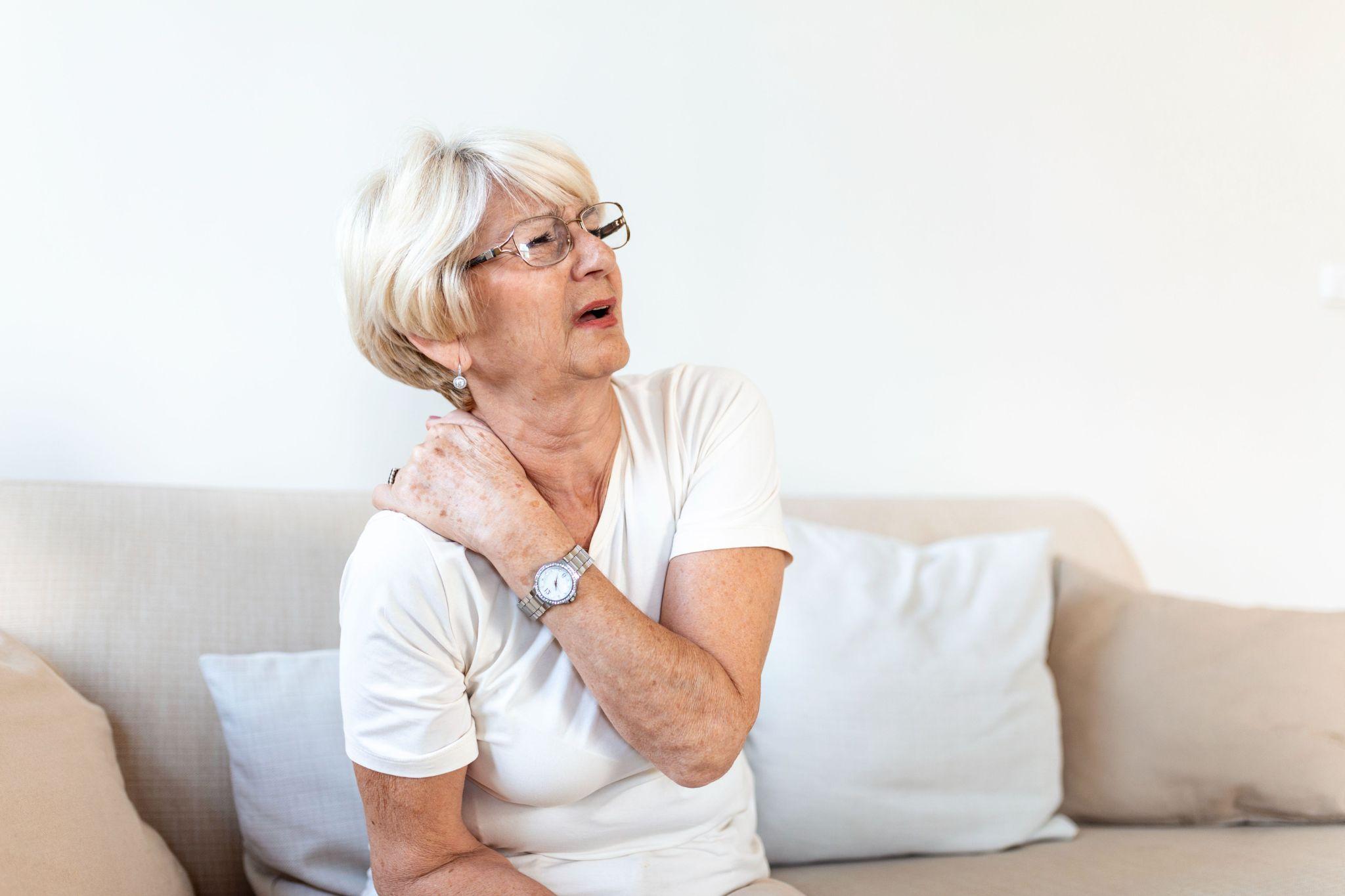
Your bones reach peak density somewhere around age 30. After that, the balance shifts, you start losing bone slightly faster than you build it. By 40, this process becomes clinically relevant, especially for women approaching menopause. And by 50-60, if you haven't been actively protecting your bones, the consequences start showing up as fractures from minor falls, compressed vertebrae causing height loss, and chronic back pain.
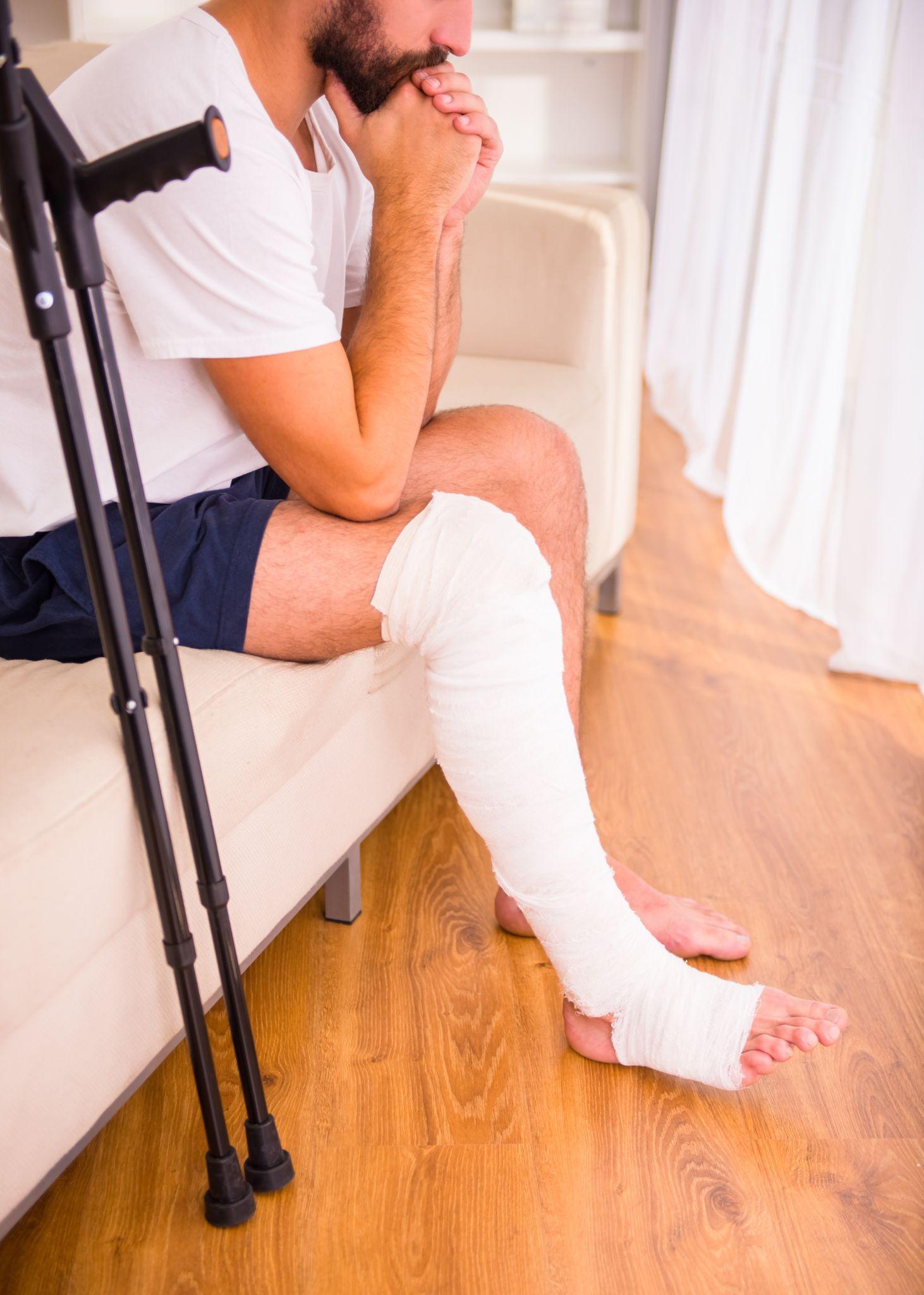
I see this trajectory play out constantly in my clinic. Patients in their 60s and 70s coming in with osteoporotic fractures, wrist, hip, spine — who had no idea their bones had been weakening for decades. The fracture wasn't the disease. It was the end result of 20 years of bone loss that nobody addressed.
The encouraging part? Bone loss after 40 isn't inevitable. It's accelerated by specific lifestyle factors, and it can be significantly slowed, sometimes even reversed, with straightforward changes that don't require expensive supplements or exotic diets.
Why bones weaken after 40
Bones are living tissue. They constantly remodel themselves through a process where old bone is broken down (resorption) and new bone is built (formation). Up to age 30, formation outpaces resorption. After 30, it gradually reverses. After 40, the gap widens.
Several factors accelerate this:
Hormonal changes: Estrogen is a powerful bone protector. In women, estrogen levels begin declining in the late 40s and drop sharply during menopause (average age 51 in India). This is why women lose bone 2-3 times faster than men during the peri-menopausal period. In men, testosterone decline is gradual and less dramatic, but it still contributes to bone loss after 50.
Vitamin D deficiency: The majority of urban Indians — 70-90%, are vitamin D deficient. Without adequate vitamin D, calcium absorption drops from 30-40% to as low as 10-15%. You could be eating calcium-rich foods every day and still losing bone because your body can't absorb the calcium properly.
Sedentary lifestyle: Bones respond to mechanical stress, they get stronger when loaded and weaker when not used. The shift from physically active lives to desk-bound jobs means bones aren't receiving the stimulation they need. Astronauts lose 1-2% of bone density per month in space precisely because gravity isn't loading their skeleton.
Poor protein intake: Bones are about 50% protein by volume. Collagen, the structural protein of bone, needs dietary protein for its synthesis. Many Indian vegetarian diets, while rich in other nutrients, fall short on protein — particularly in women who tend to eat last and eat less.
Practical steps that make a measurable difference
1. Get your baseline checked
After 40, get these done:
- Serum 25-hydroxy vitamin D level, if below 30 ng/mL, you need supplementation. Below 20 is outright deficiency.
- Serum calcium, to check for any metabolic issues
- DEXA scan — after 50 for women, after 65 for men, or earlier if you have risk factors (family history of fractures, low body weight, smoking, long-term steroid use). This painless 10-minute test measures bone density and catches osteoporosis before a fracture occurs.
2. Fix vitamin D and calcium
Vitamin D: Most Indians need supplementation. A typical protocol for deficiency: 60,000 IU weekly for 8 weeks, then 60,000 IU monthly as maintenance. Get retested after 3 months.
Calcium target: 1000-1200 mg daily from food.
Best Indian food sources:
- Milk (1 glass), 300 mg
- Curd (1 cup), 275 mg
- Paneer (100g) — 480 mg
- Ragi/nachni (100g cooked), 344 mg
- Sesame seeds/til (1 tbsp), 88 mg
- Green leafy vegetables — variable but contribute 50-100 mg per serving
Two glasses of milk and one serving of curd gets you to roughly 900 mg. Add some ragi or paneer and you're at target. Only supplement the gap if food intake falls short, don't blindly take calcium tablets without tracking food intake first.
3. exercise, The most powerful bone medicine
Weight-bearing exercise is non-negotiable for bone health. Your bones need mechanical loading to stimulate osteoblasts (bone-building cells).
What works:
- Brisk walking (30-40 minutes, 5 days/week) — the simplest and most sustainable option
- Jogging or running, higher impact means more bone stimulation
- Stair climbing, excellent for hip and spine bone density
- Resistance training (weights, resistance bands) — directly stimulates bone formation at the sites being loaded. Even moderate weights 2-3 times per week make a significant difference.
- Yoga, particularly weight-bearing poses like warrior, tree pose, and plank. Also improves balance, reducing fall risk.
What doesn't help as much:
- Swimming and cycling, excellent for cardiovascular health and muscle strength, but the buoyancy (swimming) and seated position (cycling) don't load bones sufficiently. Do them for fitness, but add weight-bearing exercise alongside.
4. protein — The forgotten bone nutrient
The Indian diet often underdelivers on protein. The RDA is 0.8-1g per kg of body weight. For a 60 kg person, that's 48-60g of protein daily.
Practical daily protein sources:
- 2 eggs, 12g
- 1 glass milk, 8g
- 1 bowl dal — 7-9g
- 100g paneer, 18g
- 100g chicken/fish, 25-30g
- 1 serving sprouts — 7-9g
Vegetarians can absolutely meet protein needs with a combination of dal, curd, paneer, sprouts, and soy products. The key is eating protein at every meal, not just loading up at dinner.
5. Cut down bone robbers
Certain habits accelerate bone loss:
- Smoking: Directly toxic to osteoblasts. Smokers have 10-15% lower bone density than non-smokers.
- Excessive alcohol: More than 2 drinks per day impairs bone formation and increases fall risk.
- Too much caffeine: More than 4 cups of tea/coffee daily increases calcium excretion. If you're a heavy chai drinker, make sure your calcium intake compensates.
- Very high salt intake: Sodium increases urinary calcium loss. Indian diets tend to be salt-heavy, pickles, papad, processed snacks all add up.
- Prolonged steroid use: Even 3 months of oral corticosteroids can cause significant bone loss. If you're on steroids for asthma, arthritis, or any chronic condition, ask your doctor about bone protection.
6. prevent falls
After 50, preventing falls is just as important as building bone. A strong bone won't break, but neither will a weak bone if you don't fall on it.
- Remove loose rugs and floor clutter at home
- Install grab bars in the bathroom
- Ensure adequate lighting, especially on stairs and at night
- Wear shoes with non-slip soles
- Get your vision checked annually, poor vision is a major fall risk factor
- Practice balance exercises — single-leg standing, heel-to-toe walking
7. medications when indicated
If a DEXA scan shows osteoporosis (T-score below -2.5), lifestyle measures alone may not be enough. Medications can reduce fracture risk by 50-70%:
- Bisphosphonates (alendronate, risedronate, zoledronic acid), suppress bone breakdown. The most commonly prescribed bone medications.
- Denosumab, an injection given every 6 months. Effective and well-tolerated.
- Teriparatide — a bone-building injection for severe osteoporosis. Used for 2 years maximum.
These medications should always be used alongside adequate vitamin D, calcium, and exercise, they're complementary, not substitutes.
Special considerations for women
Women lose bone faster than men due to estrogen decline. After menopause:
- Bone loss accelerates to 2-3% per year for the first 5-7 years
- The lifetime fracture risk for a 50-year-old woman is 40%, higher than her risk of breast cancer
- DEXA screening should begin at age 50 (or earlier with risk factors)
- Consider discussing hormone replacement therapy (HRT) with your gynecologist — it's the most effective way to prevent postmenopausal bone loss, though it's not appropriate for everyone
When to See a doctor
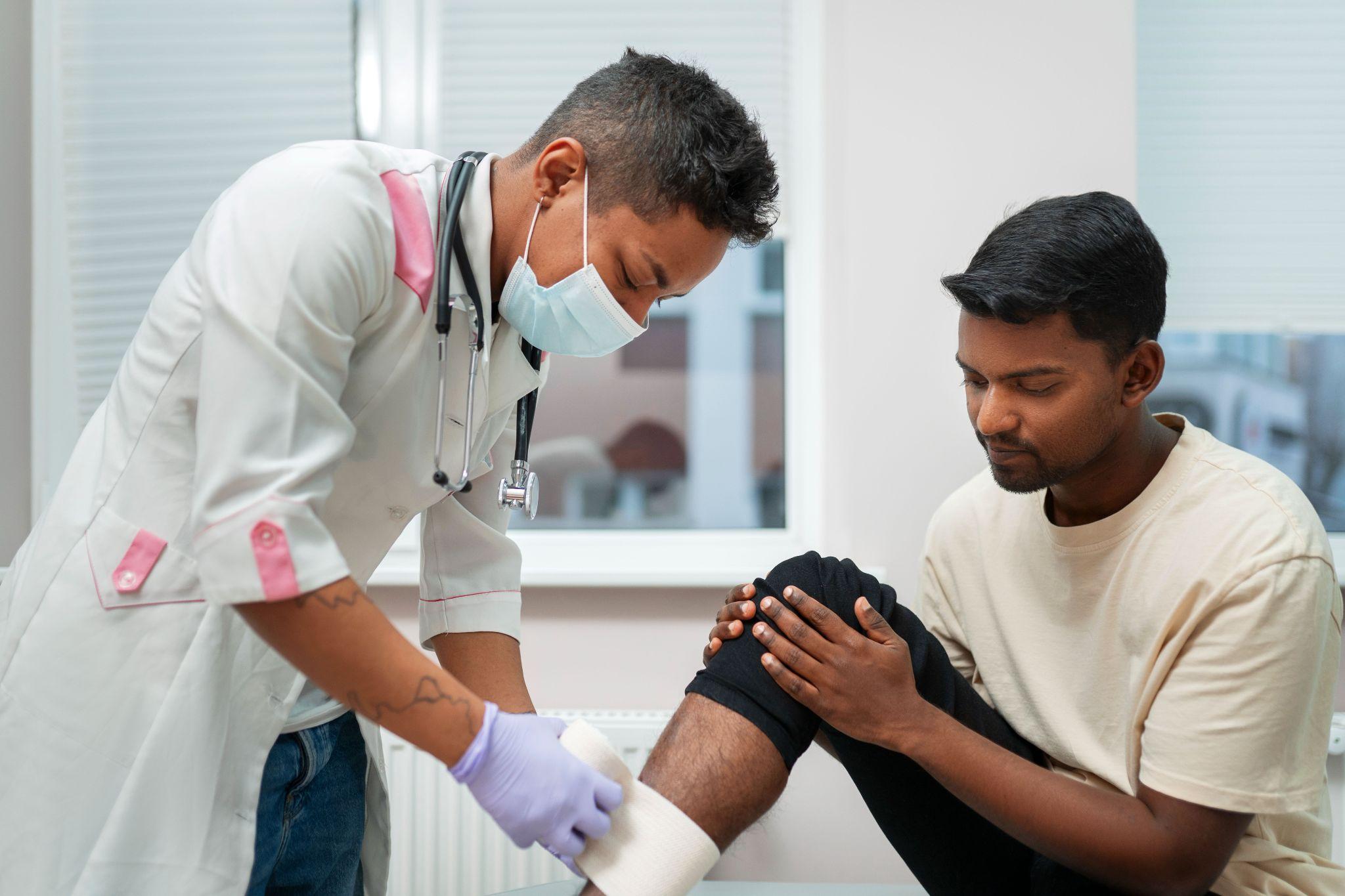
- After any fracture from a minor fall (fragility fracture)
- Persistent back pain in someone over 50 (could be a compression fracture)
- Height loss greater than 2-3 cm
- Family history of osteoporosis or hip fractures
- Long-term steroid use
- Early menopause (before age 45)
- Vitamin D levels below 20 ng/mL that haven't responded to initial supplementation
Bone health after 40 isn't about anxiety, it's about awareness and action. Simple, consistent steps, proper nutrition, regular weight-bearing exercise, vitamin D correction, and fall prevention — make a genuine, measurable difference. The bones you protect now are the ones that keep you active and independent at 70 and beyond.
Medical Disclaimer
The information provided on this website is for educational purposes only and should not be considered as medical advice. Please consult Dr. Ankur Singh or a qualified healthcare professional for personalized medical guidance.
Share this blog:
 Copy
Copy