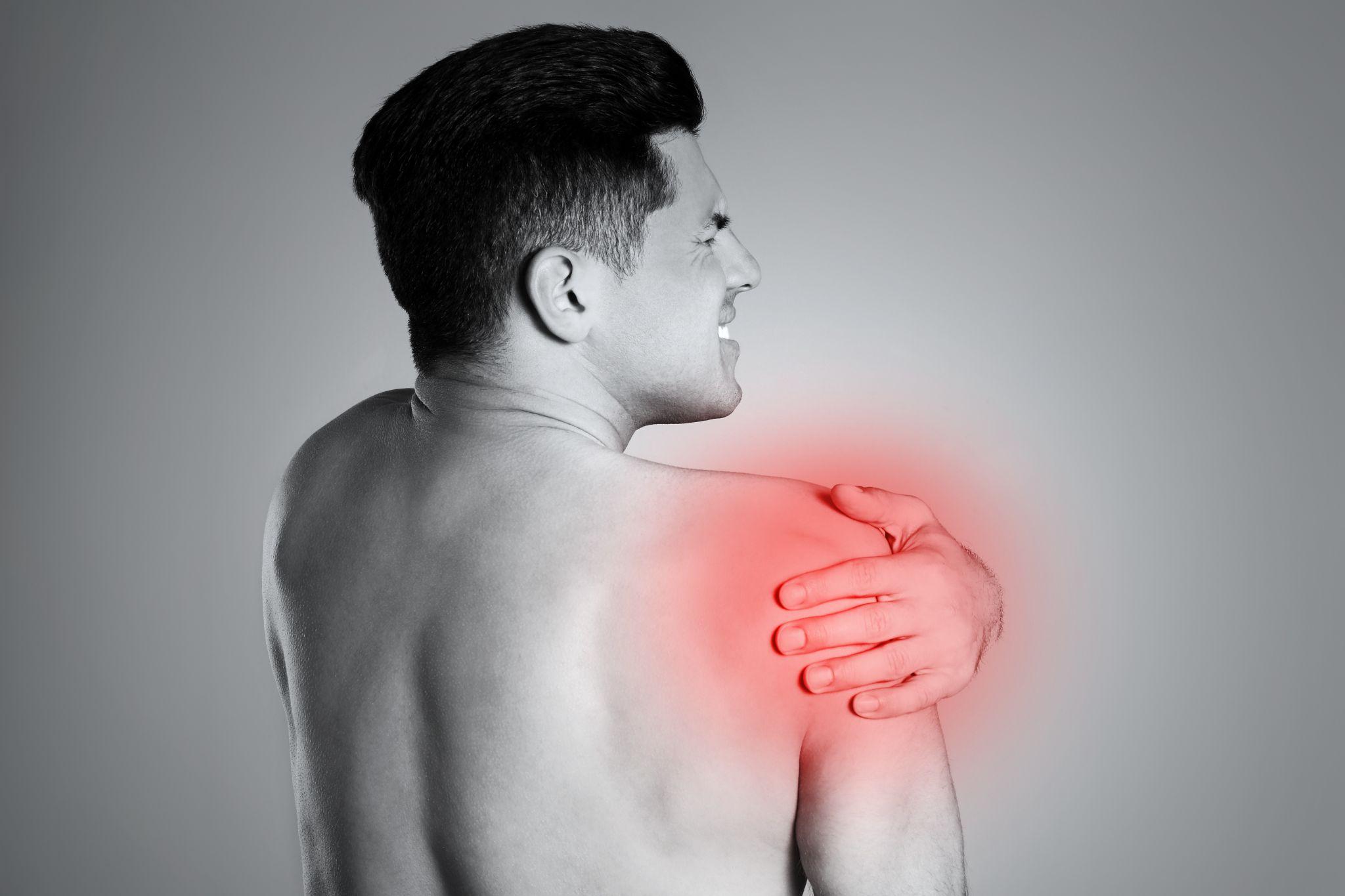
Robotic Joint Replacement at KDSG Greater Noida: Knee, Hip, and Shoulder

This is a cross-sectional view of the knee joint viewed up close.
There is a specific question that orthopedic patients in Noida, Greater Noida, and the wider Delhi-NCR region have been asking for years — sometimes explicitly, often implicitly: why do I have to go to central Delhi for advanced joint replacement?
The answer, until recently, was that the technology was concentrated there. Robotic joint replacement systems are expensive and require specialised infrastructure, trained teams, and high surgical volumes to function at their best. Delhi's large private hospitals had the scale to support this. Smaller hospitals in Noida and Greater Noida did not.
That has changed at KDSG Superspeciality Hospital.
KDSG is now the only hospital in Greater Noida — and one of a small number of hospitals in the entire Delhi-NCR region outside central Delhi — offering robotic-assisted replacement of all three major joints: the knee, the hip, and the shoulder. For patients in Noida, Greater Noida, Ghaziabad, and the surrounding NCR areas, this represents access to the highest level of orthopedic technology without the journey, the parking, and the logistical complexity of travelling to Saket, Dwarka, or Gurugram.
What Robotic Surgery at KDSG Means in Practice
The Technology
The robotic system at KDSG provides:
Pre-operative CT-based 3D planning — every joint replacement surgery at KDSG begins with a CT scan of the patient's specific anatomy. This scan is processed into a three-dimensional digital model, which Dr. Ankur Singh uses to plan the exact implant size, position, and orientation before the patient enters the operating theatre.
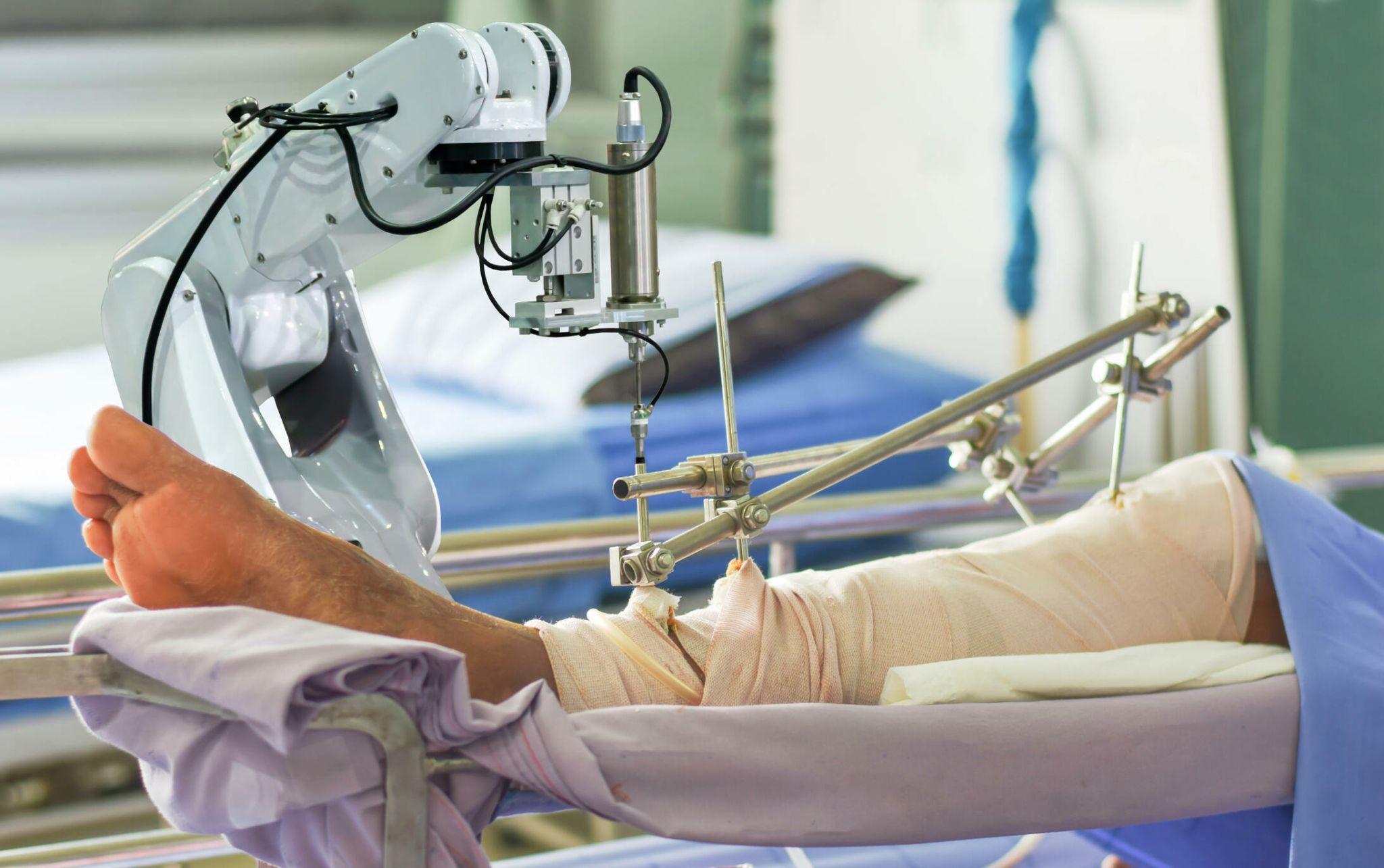
Real-time intraoperative robotic guidance — during surgery, the robotic system tracks the position of the surgical instruments in relation to the patient's anatomy (verified against the 3D plan) and provides haptic feedback that makes cutting outside the planned zones physically difficult. Each bone cut is confirmed to be within 1 to 2 degrees and 1 to 2 millimetres of the planned target.
Digital verification before permanent fixation — before the final implant is cemented, the system displays a comparison of the planned and achieved implant position, gap balance measurements, and mechanical axis alignment. Any discrepancy is identified and corrected in real time.
The Surgeon
Dr. Ankur Singh serves as Director of Orthopedics at KDSG Superspeciality Hospital. He is:
- Rated Top 3 Orthopedic Surgeons in Noida by ThreeBestRated® — an independently verified rating
- Holder of a 5.0 Google Rating from over 650 verified patient reviews
- 15+ years of specialist experience in joint replacement, arthroscopy, and sports medicine
- A trained robotic joint replacement surgeon with high-volume experience at KDSG
The Three Robotic Procedures Available at KDSG
Robotic Knee Replacement
The most commonly performed robotic procedure at KDSG. Robotic guidance is used for both total knee replacement (TKR) and partial (unicompartmental) knee replacement (UKR).
Who it is for: Patients with knee osteoarthritis, post-traumatic knee arthritis, inflammatory arthritis, or avascular necrosis of the knee who require joint replacement. Robotic guidance is particularly valuable for:
- Patients under 65 who need the implant to last 20+ years
- Patients with significant varus (bow-legged) or valgus (knock-knee) deformity
- Patients choosing partial knee replacement (where precision tolerance is tightest)
- Bilateral knee replacement cases
What it involves: Pre-operative CT scan → 3D planning → spinal anaesthesia → robotic-guided bone preparation → verified implant placement → physiotherapy from Day 1. Hospital stay: 3 to 4 days. Full recovery: 4 to 6 months.
Robotic Hip Replacement
Robotic guidance for total hip replacement is one of KDSG's distinguishing capabilities. The primary challenge in conventional hip replacement is acetabular cup positioning — the cup's orientation (abduction angle and anteversion) directly determines dislocation risk and bearing surface wear.
Conventional surgery achieves the "safe zone" for cup positioning (40 to 45 degrees abduction, 15 to 25 degrees anteversion) approximately 50 to 70 percent of the time. Robotic guidance achieves it in over 95 percent.
Who it is for: Patients with hip osteoarthritis, avascular necrosis (AVN) of the hip femoral head, inflammatory arthritis of the hip, or fractures requiring total hip replacement. AVN is particularly common in Delhi-NCR due to high rates of corticosteroid prescribing — this patient group benefits significantly from robotic precision.
What it involves: Pre-operative CT scan → 3D planning with specific cup orientation targets → robotic-guided cup placement and verified final position → early mobilisation Day 1. Hospital stay: 3 to 5 days. Full recovery: 4 to 6 months.
The Indian daily life consideration: Cup anteversion — the forward tilt of the hip socket — directly determines post-operative range of motion and dislocation risk during Indian daily activities: sitting cross-legged, using low toilet seats, getting in and out of vehicles. Robotic planning incorporates these specific functional goals into the cup positioning plan.
Robotic Shoulder Replacement
Robotic shoulder replacement is the least common of the three procedures nationally and the one where KDSG's capability is most distinctive. Very few centres in Delhi-NCR perform robotic-guided shoulder arthroplasty.
The primary technical challenge in shoulder replacement is glenoid component positioning — the socket-side implant that determines shoulder stability, range of motion, and the long-term risk of loosening. Glenoid loosening is the most common mechanism of shoulder replacement failure, and its primary cause is glenoid component malpositioning.
Robotic guidance achieves glenoid positioning to within 1 to 2 degrees of the planned target — a precision standard that manual technique cannot consistently match given the anatomical complexity and the limited visibility of the glenoid surface during surgery.
Who it is for: Patients with glenohumeral osteoarthritis, rotator cuff tear arthropathy, or avascular necrosis of the humeral head requiring either anatomic total shoulder replacement or reverse total shoulder replacement.
What it involves: Pre-operative CT scan → 3D planning → robotic-guided glenoid preparation and verified component placement. Recovery: sling for 4 to 6 weeks, progressive physiotherapy over 6 to 12 months.
Why Patients From Across Delhi-NCR Are Choosing KDSG
The Access Advantage
KDSG Superspeciality Hospital is located in Greater Noida — accessible from:
- Noida (all sectors): 15 to 30 minutes via Noida-Greater Noida Expressway
- Indirapuram/Vaishali: 20 to 25 minutes via NH-24
- Ghaziabad: 25 to 35 minutes via NH-24 or NH-58
- Greater Noida West (Noida Extension): 8 to 15 minutes
- South Delhi (Saket/Vasant Kunj area): 45 to 55 minutes via Yamuna Expressway
- Yamuna Expressway corridor: Direct access
For the majority of NCR patients, KDSG is no further — and for most, significantly closer — than the Delhi hospitals that previously seemed to be the only option for advanced joint replacement.
The Single-Surgeon Continuity
All three robotic joint replacement procedures at KDSG are performed by Dr. Ankur Singh. This single-surgeon model means:
- The pre-operative planning and the surgical execution are the same person's work — no handoff between planning and operating
- Post-operative care, physiotherapy guidance, and follow-up are with the surgeon who performed the procedure
- Complications, concerns, and queries go directly to the surgeon who made all the decisions
This continuity is uncommon in large hospital systems where planning, surgery, and post-operative care may involve different physicians.
The Outpatient Consultation: Before Committing to Any Procedure
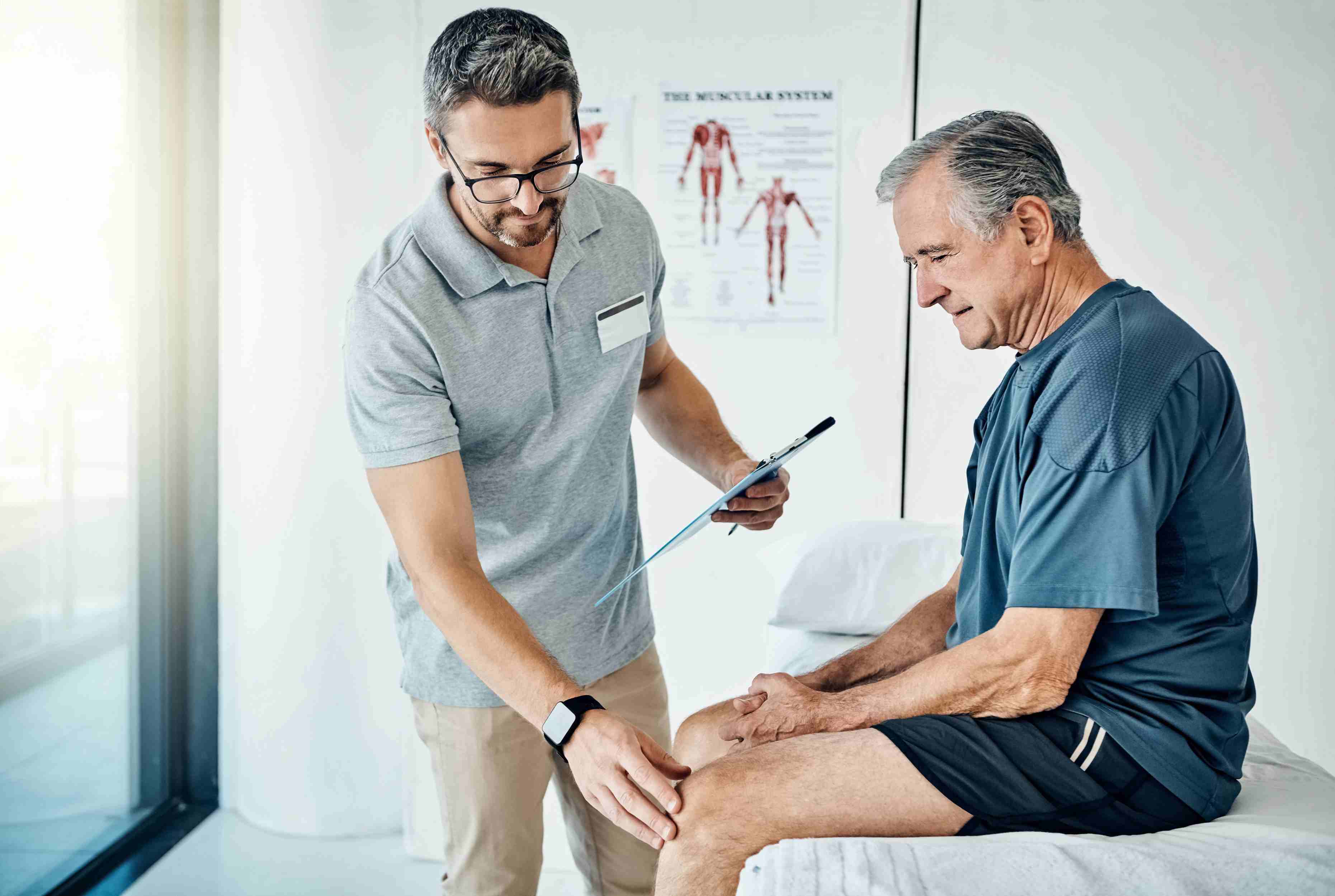
Every robotic joint replacement at KDSG begins with a consultation at Renew Orthopedic Clinic, Sector 47 Noida — the outpatient centre where Dr. Ankur Singh assesses patients, reviews imaging, and discusses all options.
Not every patient who consults for joint replacement proceeds to robotic surgery — or to surgery at all. The consultation is specifically designed to assess whether surgery is genuinely indicated, which type of surgery is appropriate, and whether conservative management still has a meaningful role.
Patients who are found not to need surgery are told so — clearly and specifically. Patients who are surgical candidates receive a complete explanation of the options, including the difference between robotic and conventional approaches, before any decision is made.
To book: call the number listed on this website.
Frequently Asked Questions
Is KDSG Hospital the only place in Greater Noida offering robotic joint replacement?
Yes. As of 2026, KDSG Superspeciality Hospital is the only centre in Greater Noida offering robotic-assisted replacement of all three major joints — knee, hip, and shoulder.
Can I have a consultation at the Noida clinic and surgery in Greater Noida?
Yes — this is the standard pathway. Outpatient consultations are at Renew Orthopedic Clinic, Sector 47 Noida. All surgical procedures are performed at KDSG Superspeciality Hospital, Greater Noida.
Is robotic surgery at KDSG limited to specific days or times?
Robotic joint replacement is available as part of Dr. Ankur Singh's regular surgical schedule at KDSG. Scheduling is discussed at the consultation.
Dr. Ankur Singh | Director of Orthopedics KDSG Superspeciality Hospital Greater Noida | Robotic Knee Hip Shoulder Replacement | Top 3 Orthopedic Surgeons Noida | Renew Orthopedic Clinic Sector 47
Medical Disclaimer
The information provided on this website is for educational purposes only and should not be considered as medical advice. Please consult Dr. Ankur Singh or a qualified healthcare professional for personalized medical guidance.
Share this blog:
 Copy
Copy