ACL and Meniscus Injury Management: Non-Surgical vs Surgical Approaches
Knee injuries are among the most frequent musculoskeletal problems, particularly for athletes, dancers, and active young adults. Two of the most commonly injured parts of the knee are the ACL (Anterior Cruciate Ligament) and the meniscus, and these injuries can take a toll physically, mentally, and emotionally. This guide walks you through the essential differences between surgical and non-surgical care so you can make a more informed decision about what is right for you.
If you have just injured your knee, you might be confused about your options. Should you have surgery right away? Can physical therapy help? Will your knee ever feel the same again? These are practical, common questions, and the honest answer is that there is no one-size-fits-all solution. Each injury and each body is unique.
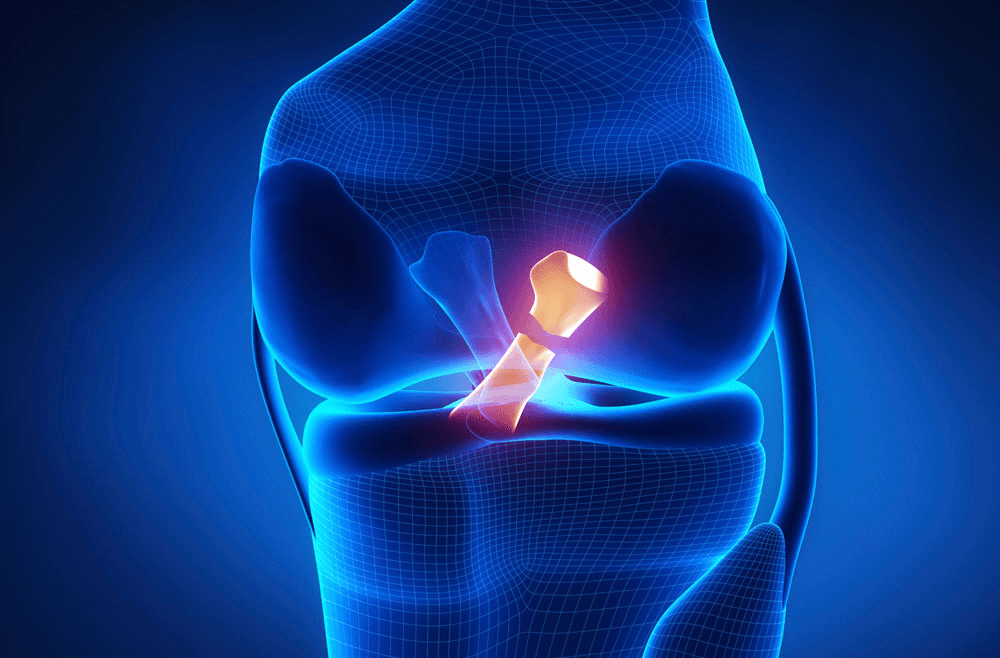
ACL Tear: What Happens and Why?
The Anterior Cruciate Ligament (ACL) is a major ligament that stabilizes your knee. It connects the thigh bone (femur) to the shin bone (tibia) and limits the forward movement of the lower leg.
Some of the most common reasons for ACL tears are:
- Sudden rotation of the knee while playing sports such as basketball or football
- Sudden stopping or switching of direction while running
- Awkward landing after a jump
Most people describe hearing or feeling a "pop" at the moment of injury. This is often followed by rapid swelling, severe pain, and a sense of instability, as though the knee could give way.
Meniscus Tear: When the Knee's Shock Absorber Fails
The meniscus is a C-shaped piece of cartilage in the knee that acts as a shock absorber between the femur and tibia. Each knee has two menisci: the medial (inner) and the lateral (outer).
Meniscus tears tend to happen in two main ways:
- Acute injuries, such as twisting or sudden pivoting while playing sports
- Degenerative tears, which develop gradually over time as the cartilage wears down, more common in older adults
Symptoms can include pain along the joint line, swelling, stiffness, and sometimes a catching or locking sensation when you move the knee.
ACL and Meniscus Injuries Can Happen Together
It is fairly common for ACL and meniscus injuries to occur at the same time, especially in sports injuries. When one structure in the knee is injured, it can put extra strain or tension on the other part, increasing the risk of both injuries happening together.
This is why an accurate diagnosis early on is important. Physicians usually base their assessment on a combination of:
- MRI scans
- Clinical physical examinations
- Patient history
Together these help the surgeon understand the extent of the damage and decide what form of treatment, surgical or conservative, will be needed.
Factors That Affect ACL and Meniscus Treatment Decisions
The decision to have surgery or not depends on several personal and health considerations.
- Age and health: Active, younger people generally recover faster after surgery, while older patients or those with other health problems may do better with conservative treatment.
- Activity level: Athletes who want to return to high-impact sports usually require surgery, but those who mainly want comfortable daily mobility may do well with physical therapy.
- Severity of the tear: Partial tears can respond well to rehab. Complete ACL tears or significant meniscus tears generally need surgery for full recovery.
- Combined injuries: Combined ACL and meniscus tears typically require surgical intervention for stable, long-term function.
- Patient commitment: Non-surgical rehabilitation requires disciplined physiotherapy and lifestyle adjustments. An inability to commit can delay or limit results.
- Expert consultation: Always consult an orthopedic specialist to choose the best treatment for your age, type of injury, and goals.
Non-Surgical Treatment Options for ACL and Meniscus Injury
For many people, particularly older patients, those with partial tears, or those with lower activity demands, non-operative care can provide good relief and restore function. These treatments aim to strengthen the knee, manage pain, and prevent further injury.
Physical Therapy: The First Line of Defense
Physical therapy is the foundation of non-operative care for ACL and meniscus injury. A structured rehab program strengthens the quadriceps, hamstrings, and glutes that stabilize the knee while improving balance, flexibility, and coordination. Patients often need several months of regular sessions. Physical therapy is most beneficial for partial ACL tears or minor meniscus injuries in less competitive patients.
Knee Bracing and Lifestyle Adjustments
Knee bracing provides added stability while walking or during light activity, especially when the ACL is compromised. Combined with lifestyle adjustments such as avoiding twisting, abrupt stops, or high-impact sports, bracing can help manage symptoms and prevent further injury. This approach suits people who want to stay active without surgery.
Pain and Swelling Management
Controlling inflammation is very important in the early phase of injury. The R.I.C.E. principle (Rest, Ice, Compression, Elevation) remains very effective. Anti-inflammatory medications such as ibuprofen can help reduce swelling and pain. In degenerative meniscus tears, corticosteroid injections may be a useful short-term measure that improves comfort during physical therapy. Use any medication only under medical guidance.
Surgical Treatment Options for ACL and Meniscus Injuries
Surgery is often needed if your knee remains unstable or when you want to return to sports or high-impact activities.
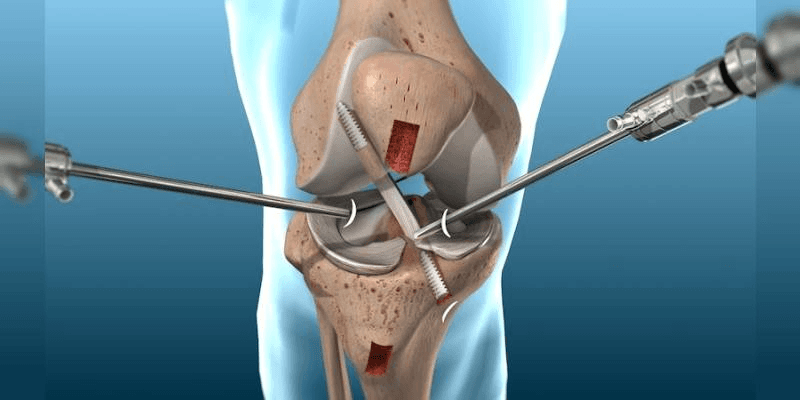
ACL Reconstruction
ACL reconstruction replaces the damaged ligament with a tendon graft, taken either from your own body or from a donor. It restores knee stability and helps prevent further injury. Rehabilitation usually takes several months to a year, and most patients return to their previous activity level with consistent therapy.
Meniscus Surgery
Meniscus tears are treated either by trimming (meniscectomy) or stitching (repair). Meniscectomy allows a quicker return to activity, while repair preserves more joint function but requires longer healing. Active and younger patients often benefit more from repair.
Combined ACL and Meniscus Surgery
When both structures are damaged, they are usually addressed together in a single procedure. Recovery is more demanding, but it allows for full knee function and supports a return to sport.
How to Choose: Non-Surgical vs Surgical
Choosing between non-surgical and surgical management depends on your goals, the level of injury, and your lifestyle.
- Consider surgery if you are an athlete, have a complete ACL tear or an unstable meniscal injury, or experience frequent knee instability. Surgery provides greater long-term stability for active people.
- Consider non-surgical care if you are older, less active, or have a partial tear or a degenerative meniscus problem. It is a lower-cost, lower-risk option, especially if you are willing to stick to regular physical therapy and lifestyle changes.
Discuss the decision with your orthopedic specialist to arrive at the best solution for your situation.
When to See a Doctor: Red Flags
Some knee symptoms should not be managed at home and need prompt evaluation by an orthopedic specialist. See a doctor if you notice any of the following:
- A loud "pop" at the time of injury followed by rapid swelling
- A knee that buckles, gives way, or feels unstable when you stand or walk
- The knee locking or catching so that you cannot fully straighten or bend it
- Severe pain or swelling that does not improve with rest, ice, and elevation
- Inability to bear weight on the leg
- Numbness, tingling, or a cold, pale foot, which may signal a circulation or nerve problem
Early diagnosis often leads to better outcomes, so do not wait if these signs appear.
Frequently Asked Questions
Can an ACL tear heal without surgery?
A torn ACL does not usually heal back together on its own, but many people manage well without surgery through structured physical therapy and bracing. This works best for partial tears or for people with lower activity demands. An orthopedic specialist can advise whether non-surgical care is suitable for you.
How long is recovery after ACL reconstruction?
Recovery generally takes several months to about a year, depending on the type of graft, your overall health, and how consistently you follow your rehab program. Returning to high-impact sports usually takes longer than returning to daily activities. Patience and disciplined physiotherapy make a real difference.
Do all meniscus tears need surgery?
No. Many meniscus tears, especially small or degenerative ones, respond well to rest, physical therapy, and anti-inflammatory measures. Surgery is more likely for larger tears, locking symptoms, or when conservative care does not relieve the problem.
Is it normal for ACL and meniscus injuries to occur together?
Yes, these injuries often happen at the same time, particularly during sports involving twisting or sudden direction changes. Damage to one structure can place extra stress on the other. This is why a thorough examination and imaging are important for an accurate diagnosis.
Conclusion
When it comes to treating ACL and meniscus injuries, both surgical and non-surgical options can work. The right path depends on your age, activity level, goals, and lifestyle. Do not rush the decision, seek a second opinion if needed, and prioritize long-term joint health over quick fixes. Healing takes time, discipline, and support, and it is as much an emotional process as a physical one.
If you are dealing with a knee injury and want clear, personalized guidance, consult Dr. Ankur Singh, a senior orthopedic surgeon in Noida. A proper evaluation can help you understand your options and choose the treatment that best protects your mobility and confidence for years to come.
Medical Disclaimer
The information provided on this website is for educational purposes only and should not be considered as medical advice. Please consult Dr. Ankur Singh or a qualified healthcare professional for personalized medical guidance.
Share this blog:
 Copy
Copy




/group-doctors-reading-document-meeting-room-hospital-compressed.jpg)
/surgeons-passing-scissors-each-other-compressed.jpg)