Knee replacement surgery cost in noida: things to consider before You plan

The knee implant type recommended by your surgeon is responsible for the majority of the cost of knee replacement.
"How much will it cost?", it's the first or second question every patient asks when knee replacement surgery is recommended. And it deserves a straightforward answer, though the real answer is: it depends on several factors, and understanding those factors helps you plan properly without unpleasant surprises.
Knee replacement surgery in Noida ranges from approximately Rs 1.5 lakh to Rs 4.5 lakh per knee. That's a wide range, and the variation comes from specific choices, the type of implant, the hospital, whether you use insurance, and whether it's a single or bilateral procedure.
I'm going to break down each cost component honestly, because I believe patients make better decisions when they understand exactly what they're paying for.
The major cost components
1. The implant (40-60% of total cost)
The knee implant is the single largest expense. There are broadly three categories:
Standard implants (Indian/imported basic): Rs 40,000-80,000. These are well-made, FDA-approved implants with good track records. Most Indian patients receive these, and outcomes are excellent. Don't let anyone tell you that a cheaper implant means inferior results — the surgical technique and alignment matter far more than the implant brand for most patients.
Premium imported implants: Rs 1,00,000-2,50,000. These include high-flex designs (for patients who need deep bending), rotating platform implants, and gender-specific designs. The clinical superiority of premium implants over standard ones is debated, studies show comparable outcomes in most cases. However, certain patients (younger, more active individuals) may benefit from premium implant features.
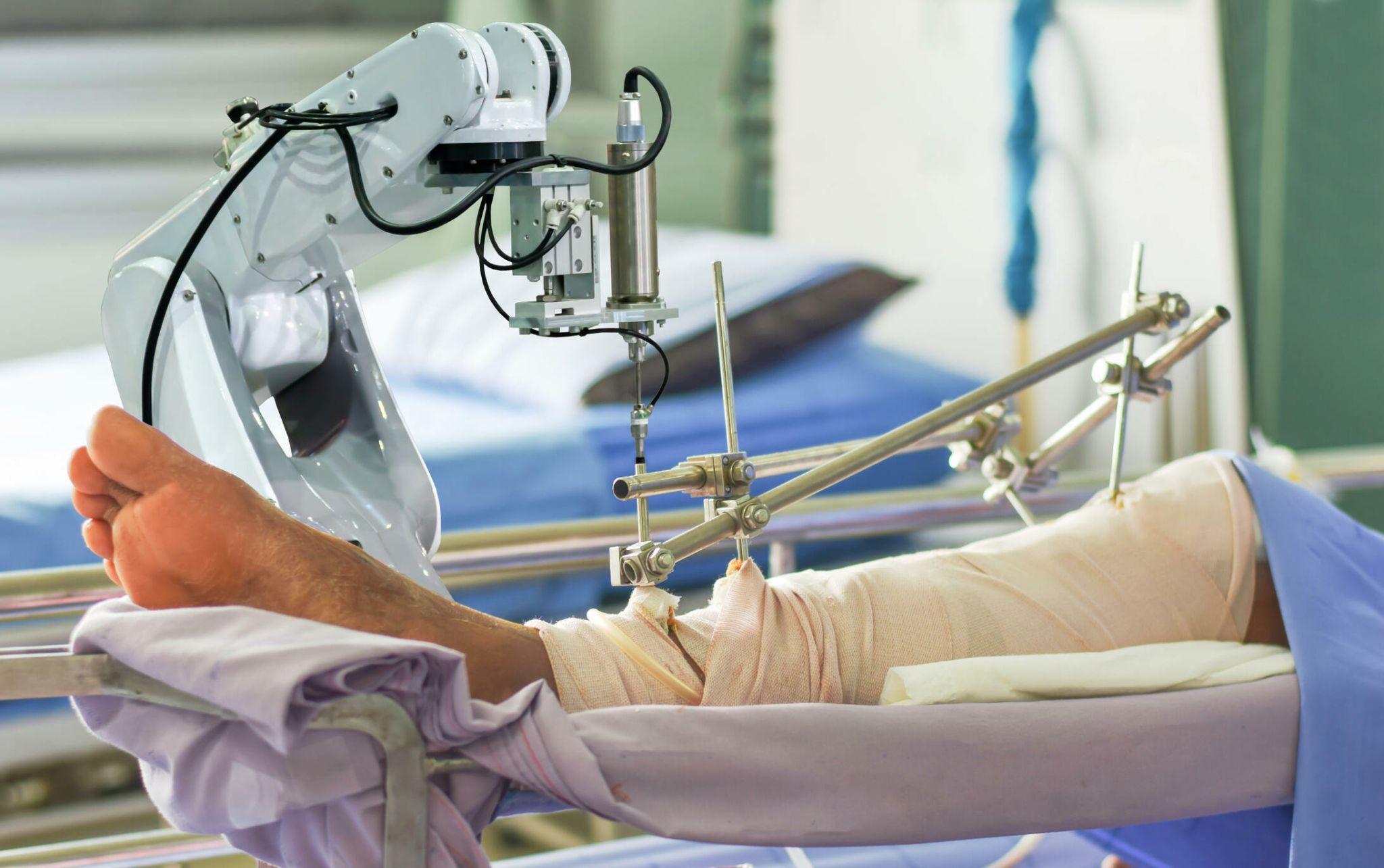
Robotic/navigation-assisted implants: Some systems require implant-specific instruments, which can add Rs 30,000-60,000 to the cost.
2. hospital charges (20-30% of total cost)
This covers the operating room, anesthesia, ICU (if needed), ward stay, nursing care, pre-operative tests, and post-operative monitoring.
Noida has hospitals at every price point:
- Multi-specialty corporate hospitals: Higher room rates, more amenities, branded infrastructure. Total hospital charges Rs 80,000-1,50,000.
- Mid-tier hospitals and specialty orthopedic centers: Good infrastructure, experienced teams, lower overhead. Rs 50,000-90,000.
- Government/semi-government hospitals: Significantly lower costs but longer wait times and potentially less personalized care.
The typical hospital stay for knee replacement is 3-4 days. Each additional day adds to the cost.
3. Surgeon's Fee (10-15% of total cost)
This varies based on the surgeon's experience, reputation, and case volume. In Noida, surgeon fees for knee replacement typically range from Rs 30,000-80,000.
A higher fee doesn't always mean a better surgeon, and a lower fee doesn't mean an inexperienced one. What matters more: the surgeon's case volume (how many knee replacements they do per year), their complication rates, and their willingness to explain the procedure and answer your questions thoroughly.
4. anesthesia and consumables (5-10%)
Anesthesia charges, surgical consumables (sutures, drapes, drains, dressings), blood bank charges, and medications during the hospital stay typically add Rs 15,000-35,000.
5. physiotherapy and rehabilitation
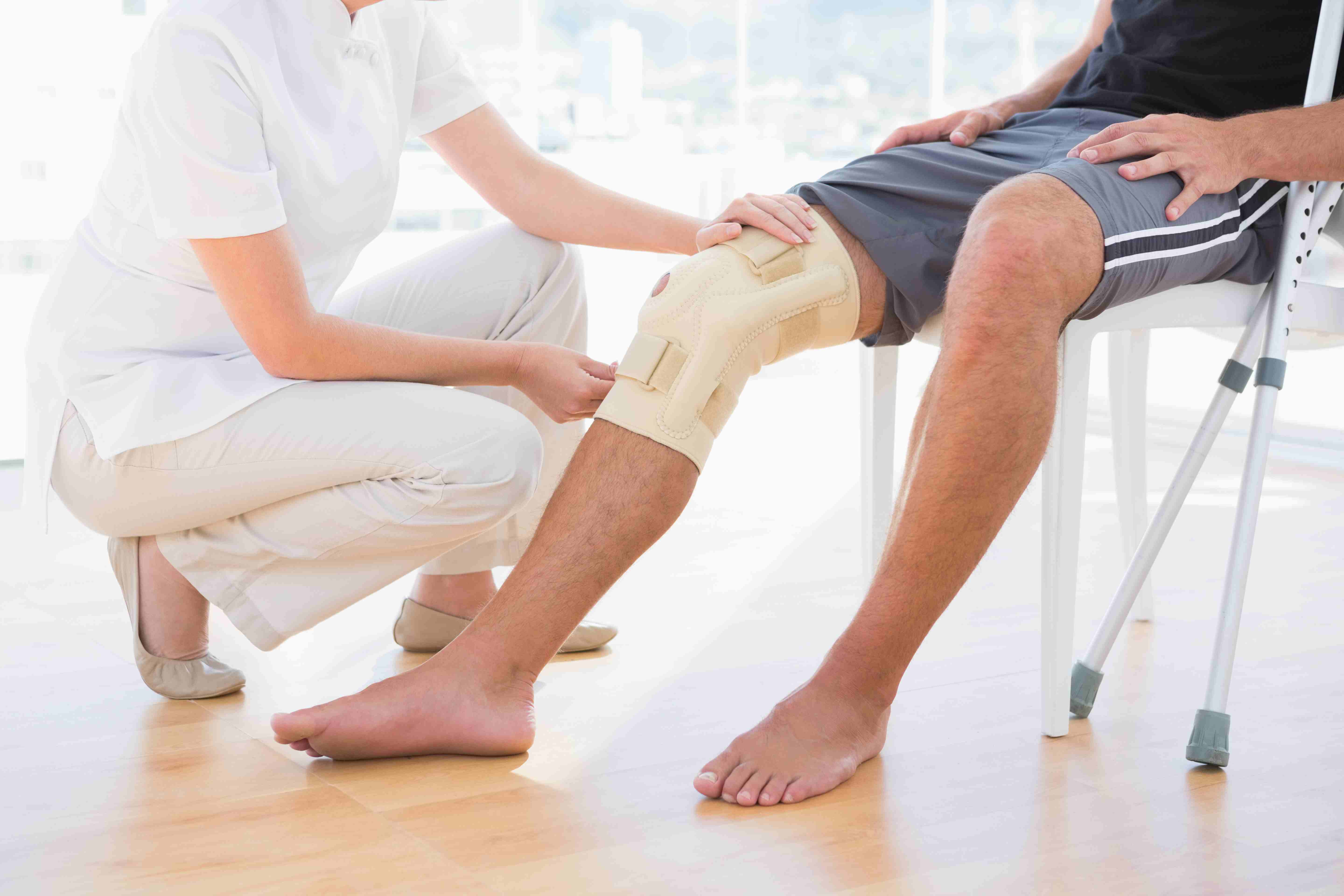
Post-operative physiotherapy is essential, not optional. Some hospitals include initial physiotherapy sessions in the package; others charge separately.
Budget for:
- In-hospital physiotherapy: Usually included in the package
- Post-discharge home physiotherapy: Rs 500-1500 per session, typically needed 3 times/week for 4-6 weeks
- Or outpatient physiotherapy at a clinic: Rs 300-800 per session
Total physiotherapy cost: Rs 10,000-30,000 over the recovery period.
Total cost summary
| Component | Cost Range (Per Knee) | |-----------|----------------------| | Implant | Rs 40,000 - 2,50,000 | | Hospital charges | Rs 50,000 - 1,50,000 | | Surgeon's fee | Rs 30,000 - 80,000 | | Anesthesia & consumables | Rs 15,000 - 35,000 | | Physiotherapy | Rs 10,000 - 30,000 | | Total | Rs 1,45,000 - 5,45,000 |
Most patients in Noida pay between Rs 2,00,000 and Rs 3,50,000 per knee for a quality surgery with a good implant at a reputable hospital.
Insurance and financial assistance
Health insurance
Most health insurance policies cover knee replacement surgery. Key things to check:
- Pre-authorization: Notify your insurance company before the surgery. Most require pre-approval.
- Waiting period: Many policies have a 2-4 year waiting period for pre-existing conditions. If your arthritis was documented before the policy started, this may apply.
- Implant sub-limits: Some policies cap the implant cost at a percentage of the overall claim. Read the fine print.
- Room category limits: If your policy covers a shared room but you choose a private room, you'll pay the difference.
- Cashless vs. reimbursement: Cashless is easier — the hospital bills the insurance directly. Not all hospitals have tie-ups with all insurers. Check before booking.
Government schemes
- Ayushman Bharat (PM-JAY): Covers knee replacement for eligible families (annual income below the threshold). The coverage is up to Rs 5 lakh per family per year. Many hospitals in Noida are empaneled.
- CGHS/ECHS: Central government and ex-servicemen health schemes cover knee replacement at empaneled hospitals.
Hospital payment plans
Some hospitals in Noida offer EMI options or tie-ups with healthcare financing companies. This can spread the cost over 6-24 months with manageable monthly payments.
Bilateral vs. single knee replacement
If both knees need replacement, you have two options:
Simultaneous bilateral (both knees in one surgery): Saves time, one anesthesia event, one hospital stay, and overall cost is lower (roughly 1.5x the single knee cost, not 2x). However, the recovery is more demanding, both knees are healing simultaneously.
Staged bilateral (one knee at a time, 6-12 weeks apart): Easier recovery per surgery. The first knee recovers while you wait for the second. Total cost is higher (two separate hospital stays, two anesthesia events).
I discuss this individually with each patient. Younger, healthier patients often do well with simultaneous replacement. Older patients or those with cardiac/diabetes concerns may be better served with staged procedures.
What to look for beyond cost
Surgeon experience: How many knee replacements does the surgeon perform annually? A surgeon doing 100+ per year will generally have better outcomes and handle complications more smoothly than one doing 10-20.
Hospital infection control: Laminar airflow operating theaters, strict sterilization protocols, and low infection rates matter more than marble lobbies. Ask about the hospital's infection rate for joint replacements, good centers report rates below 1%.
Post-operative support: Does the hospital have a structured rehabilitation program? Is there a team (physiotherapist, care coordinator, 24/7 contact) available after discharge? Good post-operative support significantly improves outcomes.
Implant transparency: Your surgeon should tell you the exact brand, model, and specifications of the implant being used. You have the right to know what's going inside your body.
Red flags to watch For
- Unusually low quotes (below Rs 1 lakh per knee) — investigate what's being compromised. The implant quality, hospital standards, or surgeon experience may be below acceptable levels.
- Pressure to choose a more expensive implant without a clear clinical reason
- No discussion of risks, alternatives, or expected outcomes before surgery
- Hospital doesn't provide an itemized cost breakdown
- No structured post-operative rehabilitation plan
When to proceed with surgery
Don't rush into knee replacement based on cost comparisons alone. The right time for surgery is when:
- Conservative treatments (medications, physiotherapy, injections, weight loss) have been genuinely tried for 3-6 months
- Pain significantly limits daily activities, walking, stairs, sleep
- X-rays confirm advanced arthritis (Grade 3-4)
- You've had an honest conversation with your surgeon about expectations, risks, and recovery
Knee replacement is one of the most successful surgeries in all of medicine. Patient satisfaction rates exceed 90%. Implants last 20-25 years with modern techniques. The cost is a significant consideration, but it's an investment in 20+ years of pain-free, active living.
Medical Disclaimer
The information provided on this website is for educational purposes only and should not be considered as medical advice. Please consult Dr. Ankur Singh or a qualified healthcare professional for personalized medical guidance.
Share this blog:
 Copy
Copy