Does Cracking Your Knuckles Cause Arthritis? The Science, the Myth, and What Actually Matters

Close-up of hands with fingers being stretched, illustrating the common habit of cracking knuckles.
If you grew up in an Indian household, you almost certainly heard some version of this: "Stop cracking your knuckles. You will get arthritis." It was said with authority. It was said repeatedly. And if you are honest, most of you kept doing it anyway.
The question is: were they right?
The short answer is no — and there is actually excellent evidence for this from a study that deserves to be better known. But the longer answer is more interesting, because while knuckle cracking does not cause arthritis, there are joint sounds that do mean something clinically. Knowing the difference is genuinely useful.
The Study That Settled It — Mostly
Dr. Donald Unger, an American physician, had a slightly eccentric approach to self-experimentation. For sixty years, he cracked the knuckles of his left hand at least twice daily. The right hand, he left alone entirely. At the end of six decades of this discipline, he examined both hands for arthritis.
The result: no arthritis in either hand. No difference between the two sides whatsoever. He published this finding in a letter to the journal Arthritis & Rheumatism in 1998 and later received an Ig Nobel Prize for it — the tongue-in-cheek award for research that makes you laugh and then think.
This is obviously a single case, not a controlled trial. But larger population studies corroborate the finding. The most comprehensive looked at 215 people and found no correlation between habitual knuckle cracking and the prevalence or severity of hand osteoarthritis. Some studies found slightly more hand swelling and reduced grip strength in very long-term habitual crackers, but nothing that approached clinically significant arthritis.
So the arthritis claim is almost certainly a myth — probably propagated by parents tired of the sound.
What Is Actually Happening When a Joint Cracks?
For years, the dominant explanation was cavitation — the formation and collapse of nitrogen gas bubbles in the synovial fluid. The theory went: negative pressure in the joint pulls dissolved gases out of solution into a bubble, and the bubble's sudden collapse creates the pop.
But a 2015 MRI study from the University of Alberta changed this understanding. The researchers filmed knuckles being cracked in real-time using MRI and found that the flash on the image — the event corresponding to the crack sound — occurred as the bubble formed, not when it collapsed.
The current best evidence suggests the sound is produced by the formation of a gas cavity in the joint fluid, not its collapse. The bubble then persists for some time before the gas redissolves — which is why you cannot crack the same knuckle again immediately. It typically takes 15 to 30 minutes for the gas to redissolve and the joint to be "crackable" again.
None of this process causes arthritis. The synovial fluid is not being damaged. The cartilage is not being worn. The ligaments are not being stretched significantly. It is essentially a pressure event in a fluid-filled space.
So Why Do People Think It Causes Arthritis?
A few reasons. First, confirmation bias: people who crack their knuckles also use their hands constantly, and hand osteoarthritis is common in the general population after 50. If you habitually crack your knuckles and then develop arthritis at 55, the two seem connected — even if the arthritis was coming regardless.
Second, the sound is viscerally unpleasant to listen to. Adults telling children to stop doing it is as much about their own discomfort as any genuine medical concern. The medical justification — arthritis — gave the instruction authority it may not have deserved.
Third, the grip strength finding from some studies is sometimes cited as evidence of joint damage. But reduced grip strength in habitual crackers is not the same as arthritis, and may simply reflect tendon and ligament adaptation to the repetitive movement rather than any pathological process.
When Joint Cracking Actually Matters
Here is the important nuance: while knuckle cracking is harmless, not all joint cracking and clicking is irrelevant.
1. The Painful Click
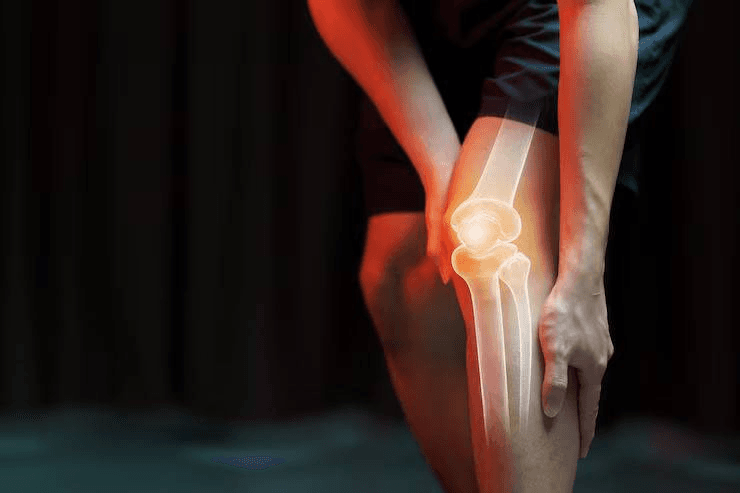
A click or pop that is accompanied by pain is a different story from a painless one. In the knee, a painful click — particularly with weight-bearing or on the stairs — can indicate a meniscal tear. The torn fragment catches in the joint mechanism as the knee bends, producing the sound and simultaneously causing pain. This is a clinical symptom that warrants evaluation.
2. The Locking Click
When a joint clicks and then temporarily cannot complete its range of motion — the knee that clunks and then feels stuck before releasing — this is a mechanical block inside the joint. It can be caused by a displaced meniscal fragment, a loose body (a piece of cartilage or bone floating in the joint), or in some cases a severe cartilage defect. It needs to be assessed.
3. The Progressive Hip Click
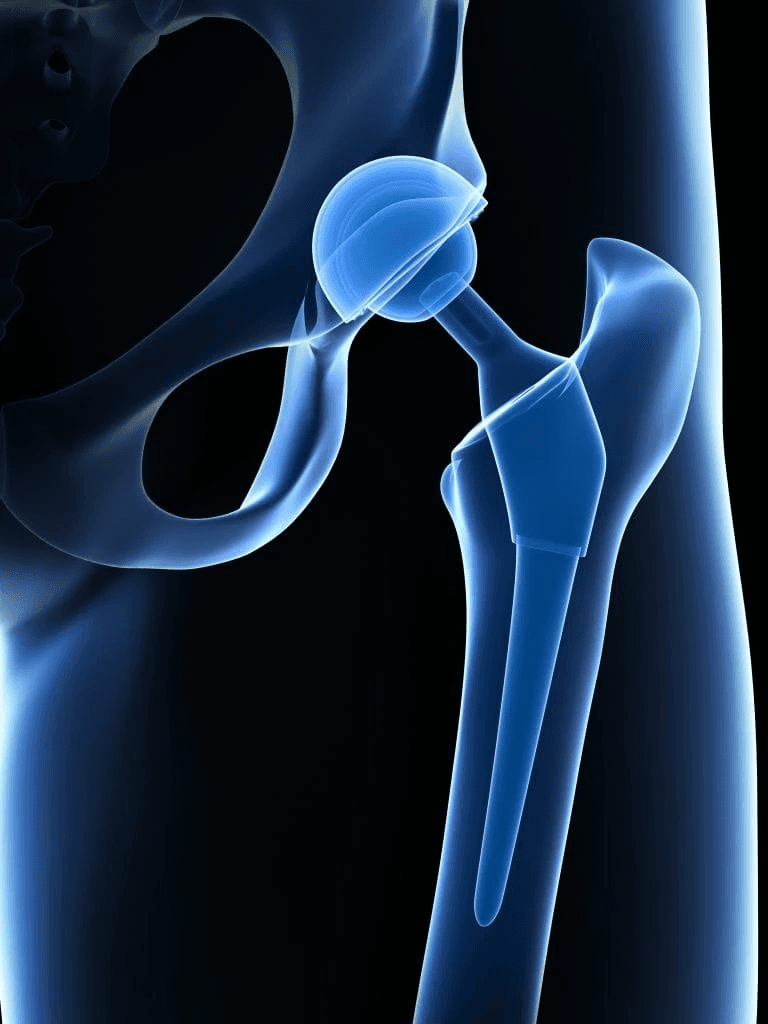
A clicking sensation deep in the hip — particularly in younger, active patients — that becomes progressively more prominent or develops into pain may indicate a labral tear or femoroacetabular impingement (FAI). This is a condition where the bone geometry of the hip creates mechanical contact during movement, wearing the labrum (the cartilage ring around the hip socket) over time. Left untreated, it can accelerate hip joint deterioration.
4. The Shoulder Clunk
A clunking or grinding sensation in the shoulder with overhead movement can indicate rotator cuff disease, particularly in adults over 45. The sensation is caused by inflamed bursal tissue being compressed in the subacromial space during arm elevation. It is often accompanied by a dull ache at the outer shoulder — which helps distinguish it from incidental crepitus.
5. The Jaw Click
A click in the jaw joint (temporomandibular joint) is not orthopaedic territory, but it is worth noting: TMJ clicking with pain, locking, or reduced mouth opening is a genuine problem that needs dental or maxillofacial attention.
The Clinical Framework: When to Seek Assessment
The question to ask about any joint sound is not simply "is it clicking?" but:
1. Is it painful? A painless click in a joint during full, free movement is almost certainly benign. Pain changes the picture.
2. Is it getting worse? A click that has been present for years without change is less concerning than one that has appeared recently or is becoming more frequent and louder.
3. Is it associated with swelling? Swelling after joint sounds indicates something is being irritated or damaged inside the joint.
4. Is it associated with instability? If a joint clicks and also feels like it could give way, that combination warrants assessment — particularly in the knee.
5. Is there a history of injury? Joint sounds that appeared after a specific injury — a twisting fall, a sporting incident, a car accident — are more likely to represent structural damage than spontaneous sounds in otherwise normal joints.
The Bottom Line for Indian Patients
Cracking your knuckles does not cause arthritis. Six decades of controlled evidence says so. You can tell the family member who has been warning you for years.
But treat painful joint clicking, locking, progressive joint sound changes, or sounds associated with swelling as clinical symptoms worth assessing — because these can represent real structural problems inside the joint that respond much better to early treatment than late.
If you have a joint that clicks and also hurts, swells, locks, or has changed recently, a consultation is the appropriate next step.
To book at Renew Orthopedic Clinic, Sector 47 Noida, call the number listed on this website.
Frequently Asked Questions
1. If cracking knuckles is harmless, why does it feel satisfying?
The pressure release from gas bubble formation appears to produce a mild sensation of relief — somewhat similar to the relief of stretching a tight muscle. The joint capsule is briefly under negative pressure before the bubble forms; releasing that pressure feels physically pleasant.
2. Can cracking your back cause damage?
Occasional back cracking from normal movements (standing up, twisting, stretching) is similarly benign to knuckle cracking. Aggressive self-manipulation of the spine — forceful twisting to produce a crack — is a different matter and is not recommended, particularly for patients with pre-existing disc disease.
3. My knee clicks every time I squat but it doesn't hurt. Should I be worried?
Painless crepitus (clicking or grinding sounds) during knee movement is common, particularly in adults over 35, and does not in itself indicate significant pathology. Monitor for changes — if pain, swelling, or locking develops alongside the sound, seek assessment.
Dr. Ankur Singh | Best Orthopedic Surgeon in Noida | Joint Health India | Orthopedic Myths | Renew Orthopedic Clinic Sector 47 Noida | KDSG Superspeciality Hospital Greater Noida
Medical Disclaimer
The information provided on this website is for educational purposes only and should not be considered as medical advice. Please consult Dr. Ankur Singh or a qualified healthcare professional for personalized medical guidance.
Share this blog:
 Copy
Copy




.jpg)
/doctor-hospital-room-with-knee-injury-compressed.jpg)