Why Weight Management Is Crucial for Healthy Knees
==================================================
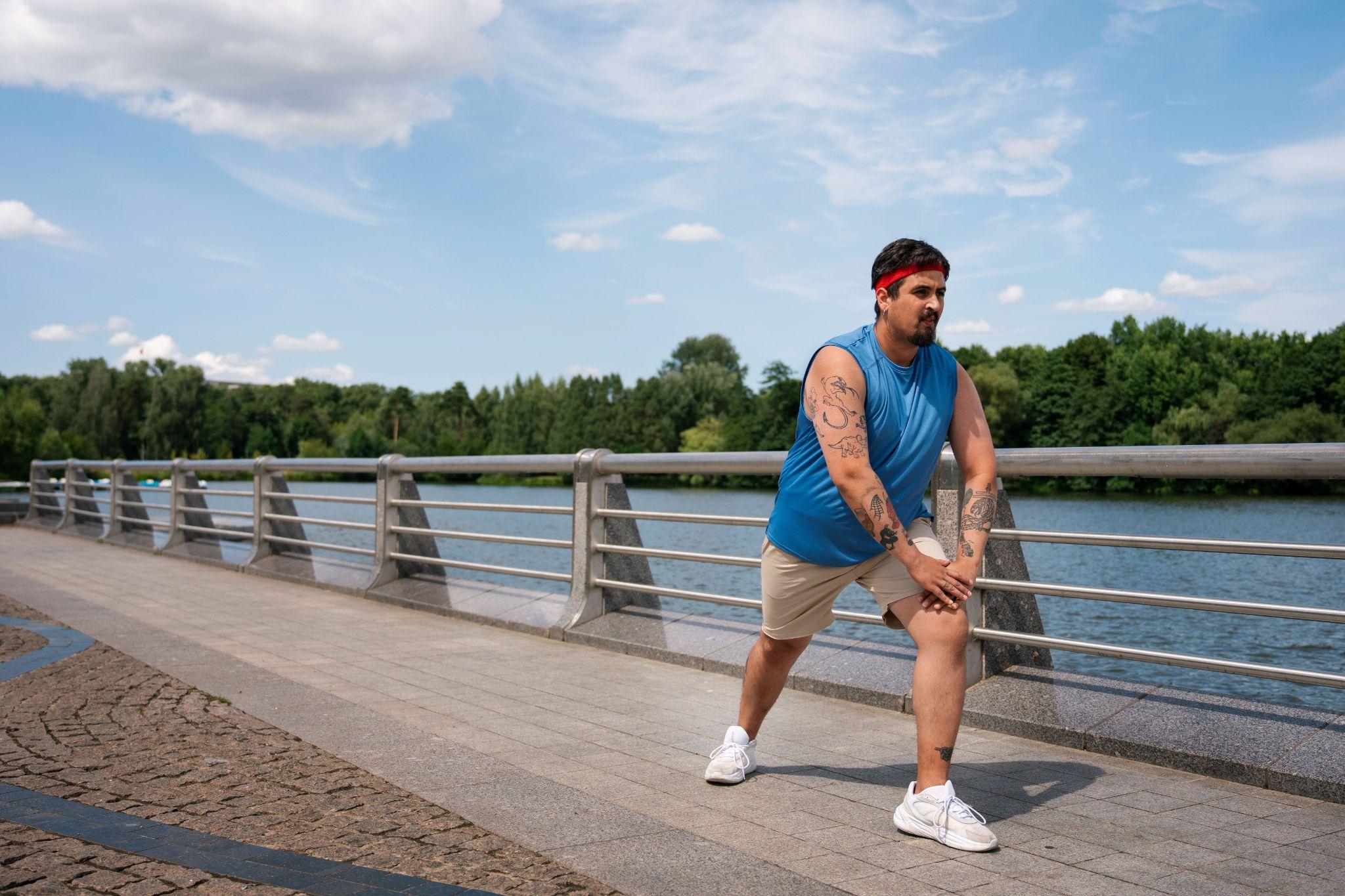
Losing just 5-10% of body weight can significantly reduce knee pain and improve walking ability in people with early arthritis.
Your knees do more work than you probably realize. Walking, climbing stairs, squatting to pick something up, standing from a chair, every one of these movements loads your knee joint with force that's several times your body weight. The knee handles this remarkably well when you're at a healthy weight. But add even a few extra kilograms, and the math changes fast.
I see this in my practice at KDSG Superspeciality Hospitals, Noida, every single week. Patients come in with knee pain, sometimes both knees — and after ruling out injury or structural problems, the conversation often turns to weight. It's not the most comfortable topic. But it's one of the most honest things I can tell a patient: losing weight is frequently the most effective treatment for knee pain, and it costs nothing.
How the Knee Joint Works
The knee is an engineering marvel, but it's also vulnerable. It consists of:
- Bones: The femur (thigh bone), tibia (shin bone), and patella (kneecap) form the joint's framework.
- Cartilage: A smooth, rubbery layer, about 3-4 mm thick, that covers the bone ends and prevents them from grinding against each other. Think of it as a biological shock absorber.
- Menisci: Two C-shaped wedges of cartilage that sit between the femur and tibia, distributing load and absorbing impact.
- Ligaments: Four major ligaments (ACL, PCL, MCL, LCL) that hold the bones in position and prevent abnormal movement.
- Synovial fluid: A natural lubricant inside the joint capsule that nourishes cartilage and reduces friction during movement.
Unlike muscles, cartilage has no blood supply. It gets its nutrients from synovial fluid through a process that depends on regular, moderate movement — compression and release, like a sponge. This is why both excessive weight and prolonged inactivity are damaging: one overloads the cartilage, the other starves it.
The knee bears nearly your full body weight just while standing still. During dynamic activities, the forces multiply dramatically, which is where weight becomes critical.
Body Weight and Knee Health: The Link
How much pressure extra weight adds to the knees
The numbers here are striking, and they've been validated repeatedly in biomechanical studies.
- Every extra 1 kg of body weight adds approximately 3-4 kg of force across your knee joint during walking.
- During stair climbing, the multiplier increases to 4-6 times body weight.
- Deep squatting or kneeling can generate forces 7-8 times your body weight across the knee.
Let me put that in practical terms. If you're carrying an extra 10 kg, your knees are absorbing an additional 30-40 kg of force with every step you take. Over the course of a day, roughly 6,000 to 8,000 steps for an average person, that's an enormous cumulative load. Over months and years, it accelerates cartilage breakdown in a way that's measurable on MRI scans.
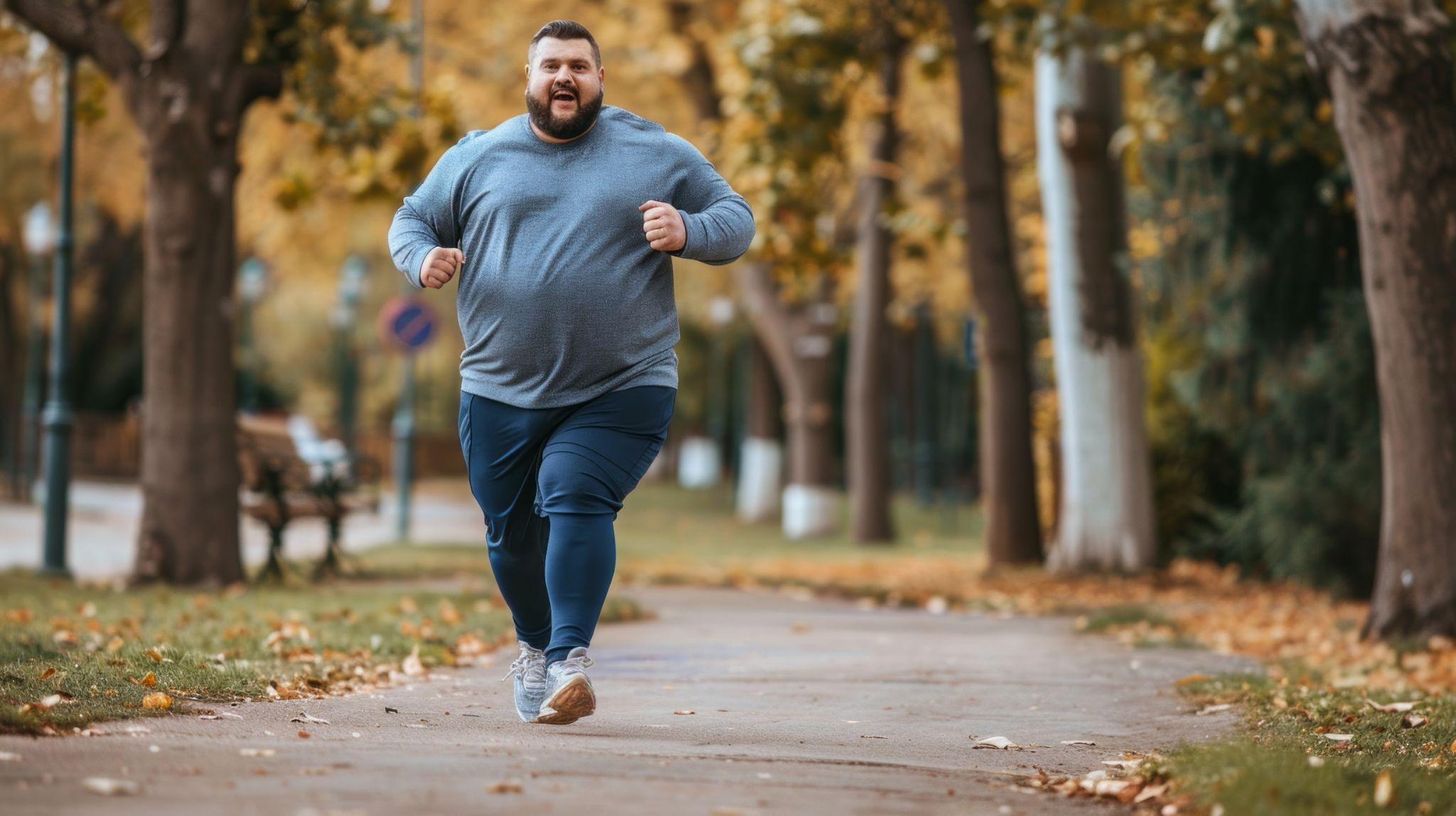
Weight management reduces the risk of knee degeneration, helping preserve the cushioning ability of the meniscus.
Weight management reduces the risk of knee degeneration, helping preserve the cushioning ability of the meniscus.
Effects on cartilage and joint cushioning
Knee cartilage works as a shock absorber, but it has a limited ability to repair itself. Extra weight places sustained mechanical stress on it, leading to:
- Faster erosion of the cartilage surface — the smooth layer becomes rough and irregular
- Reduced cushioning capacity, which means more impact is transmitted to bone
- Bone-on-bone friction in advanced cases, causing sharp pain with every step
- Chronic swelling and stiffness as the joint's protective layers thin out
Because cartilage has no direct blood supply, once significant damage occurs, it doesn't regenerate on its own. We can intervene, with injections, physiotherapy, or surgery, but preventing the damage through weight management is far preferable to treating it after the fact.
Increased risk for knee osteoarthritis
Obesity is the single largest modifiable risk factor for knee osteoarthritis. And the relationship isn't purely mechanical.
Excess body fat — particularly abdominal fat, is metabolically active tissue. It produces inflammatory chemicals called adipokines and cytokines that circulate throughout the body. These chemicals don't just stay in your belly fat; they reach your knee joints through the bloodstream and directly contribute to cartilage degradation and joint inflammation.
This means that being overweight damages knees through two mechanisms simultaneously: the mechanical overload of extra weight bearing down on the joint, and the systemic inflammation that attacks the cartilage from within.
Overweight individuals typically develop knee osteoarthritis 10-15 years earlier than people at healthy weight, and their symptoms tend to progress faster.
How Being Overweight Affects Knee Function
Reduced range of motion
Excess weight around the thighs and calves physically limits how far the knee can bend and straighten. Patients often report:
- Stiffness that's worst in the morning or after sitting for extended periods
- Difficulty bending the knee fully, can't sit cross-legged or squat comfortably
- Pain when climbing stairs or getting up from low chairs
- A feeling of heaviness in the legs after short walks
This restricted mobility creates a vicious cycle. You move less because it hurts, and moving less weakens the muscles, which makes the pain worse.
Muscle weakness around the knee
When knee pain limits your activity, the supporting muscles weaken — particularly the:
- Quadriceps, the large muscle group in the front of your thigh, which is the primary stabilizer of the kneecap
- Hamstrings, the muscles behind your thigh that control knee flexion
- Gluteal muscles — your buttock muscles that stabilize your pelvis and control how force is transmitted to the knee
- Calf muscles, which assist in shock absorption during walking

Maintaining a healthy weight improves joint alignment and stability, reducing strain on ligaments like the ACL and preventing injuries.
Maintaining a healthy weight improves joint alignment and stability, reducing strain on ligaments like the ACL and preventing injuries.
Weak muscles can't absorb shock effectively. Instead of the quadriceps and hamstrings cushioning impact during walking and stair climbing, the full force transfers directly to the joint, to cartilage, menisci, and bone. This accelerates degeneration.
I often tell patients: your muscles are your knee's first line of defense. When they're strong, they protect the joint. When they're weak, the joint takes the hit.
More inflammation within the body
As I mentioned, fat tissue isn't inert. It actively produces inflammatory chemicals. In overweight patients, I frequently see:
- Chronic low-grade inflammation that maintains joint swelling even without a specific injury
- Faster breakdown of cartilage compared to patients of similar age at healthy weight
- Higher levels of joint fluid, which sounds like a good thing but actually indicates ongoing irritation
- A higher risk of developing arthritis in non-weight-bearing joints too (like the hands), confirming the systemic inflammatory effect
This is why weight loss helps joints beyond what you'd expect from mechanical unloading alone. It actually reduces the inflammatory burden on the entire body.
Benefits to Knee Health from Maintaining a Healthy Weight
Less stress on knees
The moment you begin losing weight, the benefit to your knees is immediate and measurable. A loss of just 5 kg removes 15-20 kg of force from your knee joints with every step. Patients often notice reduced pain within the first few weeks of weight loss — before they've even reached their target weight.
Maintaining healthy weight:
- Reduces daily knee pain, often substantially
- Improves flexibility and range of motion
- Preserves existing cartilage from further wear
- Lowers the risk of developing osteoarthritis
Enhanced Mobility and Flexibility
With less weight burdening your knees, movement becomes easier and less painful. Patients who lose 10-15% of their body weight frequently report they can:
- Walk longer distances without stopping for pain
- Climb stairs without gripping the railing
- Bend their knees more fully and comfortably
- Return to exercises they'd given up, swimming, cycling, even light jogging
Better mobility also reduces fall risk, which is particularly relevant for patients over 50 with knee problems.
Lower Risk of Osteoarthritis Progression
Weight management slows cartilage damage and reduces systemic inflammation. In clinical practice, I've seen it:
- Delay the onset of osteoarthritis by years in patients with early warning signs
- Slow progression in patients already diagnosed, reducing the frequency of flare-ups
- Decrease reliance on pain medications and anti-inflammatory drugs
- Postpone or eliminate the need for knee replacement surgery in borderline cases
For patients with early-stage knee OA, I consider weight management as important as any medication or injection I can prescribe. Sometimes more so.
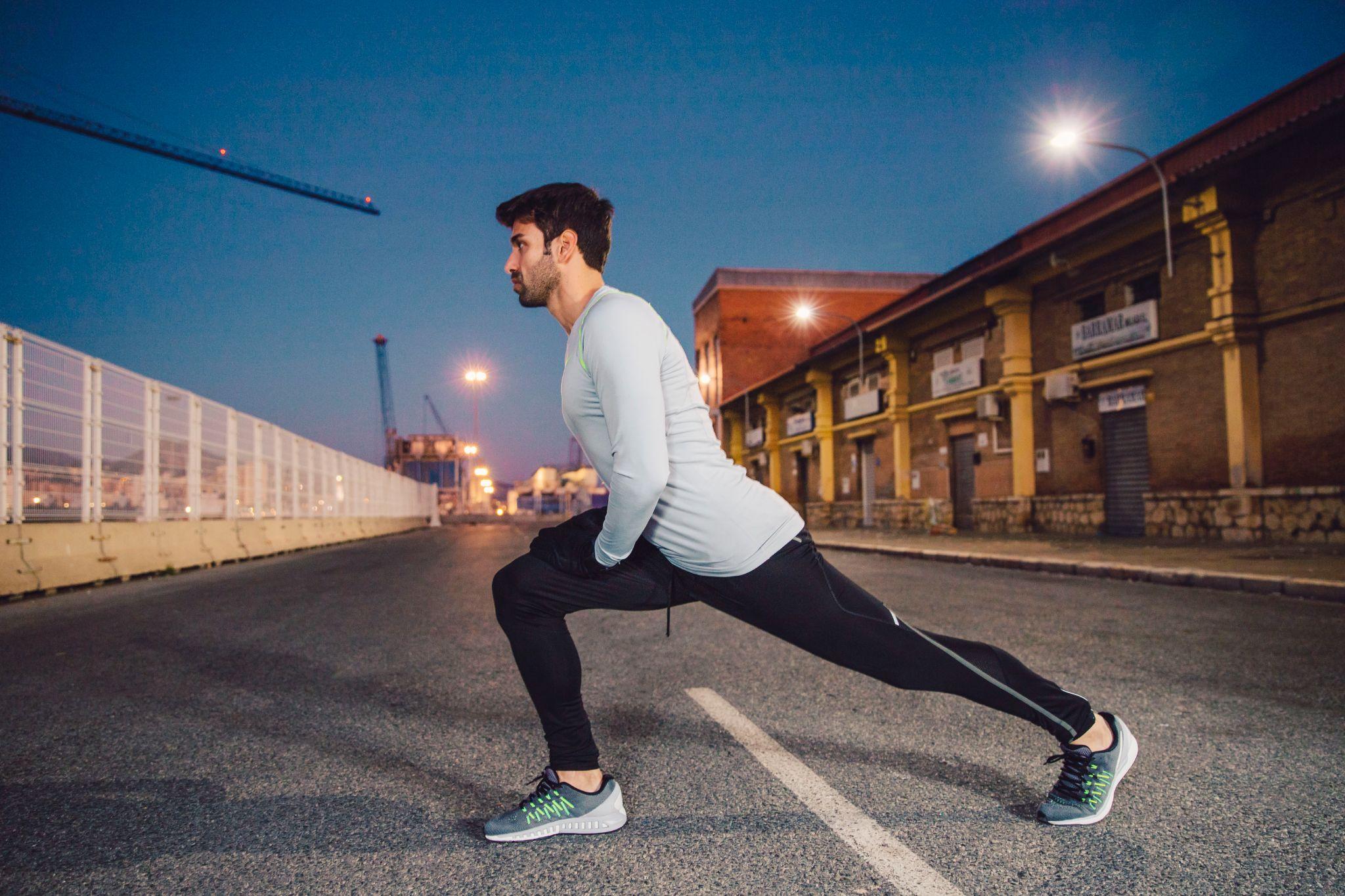
Excess weight accelerates cartilage breakdown, making the knees more vulnerable to osteoarthritis, especially after age 40.
Stronger Muscles and Better Joint Support
A healthy weight makes it easier to exercise, and regular exercise strengthens the muscles that protect your knees. It's a positive feedback loop, the opposite of the vicious cycle created by excess weight and inactivity.
Key muscles that support knee health:
- Quadriceps — strengthening these is the single most protective exercise for the knee joint
- Hamstrings, balance the forces on the front and back of the knee
- Glutes, stabilize the pelvis and control knee alignment during walking and running
- Calf muscles — assist with shock absorption at the ankle, which indirectly protects the knee
Stronger muscles mean better joint stability, more even load distribution, and less pain during daily activities.
Effective Ways to Manage Weight for Knee Health
Begin with low-Impact exercises
If your knees already hurt, the last thing you should do is start running or jumping. Low-impact exercises burn calories and strengthen muscles without pounding the joint:
- Walking, start with 15-20 minutes and gradually increase
- Swimming or water aerobics, water buoyancy reduces joint loading by up to 90%, making this ideal for patients with significant knee pain
- Stationary cycling — builds quadriceps strength with minimal knee stress
- Elliptical trainer, provides a cardiovascular workout without the impact of running
- Yoga, improves flexibility, balance, and body awareness while strengthening supporting muscles
I tell patients to start with whatever they can do comfortably and build from there. Even 15 minutes of walking three times a week is a starting point. The goal is consistency, not intensity.
Choose an anti-Inflammatory balanced diet
What you eat affects your joints directly — both through weight management and through its effect on systemic inflammation.
Include:
- Leafy green vegetables (spinach, kale, methi), rich in antioxidants
- Berries, contain anthocyanins that reduce inflammatory markers
- Turmeric (haldi) — curcumin has well-documented anti-inflammatory properties
- Nuts and seeds, provide healthy fats and vitamin E
- Whole grains (brown rice, oats, whole wheat), stabilize blood sugar and reduce inflammation
- Fatty fish like salmon, mackerel, and sardines — excellent source of omega-3 fatty acids
Reduce or avoid:
- Refined sugar and sweets, directly increase inflammatory markers
- Fried and processed foods, high in omega-6 fatty acids that promote inflammation
- Excessive white rice and maida-based products — high glycemic index contributes to weight gain
- Sugary drinks and packaged juices, significant calorie sources that offer no nutritional benefit

Every extra kilogram of body weight adds nearly 4 kg of pressure on your knee joints, increasing wear and tear during walking, climbing, and daily movements.
Strength Training to Support the Knees
Strengthening exercises build the muscular support your knees need. These can be done at home:
- Straight leg raises, lie on your back, keep one leg straight, and raise it slowly. 3 sets of 10 repetitions. Strengthens quadriceps without bending the knee.
- Wall sits — lean against a wall with knees at a comfortable angle (not past 90 degrees). Hold for 15-30 seconds. Builds quadriceps endurance.
- Glute bridges, lie on your back, knees bent, lift your hips. 3 sets of 12 repetitions. Strengthens glutes and hamstrings.
- Step-ups, use a low step (10-15 cm). Step up and down slowly. Builds functional strength for stair climbing.
- Light squats — only if you can perform them without knee pain. Keep your weight in your heels and don't let your knees travel past your toes.
If any exercise causes sharp pain in your knee, stop and consult your orthopedic doctor. Muscle soreness the next day is normal and expected. Joint pain is not.
Maintain a healthy BMI
A BMI between 18.5 and 24.9 is considered healthy, though BMI alone isn't a perfect measure, muscle mass, body composition, and individual factors matter too. Your orthopedic surgeon or physician can help you set a realistic weight target based on your age, height, current weight, activity level, and any existing joint conditions.
For most patients with knee pain and a BMI above 28, I recommend targeting a 10% body weight reduction as a first goal. That amount consistently produces measurable improvement in knee pain scores and function.
When to See a Doctor About Knee Pain
Weight management is powerful, but it's not the only piece. See an orthopedic specialist if:
- Knee pain persists despite 6-8 weeks of weight loss, exercise, and self-care
- You experience sudden knee swelling, locking, or giving way
- Knee pain wakes you up at night
- You notice a change in the shape or alignment of your knee
- Morning stiffness in your knee lasts more than 30 minutes daily
- You have difficulty bearing weight on the affected leg
An X-ray, MRI, or clinical examination can identify structural issues, cartilage loss, meniscal tears, ligament damage — that may need specific treatment beyond weight management.
Frequently Asked Questions
1. How does excess weight damage the knees?
Through two pathways. Mechanically, extra weight multiplies the force on your knee joint, every extra kilogram adds 3-4 kg of load during walking. Metabolically, excess fat tissue produces inflammatory chemicals that circulate to the joints and directly accelerate cartilage breakdown. Both effects compound over time.
2. Does weight loss actually relieve knee pain?
Yes, and the evidence is strong. Even modest weight loss, 5 kg — can reduce knee joint forces by 15-20 kg per step. Most patients report noticeable pain relief within the first month of sustained weight loss, often before reaching their target weight.
3. What exercises are safe for overweight people with knee pain?
Swimming and water aerobics are the safest starting point, water buoyancy dramatically reduces joint loading. Stationary cycling, walking on flat surfaces, and gentle yoga are also well-tolerated. Avoid high-impact activities like running, jumping, or deep squats until your weight has decreased and your muscles have strengthened.
4. How much weight do I need to lose to improve knee health?
Clinical studies consistently show that losing 5-10% of total body weight produces significant improvement in knee pain, function, and quality of life. For a person weighing 80 kg, that's 4-8 kg, achievable and sustainable with dietary changes and regular low-impact exercise.
5. Is knee damage from being overweight reversible?
Early-stage damage — mild cartilage wear, inflammation, muscle weakness, can improve substantially with weight loss, strengthening exercises, and proper management. Once cartilage is severely eroded (advanced osteoarthritis), the structural damage is largely irreversible, though symptoms can still be managed and progression slowed. This is why early intervention matters so much.
Medical Disclaimer
The information provided on this website is for educational purposes only and should not be considered as medical advice. Please consult Dr. Ankur Singh or a qualified healthcare professional for personalized medical guidance.
Share this blog:
 Copy
Copy