Knee Replacement Alternatives in India: What to Try Before Surgery — and When to Stop

A picture of a young man standing and holding his right knee with both hands as if he were in pain.
When a patient is told they need knee replacement, two things typically happen in sequence. First, relief — finally an explanation for years of pain. Then, immediately, an instinct to find an alternative. "Can I avoid this surgery? Is there something else I can try first?"
The answer is that knee replacement is a last-resort procedure — but the word "last resort" can be misleading. It does not mean "try everything until nothing works and then agree to surgery." It means: exhaust the appropriate non-surgical options, in the correct order, for the appropriate duration. When those options have genuinely been trialled and have failed to maintain acceptable quality of life, the decision for surgery becomes straightforward.
The problem is that "try everything" in Indian orthopedic practice often means repeating the same few interventions (usually NSAID prescriptions and physiotherapy without specific protocol) indefinitely, while the arthritis progresses, the deformity worsens, and the eventual surgery becomes more complex than it would have been earlier.
This guide covers every meaningful alternative to knee replacement surgery, who is genuinely suited to each, and the honest assessment of when continuing alternatives is appropriate versus when it is delaying an outcome that would be better reached sooner.
First: Understanding Which Knee Arthritis You Have
The alternatives that are appropriate depend critically on the type and extent of arthritis:
Early osteoarthritis (Grade I-II): Cartilage thinning is beginning but significant cartilage remains. Conservative management can meaningfully slow progression and maintain good quality of life. Surgery is not yet the right conversation.
Moderate osteoarthritis (Grade II-III): Significant cartilage loss but residual cartilage present in at least part of the joint. Some joint space remaining on X-ray. Conservative management can still provide adequate quality of life for many patients; certain surgical alternatives (osteotomy, partial replacement) become relevant.
Severe osteoarthritis (Grade III-IV): Extensive cartilage loss, bone-on-bone contact in at least one compartment, possibly visible deformity. Conservative management typically provides diminishing returns. Persistent delay causes muscle wasting, deformity progression, and increasing surgical complexity.
Without knowing which grade applies to your knee, it is impossible to have a rational conversation about alternatives. This is why the conversation starts with an X-ray, not with a supplement recommendation.
Alternative 1: Weight Management — The Most Powerful Non-Surgical Intervention
For every kilogram of weight lost, the compressive force on the knee joint reduces by 4 kilograms per step. A 5 kg weight loss removes 20 kilograms from every step — at 8,000 steps daily, that is 160,000 kilograms less daily cumulative load on the knee.
No injection, supplement, or physiotherapy programme achieves a comparable reduction in mechanical joint loading. Weight loss is the single most effective non-surgical intervention for knee arthritis — and it is also the most consistently avoided by patients who find other things easier.
Realistic target: Even 3 to 5 kg of weight reduction produces measurable, clinically meaningful pain relief and significantly slows radiological progression of arthritis. This is achievable in most patients through modest dietary changes.
The combination effect: Weight loss combined with quadriceps strengthening exercise is more effective than either alone. The muscle provides dynamic load protection; the weight reduction reduces the baseline load being protected against.
Alternative 2: Physiotherapy and Targeted Exercise
Generic physiotherapy without specific protocol contributes little to knee arthritis management. Specific, progressive strengthening of the muscles around the knee — particularly the quadriceps and hip abductors — contributes significantly.
Quadriceps strengthening: The quadriceps (front thigh muscles) are the primary dynamic stabilisers of the knee and the most important shock absorbers for the cartilage. Studies consistently show that quadriceps strength is inversely related to cartilage loss progression — stronger quads, slower arthritis.
Hip abductor and gluteal strengthening: The hip abductor muscles control the knee's medial (inward) stress during walking. Weak hip abductors cause a Trendelenburg gait pattern that concentrates load on the medial knee compartment — the most commonly arthritic compartment. Strengthening these muscles directly reduces medial compartment loading.
What counts as adequate physiotherapy: A structured programme performed consistently three to five times weekly for at least 12 weeks. One session weekly without home exercises is not adequate physiotherapy for knee arthritis and should not be used to conclude that "physiotherapy didn't help."
The evidence ceiling: Physiotherapy is most effective for Grade I and II arthritis. For Grade III to IV bone-on-bone disease, it provides symptom management but cannot meaningfully slow a cartilage-absent condition.
Alternative 3: Anti-Inflammatory Medications and Pain Management
NSAIDs — ibuprofen, naproxen, diclofenac, etoricoxib — reduce the inflammatory component of osteoarthritis pain and have a reasonable role in managing symptoms, particularly during flares. They are not disease-modifying — they do not slow cartilage loss or treat the underlying arthritis.
The problem in Indian practice: NSAIDs are frequently prescribed as long-term daily management without adequate assessment of arthritis grade, without concurrent non-pharmacological management, and without proper monitoring of gastrointestinal and renal side effects. Long-term daily NSAID use carries significant risks — gastric ulcers, kidney function impairment, and cardiovascular effects in at-risk patients.
The appropriate role of NSAIDs in knee arthritis is: intermittent use during symptomatic periods, combined with exercise and weight management, not as a permanent substitute for surgical decision-making.
Alternative 4: Corticosteroid Injections
Intra-articular corticosteroid (steroid) injections deliver an anti-inflammatory agent directly into the knee joint. The benefit is real — most patients achieve 4 to 8 weeks of meaningful pain reduction, sometimes longer.
The honest limitation: As detailed in the steroid injection guide, the 2017 JAMA trial demonstrated that knees receiving corticosteroid injections every 12 weeks for 2 years showed significantly greater cartilage loss than placebo-injected knees. Repeated steroid injections do not just fail to treat arthritis — they may accelerate it.
Appropriate use: Steroid injections are a bridge tool — providing a window of reduced pain that allows more productive physiotherapy, helps manage acute flares, and facilitates surgical planning conversations. Three to four per year per joint is the maximum. Using them as a long-term substitute for appropriate surgical decision-making is not in the patient's interest.
Alternative 5: Hyaluronic Acid Injections (Viscosupplementation)
Hyaluronic acid is a component of normal synovial fluid whose concentration decreases in arthritis. Hyaluronate injections (Synvisc, Ostenil, Durolane, and various Indian equivalents) attempt to restore the joint's viscosity and lubrication.
The evidence: Mixed. Individual meta-analyses reach different conclusions depending on which studies are included. The best summary: approximately 50 to 60 percent of appropriately selected patients achieve meaningful pain relief lasting 4 to 6 months. The effect is more consistent in Grade I to II arthritis than in Grade III to IV. Unlike steroids, hyaluronic acid does not carry cartilage-damaging risk with repeated use.
The Indian context: Hyaluronate injections are significantly more expensive than steroid injections and are not covered by most insurance in India. The cost-benefit calculation requires honest assessment of likely benefit for the individual patient's arthritis grade.
Alternative 6: PRP (Platelet-Rich Plasma) Injections
PRP involves concentrating the patient's own growth factors from blood and injecting them into the joint. The evidence base has grown significantly — a 2021 Cochrane review and multiple subsequent meta-analyses show meaningful pain reduction and functional improvement, particularly in Grade I to II arthritis.
Who benefits most: Younger patients with early to moderate arthritis who want to delay surgical intervention. PRP's effects typically last 6 to 12 months and can be repeated. It does not regenerate lost cartilage but reduces inflammatory pain and may slow progression.
Honest expectations: PRP is not a cure for arthritis. It is a temporising measure with a better evidence base than some alternatives and a better safety profile than repeated steroid injections. Dr. Ankur Singh offers PRP for appropriately selected patients as part of the non-surgical management pathway.
Alternative 7: Knee Bracing and Orthotics
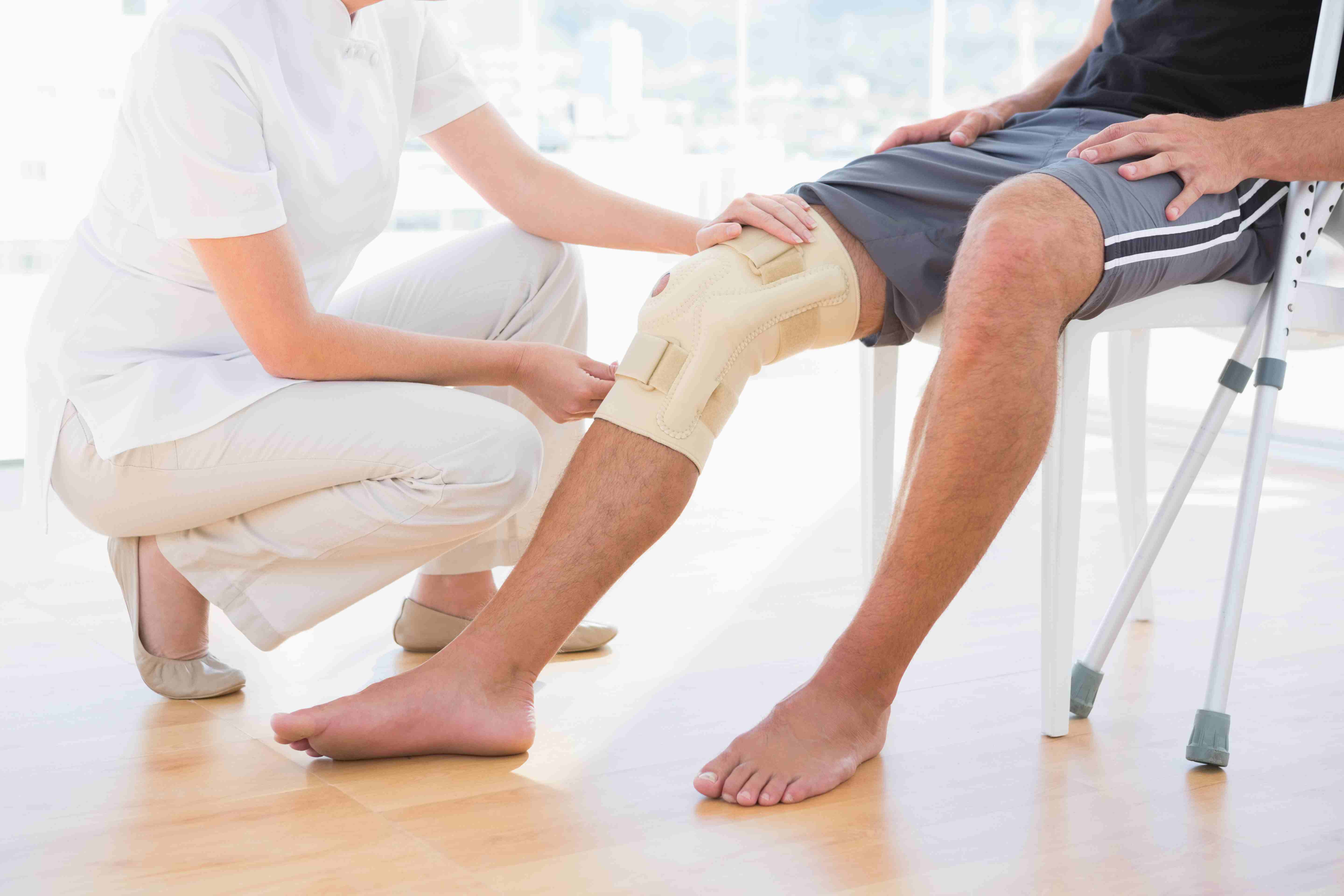
Unloader braces (valgus braces): For patients with medial compartment arthritis and varus (bow-legged) alignment, an unloader brace shifts the mechanical axis of the leg toward the less-arthritic lateral compartment, reducing pain during activity. These are not solutions — they are functional aids that allow more comfortable activity — but they have a documented role in improving quality of life while other management is pursued.
Foot orthotics: Lateral wedge insoles, placed inside the shoe, modify foot strike and reduce medial knee compartment loading for some patients with medial compartment arthritis. Evidence is modest but they are inexpensive, risk-free, and worth trialling.
Alternative 8: Knee Osteotomy — The Surgery That Is Not Replacement
High tibial osteotomy (HTO) deserves special mention because it is the least-known but most powerful non-replacement surgical alternative for the right patient.
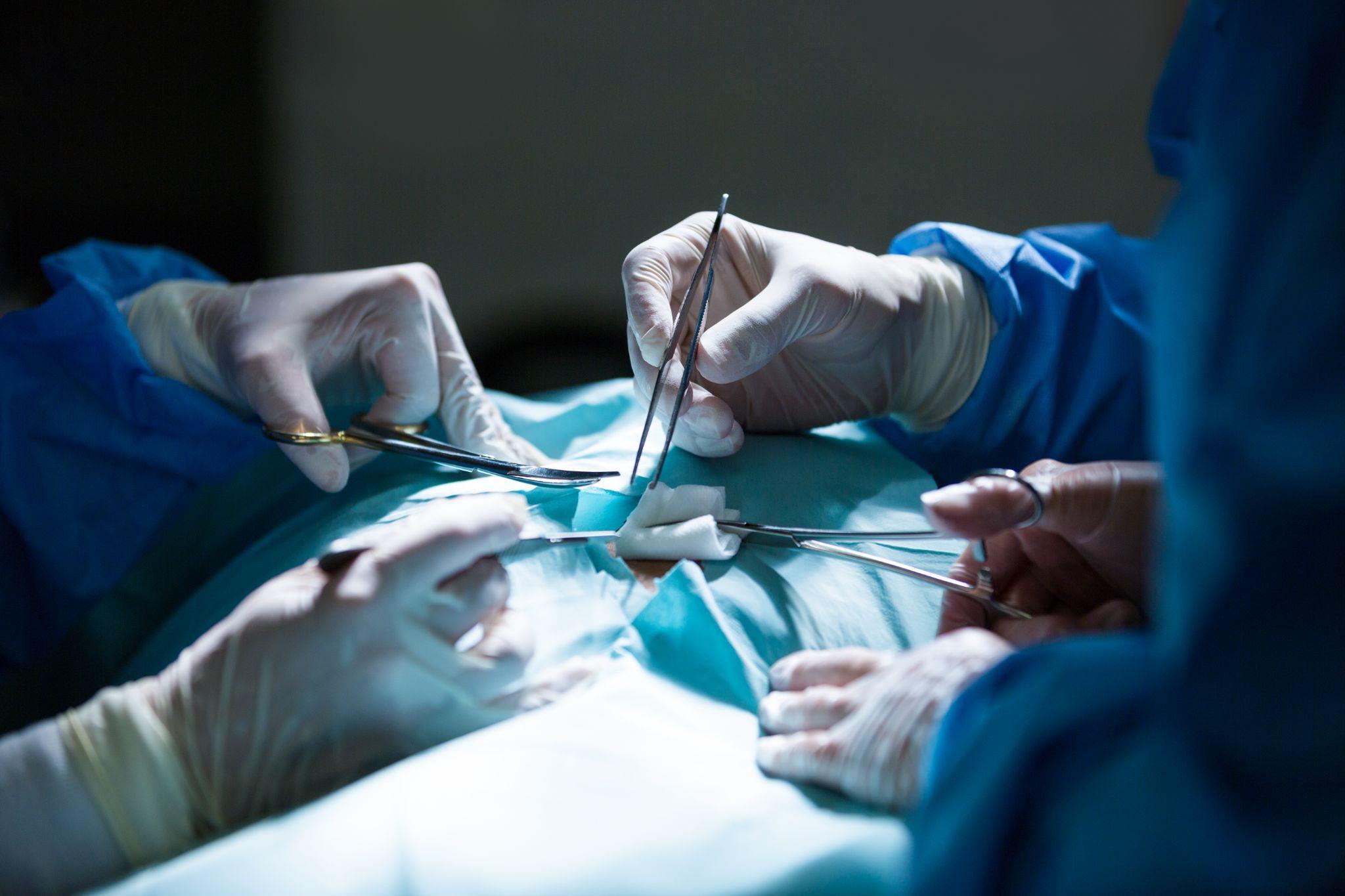
HTO involves cutting the shin bone and adjusting its angle to shift the weight-bearing axis away from the damaged medial compartment to the healthier lateral compartment. It does not replace any joint surface — it changes the mechanical load distribution.
For appropriately selected patients — typically under 60, with medial compartment arthritis, varus alignment, and still-adequate lateral compartment cartilage — HTO can provide 10 to 15 years of significantly improved function before joint replacement becomes necessary.
This is discussed in full in the knee osteotomy guide. If you are in your 40s or early 50s with medial compartment knee arthritis and have been offered knee replacement as the only surgical option, asking specifically about osteotomy candidacy is worthwhile.
Alternative 9: Partial Knee Replacement — Joint-Preserving Surgery
For patients with arthritis confined to one compartment of the knee — most commonly the medial compartment — partial (unicompartmental) knee replacement preserves the healthy parts of the joint. The cruciate ligaments are retained, only the worn compartment is replaced, and recovery is typically faster with better deep flexion outcomes than total replacement.
Partial knee replacement is not an alternative to total knee replacement for everyone with knee arthritis — it requires specific anatomy (single compartment disease, preserved ACL and other compartments). But for the right patient, it is a more conservative surgical option that preserves more native tissue.
When to Stop Trying Alternatives
The alternatives above are genuinely effective — for the right patient, at the right stage of arthritis, pursued consistently and appropriately. The point at which alternatives are no longer serving the patient well is when:
- Pain is disrupting sleep consistently
- Walking distance is significantly limited despite consistent non-surgical management for 6 to 12 months
- Quality of life is substantially impaired
- Deformity is progressing visibly
- The arthritis grade is Grade III to IV
At this point, continuing to avoid surgery is not conservative — it is delaying an outcome that would improve quality of life and potentially allowing deterioration that makes the eventual surgery more complex.
To discuss where your knee arthritis sits and which alternatives are genuinely appropriate, call the number listed on this website. Consultations at Renew Orthopedic Clinic, Sector 47 Noida.
Frequently Asked Questions
Are stem cell injections a good alternative to knee replacement?
Stem cell therapy for knee arthritis is genuinely promising for early-stage disease but is not proven to be a definitive alternative to knee replacement for advanced arthritis. The marketing far outpaces the evidence for Grade III to IV disease. The stem cell therapy guide covers this in detail.
Is Ayurvedic treatment a valid alternative for knee arthritis?
Some Ayurvedic preparations (boswellia/shallaki, ashwagandha) have some anti-inflammatory evidence in small studies. They are not disease-modifying and there are no robust studies showing they halt arthritis progression. They can complement evidence-based management but are not a substitute for it.
Can I reverse arthritis with diet changes?
Anti-inflammatory diet changes (reducing omega-6 seed oils, increasing omega-3, reducing sugar and ultra-processed foods) reduce the inflammatory component of arthritis symptoms and may slow progression modestly. They cannot regenerate lost cartilage or reverse established structural changes.
Dr. Ankur Singh | Best Knee Specialist Noida | Knee Arthritis Treatment India | Knee Replacement Alternatives | KDSG Superspeciality Hospital Greater Noida | Renew Orthopedic Clinic Sector 47 Noida
Medical Disclaimer
The information provided on this website is for educational purposes only and should not be considered as medical advice. Please consult Dr. Ankur Singh or a qualified healthcare professional for personalized medical guidance.
Share this blog:
 Copy
Copy