Importance of warm Up before physical activity

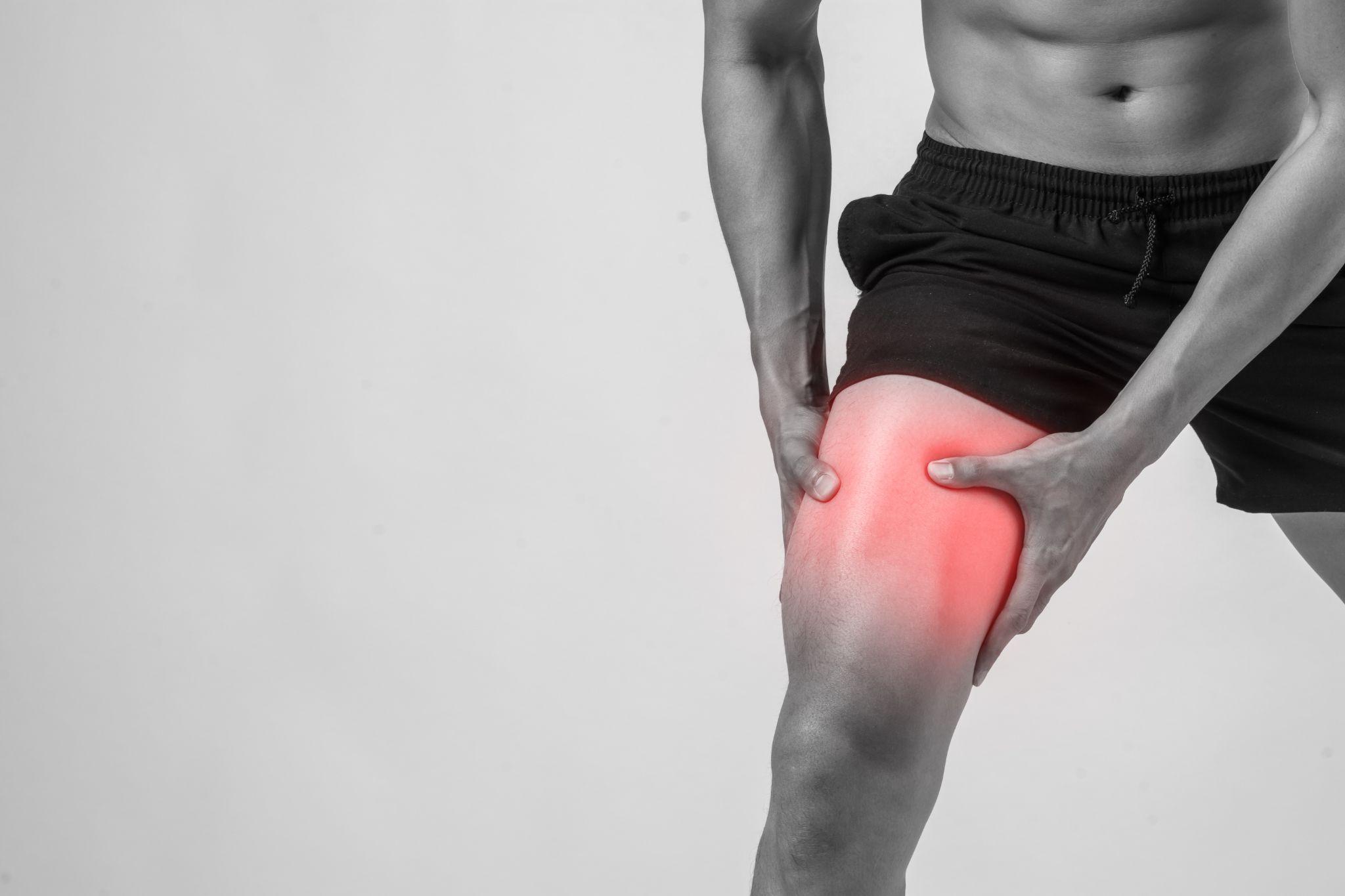
Man with possible knee pain after skipping warm up before workout
Ever jumped straight into a sprint and felt your calf seize up within 30 seconds? Or started squatting at the gym and felt a sharp pull behind your knee on the third rep? That's your body telling you it wasn't ready.
Skipping a 10-minute warm up doesn't actually save time. The muscle strain or ligament sprain you get from cold-starting intense exercise will cost you 2-6 weeks of recovery. I've done the math with patients, they lose far more training days to preventable injuries than they'd ever "save" by cutting warm ups.
At my orthopedic practice in Noida, a significant portion of sports-related injuries I treat trace back to one thing: the patient didn't warm up. Not a complex biomechanical problem. Not a genetic weakness. Just cold muscles and stiff joints thrown into high-intensity movement.
Whether it's a morning jog, a gym session, a weekend cricket match, or even a yoga class, your body needs a transition period between rest and effort.
What Is a warm Up and Why does It matter?
A warm up is 5-15 minutes of light, controlled movement done before your main workout or sport. Its purpose is physiological: gradually increase heart rate, push oxygenated blood into working muscles, lubricate joint surfaces, and prime the nervous system for quick reactions.
Here's what happens inside your body when you skip it. Your muscles are cold — literally. At rest, muscle tissue has reduced blood flow and lower temperature. Cold muscle fibers are less elastic, less responsive, and more prone to tearing under sudden force.
Without warm up:
- Muscles are tight and stiff
- Joints lack full lubrication
- Reaction time is slower
- Nerve-muscle communication is suboptimal
- Risk of injury is at its highest
Think of it like starting a car in winter. You can floor the accelerator immediately, but the engine won't respond well, and you'll cause damage. A warm up is idling the engine for a few minutes, letting oil circulate, letting components reach operating temperature.
The goal of a warm up isn't to tire you out. It's to bring your body from a resting state to a performance-ready state. If your warm up is exhausting you, you're doing too much.
How warm Up prevents knee pain and joint injuries
1. improves blood flow to muscles
During light activity, your heart rate gradually climbs from resting (60-80 bpm) toward an active range (100-120 bpm). This pushes more oxygenated blood into your leg muscles, quadriceps, hamstrings, calves, hip flexors.
Well-perfused muscles contract more efficiently, generate force more smoothly, and resist tearing better. A cold hamstring can tear at forces that a warm hamstring handles easily.
Knee pain after exercise — the dull, achy kind that shows up hours later, often results from muscles that were forced to work hard before they had adequate blood supply. The muscle fatigues early, and the knee joint absorbs forces that the muscle should have handled.
2. enhances joint lubrication
Every joint in your body contains synovial fluid, a viscous liquid that coats the cartilage surfaces and reduces friction during movement. At rest, this fluid is relatively thick and sedentary.
During warm up, gentle joint movement stimulates synovial fluid production and distributes it across the cartilage surfaces. The fluid becomes less viscous and more effective as a lubricant. This is particularly critical for the knee — a large, complex joint that bears 2-4 times your body weight during running and jumping.
Many cases of sudden knee pain I see in my Noida clinic are from patients who started running or playing badminton without preparing their knee joints. The cartilage took impact without adequate lubrication, leading to inflammation and pain that persisted for days.
3. improves flexibility and range of motion
Warm muscles stretch further before reaching their failure point. This isn't about doing the splits, it's about having enough range in your hamstrings, hip flexors, and quadriceps to absorb the forces of your activity without injury.
A runner needs about 50-60 degrees of hip extension per stride. A cold hip flexor may only allow 40 degrees, forcing compensatory movement in the lower back or knee. That's how a "running injury" turns into a knee problem or a back problem.
If you frequently feel stiff during the first 5-10 minutes of your workout, that's not just your body "being slow", that's inadequate warm up.
4. activates the nervous system
Your muscles don't fire in isolation. Every movement involves a coordinated sequence of muscle activations controlled by your nervous system. Quick changes of direction, sudden stops, reactive movements in sports — these all require sharp neuromuscular communication.
A warm up primes these neural pathways. After 5-10 minutes of controlled movement, your reaction time improves, your coordination sharpens, and your proprioception (your sense of where your body is in space) becomes more accurate.
This is why ACL tears often happen in the first 15 minutes of a football or basketball game, the athlete is mentally ready but their neuromuscular system hasn't been activated.
What happens when You skip warm up?
Skipping warm up may save 5-10 minutes. Here's what it can cost:
- Muscle strains, partial or complete tears in muscle fibers. Recovery: 2-6 weeks depending on severity
- Ligament sprains — overstretching or tearing of ligaments, especially in the knee and ankle. Mild sprains take 2-4 weeks. Severe tears (like ACL) may require surgery and 6-9 months of rehabilitation
- Meniscus tears, the shock-absorbing cartilage in the knee. Can require arthroscopic surgery
- Early fatigue, muscles that aren't warmed up tire 20-30% faster because they're metabolically inefficient
- Lower back strain — tight hamstrings and hip flexors pull on the pelvis, overloading the lumbar spine
- Ankle sprains, stiff ankle joints with poor proprioception roll more easily
Among younger athletes and adults in the 30-45 age range, I see these injuries repeatedly in my clinic. And almost every time, the conversation goes the same way: "Doctor, I didn't warm up. I was getting late, so I just started."
Prevention will always be simpler and cheaper than treatment.
Ideal warm Up exercises You should follow
An effective warm up doesn't need to be complicated or long. Five to ten minutes of the right movements is enough. The key is controlled, progressive intensity.
1. dynamic stretching
Static stretching, where you hold a position for 20-30 seconds — is better saved for after your workout as a cool-down. Before exercise, use dynamic stretches that involve movement:
- Leg swings, forward-backward and side-to-side. 10 each direction per leg. Loosens hip flexors and hamstrings
- Arm circles, small to large. 10 forward, 10 backward. Warms up the shoulder joint
- Hip rotations — standing on one leg, rotate the other knee in circles. 10 each direction. Lubricates the hip socket
- Walking lunges, 10 per leg. Activates glutes, quads, and hip flexors simultaneously
- Gentle squats, 10 reps with bodyweight. Warms up knees, hips, and ankles together
Dynamic stretches prepare muscles and joints more effectively than static stretching before activity because they combine movement with activation.
2. light cardio (3-5 minutes)
After your dynamic stretches, raise your heart rate gradually:
- Brisk walking
- Slow jogging
- Cycling at low resistance
- Light skipping or spot marching
You should feel your breathing elevate slightly and a mild warmth spreading through your muscles. You shouldn't be panting or sweating heavily — that's too intense for a warm up.
3. sport-Specific movements
If you're about to play a particular sport, include movements that mimic the actions you'll perform:
- Before cricket: light throwing, easy batting swings, lateral shuffles
- Before football: light jogging with directional changes, gentle kicks
- Before badminton: easy rallying, footwork drills at half speed
- Before gym workout: one set of each exercise with very light weight or just bodyweight
This bridges the gap between general warm up and the specific demands of your activity.

Woman performing warm up exercise on treadmill before workout
Warm Up for different Age groups
For young athletes (Teens and 20s)
Teenagers and young adults often feel invincible. They skip warm ups because they "feel fine" without them, until they don't. Intense sports like football, badminton, basketball, and heavy gym workouts put enormous stress on knee ligaments and muscle-tendon junctions.
ACL tears are devastatingly common in 16-25 year olds who play cutting and pivoting sports without warming up. An ACL reconstruction means surgery, 6-9 months of rehabilitation, and a permanent change in how the knee feels during sport. All preventable with a 10-minute warm up.
Young muscles may recover faster, but young ligaments don't regenerate. Once torn, they stay torn unless surgically repaired.
For adults between 30-50
With each passing decade, muscles lose elasticity and joints lose their cushioning cartilage. What you could get away with at 20 will hurt you at 40. After 30, skipping warm up reliably triggers back pain, knee stiffness, and muscle pulls.
For this age group, I recommend extending warm up to 10-12 minutes and placing extra emphasis on:
- Hip and ankle mobility (these joints stiffen first with age)
- Gentle joint rotations for the knees
- Light cardio to compensate for slower cardiovascular response
For people with existing knee pain
If you already have mild knee discomfort, from early arthritis, a previous injury, or overuse — warm up becomes absolutely non-negotiable. Warming up increases blood circulation to the tissues around the knee and reduces the stiffness in the quadriceps, hamstrings, and calf muscles that support the joint.
Start with ankle pumps and gentle knee bends while seated. Progress to standing exercises only after the joint feels less stiff. If pain increases during warm up rather than decreasing, stop and consult an orthopedic specialist before continuing your exercise routine.
Warm Up vs stretching: Are they the same?
No. They serve different purposes.
Warm up raises body temperature, increases blood flow, lubricates joints, and activates the nervous system. It prepares your body for work.
Stretching increases flexibility by lengthening muscle fibers. It helps maintain range of motion over time.
Static stretching (holding a stretch for 20-30 seconds) before exercise can actually reduce muscle power output by 5-8% temporarily. Several studies have shown this. Save static stretches for your cool down, when muscles are warm and pliable.
Before exercise, dynamic stretching (stretching through movement) is far more effective because it combines flexibility work with the warming effect of movement.
Common mistakes during warm Up
Even people who do warm up sometimes get it wrong:
- Rushing through it, a 60-second jog isn't a warm up. Your muscles need at least 5 minutes to reach operating temperature
- Jumping into high-intensity drills, warm up should start easy and build gradually. Sprints and box jumps are not warm-up activities
- Only warming up the upper body — most injuries happen in the lower body (knees, ankles, hamstrings). Don't neglect leg preparation
- Ignoring knee preparation specifically, the knee is the most commonly injured joint in sports. Bodyweight squats, leg swings, and gentle knee rotations should be standard
- Skipping warm up for short workouts, even a 20-minute workout needs a 5-minute warm up. Injury risk doesn't decrease because your workout is short
Signs your warm Up Is effective
You've warmed up properly when:
- Your skin feels slightly warm to the touch
- Your breathing is mildly elevated (but you can still hold a conversation easily)
- Movements feel smoother and more fluid than when you started
- Joint stiffness has reduced noticeably
- You feel mentally focused and ready to push harder
If your warm up leaves you breathing hard, sweating heavily, or feeling fatigued, you've overdone it. Scale back the intensity. The warm up should bring you to the starting line — not drain you before the race begins.
Why warm Up matters more in cold weather
Patients in Noida experience significant temperature swings between seasons. During November through February, morning temperatures can drop to 3-8°C. Cold ambient temperatures mean your muscles start at a lower baseline temperature and take longer to warm up.
In winter:
- Extend your warm up by 3-5 minutes
- Start indoors if possible (a few minutes of marching in place or stair climbing)
- Wear layers that you can remove as your body heats up
- Pay extra attention to ankle and knee mobility, these joints stiffen most in cold weather
I see a consistent spike in sports injuries during winter months, and cold-weather exercise without adequate warm up is a major contributor.
When to See a doctor
If you're experiencing any of the following, don't dismiss it as normal post-exercise soreness:
- Persistent knee pain that lasts more than 48 hours after exercise
- Swelling in the knee or ankle that doesn't resolve with rest and ice
- A clicking, catching, or locking sensation in the knee during movement
- Instability, the feeling that your knee might "give way" while walking or climbing stairs
- Sharp pain during specific movements (twisting, squatting, going downstairs)
These symptoms suggest structural damage — cartilage tears, ligament injuries, or early arthritis, that warm up alone can't fix. Early diagnosis prevents a minor problem from becoming a major one.
At my clinic in Noida, I emphasize preventive care. Most sports injuries I treat could have been avoided with three things: proper warm up, correct exercise technique, and gradual progression in training intensity.

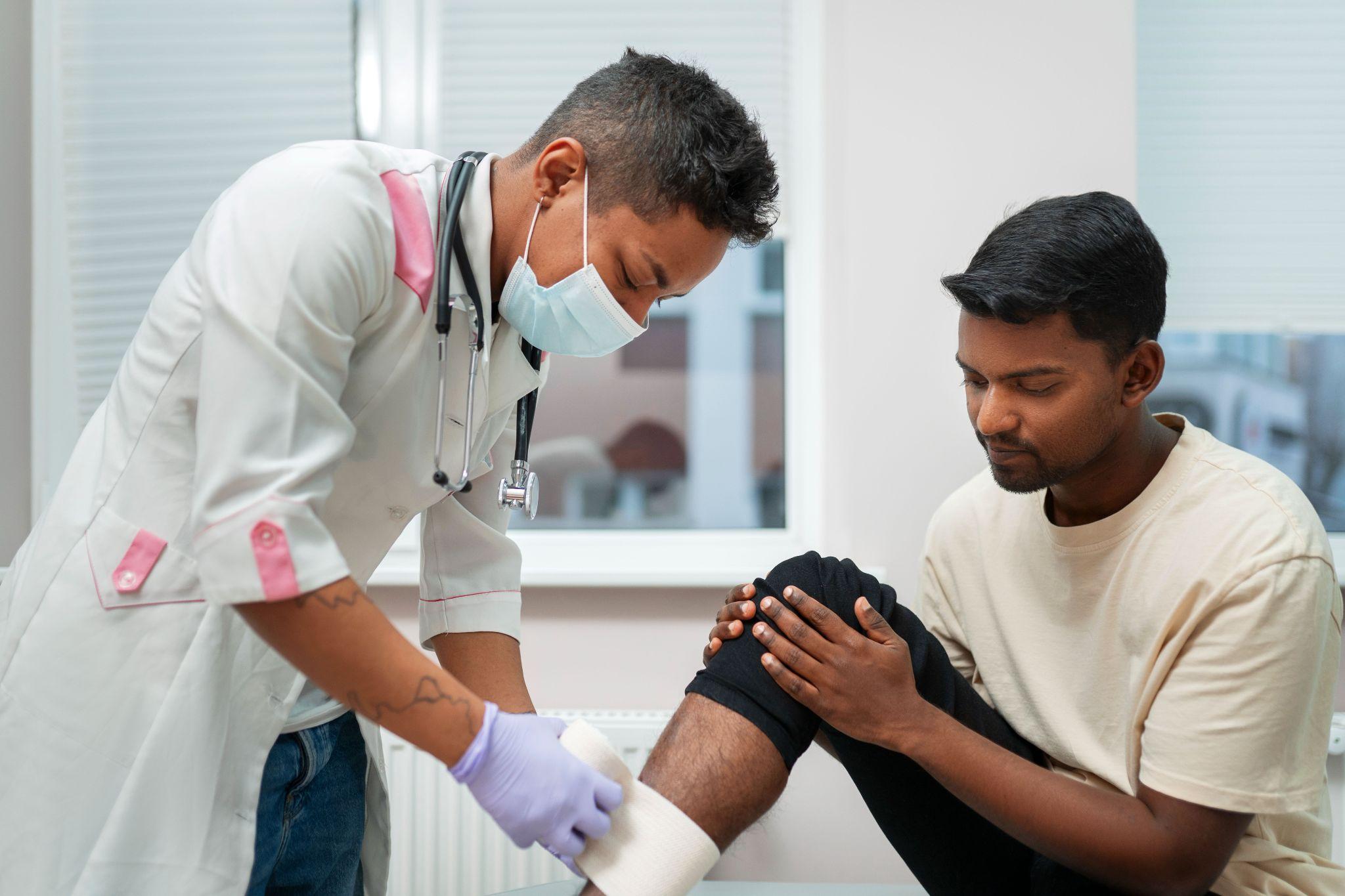
Orthopedic consultation for knee pain and sports injury treatment
Final takeaway
A 5-10 minute warm up before exercise is not wasted time. It's the cheapest, simplest injury prevention tool available to you. It costs nothing, requires no equipment, and takes less time than scrolling through your phone in the locker room.
A consistent warm up routine can:
- Prevent knee pain and joint injuries
- Reduce muscle strains and tears
- Improve athletic performance by 10-15%
- Maintain flexibility and joint health long-term
- Extend your active years by decades
Your joints deserve preparation, not punishment.
If you're dealing with recurring joint discomfort, knee pain from sports, or injuries from intense workouts, consult with Dr. Ankur Singh at KDSG Superspeciality Hospitals in Noida for expert orthopedic evaluation and a personalized treatment plan.
Medical Disclaimer
The information provided on this website is for educational purposes only and should not be considered as medical advice. Please consult Dr. Ankur Singh or a qualified healthcare professional for personalized medical guidance.
Share this blog:
 Copy
Copy