Bone Tenderness Causes: What It Means for Your Bone Health

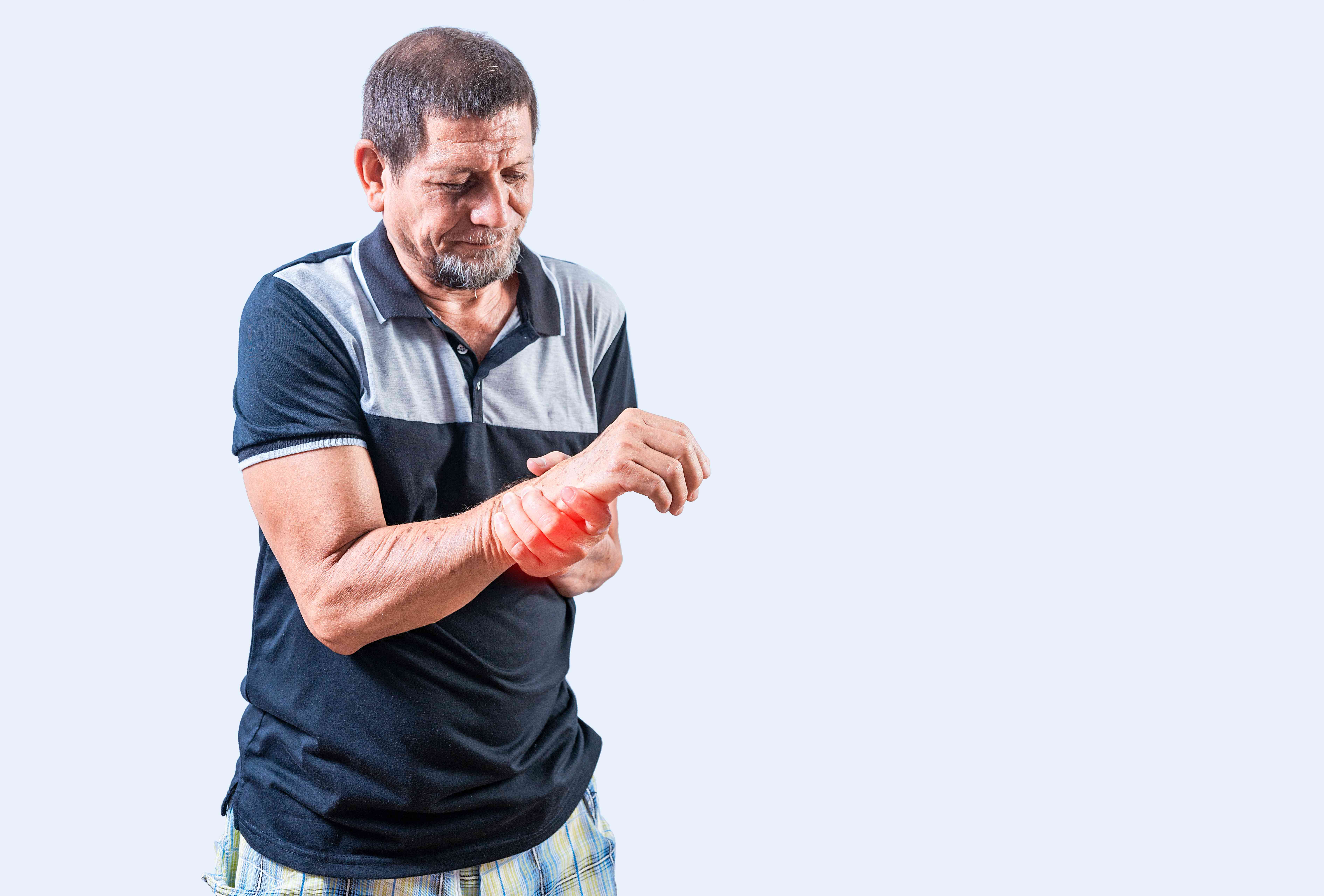
Woman experiencing bone tenderness and arm pain.
Bone tenderness is something many people ignore at first. It may feel like soreness, discomfort, or pain when pressure is applied to a specific area of the body. Sometimes it happens after an injury, but in other cases, it can point toward deeper bone or joint problems that should not be overlooked.
Unlike muscle pain, bone tenderness usually feels deeper and more focused in one area. It may occur in the arms, legs, ribs, spine, or joints, and the discomfort can worsen during movement or while touching the affected region. While minor tenderness may improve with rest, persistent pain can indicate conditions like fractures, infections, arthritis, vitamin deficiencies, or bone-related disorders.
Understanding the cause of bone tenderness is important because early diagnosis often prevents further complications. Whether it develops suddenly after trauma or slowly over time, proper orthopedic evaluation helps identify the underlying issue and guides the right treatment plan.
In this guide, let’s understand the common causes of bone tenderness, symptoms to watch for, treatment options, and when it is important to consult an orthopedic specialist like Dr. Ankur Singh in Noida.
What Is Bone Tenderness?
Bone tenderness refers to pain or discomfort felt directly over a bone when pressure is applied. It usually indicates irritation, inflammation, injury, or weakness within the bone structure itself.
Unlike general body aches or muscle soreness, bone tenderness tends to feel localized and sharper. It may happen due to trauma, stress injuries, infections, or medical conditions affecting bone health.
The tenderness can range from mild discomfort to severe pain that interferes with walking, lifting, or daily activities. In some cases, swelling, redness, or limited movement may also be present.
Common Causes Of Bone Tenderness
Bone tenderness can develop from several orthopedic and medical conditions. Identifying the exact cause helps doctors provide the right treatment and prevent worsening complications.
1. Fractures And Bone Injuries
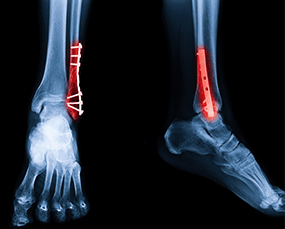
One of the most common reasons for bone tenderness is a fracture or crack in the bone. Even small stress fractures can cause sharp pain and tenderness in a specific spot.
The affected area may also show:
- Swelling
- Bruising
- Difficulty moving
- Pain while putting pressure on the bone
2. Bone Bruises
A direct hit or fall can damage the inner bone tissue without causing a complete fracture. Bone bruises often lead to tenderness, swelling, and deep aching pain.
These injuries are common in:
- Sports accidents
- Falls
- Road traffic injuries
3. Osteoporosis
Osteoporosis weakens the bones and makes them fragile. As bone density decreases, even small movements or minor injuries may lead to tenderness or fractures.
This condition is more common in:
- Older adults
- Postmenopausal women
- People with calcium or vitamin D deficiency
4. Arthritis And Joint Inflammation
Conditions like osteoarthritis or rheumatoid arthritis may cause tenderness near the joints and surrounding bones.
Symptoms may include:
- Joint stiffness
- Swelling
- Pain during movement
- Reduced flexibility
5. Bone Infections (Osteomyelitis)
Bone infections can cause severe tenderness along with redness, swelling, warmth, and fever. These infections usually require immediate medical attention to prevent permanent damage.
6. Vitamin Deficiencies
Low levels of vitamin D or calcium can weaken bones and cause soreness or tenderness throughout the body.
Deficiency-related tenderness may come with:
- Muscle weakness
- Fatigue
- Frequent cramps
- Increased risk of fractures
7. Bone Cancer Or Tumors
Though less common, persistent bone tenderness can sometimes be linked to tumors or bone cancer. Pain that worsens at night or does not improve with rest should always be evaluated by a specialist.
Symptoms Associated With Bone Tenderness
Bone tenderness may appear along with several other symptoms depending on the underlying condition.
Common symptoms include:
- Swelling around the affected area
- Deep aching pain
- Redness or warmth
- Difficulty walking or moving
- Stiffness in joints
- Pain while touching the bone
- Weakness in the affected limb
- Bruising after injury
Persistent symptoms should never be ignored, especially if the pain keeps increasing over time.
Areas Where Bone Tenderness Commonly Occurs
Bone tenderness can affect different parts of the body depending on the cause.
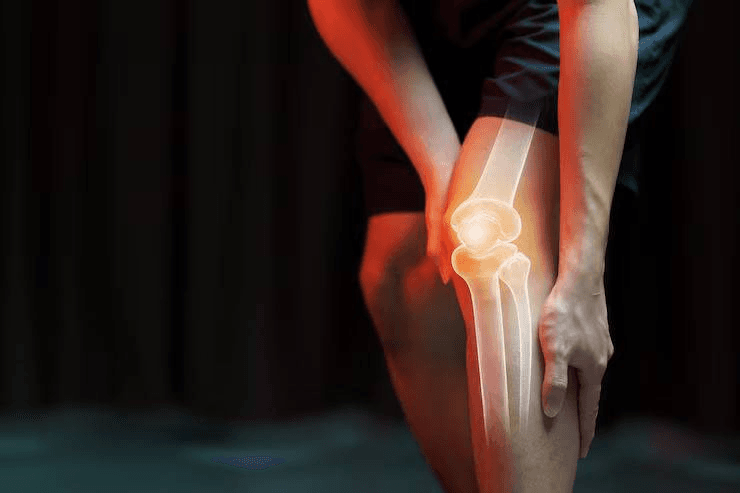
- Leg Bones: Pain in the shin, knee, or thigh bones may result from stress fractures, injuries, or osteoporosis.
- Arm and Wrist Bones: Tenderness in the arms or wrists often occurs after falls, sports injuries, or repetitive strain.
- Spine and Back: Spinal tenderness may indicate vertebral fractures, arthritis, or posture-related stress.
- Rib Cage: Rib tenderness can develop after trauma, coughing excessively, or due to inflammation around the chest wall.
How Bone Tenderness Is Diagnosed
An orthopedic specialist carefully evaluates symptoms, movement, and medical history before identifying the cause of bone tenderness.
Diagnosis may include:
- Physical examination
- X-rays
- MRI or CT scans
- Bone density tests
- Blood tests for infections or deficiencies
Early diagnosis helps prevent long-term bone damage and supports faster recovery.
To ensure proper diagnosis and effective treatment, patients can consult Dr. Ankur Singh in Noida for expert orthopedic evaluation and personalized care.
Treatment Options For Bone Tenderness
Treatment depends on the underlying reason behind the tenderness. Some cases improve with rest, while others require medications or orthopedic procedures.
1. Rest And Activity Modification
Reducing stress on the affected area allows the bone to heal naturally and prevents further damage.
2. Medications
Doctors may prescribe:
- Pain relief medications
- Anti-inflammatory drugs
- Calcium and vitamin supplements
3. Physiotherapy
Physiotherapy helps improve mobility, strengthen muscles, and reduce pressure on weak or injured bones.
4. Bracing Or Support
In some cases, braces or supportive devices help stabilize the affected region and reduce pain during movement.
5. Surgical Treatment
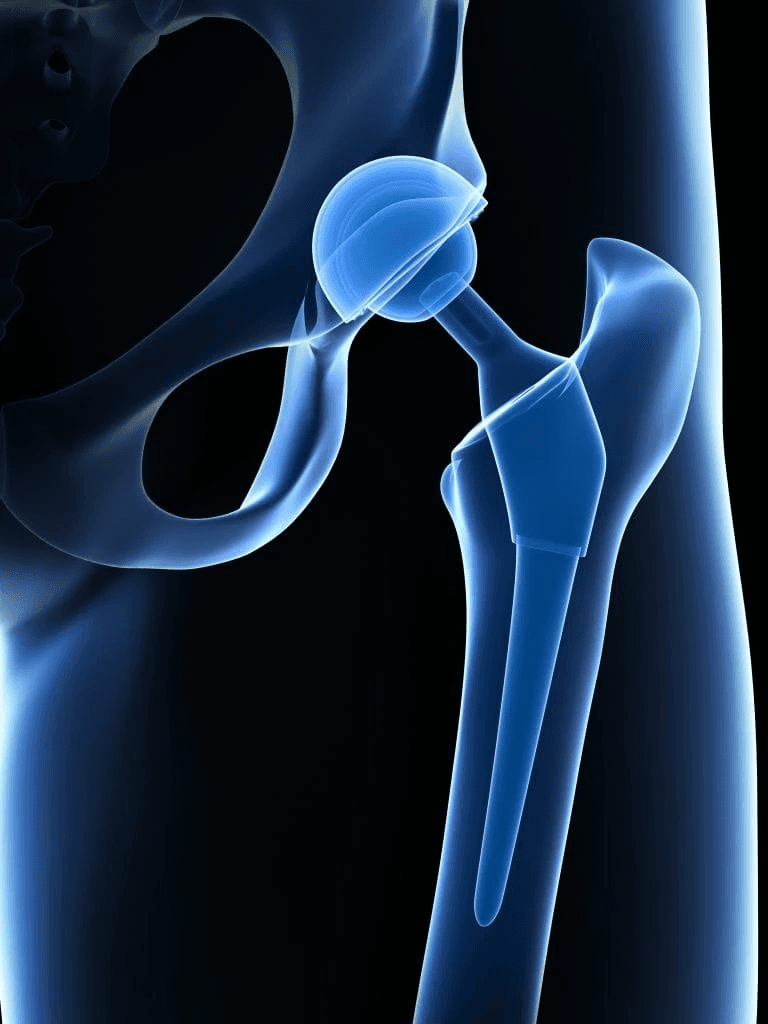
Severe fractures, infections, or advanced bone conditions may require surgical intervention for proper healing.
When To See An Orthopedic Specialist
Bone tenderness should not be ignored if it:
- Lasts more than a few days
- Worsens with movement
- Causes swelling or redness
- Makes walking difficult
- Occurs after an injury
- Is associated with fever or weakness
Early consultation helps prevent complications and improves treatment outcomes.
Tips To Maintain Healthy Bones
Keeping bones strong reduces the risk of tenderness, fractures, and orthopedic problems.
- Eat Calcium-Rich Foods: Include dairy products, leafy greens, nuts, and calcium-rich foods in the diet.
- Get Enough Vitamin D: Sunlight exposure and proper nutrition support healthy bone strength.
- Stay Physically Active: Regular exercise improves bone density and keeps joints flexible.
- Avoid Smoking and Excess Alcohol: These habits weaken bones over time and increase fracture risk.
- Maintain Good Posture: Proper posture reduces stress on the spine and joints.
Final Thoughts
Bone tenderness is more than just temporary discomfort. It can signal injuries, infections, inflammation, or underlying bone weakness that requires proper attention. Ignoring persistent tenderness may allow the condition to worsen and affect daily movement and overall quality of life.
Early diagnosis and timely orthopedic care play a major role in protecting bone health and preventing long-term complications. With the right treatment approach, most causes of bone tenderness can be managed effectively.
Dr. Ankur Singh in Noida provides comprehensive orthopedic evaluation and treatment for bone pain, fractures, joint conditions, and mobility-related concerns. With personalized care and advanced treatment methods, patients receive the support they need to recover safely, regain strength, and return to daily activities comfortably.
Medical Disclaimer
The information provided on this website is for educational purposes only and should not be considered as medical advice. Please consult Dr. Ankur Singh or a qualified healthcare professional for personalized medical guidance.
Share this blog:
 Copy
Copy


/male-bandaged-hand-holds-xray-image-closeup-compressed.jpg)
.jpg)