How to Avoid Stiffness in the Joints During Long Travel?
Long road trips and flights leave many people with that familiar achy, stiff feeling once they finally stand up. Sitting in one position for hours restricts motion and slows blood flow, which reduces the natural lubrication that keeps your joints moving smoothly. The good news is that joint stiffness during travel is largely preventable with a few simple habits. This article explains why stiffness happens and shares practical ways to stay comfortable and mobile on long journeys.
Why Joints Get Stiff During Long Travel
The longer you stay in one position, the more your body's natural joint lubrication system slows down. Movement helps circulate synovial fluid throughout the joints, keeping cartilage healthy and reducing friction. Without motion, this fluid thickens, which makes your joints feel stiff.
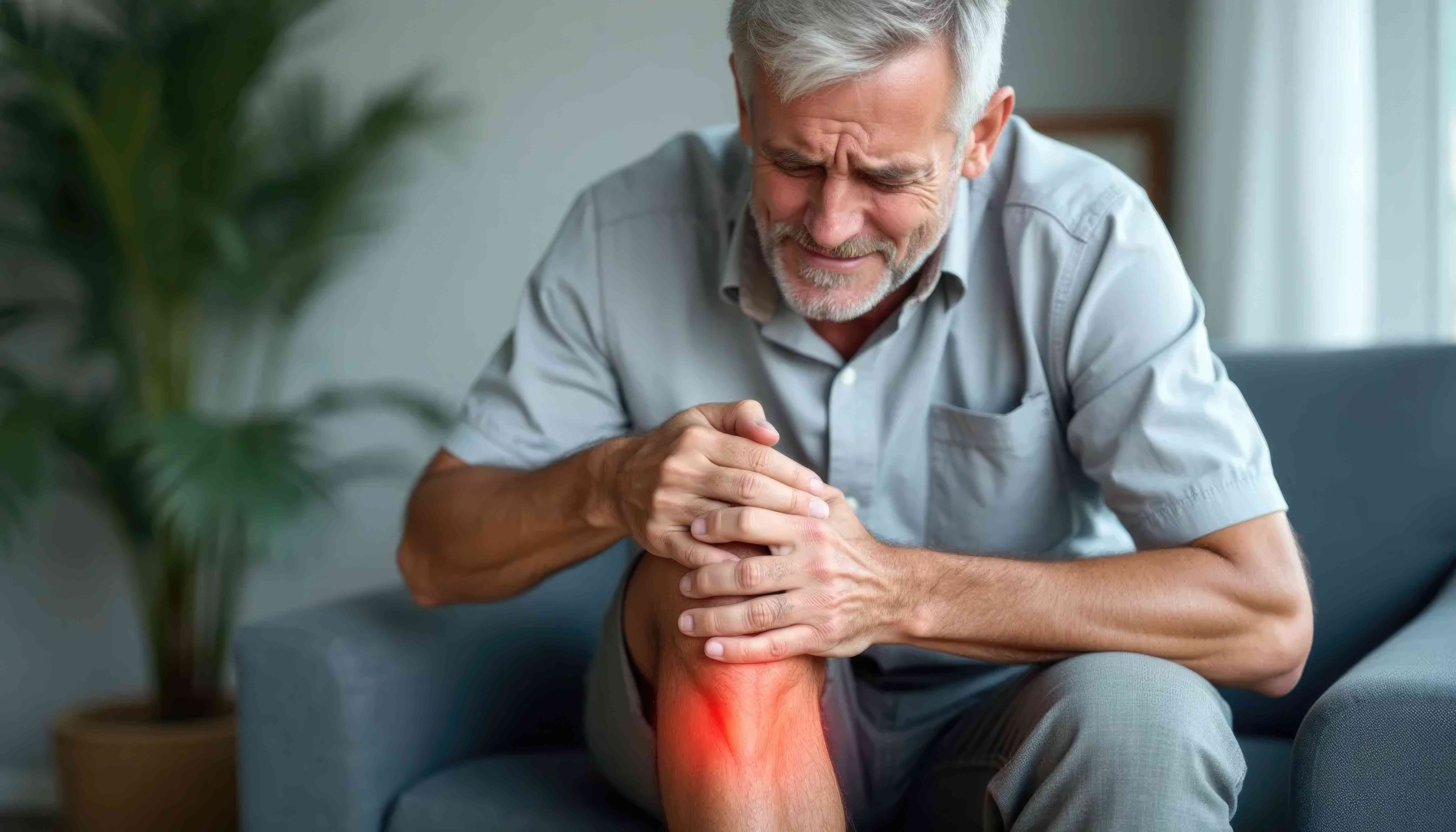
Long periods of immobility also reduce blood circulation in the muscles and connective tissues, leading to stiffness and swelling. The areas most commonly affected are the hips, knees, lower back, shoulders, and neck. Over time, travel can become exhausting and may even worsen pre-existing joint problems such as arthritis.
Risk Factors That Increase Travel Stiffness
Several factors tend to make stiffness worse during travel:
- Age: The elasticity and fluidity of joints decrease as you get older.
- Arthritis: Inflammation increases the sensitivity of joints to immobility.
- Dehydration: When fluid levels are low, there is less lubrication between the joints.
- Poor posture: Slouching or standing incorrectly puts extra stress on the spine and knees.
Pre-Travel Preparation
A little preparation before you leave can make a big difference in how your joints feel during and after the trip.
Stretch Before You Start
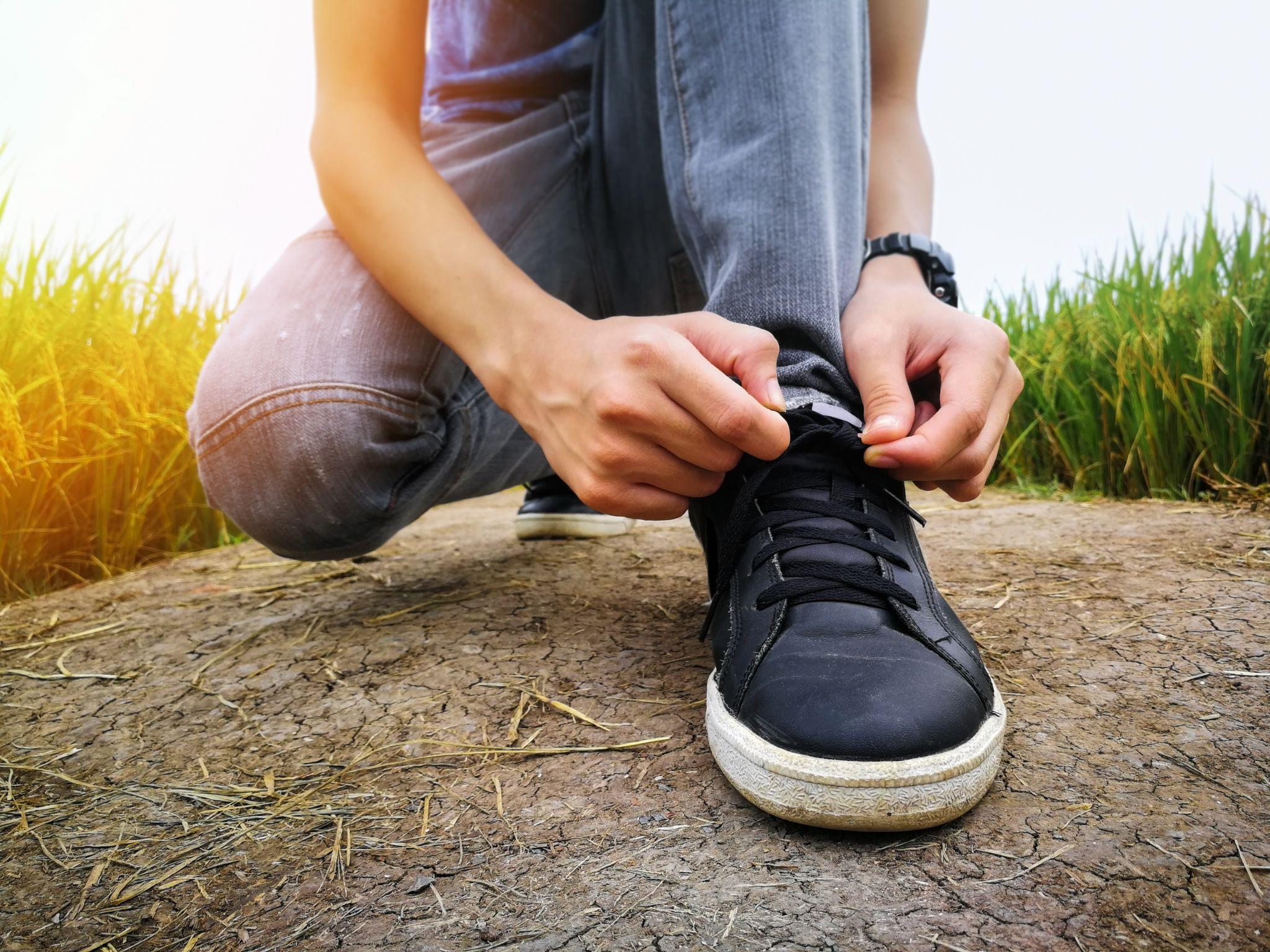
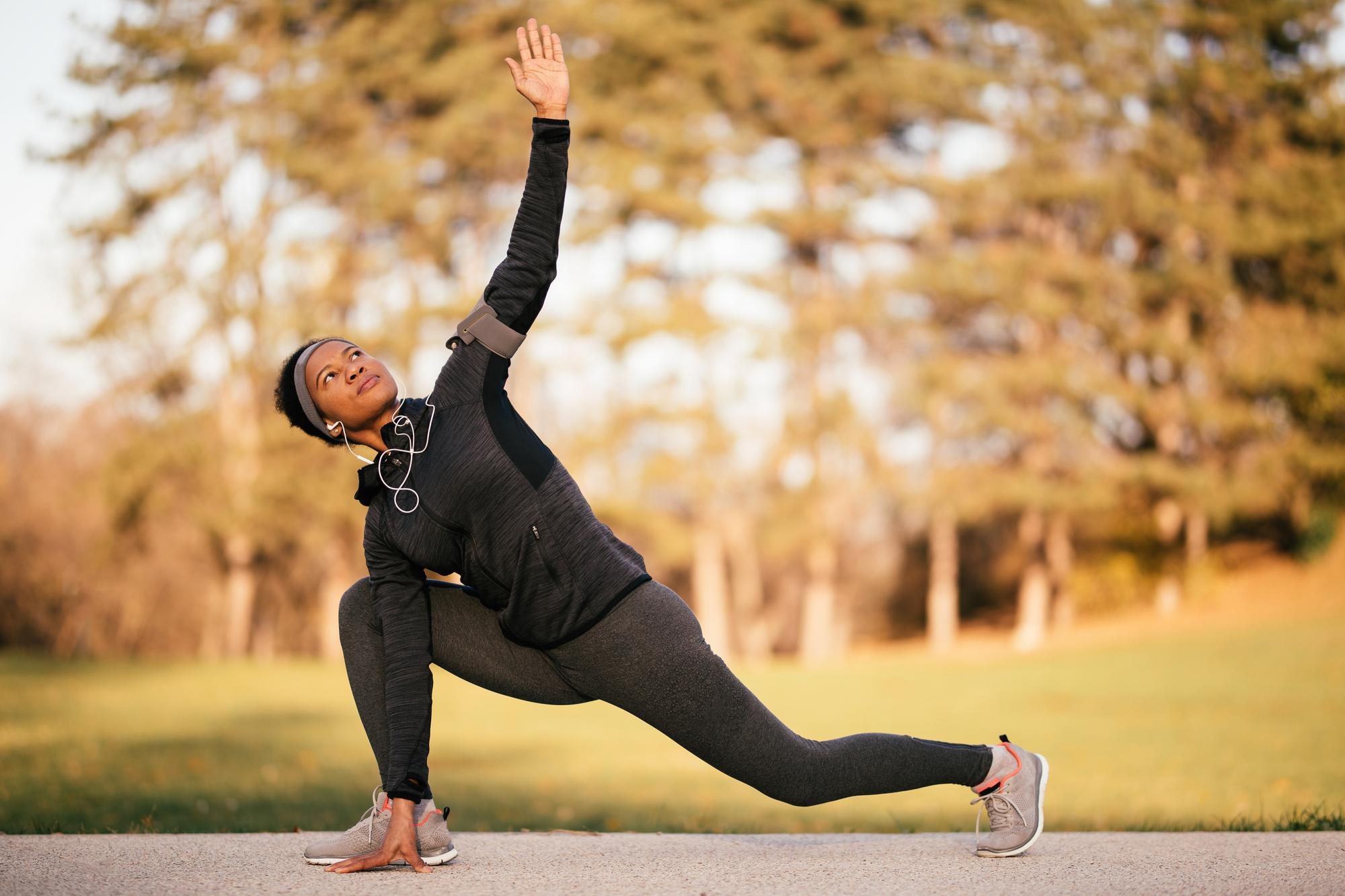
Spend a few minutes, just five, doing some light stretching or taking a short walk before your trip. Loosen the hips, calves, hamstrings, and back. Dynamic movements such as leg swings or arm circles are great for improving blood flow and flexibility.
Wear Comfortable Clothes
Avoid tight jeans, snug belts, and binding fabrics that can hinder your movement or make breathing harder. Choose clothes that are comfortable, well-ventilated, and preferably stretchy so they accommodate natural movement and circulation.
Pack Smart
Prepare a small "comfort kit" to bring with you. It can include a neck pillow, a lumbar support cushion, and a refillable water bottle. If you have arthritis or old injuries, consider packing a pain-relieving cream or joint supports for added protection.
Sit with Good Posture
Proper sitting helps you avoid stiffness and discomfort. Slouching and leaning forward compresses the spine and reduces blood circulation to the lower part of your body.
Follow these posture tips:
- Sit up straight, with your back supported and your shoulders relaxed.
- Keep both feet on the floor or on a footrest.
- Try not to cross your legs for long periods, since this can restrict circulation.
- Support your lower back with a small pillow or a rolled-up towel.
Good posture relieves joint pressure and also helps prevent neck and back pain on long journeys.
Move and Stretch Frequently
The best way to avoid stiffness on any trip is to keep moving. When you sit for hours, the joints tend to lock up.
- On road trips, stop every one to two hours to take a short walk and stretch.
- On flights, walk up and down the aisle when you can, or exercise while seated.
Simple In-Seat Movements
- Ankle circles: Move your ankles in circles to increase blood flow.
- Knee lifts: Lift your knees and lower them to keep your leg muscles active.
- Shoulder rolls: Roll your shoulders backward, then release slowly.
- Neck tilts: Slowly tilt your head to each side to loosen the neck muscles.
Even two minutes of movement every hour makes a noticeable difference in preventing stiffness.
Stay Well Hydrated
Dehydration makes your joints stiff and prone to pain. Synovial fluid, which lubricates the joints, is largely made of water, and it thickens when you are dehydrated, increasing stiffness.
Drink plenty of water before and during your trip. Try to limit caffeine and alcohol, as both contribute to dehydration and muscle cramps. Carry a water bottle with you and take small sips often while you travel so you stay hydrated throughout the journey.
Wear Supportive Gear
Stiffness can often be reduced by investing in a few travel-friendly accessories.
Recommended equipment:
- Lumbar support cushion: Holds your spine in position and prevents slouching.
- Compression socks: Improve blood circulation in the legs and reduce swelling.
- Neck pillow: Supports the cervical spine while you rest.
- Portable footrest: Keeps the knees slightly elevated during long flights.
Small additions like these make long journeys much more comfortable and easier on the joints.
Keep Blood Circulation Flowing
Good circulation prevents swelling, numbness, and joint stiffness from developing during long periods of sitting. To maintain healthy blood flow:
- Pump your feet frequently by pointing and then flexing your toes.
- Avoid sitting on bulky items such as a wallet or bag that can kink your spine.
- Keep your knees slightly bent rather than locked straight to support circulation.
These simple movements help reduce the risk of deep vein problems and leave you feeling fresher on arrival.
Eat Light and Stay Active
Heavy meals before and during travel can leave you feeling bloated and sluggish. Stick to light, anti-inflammatory foods such as fruits, nuts, yogurt, and vegetables. These keep your energy up without aggravating the joints. During breaks, take short walks instead of staying seated. Even standing and stretching your legs helps improve blood flow and reduce stiffness.
When to See a Doctor
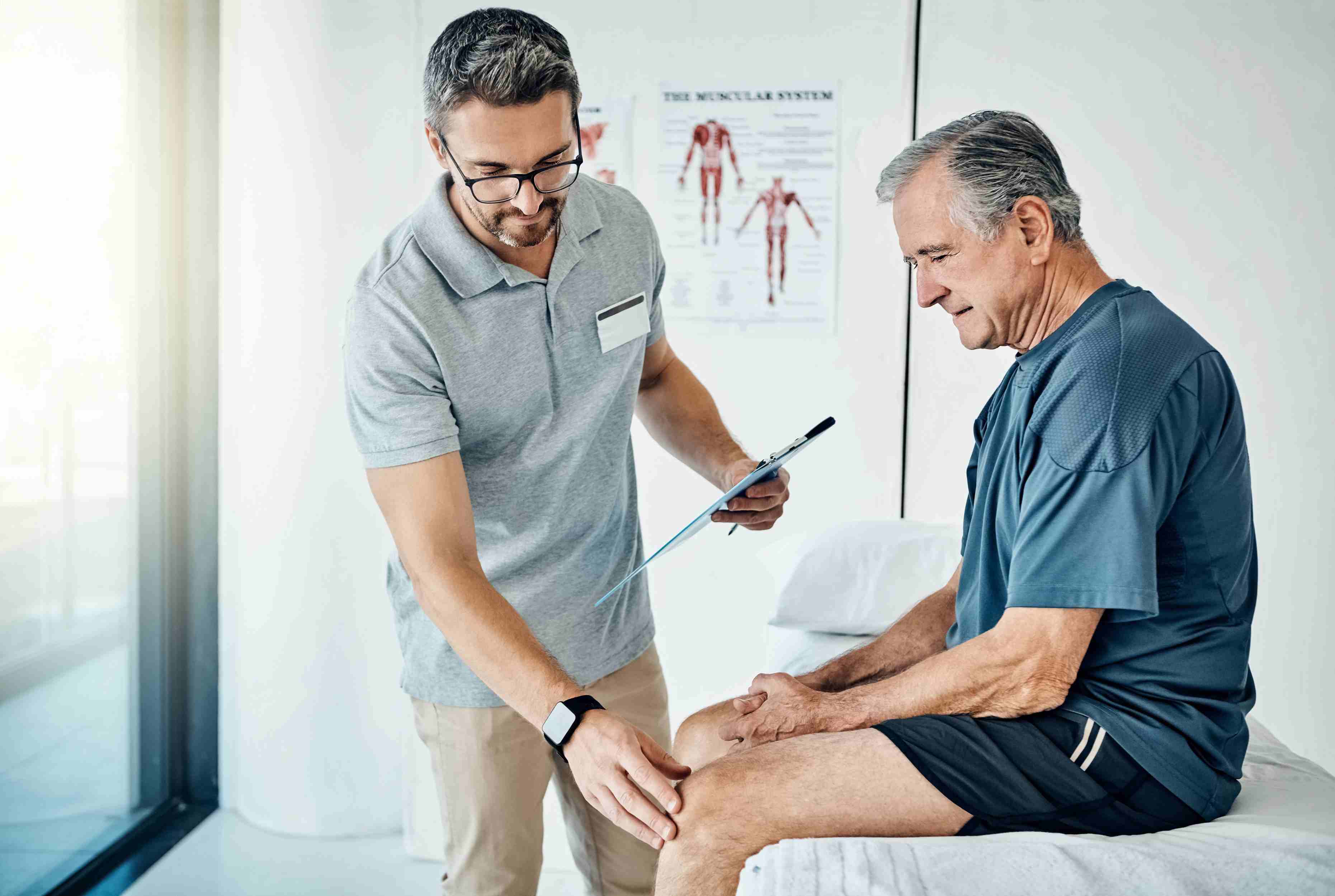
Most travel stiffness eases on its own once you move around and rest. However, certain symptoms may point to a more serious problem and should be checked by an orthopedic specialist. See a doctor if you notice:
- Swelling, redness, warmth, or pain in one leg, which could signal a blood clot.
- Joint pain or stiffness that does not improve a day or two after travel.
- Severe or worsening pain in the hip, knee, or lower back.
- Numbness, tingling, or weakness that does not go away.
- Difficulty bearing weight or moving a joint normally.
If you already have arthritis or a previous joint injury and travel consistently triggers significant pain, an orthopedic evaluation can help you plan safer journeys.
Conclusion
Preventing joint stiffness during travel is relatively easy when you build the right habits. The keys are movement, hydration, and good posture. Regular stretching, adequate water intake, and supportive accessories all work together to keep your joints comfortable. Whether you are flying, driving, or taking the train, your body is meant to move. Keep it active, and every trip can leave you refreshed instead of sore.
If joint stiffness or pain persists after travel, or if you have an existing condition like arthritis, do not ignore it. Dr. Ankur Singh, a senior orthopedic surgeon in Noida, can assess your joints and recommend a personalized plan to keep you mobile and pain-free. Book a consultation to travel with confidence.
Frequently Asked Questions
Why do joints get stiff after sitting for long hours?
Prolonged immobility reduces joint lubrication and slows circulation, which leads to stiffness and tightness. Moving regularly helps the synovial fluid circulate again and eases that locked-up feeling.
How can I avoid knee pain on flights and during long car rides?
Stretch your legs often, use a footrest if one is available, and avoid keeping your knees bent in the same position for long stretches. Standing up and walking whenever possible also keeps the knees comfortable.
Are compression socks useful during long travel?
Yes. They improve blood circulation, reduce swelling in the legs, and help prevent stiffness. They are especially helpful on long flights where movement is limited.
What can I do after travelling to ease stiffness?
Short walks, gentle stretching, and plenty of water help restore flexibility and reduce muscle tension. If stiffness or pain lasts more than a day or two, consider seeing an orthopedic specialist.
Medical Disclaimer
The information provided on this website is for educational purposes only and should not be considered as medical advice. Please consult Dr. Ankur Singh or a qualified healthcare professional for personalized medical guidance.
Share this blog:
 Copy
Copy