Flat Feet: Understanding This Common Foot Condition

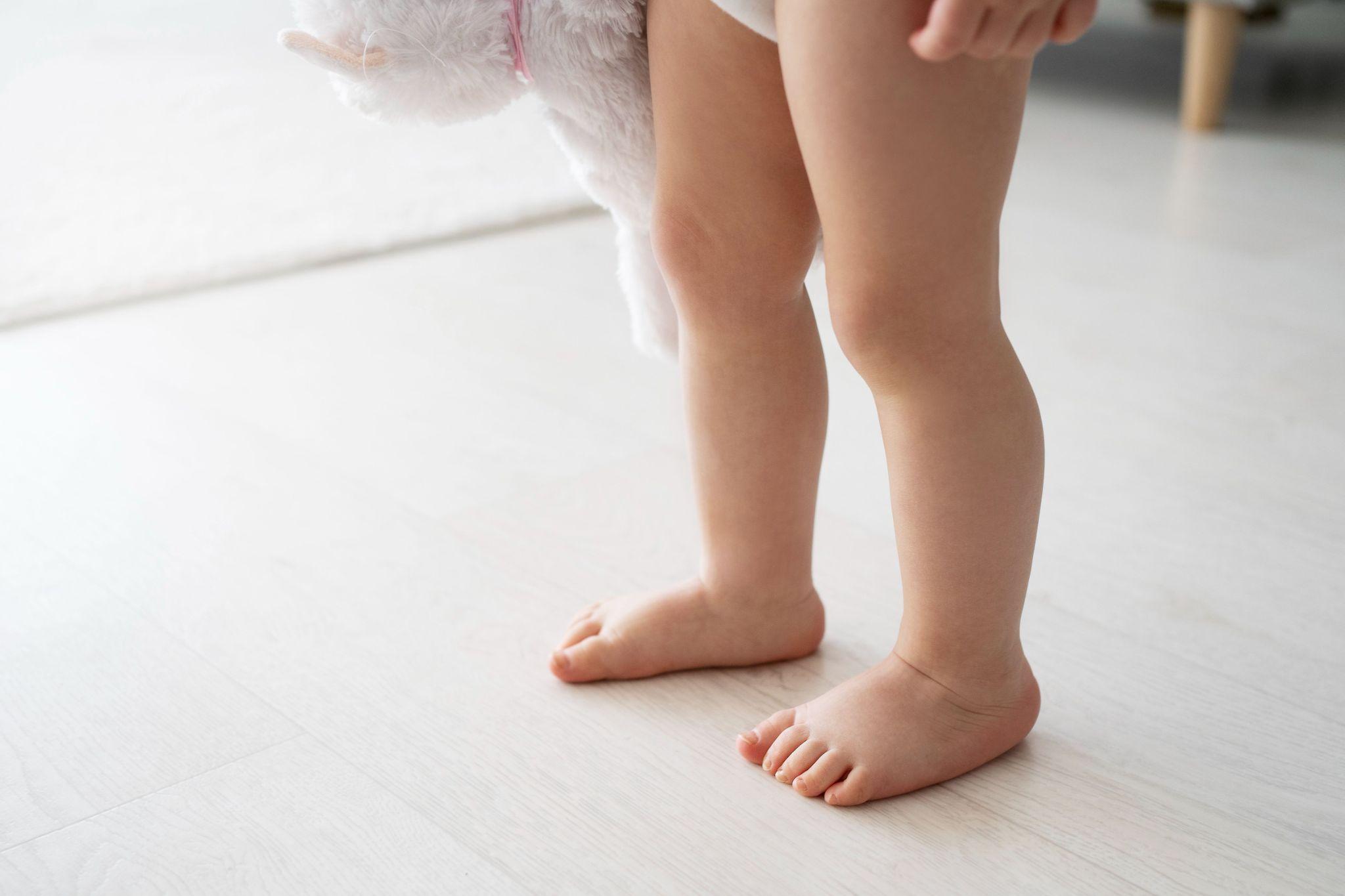
A profile view of a foot resting flat on the ground.
For the most part, people ignore their feet until they start to hurt. Flat feet, however, can be a condition that goes unmentioned for years. Some people are born with it, while others get it over time. Flat feet may not cause discomfort all of the time, but if it does, they can have an impact on posture, your gait, or even cause back and knee pain. This isn't just a foot problem; it affects the entire body's posture.
With flat feet, early detection can reduce the likelihood of complications and help keep you mobile with comfort. Read more to learn about exactly what flat feet are and why it happens, as well as when you should consider seeing an orthopedic.
What Is Flat Feet (Pes Planus)?
Flat feet (or pes planus) is when a person has a very flat arch on the sole, which may be very low or may even be totally absent.
- The sole touches the ground fully when standing.
- No arch on the foot naturally absorbs shock.
- It can be on one foot or both feet.
The arches are not always flat on one foot; it can be flexible flat feet, where the arch reappears when the foot is not under strain (e.g., sitting down), and rigid flat feet, where the arch never reappears.
Causes Of Flat Feet
Flat feet may appear due to a range of reasons: the cause can vary from age to lifestyle and disease factors.
1. Genetics (Congenital Flat Feet)
Some people develop flat feet due to inheriting a foot structure with either very low or no arches at all.
- The arch may not develop correctly through childhood.
- Runs in the family.
- Can be symptom-free until later in life.
2. Weak Or Damaged Tendons
The posterior tibial tendon supports the arch in the foot, and the weakening of this tendon will cause the arch to collapse. This is commonly found to occur in older adults and is progressive in its nature, causing increasing arch collapse over time.
3. Injury Or Trauma
Injuries to the foot may lead to deformation of the arch of the foot:
- Fractures within the bones of the foot could deform the arch.
- Tears of the ligaments that connect the bones within the arch will reduce the support of the arch.
- Improper healing following injury may cause the subsequent development of flat feet.
4. Aging And Wear & Tear
With aging, the supportive structure within the foot naturally weakens.
- Tendons reduce their tensile strength and elasticity over time.
- Ligaments become more lax over time.
- Leads to progressive flattening of the arch.
5. Obesity Or Excess Body Weight
An individual with obesity or excess body weight will put increased stress on their feet throughout the day, which has a deforming effect on the arch of the foot.
- Continuous stress flattens the arch.
- The associated pain and discomfort will be worse.
- worsening of existing flat feet.
6. Medical Conditions
Certain conditions can lead to flat feet.
- Arthritis can affect joint integrity, thus support of arch.
- Nerve disorders that reduce muscle function and control.
- Diabetes has implications for nerves and potentially leads to damage of nerve fibers, affecting foot mechanics.
7. Pregnancy-Related Changes
Hormonal changes can influence the structure of the foot during pregnancy. Ligaments within the foot may be more flexible, and increased body weight is added to the arches, causing stress.
8. Improper Footwear
The continued use of flat-soled or otherwise unsupportive footwear will ultimately contribute to the weakness of the muscles in the foot, hence decreasing the support for the arch.
- Flat soles increase stress on the foot.
- Worn-out shoes will have less structural support.
- High heels alter foot biomechanics and pressure points of the foot.
9. Lack Of Physical Activity
Weak muscles in the foot and leg fail to support the arch. A sedentary lifestyle contributes to reduced strength and support within the foot.
10. Neuromuscular Conditions
Certain disorders of the neuromuscular system have the ability to cause deformation in foot posture and alignment; as such, muscles will then be imbalanced around the foot, leading to a collapsed arch, and in most instances, a rigidly collapsed arch or deformed arch.
11. Symptoms Of Flat Feet
Although not everyone with flat feet suffers from pain, if symptoms do occur, they can affect daily activities:
- Foot pain (particularly the heel or arch)
- Swelling on the inside of the ankle
- Tired and aching feet
- Problems with standing up for a prolonged period
- Uneven wear of shoes
- Knee, hip, or lower back pain
How Flat Feet Affect The Body?

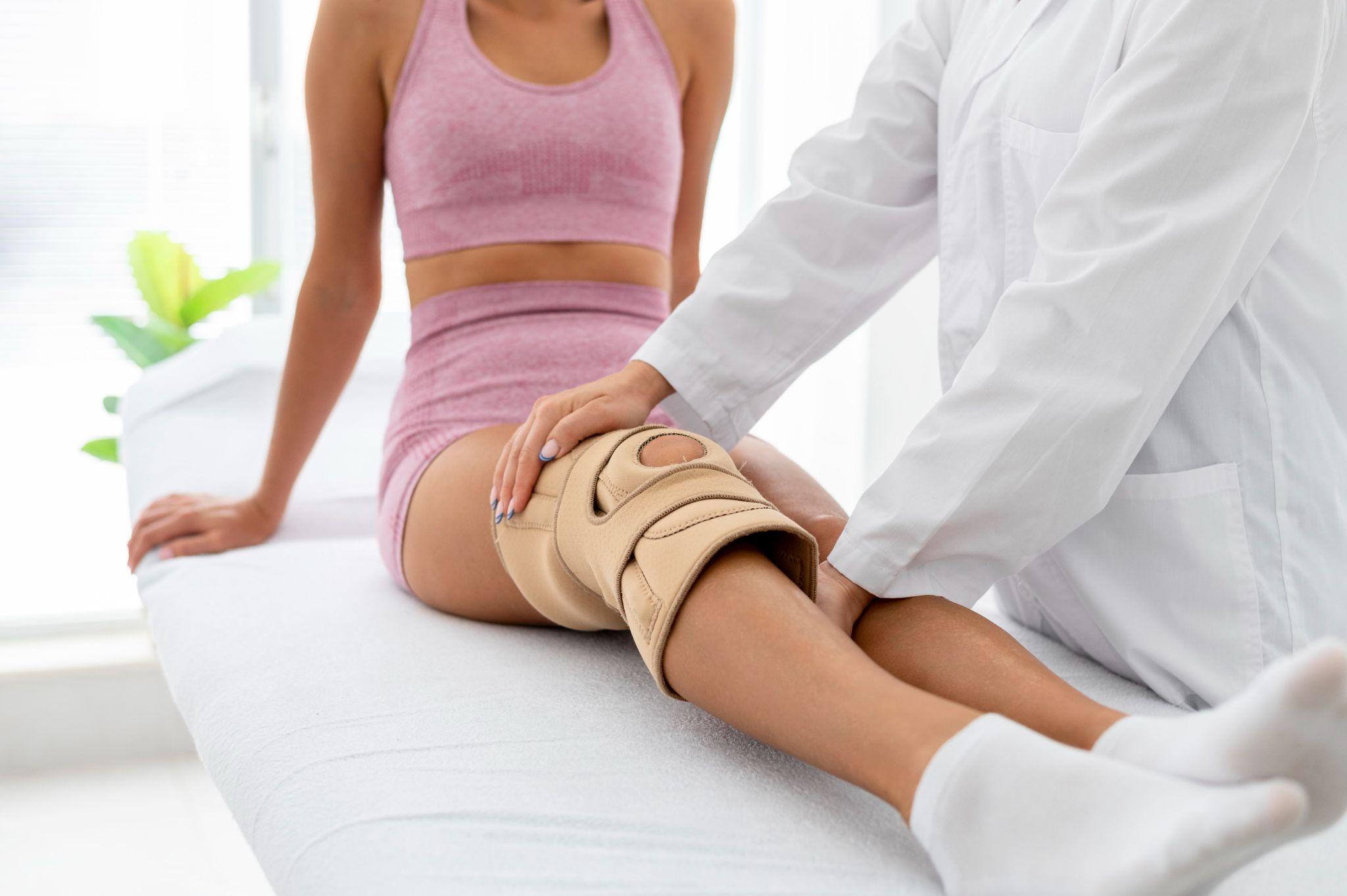
A healthcare worker massages a patient's foot for relief.
Flat feet affect not only your feet but also your entire body alignment and movement.
- Distorts walking style.
- Affects alignment in the knees and hip joints.
- Puts added pressure on the joints.
- Leads to muscle imbalances and fatigue.
- Less shock absorption ability when walking/running due to a lack of arch puts more stress on the body.
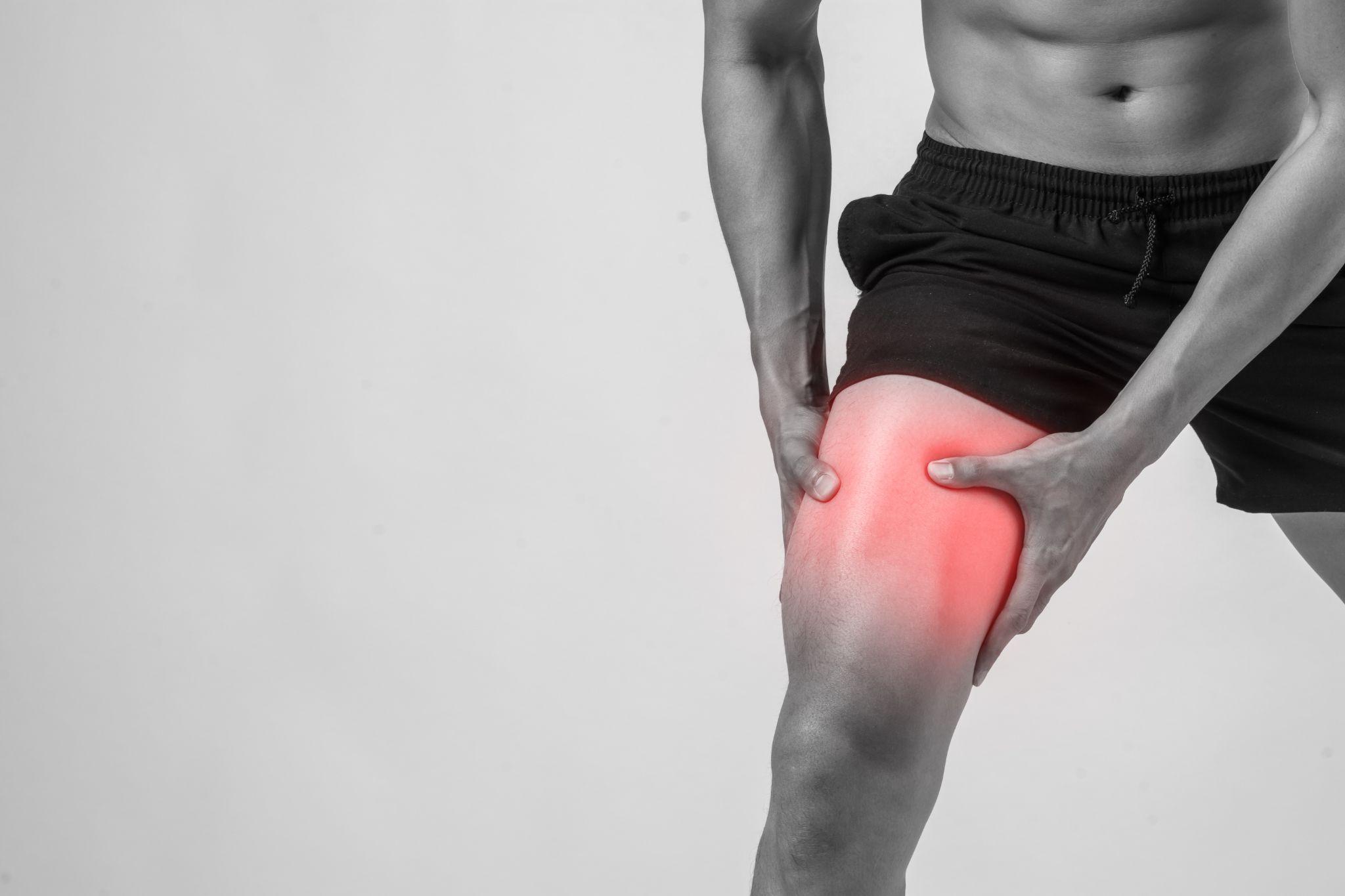
- Causes patellofemoral pain when joints are poorly aligned.
- Misalignment extends upwards to influence hip movement and stability.
- Poor posture due to flat feet often leads to chronic low back pain.
- Chronic stress causes pain around the ankle region, arch, and heel.
- Running or long periods of standing put significant stress on the body, leading to the risk of injury.
- The inherent lack of stability puts people with flat feet at risk of falls and ankle sprains.
- Uneven pressure on the feet causes specific pressure points and pain in specific areas.
- Increased stress on the joints often leads to chronic degeneration over a period of time.
With prolonged neglect, these can turn into long-term chronic pains and functional limitations.
Diagnosis Of Flat Feet
A diagnosis is made by an orthopedic specialist on physical examination, and, where necessary, with imaging studies.
- Assessment of foot posture and arches.
- Gait (walking pattern) analysis.
- Examination of the range of motion.
- X-rays and scans in more severe conditions.
An individual who is suffering from flat feet can consult with Dr. Ankur Singh in Noida for diagnosis and treatment.
Treatment Options For Flat Feet
Treatment for flat feet depends on the severity of symptoms and the underlying causes, and the extent to which the condition affects your daily life.
1. Supportive Footwear
Wearing appropriate shoes can significantly improve flat feet. Shoes provide arch support and cushioning, and help to evenly distribute body weight to decrease the strain on the foot, knees, and back.
2. Orthotic Insoles
To correct the foot's posture and walking pattern, orthotic insoles can provide artificial arch support and alignment for the foot. Orthotics are available off the shelf or as custom-made devices to fit individual foot structure, thereby decreasing the amount of pain and discomfort you may feel daily.
3. Physiotherapy And Exercises
Strengthen the muscles in the feet and ankles and improve balance and stability with specific exercises. Strengthening helps to restore the normal walking pattern and decrease the likelihood of suffering from an injury.
4. Weight Management
Control your weight to prevent excessive pressure being placed on your feet. Maintaining a healthy weight can help to keep the arch in your foot from collapsing further and relieve the stress placed on the joints and the foot.
5. Pain Relief Medications
Pain can be controlled with the use of medication to reduce pain and inflammation. This medication should be used under a doctor's supervision and in small doses for a limited duration of time.
6. Activity Modification
Slight lifestyle changes will help to keep your symptoms at bay. The number of times you spend on your feet standing upright should be reduced, as should any high-impact activities you participate in; replace high-impact sports with low-impact alternatives like swimming and walking, and take regular breaks to decrease the strain on your feet.
7. Tendon Repair Or Reconstruction
This surgery involves reconstructing or repairing damaged tendons that support the arch of the foot, and restoring the strength of the tendons to rebuild the arch support, for a tendon that is losing support and therefore leading to foot collapse.
8. Bone Realignment (Osteotomy)
Bones can be cut and reshaped during an osteotomy to improve foot alignment. This can create an even distribution of pressure on the foot and enhance the mechanics of walking.
9. Arch Reconstruction Surgery
A comprehensive surgery is available that can reconstruct the arch, using tendons to build the arch where bone cutting has taken place, to enhance the functionality and mobility of the foot in cases where the flat feet are severe or rigid.
10. Post-Surgical Rehabilitation
Once surgery has taken place, rehabilitation will involve physiotherapy as well as gradual weight bearing, and is vital to regaining mobility and the functionality of the foot.
Surgery should only ever be the last resort for people with flat feet, and when conservative measures have not helped to relieve the symptoms the patient experiences.
Exercises For Flat Feet
There are some easy exercises you can do to make your foot muscles stronger and more supportive of your arches:
- Exercises to strengthen your foot muscles include toe curls.
- The heel raises strengthen your feet.
- The arch lifts get your intrinsic foot muscles going.
- Calf stretches ease the tightness of your muscles.
If you do these consistently, you should feel that your balance has improved.
When Should You Consult An Orthopedic Doctor?
You should not let your flat feet go uncorrected, especially if they are interfering with your normal life. They include:
- When your feet have pain that continues and makes everyday activities difficult.
- Difficulty walking, standing, and balancing.
- Any swelling, inflammation, or rigidity of your feet.
- If you experience pain in your knee and lower back.
- If, after consistent treatment, the symptoms have not reduced.
Prevention Tips For Flat Feet Problems
Not all causes of flat feet can be prevented, but there are some ways that symptoms can be treated:
- Wear properly fitting, supportive shoes.
- Stand on your feet for the shortest period possible.
- Control your body weight.
- Remain physically active.
- Do strengthening exercises for the feet frequently.
Diseases Caused By Flat Feet

A diagram explaining plantar fasciitis and its effects on the foot.
Flat feet often result in the following several musculoskeletal issues resulting from poor posture.
posture and lack of arch support.
1. Plantar Fasciitis
Due to flat feet, the plantar fascia is constantly under strain, and inflammation develops, resulting in heel pain:
- Pain is often felt at the heel with sharpness felt in the morning.
- Lack of support on the arch causes pain.
- It is common for those with the condition who spend all day on their feet.
2. Posterior Tibial Tendon Dysfunction (PTTD)
In this condition, the tendon that holds up the arch collapses, causing flat feet to worsen progressively.
- Pain is found on the inside of the ankle, and the ankle has swelling.
- Walking becomes difficult.
- A rigid flat foot can arise if not treated.
3. Achilles Tendinitis
A wrong alignment caused by flat feet will put greater pressure on the Achilles tendon.
- This leads to pain at the back of the heel and loss of mobility and stiffness.
- This affects those who lead physically active lives.
4. Knee Pain (Patellofemoral Pain Syndrome)
As a result of bad alignment when flat feet are present, pressure is exerted on the knee joint.
- Pain around the kneecap.
- Stair climbing and running aggravate pain.
- Poor mechanics cause pain.
5. Low Back Pain
If someone's posture is disrupted by flat feet, they will find that it will put a strain on their lower back. It is usually pain found in the back that becomes constant pain, because the distribution of weight on the foot is wrong, and it will affect body posture and spinal alignment.
6. Bunions (Hallux Valgus)
Changing the way feet operate means that if flat feet are present, the likelihood of a bunion developing is greater. A hard, bony protuberance appears around the big toe, and this causes it to become sore and difficult to wear shoes, which can make the condition worse.
7. Shin Splints (Medial Tibial Stress Syndrome)
An overuse injury to the lower leg muscles caused by an increase in tension because of flat feet is shin splints.
- The pain will appear along the shin bone and is usually in athletes.
- They are often caused by excessive movement or overuse.
8. Ankle Sprains And Instability
This occurs because of the poor support provided by flat feet. Sprains on the ankles happen frequently, and the joint loses its support and balance, making you more prone to them when sport or physical activity takes place, or when walking on land.
Final Thoughts
Flat feet might seem small, but if left unchecked, they can grow into a larger problem. From pain in the feet to unbalanced posture, the implications it has slowly begin to affect your mobility and the overall sense of comfort. Making sure you are properly diagnosed and treated correctly plays a huge role. Most individuals who are suffering from flat feet can be able to stay free from pain and be physically active.
Patients can get an evaluation and treatment from Dr. Ankur Singh in Noida where the sole aim is to pinpoint the actual cause, enhance function, and bring movement back into a person's body.
Frequently Asked Questions (FAQs)
Are flat feet a serious problem?
Flat feet generally cause no problems, but can sometimes lead to pain and alignment problems if they manifest symptoms.
Can flat feet be permanently cured?
The conditions that affect flat feet are often manageable through exercise, orthotics, or, in the extreme, surgery, but they can not always be cured.
Which type of shoes are suitable for flat feet?
A shoe should support and cushion the arch and have adequate stability in the shoe to prevent excessive flattening.
Is there anything exercise can do to help flat feet?
Strengthening and stretching exercises may help stabilize the foot.
Medical Disclaimer
The information provided on this website is for educational purposes only and should not be considered as medical advice. Please consult Dr. Ankur Singh or a qualified healthcare professional for personalized medical guidance.
Share this blog:
 Copy
Copy