Prosthetics For Joints: How Artificial Joints Restore Movement

A close-up of a person with a prosthetic leg standing on a pink mat.
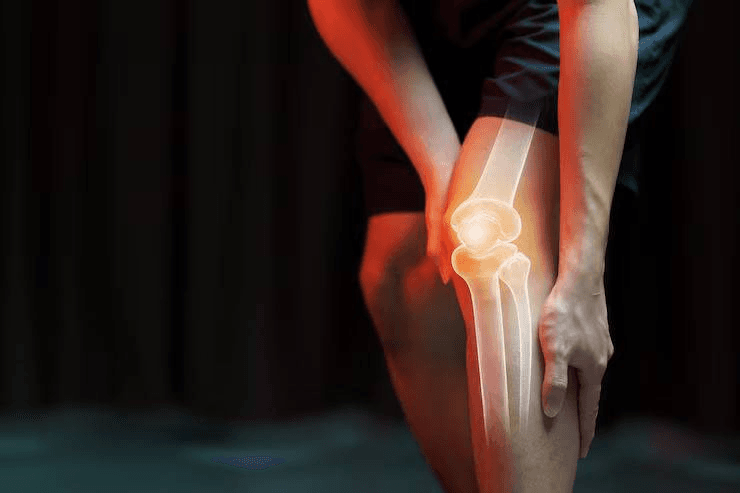
Joint pain has a way of slowly taking over daily life. What starts as mild discomfort can turn into stiffness, limited movement, and difficulty doing even simple tasks. When medications, exercises, or therapy no longer provide relief, prosthetic joint replacement becomes a reliable solution.
Artificial joints are designed to replace damaged or worn-out joints, helping people move freely again. It’s not just about reducing pain, it’s about restoring independence and improving quality of life. Whether it’s due to aging, injury, or conditions like arthritis, prosthetic joints offer a long-term way to get back on track.
Instead of living with restricted movement, joint replacement helps rebuild strength, improve flexibility, and bring back confidence in everyday activities. In this guide, let’s understand how prosthetic joints work, their benefits, and when it’s the right time to consult an orthopedic specialist.
What Are Prosthetic Joints?
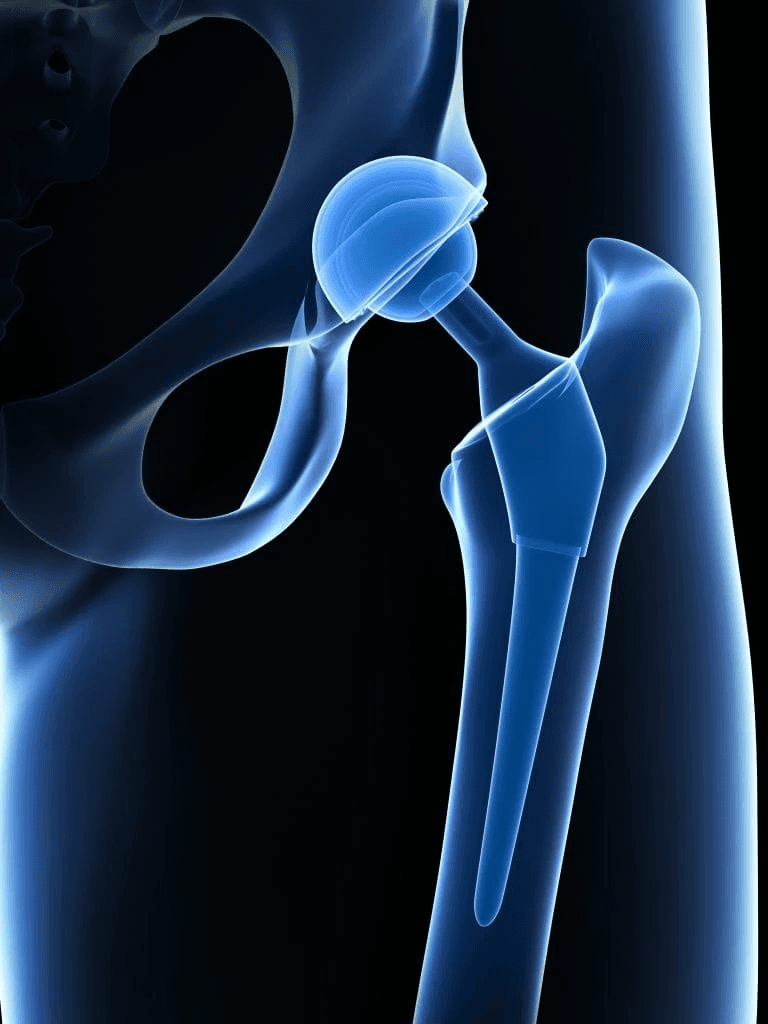
Prosthetic joints are artificial replacements designed to mimic the natural function of human joints. They are commonly used in procedures such as knee, hip, and shoulder replacements. These joints are typically made from durable materials such as metal, ceramic, or high-grade plastic. The goal is to recreate smooth joint movement while reducing friction and pain. Instead of repairing the damaged joint, the affected parts are replaced with artificial components that function like a healthy joint.
How Prosthetic Joint Replacement Works?
Joint replacement surgery involves removing the damaged cartilage and bone from the joint and replacing it with a prosthetic implant.
The process usually includes:
- Removing the worn-out joint surfaces
- Preparing the bone to fit the implant
- Placing the artificial joint components
- Ensuring proper alignment and movement
After surgery, rehabilitation plays a major role in recovery. Physiotherapy helps strengthen muscles, improve flexibility, and ensure the new joint functions properly.
How Artificial Joints Restore Movement?
Artificial joints are designed to replace damaged joint surfaces and bring back smooth, pain-free movement.
- Replaces worn-out cartilage with smooth artificial surfaces, reducing friction.
- Eliminates painful bone-on-bone contact during movement.
- Restores proper joint alignment for better posture and function.
- Allows a smoother and more natural range of motion.
- Reduces stiffness, making everyday movements easier.
- Supports weight-bearing activities like walking and standing.
- Improves joint stability with well-fitted implant components.
- Works with surrounding muscles to enhance movement control.
- Combined with physiotherapy, it helps rebuild strength and flexibility.
- Enables a gradual return to daily activities with less discomfort.
For those struggling with joint pain or limited movement, timely treatment can make a significant difference. Consulting Dr. Ankur Singh in Noida can help identify the right solution based on the condition and severity of joint damage. With expert guidance, advanced joint replacement techniques, and structured rehabilitation support, patients can regain mobility, reduce pain, and return to a more active and comfortable life.
Types Of Joint Replacements

A man stretches his leg on a running track while wearing a prosthetic leg.
Prosthetic joints can be used in different parts of the body depending on the condition and severity.
1. Knee Replacement
One of the most common procedures, knee replacement, helps people suffering from severe knee pain and stiffness regain mobility.
2. Hip Replacement
Hip replacement is often recommended when hip joints are damaged due to arthritis or injury, making walking or sitting painful.
3. Shoulder Replacement
This is done when shoulder joints lose function due to injury, wear and tear, or degenerative conditions.
4. Partial Joint Replacement
In some cases, only a portion of the joint is replaced instead of the entire joint, depending on the level of damage.
5. Elbow Replacement
Elbow replacement is considered when the joint is severely damaged due to arthritis, fractures, or trauma. It helps restore arm movement and reduce pain.
6. Ankle Replacement
Ankle replacement is recommended for patients with severe arthritis or injury affecting the ankle joint. It improves mobility and allows for more natural walking compared to joint fusion.
7. Wrist Joint Replacement
Though less common, wrist replacement can help patients with severe arthritis regain hand function and reduce stiffness.
Key Benefits Of Prosthetic Joints
Artificial joints offer more than just pain relief. They help restore a person’s overall lifestyle.
- Significant pain reduction - Joint replacement removes the damaged portion of the joint, which is the main source of pain.
- Improved mobility - Patients regain the ability to move freely without stiffness or discomfort.
- Better quality of life - Daily activities like walking, climbing stairs, or even sitting become easier and more comfortable.
- Long-term solution - Modern prosthetic joints are designed to last for many years, making them a durable option.
- Increased independence - People can return to their routine without relying heavily on assistance.
- Improved joint function - Artificial joints are designed to closely mimic natural joint movement, allowing smoother and more controlled motion.
- Better sleep quality - Chronic joint pain often disrupts sleep. With reduced pain, patients experience more restful and uninterrupted sleep.
- Enhanced physical activity - After recovery, many patients can return to light exercise, walking, or recreational activities without discomfort.
- Reduced dependence on medication - With pain significantly reduced, there is less need for long-term use of painkillers or anti-inflammatory drugs.
- Corrected joint alignment - Joint replacement helps fix deformities or misalignment, improving posture and overall body mechanics.
Conditions That May Require Joint Replacement
Prosthetic joints are usually recommended when joint damage becomes severe and starts affecting daily life.
1. Osteoarthritis
A degenerative condition where the protective cartilage between bones gradually wears away. This leads to bones rubbing against each other, causing pain, stiffness, swelling, and reduced movement over time.
2. Rheumatoid Arthritis

A computer screen shows a diagram of rheumatoid arthritis in the hand at different stages.
An autoimmune disorder where the body’s immune system attacks the joint lining. This results in chronic inflammation, joint damage, deformity, and difficulty in movement if not managed properly.
3. Severe Joint Injury
Major injuries such as fractures, ligament tears, or dislocations can permanently damage the joint structure. When healing is incomplete or improper, it may lead to long-term pain and instability.
4. Avascular Necrosis
This occurs when the blood supply to a bone is disrupted, causing the bone tissue to die. Over time, the joint surface collapses, leading to severe pain and limited mobility, especially in the hip.
5. Chronic Joint Pain
Persistent pain that does not improve with medications, physiotherapy, or lifestyle changes may indicate advanced joint damage that requires replacement.
6. Post-Traumatic Arthritis
Develops after an injury to the joint. Even after initial healing, the joint may gradually deteriorate, leading to pain, swelling, and stiffness years later.
7. Congenital Joint Disorders
Conditions present from birth, such as abnormal joint formation, can lead to uneven wear and tear over time. As the condition progresses, joint replacement may become necessary.
8. Joint Deformities
Long-standing joint conditions can alter the normal shape or alignment of a joint. This not only affects appearance but also makes movement painful and inefficient.
9. Failed Previous Joint Surgery
In some cases, earlier treatments like arthroscopy or partial repairs may not provide lasting relief. Joint replacement is then considered to restore proper function and reduce pain.
10. Bone Tumors Around Joints
Tumors affecting bones near joints may damage the joint structure. Surgical removal of the tumor, along with joint replacement, helps restore movement and maintain limb function.
Recovery After Joint Replacement
Recovery is just as important as the surgery itself.
- Physiotherapy begins soon after surgery.
- Gradual movement helps regain strength.
- Regular follow-ups ensure proper healing.
- Most patients return to normal activities within a few months.
Consistency in rehabilitation is what makes the artificial joint function effectively.
When To Consider Prosthetic Joint Surgery?
Certain signs indicate that it may be time to explore joint replacement.
- Persistent pain - Pain that does not improve with medication or therapy.
- Limited movement - Difficulty in bending, walking, or using the joint.
- Reduced quality of life - When daily activities become challenging due to joint issues.
- Joint deformity - Visible changes in joint shape or alignment.
- Failed non-surgical treatments - When physiotherapy, medications, or injections no longer help.
- Pain even at rest - When joint pain continues even while sitting, lying down, or sleeping, it may indicate advanced joint damage.
- Difficulty in performing basic activities - Struggling with everyday tasks like getting up from a chair, climbing stairs, or walking short distances is a strong sign.
- Stiffness after rest - If the joint feels extremely stiff after waking up or sitting for long periods, it may suggest a worsening joint condition.
- Swelling and inflammation - Persistent swelling that does not go away with rest or treatment can point toward severe joint issues.
- Dependence on support - Needing support like a walking stick or assistance from others for basic movement may indicate that the joint is no longer functioning properly.
Final Thoughts
Prosthetic joint replacement is not just about surgery; it’s about getting life back. It allows people to move without pain, stay active, and regain independence. Early consultation and the right guidance can make a significant difference in outcomes. Ignoring joint pain for too long can lead to further complications and limited mobility.
For those struggling with persistent joint problems, consulting Dr. Ankur Singh in Noida can help determine the best course of action. With proper diagnosis, advanced treatment, and guided rehabilitation, patients can return to a more active and pain-free life.
Frequently Asked Questions
What materials are used in prosthetic joints?
Prosthetic joints are typically made from durable materials like metal alloys, ceramics, and high-grade plastic to ensure smooth and long-lasting movement.
What is the lifespan of artificial joints?
Most artificial joints last around 15–25 years, depending on usage, lifestyle, and overall health.
Who is an ideal candidate for joint replacement?
Individuals with severe joint pain, limited mobility, and poor response to non-surgical treatments are considered ideal candidates.
What are the latest advances in joint replacement technology?
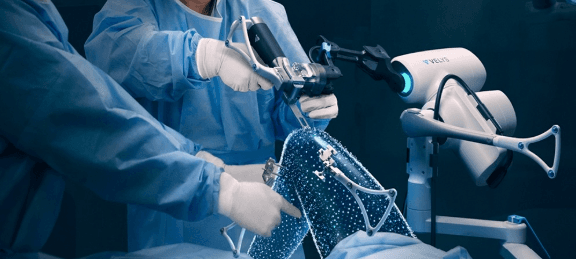
Modern advancements include minimally invasive surgery, robotic-assisted procedures, and improved implant designs for better precision and faster recovery.
Medical Disclaimer
The information provided on this website is for educational purposes only and should not be considered as medical advice. Please consult Dr. Ankur Singh or a qualified healthcare professional for personalized medical guidance.
Share this blog:
 Copy
Copy


/doctor-vaccinating-patient-compressed.jpg)
/doctor-hospital-room-with-knee-injury-compressed.jpg)