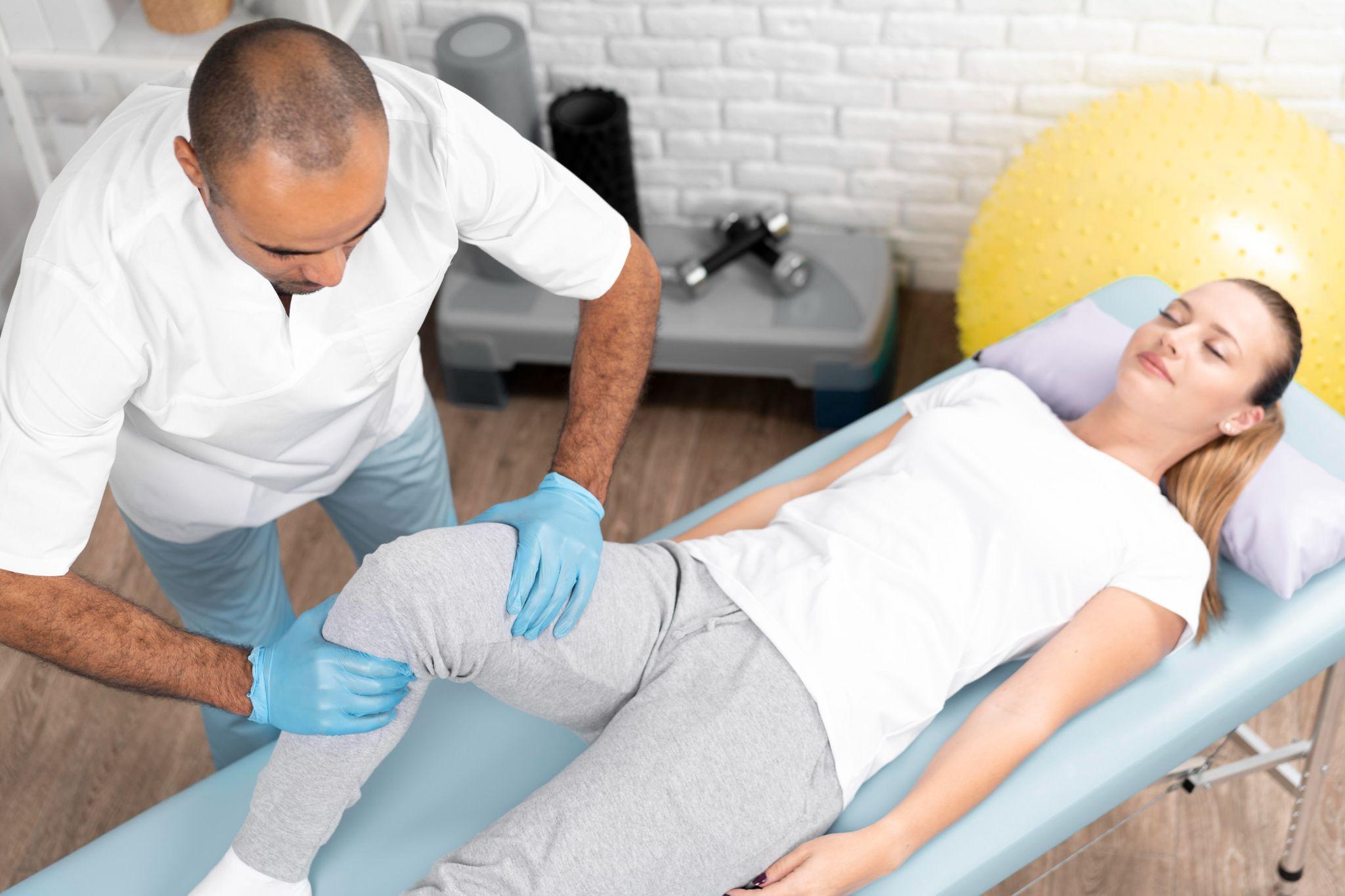
Tennis elbow vs. Golfer's elbow: diagnosis and treatment

Tennis elbow (lateral epicondylitis) affects the outer side of the elbow, while golfer's elbow (medial epicondylitis) affects the inner side due to inflammation of different tendon groups.
Elbow pain from repetitive wrist and forearm movements is something I see in my clinic almost daily. And here's what surprises most patients: despite the names, tennis elbow and golfer's elbow have nothing to do with whether you play tennis or golf. The vast majority of people I treat for these conditions have never picked up a racket or a golf club.
Office workers, homemakers who wring wet clothes by hand, carpenters, painters, people who scroll on their phones for hours, they all show up with the same complaint. Pain on one side of the elbow that won't go away. The question is: which side? Because that determines everything, what's damaged, how it happened, and how to fix it.
What Is tennis elbow? (Lateral epicondylitis)
Tennis elbow affects the tendons attached to the lateral epicondyle — that's the bony bump on the outer side of your elbow. These tendons connect to the extensor muscles of your forearm, the ones responsible for pulling your wrist and fingers backward (extension).
When you repeatedly extend your wrist against resistance, typing, using a screwdriver, wringing clothes, hitting a backhand in tennis, micro-tears develop in these tendons. Over time, the repeated injury outpaces the body's ability to repair, and you end up with chronic tendon degeneration rather than acute inflammation. That's actually an important distinction. Most cases of tennis elbow that I see aren't truly "inflamed" — they're degenerative. The tendon tissue has broken down at a cellular level.
Who gets it: About 1-3% of the adult population at any given time. It's most common between ages 30 and 50. In my practice, I see it heavily in:
- IT professionals and data entry workers (prolonged mouse/keyboard use)
- Housewives (wringing, chopping, scrubbing)
- Carpenters, plumbers, electricians
- Badminton and cricket players
- Gym-goers doing heavy bicep curls or deadlifts with poor wrist positioning
Symptoms to watch for:
- Burning or aching pain on the outer elbow that radiates down the forearm
- Weak grip, you might start dropping cups or struggling to turn a doorknob
- Pain that gets worse when you shake hands, lift a briefcase, or pour tea
- Morning stiffness in the elbow that loosens up after 10-15 minutes
- Tenderness when you press on the lateral epicondyle

Both conditions occur because of repetitive forearm and wrist motions, commonly seen in sports, heavy lifting, typing, carpentry, and other repetitive work.
What Is Golfer's elbow? (Medial epicondylitis)
Golfer's elbow is the mirror image, it affects the tendons on the inner side of the elbow (the medial epicondyle). These tendons connect to the flexor muscles, which bend the wrist and fingers forward and help you grip.
Activities that involve forceful or repetitive gripping, wrist flexion, or forearm rotation damage these tendons. It's less common than tennis elbow — roughly 3-5 times less frequent, but it can be more stubborn once established because the ulnar nerve runs right alongside the affected area, and nerve irritation can complicate things.
Common causes:
- Golf (especially with poor swing mechanics)
- Baseball and cricket bowling
- Weightlifting, particularly pull-ups, rows, and curls
- Manual labor — painting walls, using hammers
- Occupations requiring sustained tight gripping
Symptoms:
- Pain and tenderness on the inner side of the elbow
- Pain worsens when you flex your wrist, squeeze a ball, or make a fist
- Forearm weakness
- Tingling or numbness in the ring and little fingers (this means the ulnar nerve is involved, don't ignore it)
- Stiffness when trying to make a fist in the morning
Key differences between the Two
Understanding which condition you have is straightforward once you know what to look for:
| Feature | Tennis Elbow | Golfer's Elbow | |---------|-------------|----------------| | Pain location | Outer (lateral) elbow | Inner (medial) elbow | | Tendons affected | Wrist extensors | Wrist flexors | | Painful movement | Extending wrist, gripping, lifting | Flexing wrist, gripping, throwing | | Common triggers | Typing, racket sports, screwdriver use | Golf, weightlifting, manual labor | | Nerve involvement | Rare | Ulnar nerve (tingling in fingers) | | Frequency | More common | Less common |
One simple test you can try at home: straighten your arm, palm facing down, and try to lift your wrist against resistance (push down on the back of your hand). Pain on the outer elbow? Likely tennis elbow. Now flip it, palm facing up, try to flex your wrist against resistance. Pain on the inner elbow? Likely golfer's elbow.
How We diagnose these conditions

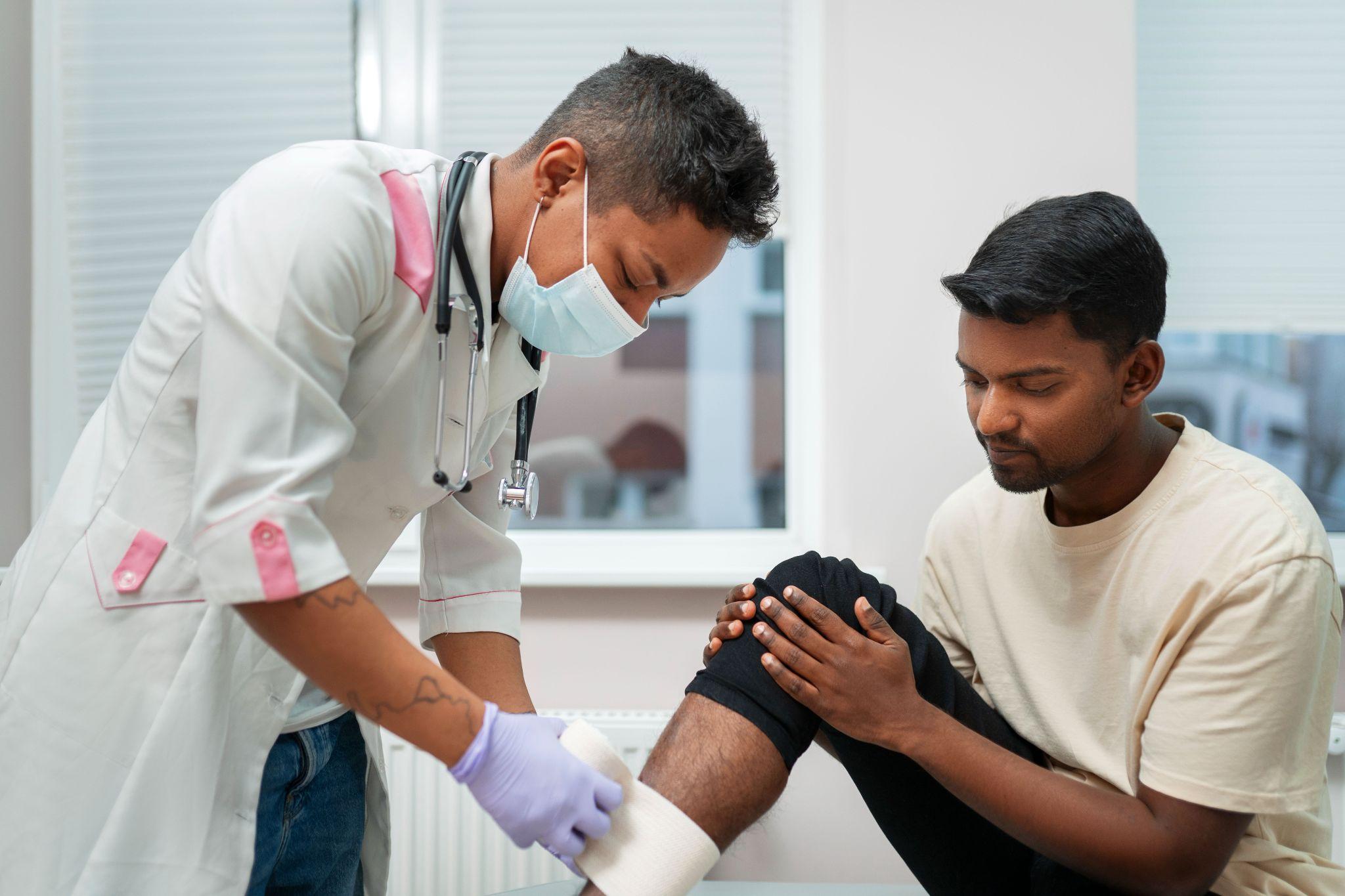
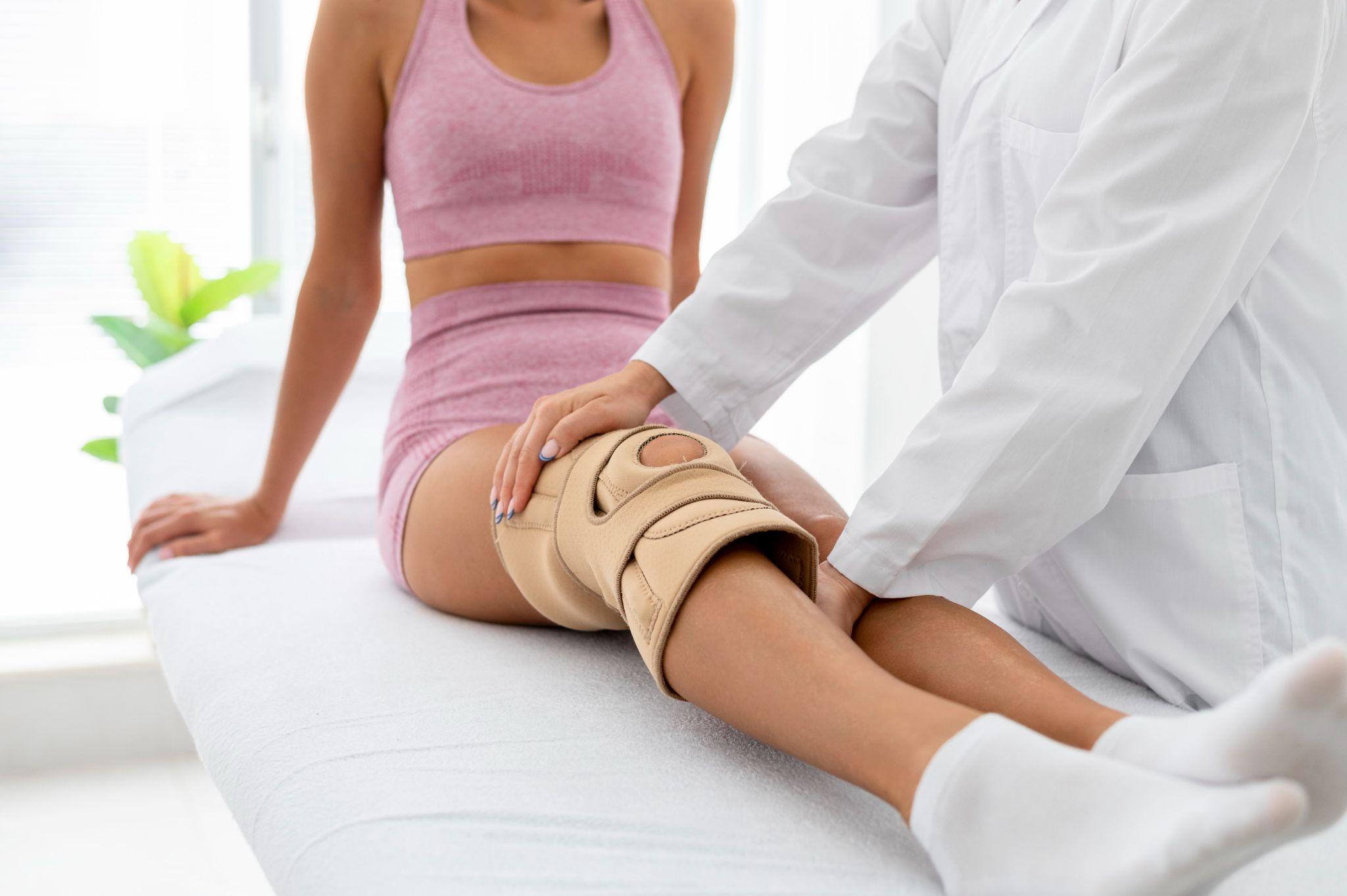
Patients usually notice pain when gripping objects, lifting, twisting the wrist, or shaking hands, which helps doctors identify the affected tendon.
In most cases, I can diagnose these conditions during a physical examination itself. No fancy tests needed.
Physical examination: I'll press on the epicondyle to check for tenderness, test your grip strength, and perform specific provocation tests:
- Cozen's test (for tennis elbow): I ask you to extend your wrist while I resist it. Pain on the outer elbow confirms the diagnosis.
- Reverse Cozen's / Golfer's elbow test: I ask you to flex your wrist against resistance. Pain on the inner elbow points to medial epicondylitis.
- Mill's test: I passively stretch your extensor muscles. Pain reproduction = positive.
When imaging is needed:
- X-ray: Primarily to rule out other things — fractures, arthritis, loose bodies in the joint. It won't show tendon damage but it rules out bony problems.
- Ultrasound: Can show tendon thickening, tears, and increased blood flow indicating active degeneration. Quick, painless, and I can do it right in the clinic.
- MRI: Reserved for cases where diagnosis is unclear, symptoms haven't improved with treatment, or I suspect a significant tendon tear.
About 95% of the time, the clinical exam tells me everything I need to know.
Treatment: what actually works
The majority of cases, around 80-90%, resolve without surgery. But "resolve" doesn't mean "ignore and hope." Proper treatment makes a big difference in how quickly you recover and whether the problem comes back.
Phase 1: pain relief and rest (Weeks 1-3)
Stop the aggravating activity. This doesn't mean stop using your arm entirely. It means identify what's causing the damage and modify it. If typing triggers pain, use an ergonomic keyboard and wrist rest. If wringing clothes hurts, use a spin dryer. If your tennis backhand is the problem, take a break from the court.
Ice for acute pain. Apply ice wrapped in a towel for 15 minutes, 2-3 times daily, especially after any activity that causes discomfort.
Anti-inflammatory medication. A short course (5-7 days) of NSAIDs like ibuprofen can help manage pain. Topical gels (diclofenac gel) applied directly over the tender area work well with fewer side effects.
Counterforce brace. A strap worn just below the elbow redistributes force away from the damaged tendon. I recommend wearing it during any activity that provokes symptoms. It doesn't heal anything, but it protects the tendon while it's healing.
Phase 2: rehabilitation (Weeks 3-12)

When pain persists, doctors may recommend shockwave therapy, PRP injections, or steroid injections, depending on the severity and the patient's needs.
Eccentric exercises are the cornerstone of treatment. These involve slowly lowering a weight rather than lifting it — the tendon lengthens under load. This stimulates tendon remodeling at the cellular level.
For tennis elbow: Hold a light dumbbell (0.5-1 kg) with your palm facing down, wrist over the edge of a table. Slowly lower the weight by bending your wrist down over 3-5 seconds. Use the other hand to bring it back up. Repeat 15 times, 3 sets, twice daily.
For golfer's elbow: Same setup, but palm facing up. Slowly lower the weight by extending the wrist downward. 15 reps, 3 sets, twice daily.
Grip strengthening: Squeeze a soft ball or use a hand grip exerciser. Start light and gradually increase.
Stretching: Before and after exercises, gently stretch the forearm muscles. Hold each stretch for 20-30 seconds.
Phase 3: advanced options (If needed)
If symptoms persist beyond 3 months despite proper rehabilitation:
- Shockwave therapy (ESWT): Sound waves break down scar tissue and stimulate blood flow to the tendon. Typically 3-5 sessions, one week apart. I've seen good results with this in about 60-70% of chronic cases.
- PRP injections (Platelet-Rich Plasma): Your own blood is drawn, the platelets are concentrated, and injected into the damaged tendon. The growth factors in platelets accelerate healing. Recovery takes 4-6 weeks after the injection.
- Corticosteroid injection: Provides rapid pain relief within days, but the effect is temporary (4-6 weeks). I use these sparingly because repeated steroid injections can actually weaken the tendon further.
Surgery (Last resort)
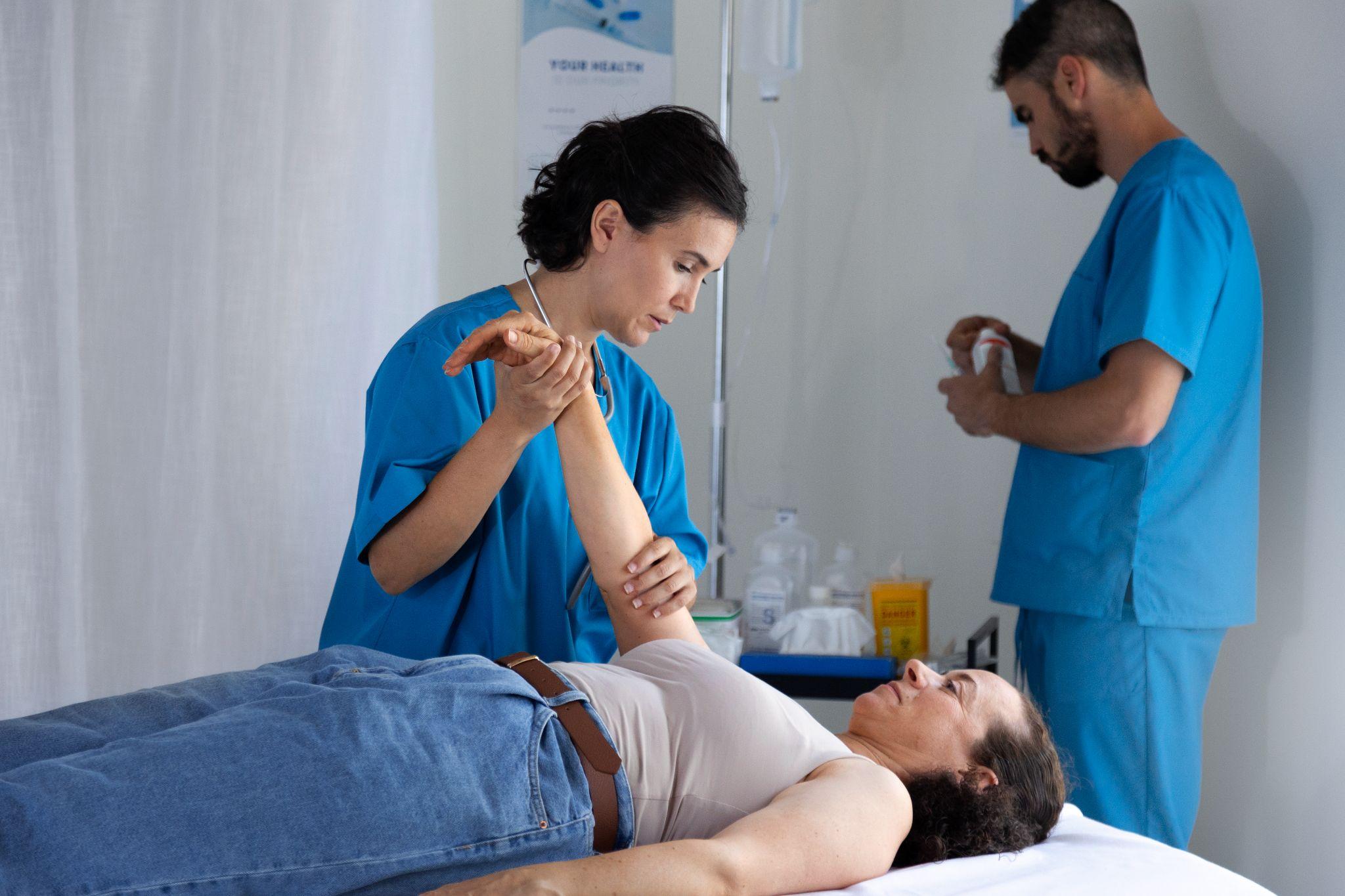
Surgery is rarely needed but may be considered if symptoms fail to improve after 6-12 months of conservative treatment. Minimally invasive tendon release procedures are commonly performed.
Surgery is considered only when 6-12 months of non-surgical treatment has failed. The procedure involves removing the damaged portion of the tendon and reattaching healthy tissue. It can be done arthroscopically through small incisions. Success rates are high, around 85-90%, but recovery takes 3-6 months.
Prevention: stopping It before It starts
- Use proper technique in sports. For tennis, get your grip size checked — a too-small grip forces the forearm to work harder.
- Take breaks during repetitive tasks. Every 30-45 minutes, stop and stretch your forearm.
- Strengthen your forearm muscles proactively, not just when pain appears.
- Use ergonomic tools, padded grips, wrist rests, proper desk height.
- Warm up before physical activity. Cold tendons tear more easily.
When to See a doctor
- Pain that hasn't improved after 2-3 weeks of rest and home treatment
- Difficulty performing daily tasks, gripping, lifting, typing
- Numbness or tingling in your fingers
- Visible swelling or redness around the elbow
- Pain that wakes you up at night
- Elbow that feels locked or catches during movement
The sooner you get the right diagnosis, the faster the recovery. Most patients I see wish they'd come in earlier instead of pushing through the pain for months.
Medical Disclaimer
The information provided on this website is for educational purposes only and should not be considered as medical advice. Please consult Dr. Ankur Singh or a qualified healthcare professional for personalized medical guidance.
Share this blog:
 Copy
Copy