Robotic Knee Replacement Recovery: The Week-by-Week Guide for Patients in Noida

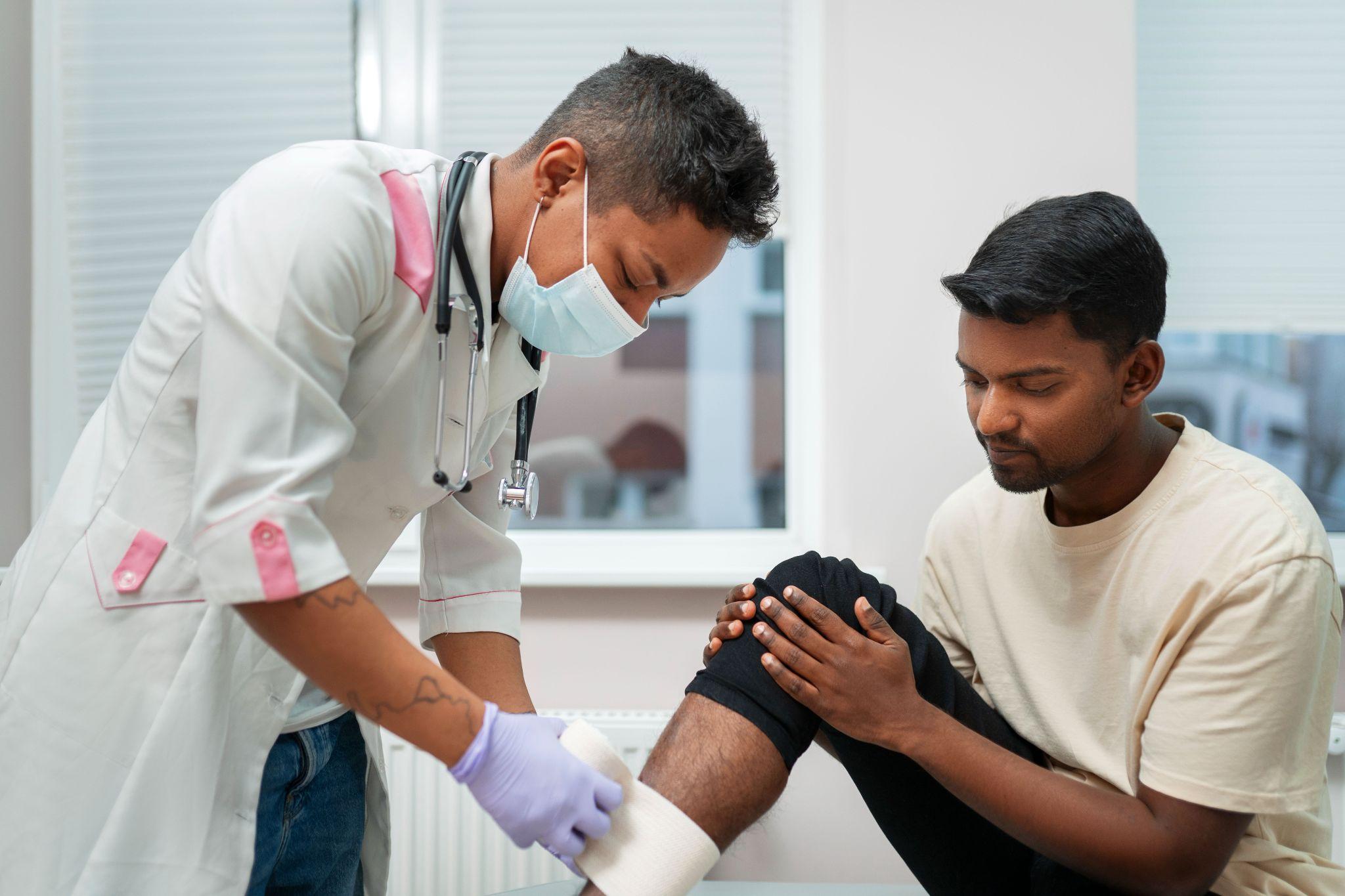
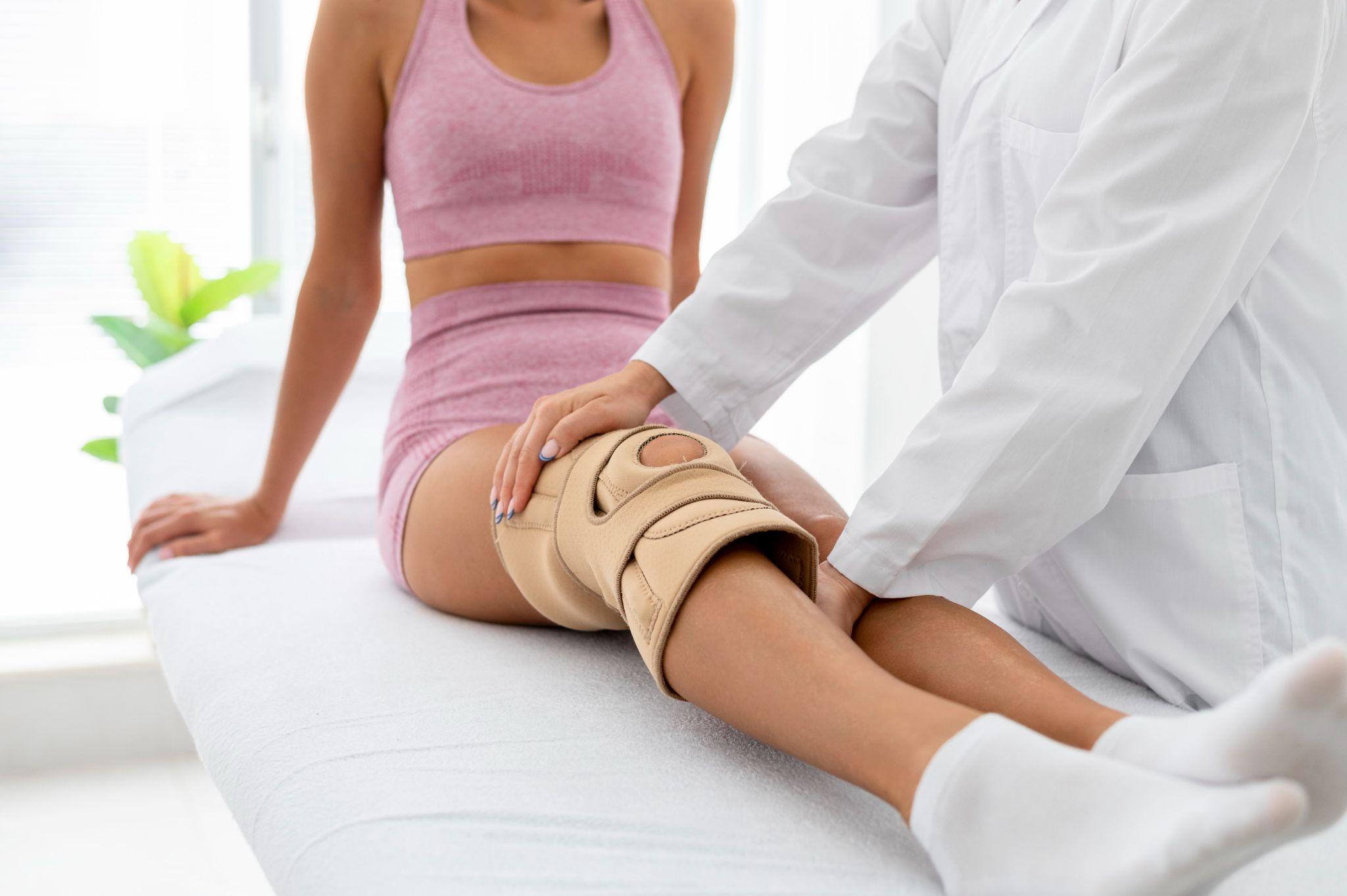
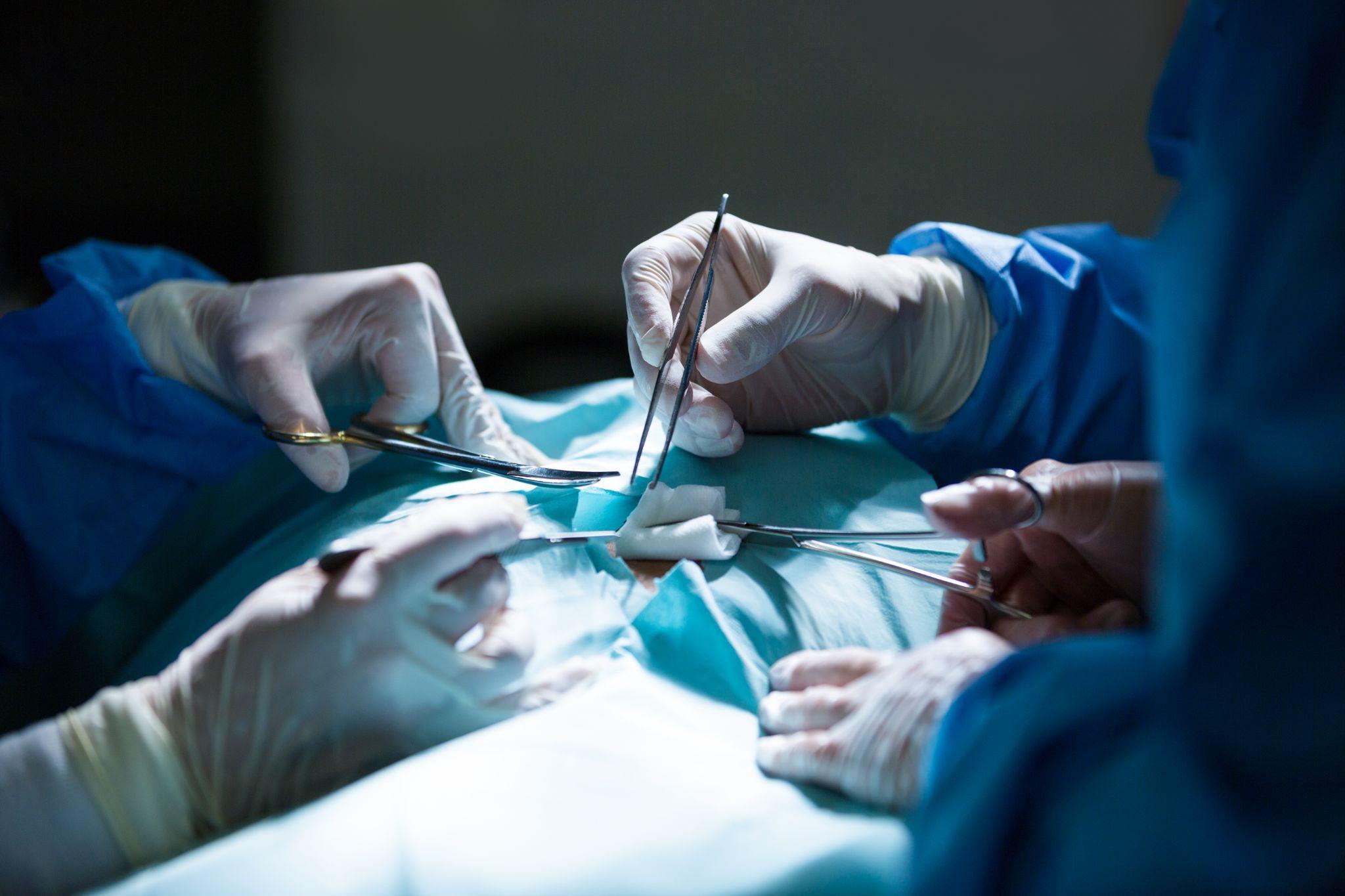
A healthcare professional examining a knee after total knee replacement surgery during recovery.
You made the decision. The surgery is done. The robotic system placed your implant with sub-millimetre precision, and the arthritic grinding that has been stealing your sleep and your movement for years is gone. Now comes the part that most patients are least prepared for — and that matters most for the final outcome.
Recovery after knee replacement is not something that happens to you. It is something you actively do. The patients who achieve the best results — walking comfortably at twelve weeks, climbing stairs confidently at four months, living essentially normally by six months — are the patients who understand what is happening in their knee at each stage and why the specific things they are asked to do matter.
This guide covers every phase of robotic knee replacement recovery for patients of Dr. Ankur Singh in Noida and Greater Noida. It is written for both the patient and the family members who will be supporting the recovery at home — because in the Indian context, the family caregiver is as important to outcomes as the surgeon.
Before You Come Home: Preparing Your Home in Noida
The single most important thing most patients miss is that the home needs to be ready before surgery, not after. When you return from KDSG Superspeciality Hospital in Greater Noida, you will be on a walker, partially weight-bearing, and not able to bend the knee deeply. A typical Noida flat or house will have things that need adjusting.
Bathroom:
- A raised toilet seat (commode riser) fitted before you return. Indian squat toilets cannot be used for at least three months — a Western-style commode with a riser is essential.
- A grab bar or sturdy support near the toilet if possible. If not, a plastic chair placed beside the toilet provides something to push up from.
- A shower chair for bathing. Standing on one leg in a slippery bathroom is a fall risk in the early weeks.
Bedroom:
- The bed should be at a height where your feet touch the floor when sitting on the edge — hip level or slightly above. If your bed is too low (a floor mattress, for example), arrange a temporary higher sleeping surface for the first six weeks.
- Clear the floor around the bed completely. No wires, no rugs, no obstacles the walker can catch on.
- Have a firm pillow ready to keep under the operated knee when lying down — mild elevation reduces swelling significantly in the early days.
Living space:
- Create a clear walking path from the bedroom to the bathroom to the main seating area. Furniture that narrows these paths should be moved temporarily.
- Remove floor-level items — shoes, bags, folded blankets — that someone on a walker could catch a foot or walker tip on.
- The main sitting chair should be firm and high enough that standing up from it does not require you to bend the knee beyond 90 degrees. Low sofas are problematic in the early weeks.
Stairs:
- If your home has stairs, identify which railing is on the operated leg's side (you go up with the good leg first, down with the operated leg first — "up with the good, down with the bad" is the standard teaching).
- If stairs are unavoidable to reach your bedroom, consider temporarily relocating the sleeping area to a ground-floor room.
The Hospital Phase: Day of Surgery to Day 4-5
Day of surgery:
After robotic knee replacement at KDSG Superspeciality Hospital, you will be moved to the orthopaedic ward once the spinal or general anaesthesia has stabilised. Pain is managed with a combination of nerve blocks, local infiltration, and oral medication — most patients describe the post-operative pain as significantly less than they expected, and notably different in quality from the arthritic pain they had before surgery.
The physiotherapist visits within hours of the procedure, often the same afternoon. This is not optional and not too soon — it is evidence-based and essential. You will be helped to perform:
- Ankle pumps (moving the foot up and down) to stimulate circulation and reduce DVT risk
- Quadriceps sets (tightening the thigh muscle without moving the leg)
- Straight leg raises if able
Day 1 after surgery:
You will be assisted to stand and take your first steps with a walker. This is the moment most patients dread and then describe with relief — it is difficult, uncomfortable, and genuinely possible. Most patients walk a short distance on day one.
The operated leg is weight-bearing — your body weight goes through the new joint from the first day. This is intentional and important. The implant is designed for it.
Days 2 to 4:
- Physiotherapy sessions twice daily in hospital
- Knee flexion exercises — bending the knee progressively further each session
- Walking distance increases with each session
- Swelling management: ice (wrapped to avoid skin contact) for 20 minutes several times daily
- DVT prevention: compression stockings, walking, ankle pumps, and blood thinning medication (typically a tablet taken once daily for two to four weeks after discharge)
Discharge criteria (typically day 3-5):
Dr. Ankur Singh's team will discharge you when:
- Pain is controlled with oral medication
- You can walk safely with a walker
- You can manage stairs with supervision
- The wound is clean and the dressing intact
- Blood tests are satisfactory
Home Phase: Weeks 1 and 2
These are the most intensive weeks of the recovery. Pain and swelling are at their highest. Progress feels slow. Family support is most needed.
Pain and swelling:
Pain is expected and managed with the medication prescribed at discharge. Take it on schedule — waiting until pain is severe makes it harder to control. Swelling in the knee and sometimes the foot and ankle is normal and will persist for weeks to months. It does not mean something is wrong.
Ice application: 20 minutes on, at least 40 minutes off, several times through the day. A bag of frozen peas wrapped in a thin cloth works well. Never apply ice directly to skin.
Elevation: whenever resting, keep the leg elevated — heel supported on a pillow, knee slightly above hip level. This significantly reduces swelling.
Physiotherapy at home:
Perform your home exercise programme twice daily. The specific exercises from the physiotherapy team include:
- Ankle pumps: 20 repetitions every hour while awake
- Quad sets: tighten the thigh, hold for 5 seconds, release. 10 repetitions, 3 times daily
- Straight leg raises: tighten the quad, raise the leg to about 45 degrees, hold 2 seconds, lower slowly. 10 repetitions, 3 times daily
- Heel slides: lying on your back, slide the heel toward the buttock bending the knee, hold briefly, straighten. Aim for 90 degrees of flexion by end of week 2
- Short arc quads: with a rolled towel under the knee, straighten the leg fully, hold 5 seconds, lower. 10 repetitions, 3 times daily
Walking:
Use the walker for all movement. Walk multiple short sessions through the day — 5 to 10 minutes each — rather than one long session. The goal is normal gait pattern: heel-to-toe, upright posture, no limping. Short, pain-free sessions with good technique are more valuable than long painful shuffles.
Family duties this fortnight:
- Prepare meals (patient cannot stand for extended periods)
- Assist with bathing (sponge bath or assisted shower with shower chair)
- Help with dressing (particularly socks and footwear — bending is restricted)
- Check wound for signs of infection daily: increasing redness spreading from the wound edges, warmth, any discharge, fever above 38.5°C → call the clinic
- Ensure medication is taken on schedule
- Drive to physiotherapy and follow-up appointments
Weeks 3 and 4: Building Confidence
By week three, most patients notice a clear improvement curve. Pain is lessening. Walking distances are increasing. The knee is starting to feel like it belongs to them.
Physiotherapy milestones this period:
- Knee flexion target: 100 to 110 degrees by end of week 4
- Walking without limping is the priority — gait quality, not just distance
- Stationary cycling (if available) begins around week 3: seat raised high so the knee barely bends, low resistance, 5 to 10 minutes initially
- Step exercises: stepping up and down a single step, holding the railing
- Standing knee bends (mini squats): holding a sturdy support, bend both knees gently to 30-40 degrees
Aids and mobility:
The transition from a walker to a single elbow crutch or walking stick typically happens when the patient can walk without significant limp and feels confident with single-point support. Do not rush this transition — Dr. Ankur Singh's team will advise specifically based on your progress. For most patients this happens somewhere between weeks 3 and 5.
What you can do:
- Shower standing with support (shower chair can be dropped if confidence is good)
- Dress independently with adaptive techniques (long-handled shoe horn, dressing stick for socks)
- Short car journeys as a passenger (not driving yet) — get in with the operated leg first, seat pushed back fully
- Light meals preparation if the kitchen allows standing briefly
Weeks 5 and 6: The Six-Week Milestone
The six-week follow-up appointment with Dr. Ankur Singh is a key milestone. X-rays confirm implant position. Range of motion is formally assessed. Restrictions are reviewed and progressively lifted.
What to bring to the six-week appointment:
- The list of exercises you have been doing
- Any specific concerns about pain, swelling, or movement
- Questions about activities you want to resume
Physiotherapy at six weeks:
- Knee flexion target: 110 to 120 degrees
- Walking unaided or with a stick for longer distances
- Cycling (stationary or on flat outdoor terrain) with proper resistance
- Gentle stair climbing without holding the railing
- Starting leg press machine (low weight, supervised by physiotherapist)
Driving:
Most patients are cleared to drive at 6 to 8 weeks after right knee replacement. The test: can you perform an emergency stop with force and speed? If yes, you are safe to drive. Indian roads require particular alertness — the stop-start nature of Delhi-NCR traffic and the unpredictability of two-wheelers and pedestrians means driving readiness is genuinely important to assess honestly.
Months 2 and 3: Progressive Strengthening
By months 2 and 3, the acute recovery phase is complete and the rebuilding phase is well underway. Most patients are walking normally, managing household stairs, and resuming light daily activities.
Physiotherapy in this phase:
- Leg press at progressively higher resistance
- Leg extension and leg curl machine work (if available at the physiotherapy centre)
- Balance training: single leg standing (briefly), balance board exercises
- Treadmill walking at flat grade
- Swimming — one of the best activities for this phase, providing cardiovascular fitness and range-of-motion work without impact
Target knee flexion: 120 to 130 degrees — enough for most Indian daily activities including sitting on chairs of varying heights, car seating, and light squatting.
Return to office work:
Most desk job workers return to the office at 8 to 12 weeks. The key requirements: comfortable sitting for extended periods, able to walk to the vehicle and from parking, managing office stairs. If the commute involves long metro journeys with standing, this may need an extra two to four weeks.
Months 4 to 6: Return to Full Life
This phase is where recovery stops feeling like recovery and starts feeling like normal life.
What most patients achieve by month 6:
- Walking unlimited distances without significant pain or fatigue
- Climbing stairs normally (no railing needed)
- Driving in all conditions
- Low-impact sport: cycling, swimming, walking programmes, golf
- Light gardening and household maintenance
- Returning to cultural and social activities: family functions, temple visits, modest travel
Floor sitting:
Many patients regain the ability to sit on a low surface or modified cross-legged position by months 4 to 6. This is individual — it depends on the degree of knee flexion achieved and the implant design. If floor sitting at family functions or religious occasions is important to you, discuss this specifically with Dr. Ankur Singh before surgery.
Indian toilet use:
Some patients can manage modified Indian toilet use after 6 months — but this requires good quad strength, adequate knee flexion, and confidence. It should be attempted only with appropriate grab support nearby and only after specific clearance from Dr. Ankur Singh.
Red Flags: When to Call the Clinic or Go Straight to A&E
Call the clinic immediately if:
- Increasing redness spreading from the wound (not just the wound edges — if it is spreading outward)
- Any discharge from the wound (yellow, green, or bloody)
- Fever above 38.5°C
- Severe swelling that is worsening rather than improving after week two
- Knee pain that is getting significantly worse, not better, week on week
Go to A&E immediately if:
- Sudden, severe calf pain or calf warmth and swelling (possible DVT)
- Chest pain or breathlessness (possible pulmonary embolism — a serious complication)
- The knee feels like it has "given" or is in an abnormal position (possible dislocation, rare but requires urgent assessment)
- Loss of sensation or severe weakness in the foot
Frequently Asked Questions
When can I stop the blood-thinning medication?
Blood thinning medication (usually a tablet) is prescribed for 2 to 4 weeks after knee replacement to prevent DVT. Do not stop it early without Dr. Ankur Singh's specific instruction. Take it at the same time every day as prescribed.
How do I know if my knee flexion is progressing normally?
Target milestones: 90 degrees by week 2, 100-110 degrees by week 4, 110-120 degrees by week 6, 120-130 degrees by month 3. If significantly behind these milestones, inform Dr. Ankur Singh's team — early intervention prevents stiffness from becoming permanent.
Can I ride a two-wheeler after knee replacement?
Two-wheeler riding is not recommended in the first 3 months. After that, a scooter (automatic, no clutch) is generally manageable before a manual gearbox motorcycle. Dr. Ankur Singh will advise based on individual recovery. Indian road conditions require excellent knee function and rapid response — rush nothing here.
How long will I need physiotherapy?
Formal physiotherapy for a minimum of 12 weeks is recommended. Many patients benefit from continuing exercises independently beyond this. The gym can be resumed at 3 to 6 months with specific exercise guidance — discuss with Dr. Ankur Singh's team.
Dr. Ankur Singh | Best Robotic Knee Replacement Surgeon in Noida | Recovery Guidance | KDSG Superspeciality Hospital, Greater Noida | Renew Orthopedic Clinic, Sector 47 Noida
Medical Disclaimer
The information provided on this website is for educational purposes only and should not be considered as medical advice. Please consult Dr. Ankur Singh or a qualified healthcare professional for personalized medical guidance.
Share this blog:
 Copy
Copy