Meniscal Transplant: Can You Replace a Removed Meniscus?

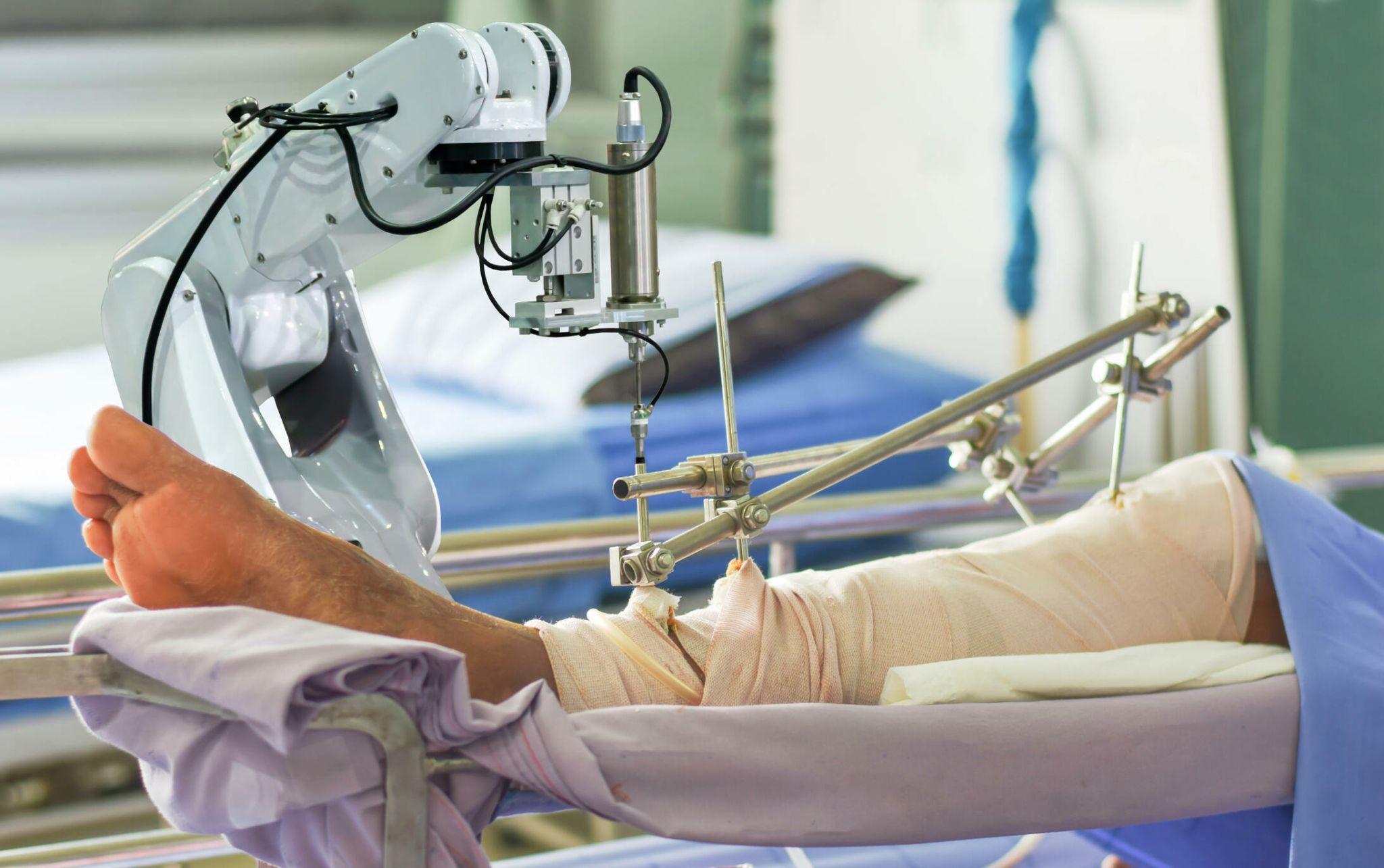
Doctors in a meniscal transplant surgery.
One of the most common clinical conversations in knee surgery is about the meniscus — what to do when it tears, and what happens after it is removed. Most patients who have had a partial meniscectomy (surgical removal of torn meniscal tissue) were told either that the tissue was "dead" and needed to be removed, or that the removal was necessary to relieve the symptoms. Both may be true. What is less commonly discussed is what the long-term consequences of meniscal removal are — and whether anything can be done if those consequences become clinically significant.
The answer, in carefully selected patients, is meniscal allograft transplantation — a procedure where donor meniscal tissue replaces the removed native meniscus. It is not widely available in India. It is not appropriate for everyone. And it requires an honest discussion of what it can and cannot achieve. But for the right patient — typically a young, active individual with significant post-meniscectomy symptoms and preserved articular cartilage — it represents an important joint-preserving option that most Indian patients are never told exists.
Why the Meniscus Matters More Than Most Patients Know
The meniscus is not simply a cushion in the knee. It performs several critical functions:
1. Load distribution
The medial and lateral menisci distribute load across a larger area of the tibial plateau — reducing the peak stress on any given point of articular cartilage. Studies have shown that partial meniscectomy increases peak contact stresses in the knee by 65 to 235 percent depending on how much tissue is removed. This dramatically accelerated mechanical wear is the primary driver of post-meniscectomy arthritis.
2. Joint stability
The meniscus contributes to rotational stability of the knee, acting as a wedge that prevents the femur from translating over the tibia during dynamic activities.
3. Proprioception
The meniscus contains mechanoreceptors — nerve endings that sense joint position, load, and movement. These contribute to the neuromuscular reflexes that protect the joint during sudden loading events.
4. Lubrication
The meniscus assists in distributing synovial fluid across the articular surfaces during joint movement.
When a significant portion of the meniscus is removed — particularly if the posterior horn (the back section) is removed, which bears the most load — all of these functions are compromised simultaneously. The result, documented in multiple 15 to 20-year longitudinal studies, is accelerated articular cartilage loss in the corresponding knee compartment and earlier onset of symptomatic osteoarthritis than would occur in a knee with an intact meniscus.
Who Is at Risk After Meniscectomy
Not every patient who has had meniscal tissue removed will develop significant post-meniscectomy arthritis. The variables that determine risk include:
Amount removed: Partial meniscectomy (removing only the torn portion) preserves more function than subtotal or total meniscectomy. The more tissue removed, the higher the subsequent contact stress and the greater the arthritis risk.
Location: Posterior horn removal carries higher functional consequences than anterior horn removal because the posterior horn bears proportionally more load.
Patient age: Younger patients have longer time horizons over which the accumulated mechanical disadvantage of meniscal deficiency produces clinical arthritis. A 25-year-old who loses a significant portion of their medial meniscus has 40 to 50 years for post-meniscectomy arthritis to develop. A 60-year-old has a shorter window.
Activity level: Higher activity levels accelerate the biomechanical consequences of meniscal deficiency.
Pre-existing cartilage quality: Patients who already have some cartilage damage before the meniscectomy are on a faster arthritis trajectory post-meniscectomy.
What Meniscal Allograft Transplantation Is
Meniscal allograft transplantation (MAT) is a surgical procedure in which a donor meniscus — obtained from a cadaveric donor, processed, and stored in a tissue bank — is transplanted into the recipient's knee to replace the removed native meniscus.
The procedure requires:
- A donor meniscus of appropriate size (matched to the recipient's tibial plateau dimensions using pre-operative MRI and X-ray measurements)
- Arthroscopic or mini-open technique to prepare the tibial plateau and secure the allograft at its correct bone attachment points (the meniscal horns must be bone-anchored to function biomechanically like the native meniscus)
- A recipient knee that still has viable articular cartilage — the transplant functions by reducing the mechanical stress on preserved cartilage; if the cartilage is already destroyed, the transplant has no surface to protect
What the procedure can achieve:
- Restoration of near-normal contact stress distribution in the knee compartment
- Significant reduction in knee pain, particularly activity-related pain
- Improved knee function for sports and active pursuits
- Slowing or halting the progression of post-meniscectomy arthritis when performed at the right stage
What the procedure cannot achieve:
- Regeneration of articular cartilage that has already been lost
- Complete biological integration comparable to a native meniscus (the allograft is not vascularised and does not fully remodel into living tissue the way a healing repair does)
The Ideal Candidate
Patient selection is the most critical aspect of MAT outcomes. The ideal candidate is:
Age under 50 (ideally under 40): The best candidates are young, active patients for whom the long-term consequences of continued meniscal deficiency are most significant.
Significant meniscal deficiency: Either total meniscectomy or subtotal meniscectomy where the posterior horn (the most load-bearing section) is absent.
Preserved articular cartilage: The procedure requires an MRI-confirmed intact or near-intact articular cartilage surface in the compartment to be treated. Grade III-IV articular cartilage changes in the same compartment significantly worsen outcomes.
Symptomatic post-meniscectomy syndrome: The patient has significant activity-related pain, compartment-specific tenderness, and functional limitation specifically attributable to meniscal deficiency — not other causes.
Normal or correctable limb alignment: Significant varus or valgus malalignment must be addressed (through concomitant osteotomy) at the time of transplant, because abnormal alignment will concentrate load on the transplanted tissue and accelerate failure.
Absent ligament instability: Major ligament instability (ACL, PCL deficiency) must be reconstructed concurrently, as instability places excessive stress on the transplanted meniscus.
Current Availability in India
Meniscal allograft transplantation in India is limited — both by the availability of appropriately processed cadaveric allografts and by the small number of centres and surgeons with experience in the procedure.
The challenges specific to India:
- Cadaveric tissue banking for meniscal allografts is less developed than in the US or European countries where robust tissue banking infrastructure exists
- Matching donor tissue to recipient size and ensuring appropriate sterilisation and storage is complex
- The number of cases performed annually across India is small, meaning few surgeons have high-volume MAT experience
For patients who are ideal MAT candidates, the options in India currently include:
- Specialist centres in Delhi, Mumbai, and Bangalore with established sports medicine and complex knee reconstruction programmes
- International referral (some Indian patients travel to Singapore, UAE, or European centres for this procedure)
- Participation in clinical programmes as this field develops in India
The conversation with Dr. Ankur Singh for appropriate patients focuses on: establishing whether the patient is a MAT candidate, discussing the current availability landscape honestly, and determining whether the clinical picture warrants the logistical complexity of accessing the procedure.
Why Meniscal Preservation Matters More Than Transplant
The most important clinical message is one that applies before any transplant is needed: preserve the meniscus rather than remove it whenever possible.
The current evidence strongly favours meniscal repair over meniscectomy in cases where the tear is repairable — particularly tears in the vascular outer zone of the meniscus (the red-red and red-white zones) where healing potential exists. Surgeons who default to partial meniscectomy for every tear — because it is faster, technically simpler, and has quicker recovery — are not serving their patients' long-term interests.
Meniscal repair has a longer recovery and a meaningful re-tear rate, but a successfully healed repair preserves the biological meniscus — which is always better than the best allograft. The conversation about meniscal repair versus meniscectomy, at the time of the index procedure, is the most important meniscal decision.
Frequently Asked Questions
1. How long does a meniscal transplant last?
Published data shows that 70 to 80 percent of meniscal transplants survive and function well at 10 years when performed in appropriately selected patients. The procedure does not last forever — gradual degradation of the allograft occurs over years — but a decade or more of improved function for a young patient is clinically meaningful.
2. Can meniscal transplant be combined with other knee procedures?
Yes — and it often is. MAT is frequently combined with ACL reconstruction (if the ACL is also deficient) and with tibial osteotomy (if varus malalignment is present). These concomitant procedures address the factors that would otherwise compromise the transplant's longevity.
3. Is there a waiting list for donor meniscus tissue in India?
This depends on the specific centre and their tissue banking arrangements. As the field develops in India, access to appropriately matched donor tissue is improving, but it remains the primary logistical constraint in offering this procedure widely.
Dr. Ankur Singh | Knee Specialist Noida | Meniscal Preservation Surgery | Meniscal Transplant Information India | KDSG Superspeciality Hospital Greater Noida | Renew Orthopedic Clinic Sector 47 Noida
Medical Disclaimer
The information provided on this website is for educational purposes only and should not be considered as medical advice. Please consult Dr. Ankur Singh or a qualified healthcare professional for personalized medical guidance.
Share this blog:
 Copy
Copy