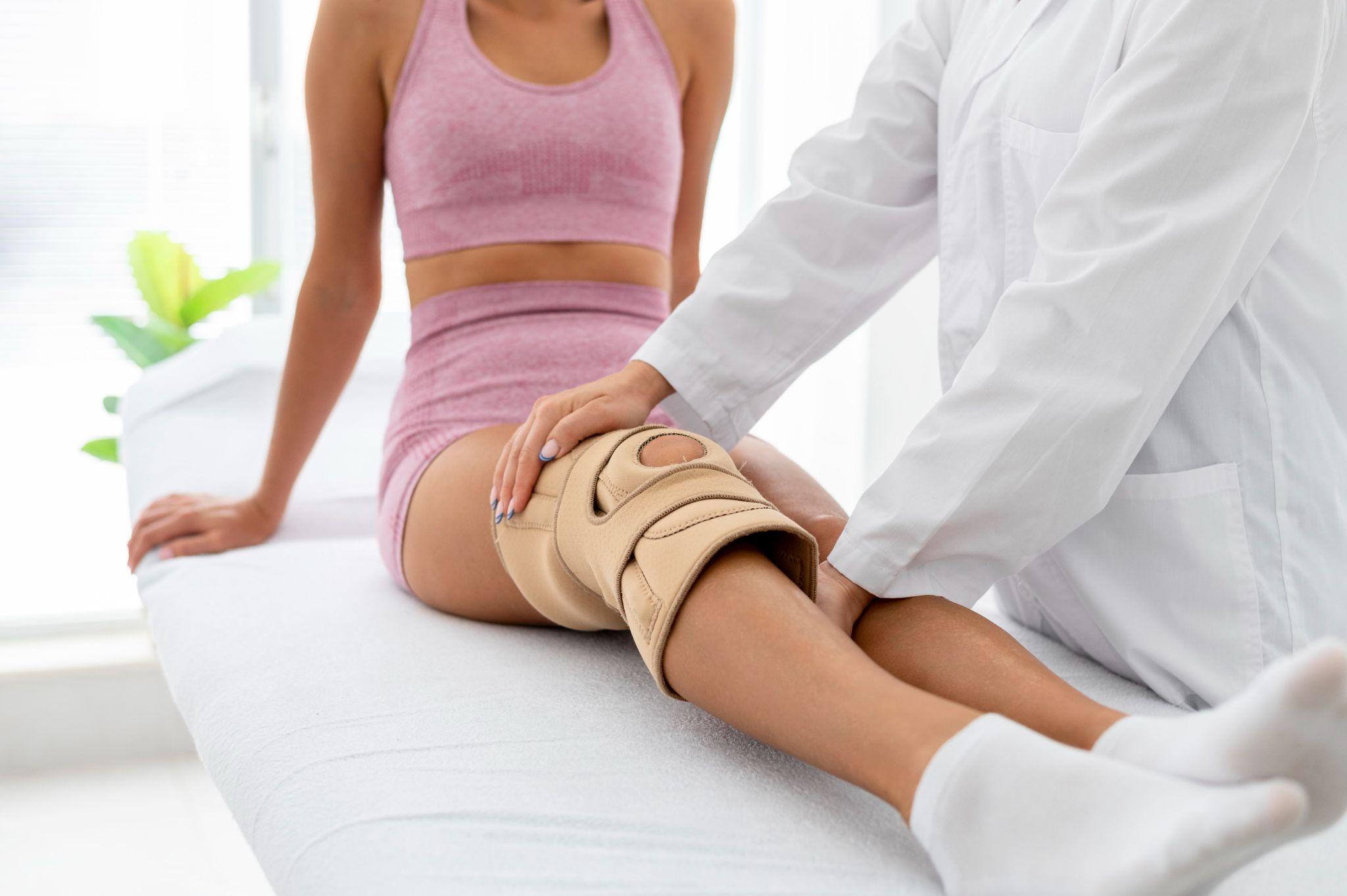
Daily Benefits of Walking for the Hip and Knee
Pain and stiffness in the hips and knees are among the most common adult complaints, especially for older or sedentary people. Everything from age and arthritis to hours of stationary sitting can make ordinary activities uncomfortable. Walking, on the other hand, is one of the easiest things you can do to protect these joints. This article outlines the well-documented benefits of daily walking for hip and knee health, explains how it builds strength and flexibility, and offers practical tips for making it a safe part of your routine.
Why Hip and Knee Health Matters
Your hips and knees are the major weight-bearing joints of the body. They are the center of your mobility, whether you are standing, sitting, walking, or climbing stairs. With time, and due to age, excess body weight, poor posture, or general inactivity, many people develop joint stiffness, wear and tear, and conditions such as osteoarthritis.
Limited joint motion contributes to a loss of balance, coordination, and confidence, which in turn leads to even less activity. Gentle but consistent exercise is needed to keep the hips and knees strong and to preserve flexibility, stability, and overall function. Regular walking is one of the best natural ways to achieve this.
How Does Walking Support Joint Health?
Walking helps maintain healthy joints in more than one way. It naturally lubricates the joints and stimulates the muscles around them. Here is how it helps your hips and knees:
- Improves blood circulation: Increased blood flow brings more oxygen and nutrition to the cartilage and tissues around the joints.
- Lubricates cartilage: Movement encourages the production of synovial fluid, the body's natural joint lubricant, which reduces friction and stiffness.
- Strengthens supporting muscles: Walking engages the quadriceps, hamstrings, calves, and glutes, all of which are important for stabilizing the hip and knee joints.
- Improves flexibility: Regular movement keeps tendons and ligaments supple and improves range of motion.
As little as 20 to 30 minutes of walking a day can noticeably improve joint function and help reduce chronic pain over time.
Major Benefits of Daily Walking for Hips and Knees
Strengthens muscles and bones
Walking engages all the major lower body muscles, including the thighs, calves, and glutes. The stronger these muscles are, the greater the stability and protection they provide to the hip and knee joints. Because it is a low-impact, weight-bearing exercise, walking also promotes bone density and helps reduce the risks associated with osteoporosis and fractures.
Improves lubrication between joints
Cartilage in the joints does not have a direct blood supply, so its nourishment depends on movement. Walking helps keep the joints smooth. As you move, synovial fluid circulates and prevents the stiffness that often comes with inactivity.
Relieves joint pain and swelling
Regular walking has been shown to help reduce inflammation and joint stiffness associated with arthritis. It is especially suitable for people with mild to moderate joint pain because it activates the joints without the overload common in high-impact activities.
Offers greater flexibility and range of motion
Walking keeps your hips and knees flexible, along with the muscles, tendons, and ligaments that support them. It increases your range of motion and reduces the risk of injury from sudden movements or loss of balance.
Helps with weight control
Excess body weight places additional stress on the hips and knees. Walking helps burn calories and manage body fat, which eases the pressure on these joints. Even modest weight loss can substantially reduce joint pain and may slow the progression of arthritis.
Improves balance and posture
Walking strengthens the core and leg muscles that stabilize the body. Improved balance reduces the risk of falls, particularly among older adults, and supports correct posture of the spine and lower limbs.
Correct Gait for Healthy Joints
Walking is simple, but the right technique helps you get the most benefit without straining your joints. Here is how to walk safely for optimal joint health:
- Posture: Keep your head up, your shoulders relaxed, and your spine straight.
- Engage your core: A strong core stabilizes your hips and lower back during movement.
- Stride naturally: Avoid overstriding or locking your knees, and use comfortable, even steps.
- Wear supportive shoes: Good cushioning and arch support reduce the impact on your knees.
- Choose flat, even surfaces: This reduces the risk of imbalance or joint stress.
- Build up gradually: Start with short walks, then slowly increase speed and distance.
Good form ensures that the right muscles develop to support your joints and protect them from unnecessary strain with every step.
How Much Walking to Maintain Healthy Joints
For most adults, 30 minutes a day, five or six days a week, produces noticeable improvements in hip and knee health. If that feels daunting at first, break it into two 15-minute sessions. Morning and evening walks are equally effective.
- Warm up with 5 minutes of light stretching or slow walking.
- Walk at a comfortable, steady pace for your main session.
- Cool down with some light leg, hip, and lower back stretches.
You can also combine walking with low-impact strength exercises that support joint stability, such as leg raises, squats, or bridges. Remember that consistency matters more than speed. Over time, this practice will strengthen your muscles and naturally improve flexibility in the joints.
Tips for People with Hip or Knee Pain
If you are already in pain, make walking a little easier and listen to your body. These practical tips can help you walk with less discomfort:
- Start on flat, soft surfaces such as grass, rubber tracks, or walking paths.
- Use walking poles or supports if your balance is unsteady.
- Wear orthopedic or cushioned shoes to absorb impact.
- Avoid steep hills and uneven surfaces, as both place additional stress on the knee joints.
- For mild soreness, try a warm compress before walking and ice afterward.
- If the pain persists, consider seeing a physiotherapist for advice.
Walking through mild discomfort can help strengthen the joints, but sharp or worsening pain is a signal to stop.
When to See a Doctor
Walking is generally safe, but certain warning signs mean you should consult an orthopedic specialist rather than pushing through. See a doctor if you notice any of the following:
- Sharp, severe, or sudden joint pain while walking.
- Pain that keeps getting worse despite rest and gentle activity.
- Significant swelling, warmth, or redness around the hip or knee.
- A joint that locks, gives way, or feels unstable.
- Difficulty bearing weight or a noticeable change in your walking pattern.
- Pain that disturbs your sleep or does not improve over several weeks.
These symptoms can point to conditions that need proper evaluation, so it is best to get them checked early.
Conclusion
Walking is one of the simplest, most natural, and most effective ways to care for your hips and knees. It is low-impact, easy to start, and needs no special equipment beyond a comfortable pair of shoes and a little time each day. With regular walking, you strengthen muscles, increase flexibility, reduce inflammation, and protect your joints over the long term. Consistency is the key. Make walking a part of your daily life, and you can keep moving comfortably and with stronger, healthier joints for years to come.
If you are dealing with persistent hip or knee pain, or you want guidance on a walking routine that is safe for your joints, book a consultation with Dr. Ankur Singh, a senior orthopedic specialist in Noida. A personalized assessment can help you stay active and pain-free.
Frequently Asked Questions
Is walking good for knee pain?
Yes. Walking strengthens the muscles around your knees, which gives the joint better support and helps reduce pain caused by stiffness. Start gently and stop if you feel sharp pain.
Can walking help with hip stiffness?
Yes. Walking keeps the hip joints lubricated and flexible, which helps minimize stiffness and improve mobility. Regular, gentle movement is often more helpful than long periods of rest.
How long should I walk daily for healthy joints?
For most people, about 30 minutes of brisk walking on five days a week supports good joint health. You can split this into shorter sessions if that is more comfortable for you.
Is walking safe for arthritis in the knees or hips?
For most people with mild to moderate arthritis, walking is one of the safest low-impact exercises. Start slowly, wear cushioned shoes, and avoid hard surfaces. If you are unsure, check with your doctor first.
Which is better for joints: walking or running?
Walking is much gentler on the joints than running and is a great way to stay strong and flexible without overloading the hips and knees. Running can be appropriate for some people, but it carries a higher impact load.
Medical Disclaimer
The information provided on this website is for educational purposes only and should not be considered as medical advice. Please consult Dr. Ankur Singh or a qualified healthcare professional for personalized medical guidance.
Share this blog:
 Copy
Copy