Runner's Knee: Why It Happens and How to Fix It
Runner's knee is one of the most common injuries among people who jog, train, or stay active. Even professional athletes often experience runner's knee pain, especially during long-distance runs, stair climbing, or squats. The condition is frustrating, but understanding the causes and choosing the right treatment can help you recover faster and prevent future injuries. This guide explains why knee pain in runners is so common, the signs you should look out for, and the most effective ways to treat and prevent it.
What Is Runner's Knee?
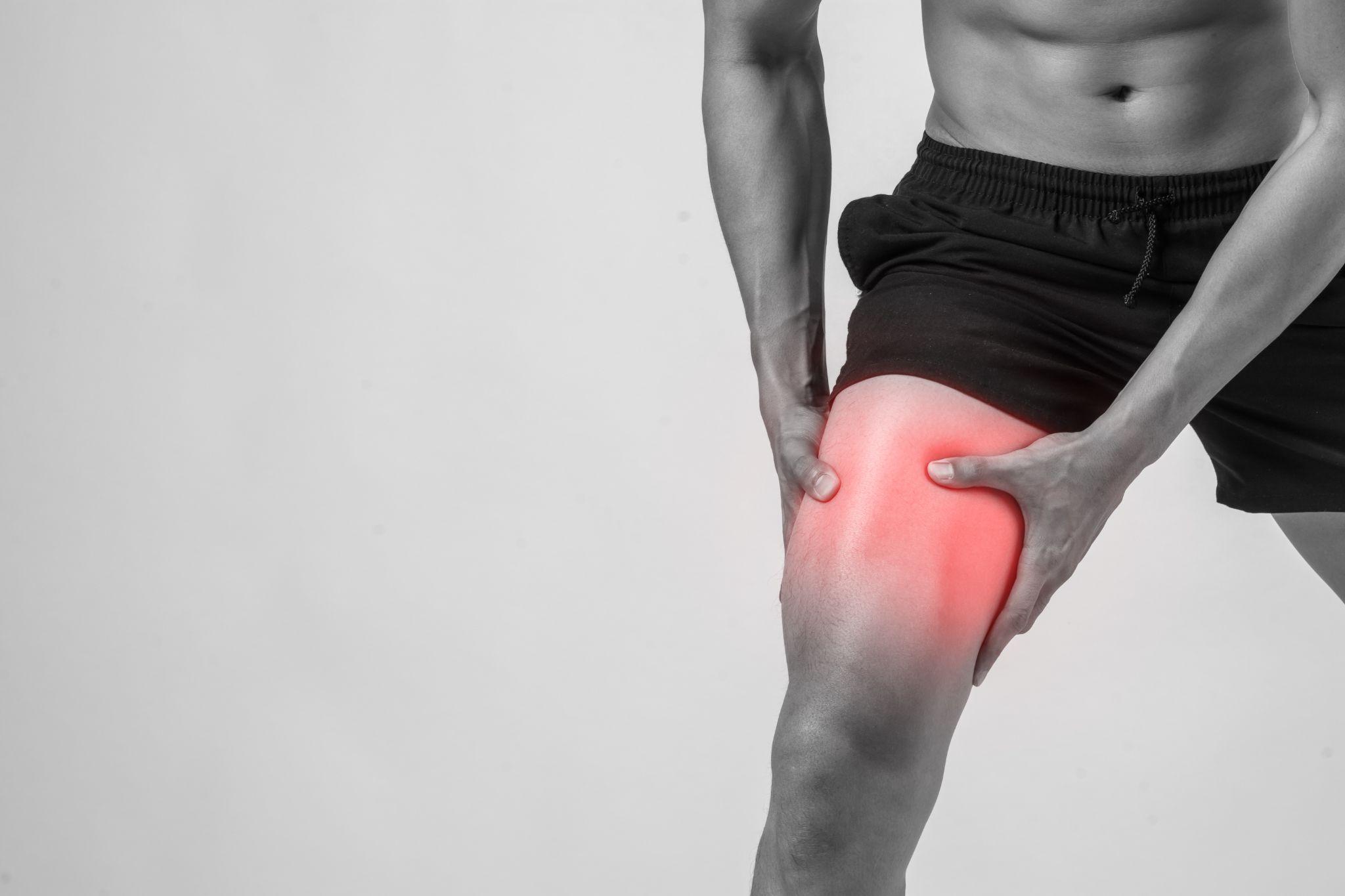
Runner's knee is medically known as patellofemoral pain syndrome. It refers to pain around the front of the knee, especially near the kneecap (patella). It affects many runners, but it can also occur in anyone who puts repeated stress on the knee joint. The condition usually develops gradually, often starting as mild discomfort before progressing into persistent pain.
Why Runner's Knee Happens
Several factors can contribute to runner's knee, and in many cases more than one is involved at the same time.
Overuse of the Knee Joint
The most common cause of runner's knee is overuse. Repeated bending and impact during running puts stress on the cartilage under the kneecap. Over time, this leads to irritation and inflammation.
Muscle Weakness and Imbalance
Weak quadriceps, tight hamstrings, or underactive hip muscles can cause the kneecap to move irregularly. This misalignment increases pressure on the knee joint, leading to pain while running or walking downstairs.
Poor Running Form
Improper foot alignment, overstriding, or inward knee collapse during running contributes to knee pain in runners. Even wearing uncomfortable shoes can affect your posture and knee stability.
Sudden Increase in Training Intensity
Increasing distance, speed, or hill training abruptly puts excess load on the knees. This overload may cause micro-injuries, leading to knee pain while running.
Previous Injuries
Previous ankle or hip injuries can change your movement patterns. When the body compensates, the knees often take the extra strain.
Common Symptoms of Runner's Knee
Look out for the following signs:
- Pain around or behind the kneecap
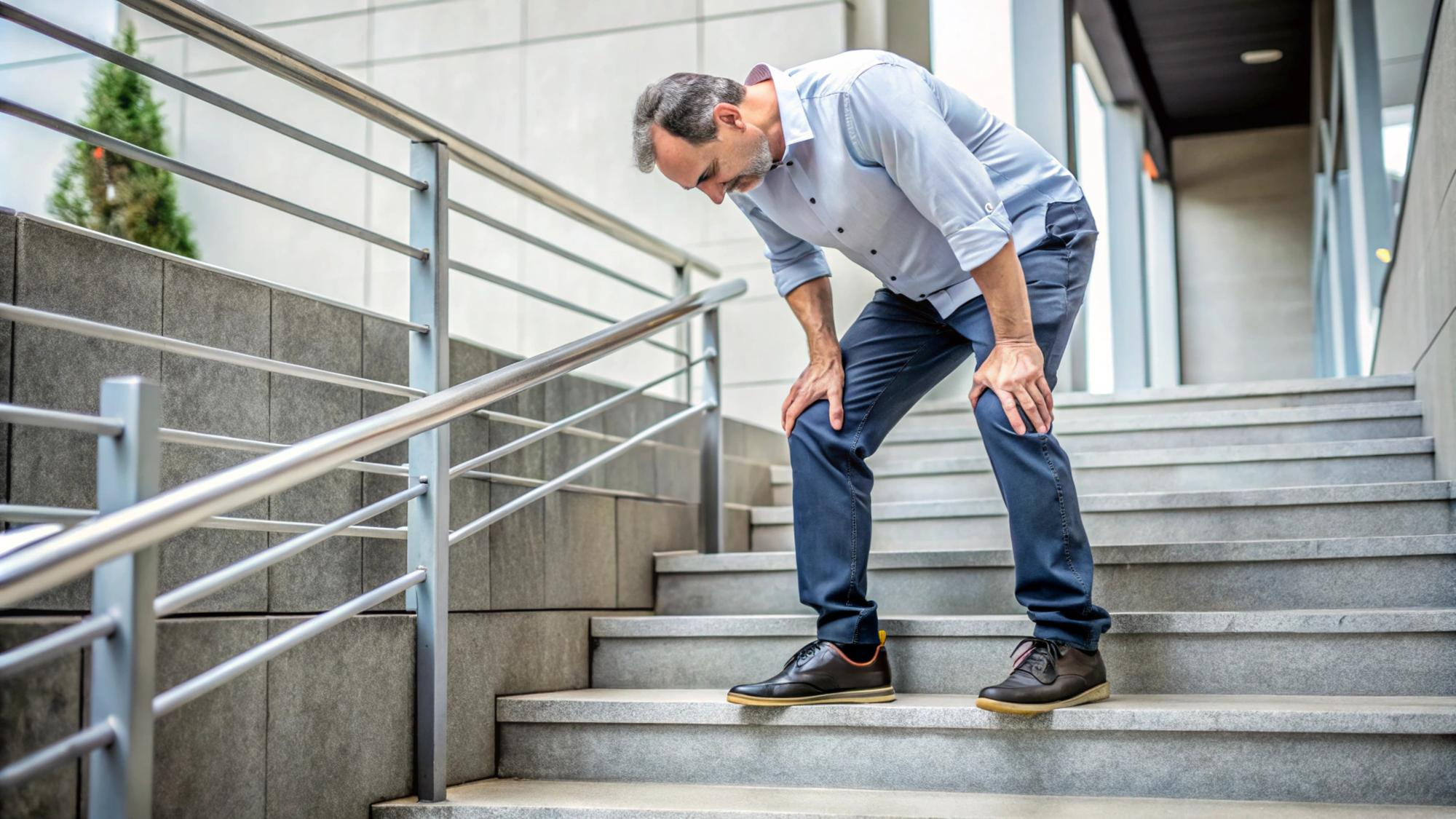
- Pain that worsens while running, squatting, or climbing stairs
- A popping or grinding sensation in the knee
- Tenderness when touching the sides of the kneecap
- Discomfort after sitting for long periods (sometimes called movie theater knee)
If these symptoms persist or worsen, seeking early intervention helps prevent long-term damage.
Effective Runner's Knee Treatment Options
Recovering from runner's knee usually requires a combination of rest, strengthening exercises, and lifestyle adjustments. Here are the most proven methods.
Rest and Activity Modification
Take a break from running and avoid movements that aggravate the pain. Short breaks give the knee time to recover and reduce inflammation.
Ice Therapy
Icing for 15 to 20 minutes, 3 to 4 times daily, helps relieve pain and swelling. Remember to use a cloth barrier to prevent skin irritation.
Strengthening Exercises
Weak muscles cause improper knee movement. Strengthening the quadriceps, glutes, hips, and hamstrings is essential for long-term recovery. Highly effective exercises include:
- Straight-leg raises
- Clamshells
- Glute bridges
- Wall sits
- Hip abduction exercises
These exercises support proper knee alignment and help reduce stress on the joint.
Stretching Tight Muscles
Tight hamstrings, calves, and IT bands worsen the strain on your knees. Key stretches include:
- Hamstring stretch
- Quadriceps stretch
- Calf stretch
- IT band foam rolling
Regular stretching improves flexibility and reduces pain during everyday activities.
Correcting Running Form
Working with a coach or a physiotherapist can help you fix stride issues, reduce overstriding, and improve foot positioning. Even minor corrections can significantly reduce knee pain while running.
Using Supportive Footwear
Shoes with proper cushioning and arch support help absorb impact and maintain knee alignment. Runners with flat feet may benefit from custom orthotics.
Physiotherapy
Proper physiotherapy is one of the most effective runner's knee treatment options. A therapist may use taping methods, manual therapy, ultrasound, or shockwave therapy to ease pain and restore movement.
How to Prevent Runner's Knee
A few consistent habits can lower your risk of developing runner's knee in the first place.
Warm Up and Cool Down
Try spending at least five minutes warming up before running. Light jogging, leg swings, and dynamic stretches activate key muscles and protect your knees.
Increase Training Gradually
Follow the 10 percent rule: avoid increasing your weekly mileage by more than 10 percent. Progressive overload builds endurance safely.
Strengthen the Lower Body
Regular strength training protects the knees by building up the supporting muscles. Add lower-body workouts twice a week for better stability and power.
Maintain a Healthy Weight
Excess weight increases pressure on your knees with every step. Keeping a healthy weight helps reduce the risk of knee pain in runners.
Choose Softer Running Surfaces
Alternating between concrete, grass, and treadmill running reduces the impact forces your knees endure. Wearing proper shoes also makes a difference.
When to See a Doctor
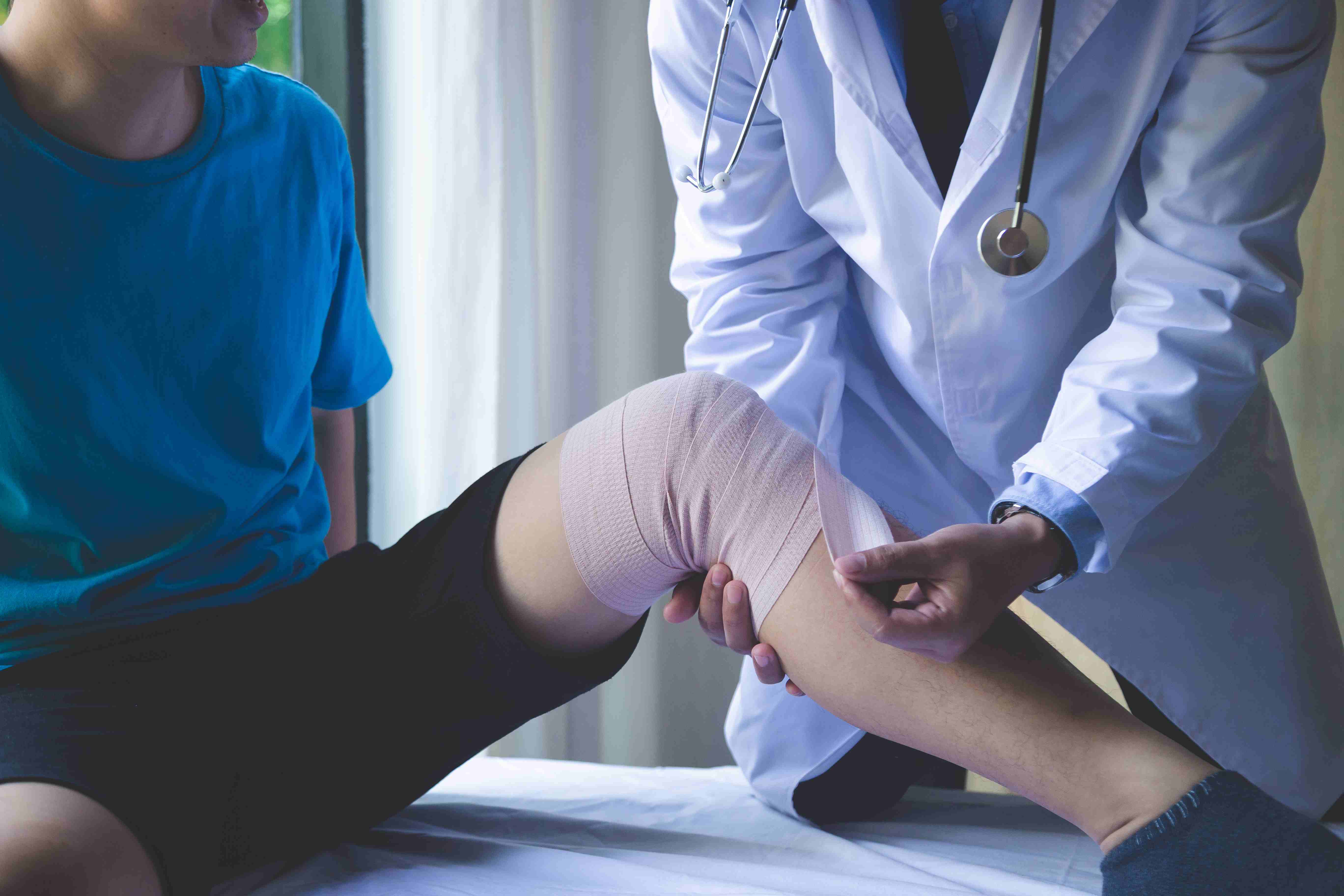
Most cases of runner's knee improve with rest and home care, but some signs call for a professional assessment. Consult an orthopedic specialist if you notice any of the following:
- Pain that lasts more than two weeks despite rest
- Pain that worsens with ordinary walking
- Visible swelling around the knee
- A feeling that the knee is giving way or locking
- Inability to bear weight on the leg
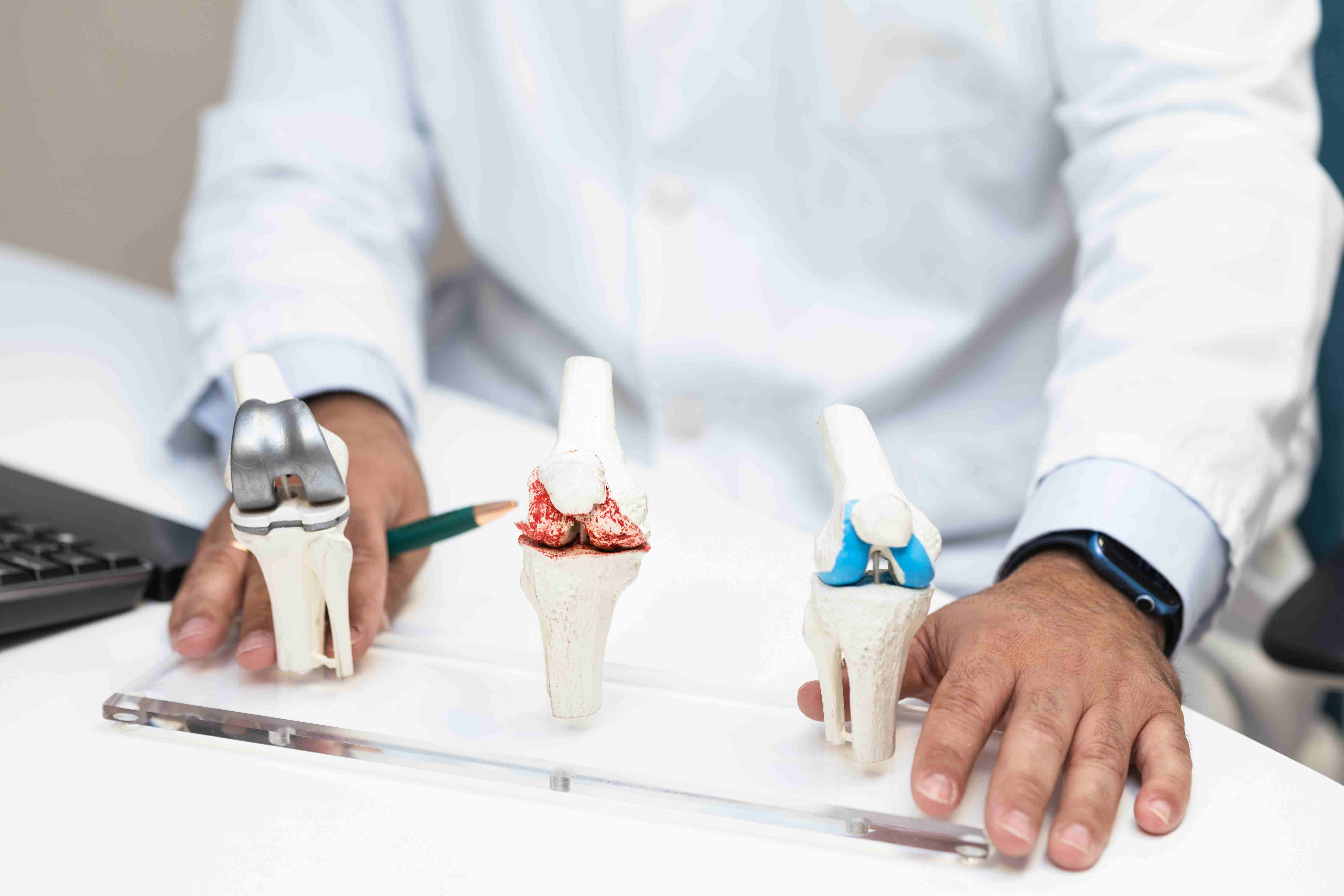
Timely assessment helps rule out ligament injuries, cartilage damage, or early arthritis. Dr. Ankur Singh can guide you toward an effective recovery plan.
Frequently Asked Questions
How long does runner's knee take to heal?
Mild cases often improve within a few weeks of rest, ice, and strengthening exercises. More stubborn cases can take a couple of months, especially if the underlying muscle imbalance or running form is not addressed.
Can I keep running with runner's knee?
It is usually best to reduce or pause running until the pain settles. Continuing to run through pain can worsen the irritation and slow your recovery, so consider low-impact activities like swimming or cycling in the meantime.
Is runner's knee a serious injury?
In most cases it is not serious and responds well to conservative care. However, persistent pain, swelling, or instability should be checked by an orthopedic specialist to rule out ligament or cartilage problems.
What exercises should I avoid with runner's knee?
Deep squats, lunges, and high-impact jumping can aggravate the kneecap while it is irritated. Stick to gentle strengthening moves such as straight-leg raises and glute bridges until the pain eases.
Final Thoughts
Runner's knee is common, but with early care and proper strengthening, most people recover fully and return to running safely. Focus on muscle balance, good form, and gradual training to keep knee pain away and enjoy a healthier running routine.
If your knee pain persists, worsens, or comes with swelling, do not wait it out. Book a consultation with Dr. Ankur Singh, an experienced orthopedic specialist in Noida, for an accurate diagnosis and a recovery plan tailored to you.
Medical Disclaimer
The information provided on this website is for educational purposes only and should not be considered as medical advice. Please consult Dr. Ankur Singh or a qualified healthcare professional for personalized medical guidance.
Share this blog:
 Copy
Copy