Shoulder Injuries in Cricket Players: Causes, Symptoms, and Treatment
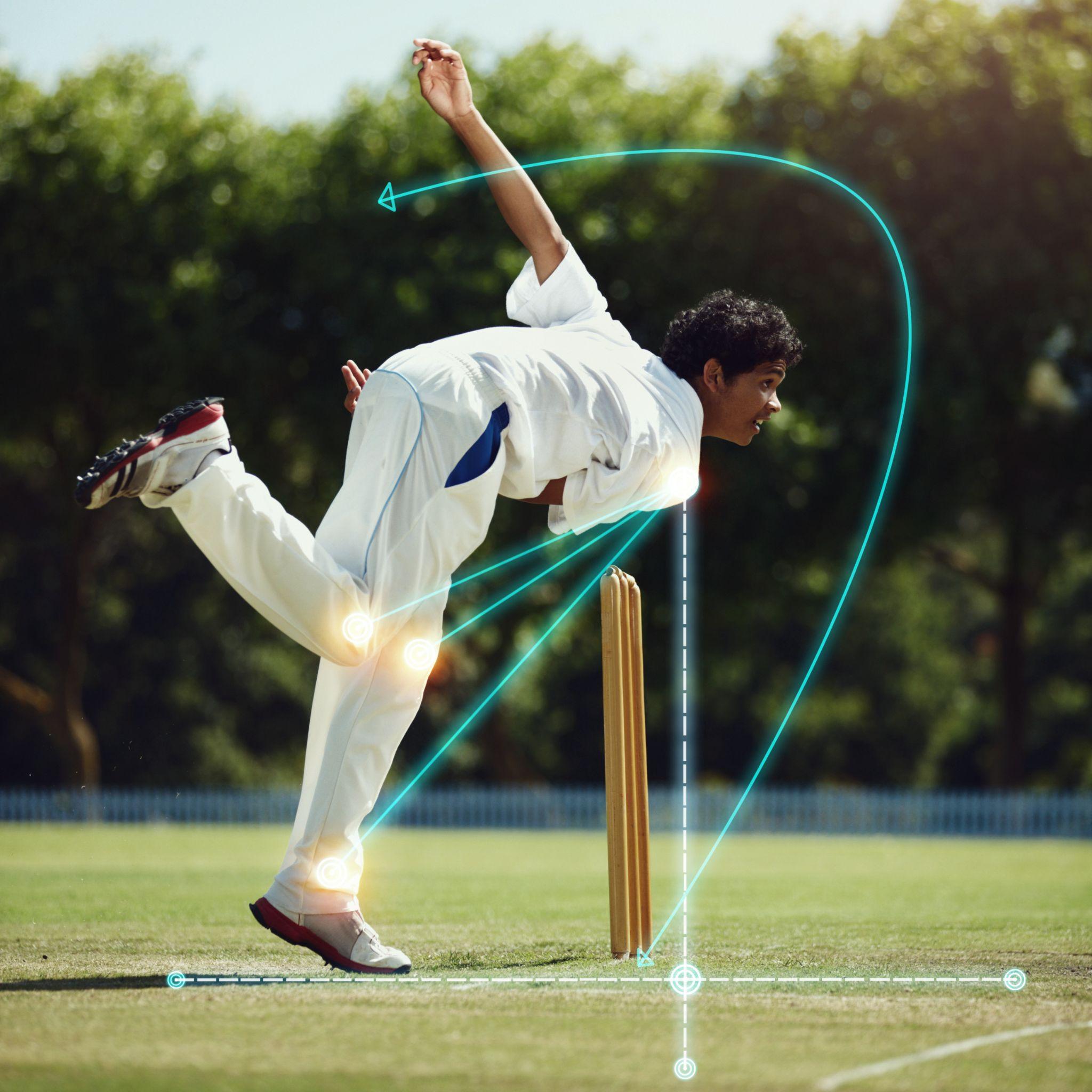
Cricket bowler demonstrating correct bowling action and body alignment
Cricket is a game demanding physical exertion. It frequently results in injuries to the shoulder. Given the sports high-impact characteristics bowlers face a risk of shoulder injuries. Whether you are a player or an enthusiast comprehending the causes, signs and treatment methods for shoulder injuries is essential, for efficient healing and sustained performance.
This article will examine the reasons behind shoulder injuries in cricket players, bowlers and offer guidance, on their management and avoidance.
Understanding Shoulder Injuries in Cricket
In cricket shoulder injuries can impact players in ways. Both fast bowlers and fielders are vulnerable, to shoulder injuries. However bowlers face the risk because of the repeated overhead bowling motion and the force exerted while bowling.
The shoulder joint ranks among the bodys flexible joints. Due to its intricacy it is susceptible to injuries. These might include a rotator cuff tear, shoulder impingement or a labral tear. Injuries, to the shoulder can severely impact one’s capacity to function efficiently.
Common Causes of Shoulder Injuries in Cricket
1. Injuries While Bowling: The Major Culprit
Bowlers, those who bowl fast are highly prone to shoulder injuries because of the intense and high-impact demands of their movements. The constant overhead action in bowling exerts pressure on the shoulder joint. This raises the likelihood of injuries such, as rotator cuff strains and labral tears. Gradually these repetitive actions can cause muscle exhaustion, joint instability and deterioration of shoulder tissues resulting in injury.
Pace bowlers have a tendency to experience:
Rotator Cuff Tendonitis: Inflammation of the tendons in the shoulder, often caused by repetitive overhead motions.
Labral Tears: Injury, to the cartilage that supports stability in the shoulder joint.
Impingement Syndrome: Happens when the rotator cuff tendons get pinched within the shoulder causing pain and reduced strength.

Man experiencing shoulder pain after exercise.
The image represents sports-related injury, muscle strain, and joint discomfort.
2. Poor Technique and Overtraining
During bowling in cricket poor technique can significantly lead to shoulder injuries. Faulty posture, overstretching or misaligned body position, during the delivery can put stress on the shoulder. The chance of sustaining both long-term shoulder injuries rises when a player’s method is not refined.
Overtraining represents another concern. Fast bowlers delivering many overs without adequate rest are more likely to incur shoulder injuries. Tiredness raises the likelihood of technique, which adds additional strain, on the shoulder joint.
3. Inadequate Warm-Up and Cool-Down
Preparing the body before bowling and practice is frequently neglected. It is essential for avoiding injuries such as those to the shoulder. Insufficient warm-up leads, to muscles and joints increasing the risk of strains and tears.
Similarly, neglecting post-match cool-down exercises can hinder the recovery process, leading to muscle imbalances and increasing the risk of injury.
Symptoms of Shoulder Injury in Cricket Players
Shoulder injuries differ greatly. Typical symptoms can assist you in spotting the problem promptly. Detecting these indicators enables you to obtain care before the condition deteriorates.
Typical Signs Include:
- Discomfort:, near the shoulder joint potentially intensifying during or following bowling or throwing activities.
- Weakness: Difficulty lifting the arm or performing overhead movements like bowling or fielding.
- Stiffness: Limited range of motion in the shoulder joint, particularly when trying to raise the arm or rotate it.
- Swelling: Visible or palpable swelling around the shoulder area.
- Clicking or popping noises: These could suggest problems, with the labrum or rotator cuff.
Should you notice any of these signs it is important to give the shoulder a break and seek advice, from an expert. Persisting in playing despite the discomfort may aggravate the damage causing problems.
Treatment of Shoulder Injuries in Cricket Players
1. Rest and Ice
The initial action in treating a shoulder injury is to give the region ample rest. Refrain from engaging in movements that put pressure on the shoulder like bowling or lifting weights. Utilizing ice treatment can aid in minimizing swelling and inflammation. Place ice packs wrapped in a cloth, on the shoulder for 15-20 minutes multiple times daily within the first 48 hours following the injury.
2. Physiotherapy
Physiotherapy is crucial, in managing shoulder injuries. A skilled physiotherapist can evaluate the injury. Create a customized recovery plan that might involve:
- Strengthening Exercises: Focusing on the muscles around the shoulder joint, such as the rotator cuff muscles and scapular stabilizers.
- Stretching: To improve flexibility and range of motion in the shoulder joint.
- Postural Adjustments: To correct biomechanics that could have played a role in causing the injury.

Physiotherapist assisting patient with neck and shoulder rehabilitation.
The scene highlights rehabilitation, posture correction, and recovery care.
3. Anti-Inflammatory Medication
Non-steroidal anti-inflammatory drugs (NSAIDs) are effective in alleviating pain and reducing inflammation. Nonetheless they ought to be utilized briefly and with supervision, from a medical expert.
4. Surgical Intervention
In situations when the injury causes considerable structural harm (, like a substantial rotator cuff tear or labral damage) surgery might be necessary. Surgical procedures may involve arthroscopy to mend tendons or secure the shoulder joint. Nonetheless surgery is typically viewed as an option after non-surgical methods have not succeeded in alleviating symptoms.
Preventing Shoulder Injuries in Cricket Players
1. Proper Technique and Form
Having the bowling technique is essential to avoid shoulder injuries. Collaborate with a coach to perfect your style. Ensure you keep proper posture and alignment while bowling.
2. Gradual Increase in Training Load
Prevent increases in training intensity. Slowly raising the count of overs bowled in practice helps your shoulder muscles and joints adjust to the strain.
3. Rest and Recovery
Sufficient rest is crucial to avoid shoulder injuries. Allow your body time to recuperate between workouts and refrain from excessive training. Including rest days, in your exercise routine will promote shoulder health and lower the chances of injury.
4. Strengthening and Conditioning
Add shoulder-strengthening workouts to your regimen to enhance muscle stability and lower the chance of injury. Activities focusing on the rotator cuff and scapular muscles are especially effective, in shielding the shoulder.
Conclusion
Shoulder injuries frequently affect cricket players, bowlers, who face the greatest risk because of the repetitive and intense nature of their actions. Recognizing the causes, signs and treatment possibilities for shoulder injuries enables players to handle discomfort and prevent harm. Prompt diagnosis, appropriate rehabilitation and preventive measures like technique improvement, strength conditioning and rest are crucial, for maintaining a player’s career span.
If you’re feeling pain or unease, in your shoulder do not disregard these signs. Consult a healthcare and follow the appropriate measures to heal correctly allowing you to get back on the field healthier and tougher.
Experience expert care for your shoulder injuries with Dr. Ankur Singh. Get back to playing your best! Book your consultation today and take the first step toward recovery.
Share this blog:
 Copy
Copy