Why Does My Knee Crack or Pop While Walking? Is It Serious?

Person holding knee due to pain while walking outdoors.
Understanding knee cracking and popping sounds
Knees often produce sounds like cracking, popping, or grinding, and many individuals hear them while walking, climbing stairs, or standing up from a chair after sitting. The sounds could be a source of concern, particularly if they occur often or come along with discomfort. Although knee sounds are mostly harmless, they might at times signal an orthopedic problem that requires treatment.
Being aware of the sound of your knee is beneficial in discerning the moments of consultation with an orthopedist and those of just ignoring the sounds.
Common reasons your knee cracks or pops while walking
Gas bubbles inside the knee joint
Knee cracking is one of the most typical manifestations and it is mainly caused by the formation and bursting of gas bubbles that are present in the joint fluid. The knee joint is filled with the synovial fluid which facilitates the movement. During the pressure changes that occur while walking or bending, the tiny gas bubbles can burst and make a popping sound. This type of cracking is not accompanied by pain and is considered to be harmless most of the time.
Movement of ligaments and tendons
Ligaments and tendons that are surrounding the knee may move a little bit on the hard surfaces of the bones when a person is moving. When they return to their original position, sometimes the popping sound will be produced. This situation is often noticed when one walks after having been sitting for a long period and is usually not a sign of any serious trouble.
Cartilage wear and tear
As the cartilage undergoes thinning or wearing out, particularly due to aging or continuous stress, the surfaces of the joints can turn out to be uneven. This situation may lead to sounds like grinding or crackling when the person moves their knee. Such knee cracking phenomena are more extensively observed in those above 40 years of age and might be considered a precursor of joint degeneration.
Early osteoarthritis
Osteoarthritis is a very frequent ailment of the musculoskeletal system in which the cartilage slowly but surely gets damaged. The popping of the knee joint together with being stiff, painful, or swollen may be signs of arthritis in its early stage. The noise is produced as the rough surfaces of the joints slide over one another.
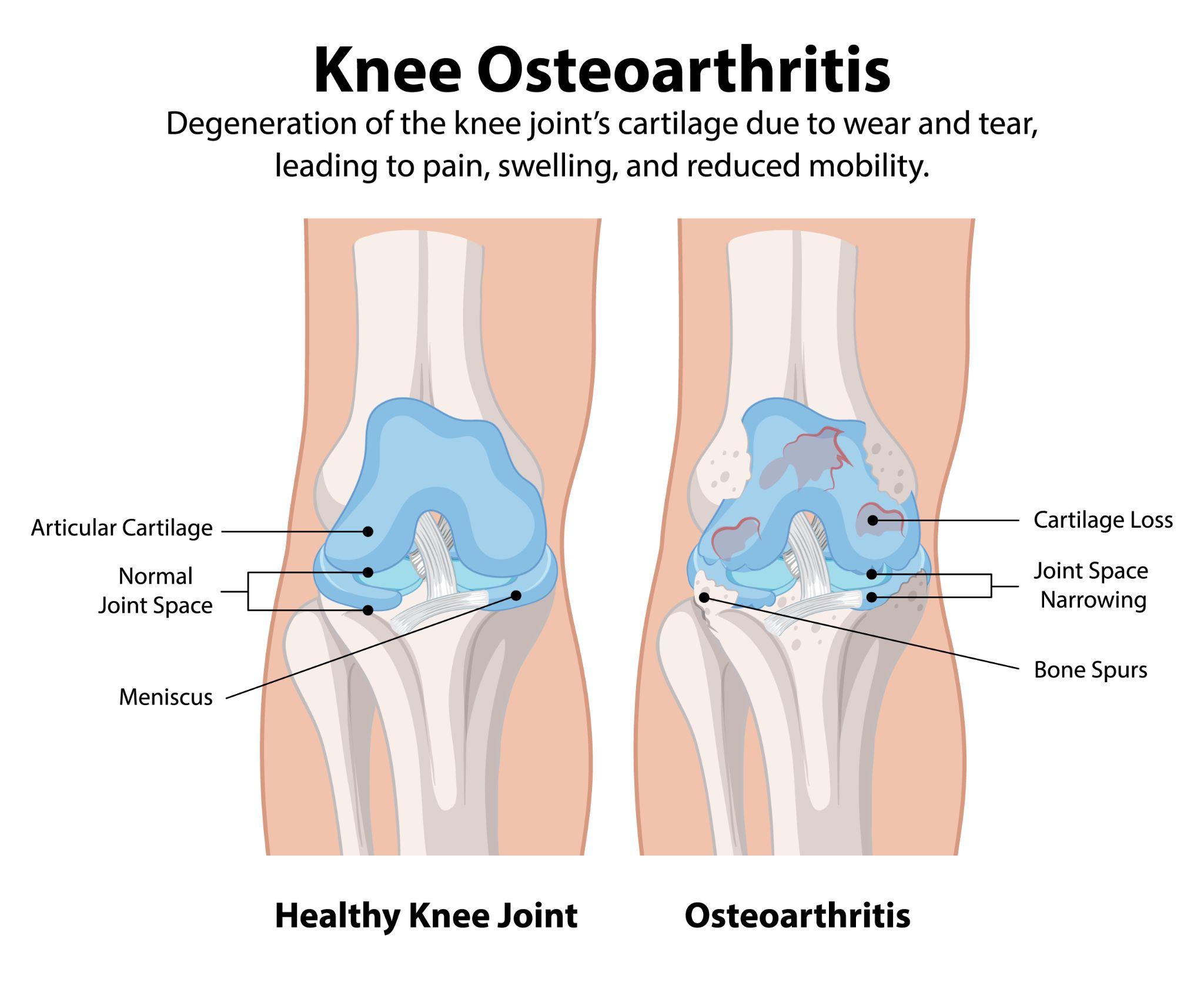
Knee osteoarthritis diagram showing cartilage loss and joint space narrowing.
Meniscus injury
The meniscus is a cartilage in the knee that absorbs shocks. Meniscus tears can produce popping or clicking sensations above all during walking, squatting, or turning. A meniscus injury typically causes pain, swelling, or a 'locked' sensation in the knee.
Poor patellar tracking
When the kneecap doesn’t move easily in its groove, it may produce noises like popping or grinding. Such a situation is usually seen in people who have muscle imbalance, weak thighs or have suffered knee injuries in the past.
When knee cracking is not serious
Knee cracking is generally not a big deal if:
- No pain or swelling occurs
- There is an occasional sound
- Knee movement is smooth
- No instability or locking is present
In these instances, reassurance, strengthening exercises, and lifestyle modifications are generally enough.
When should knee cracking be taken seriously?
In case the cracking of your knee is accompanied by the following symptoms, you must see an orthopaedic doctor:
- Pain while walking or after
- Swelling or stiffness
- Knee giving way
- Hard time going up the stairs
- Locking or catching sensation
These signs may denote the damage of the cartilage, ligament injury or arthritis that needs a diagnosis.
How an orthopaedic doctor evaluates knee cracking
A complete orthopaedic evaluation consists of:
- Thorough medical history
- Knee stability and movement physical testing
- X-ray for joint space and bone alterations evaluation
- MRI in case of cartilage, ligament, or meniscus injury suspicion
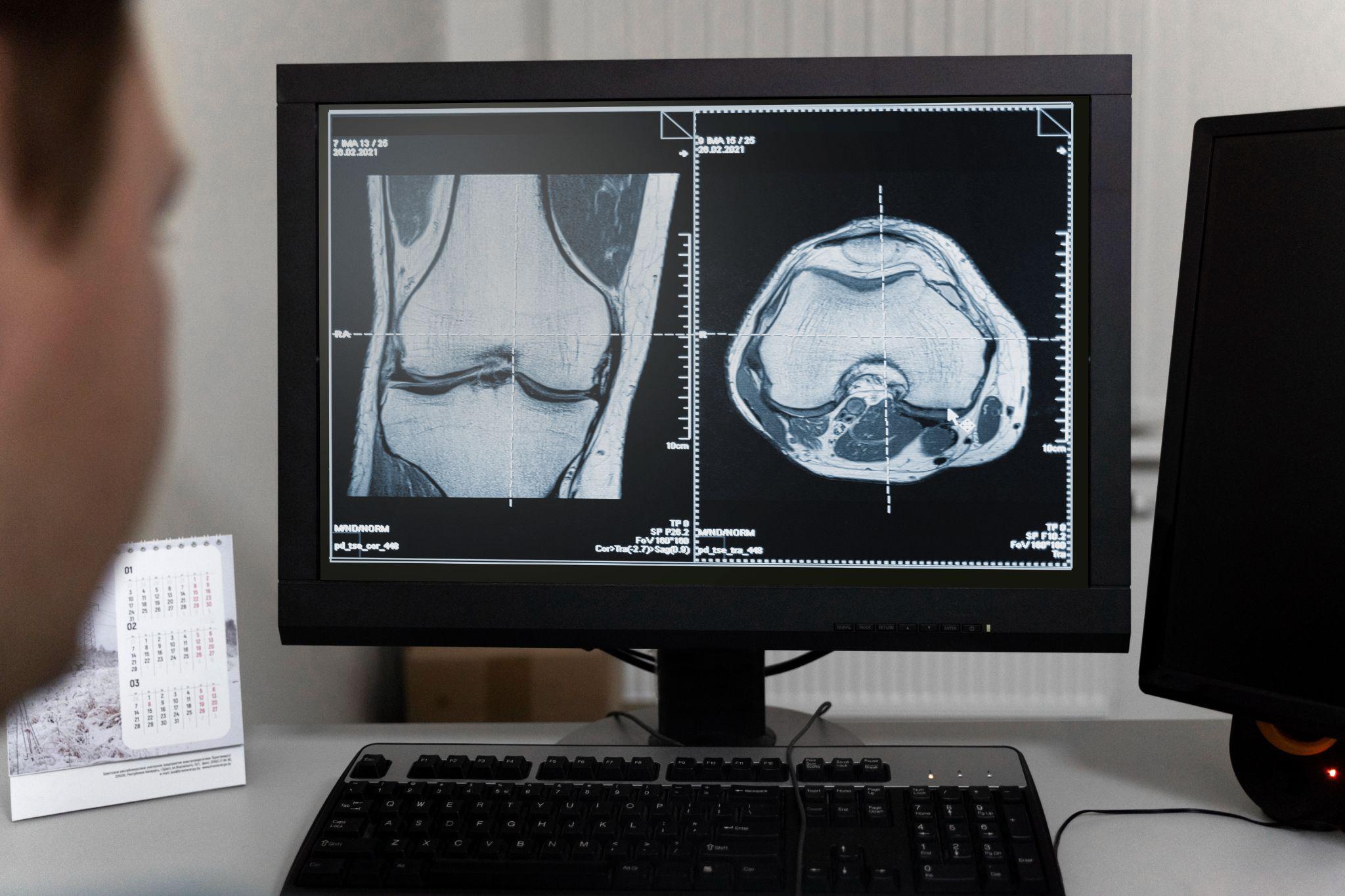
Knee MRI scan displayed on computer monitor for diagnosis.
Treatment options for knee cracking and popping
Lifestyle and activity modification
One of the ways to manage knee stress to a considerable extent is by cutting down on high-impact activities, staying up the whole day at the same place, and not gaining excess body weight.
Physiotherapy and strengthening exercises
The result of such strengthening is an increase in the stability of the knee joint and a decrease in the lateral movement of the joint beyond the allowable limits.
Medications and supportive care
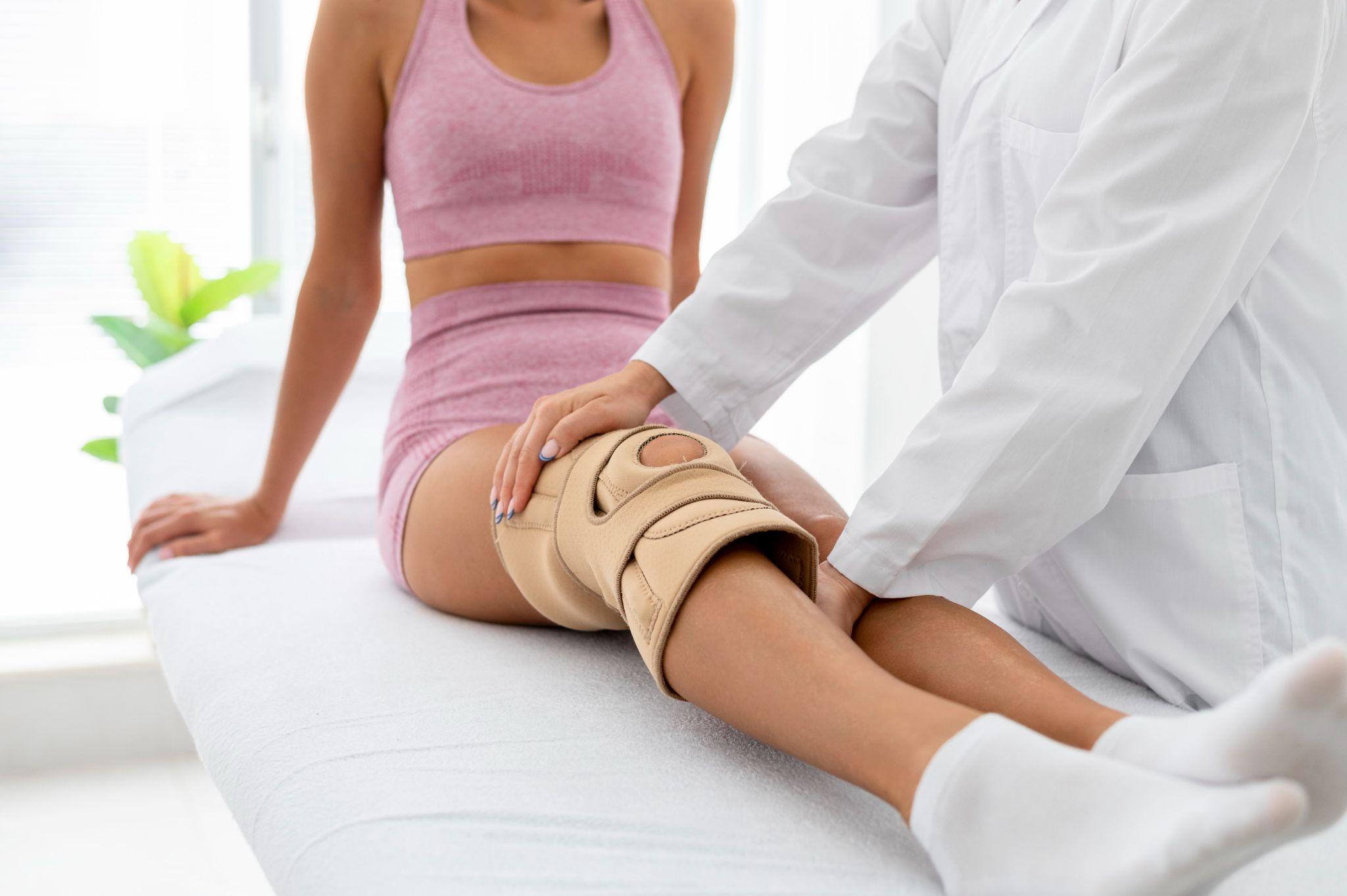
In case of need, under the guidance of a physician anti-inflammatory medications, joint supplements, and supportive knee braces may help in managing the symptoms.
Advanced treatment options
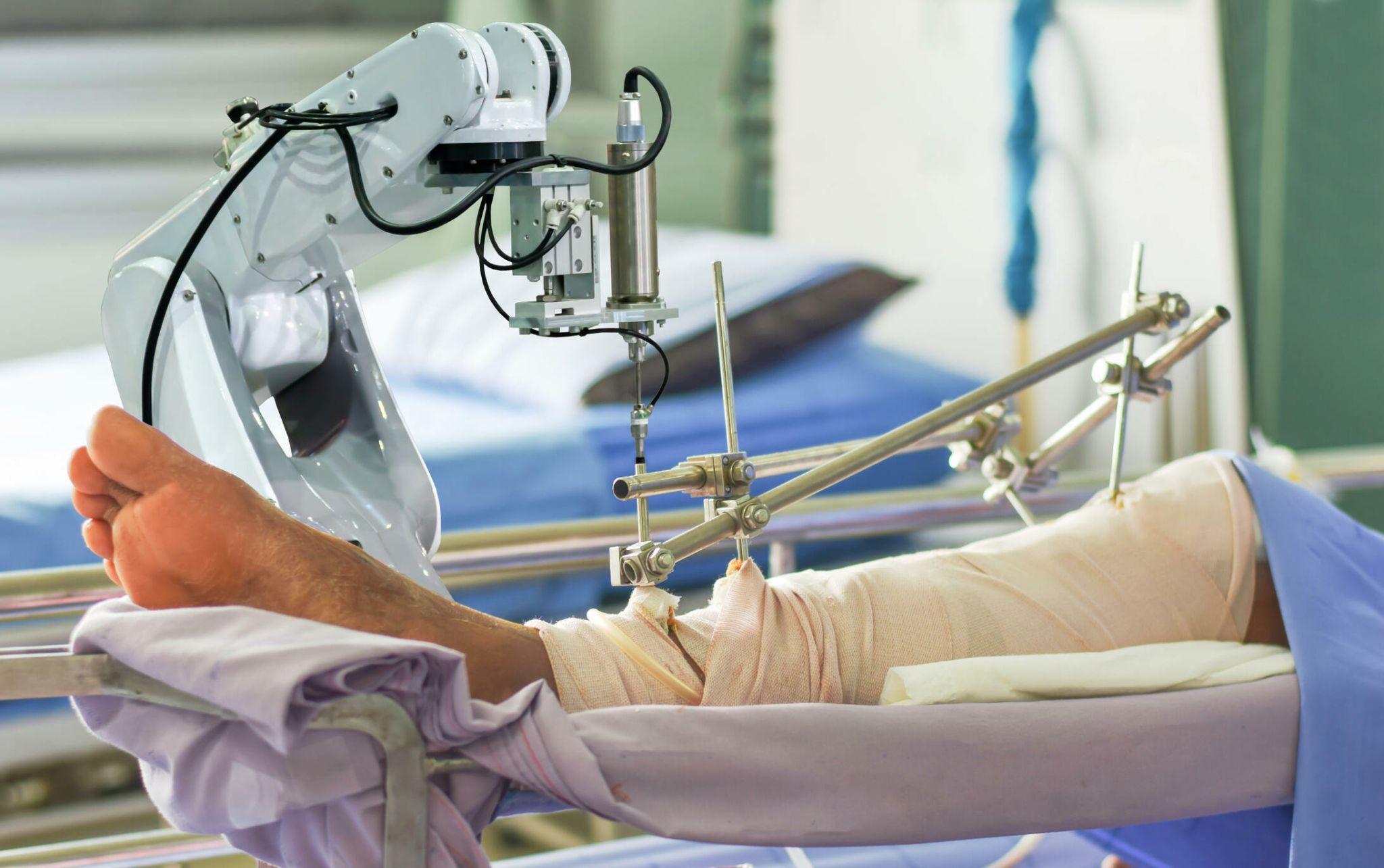
If the conservative treatment does not give the desired result, the diagnosis may lead to the use of injections or the option of going for a minimally invasive procedure.
Can knee cracking be prevented?
Although it is impossible to stop all knee sounds from occurring, the risk can be minimized through:
- Regular participation in low-impact exercising which keeps one physically active
- Proper body alignment and walking technique maintenance
- Leg muscle strengthening
- Promptly dealing with knee discomfort
Key takeaway
Knee cracking or popping is a widespread phenomenon and is mostly harmless. Yet, the occurrence of continuous sounds in conjunction with pain or swelling must not be overlooked. Orthopaedic assessment at the earliest can save one's joint from getting damaged and keep him/her active.
For precise diagnosis and skilled orthopaedic treatment for knee discomfort, noise, or issues in joints, reach out to Dr Ankur Singh for personalised, evidence-based care.
Medical Disclaimer
The information provided on this website is for educational purposes only and should not be considered as medical advice. Please consult Dr. Ankur Singh or a qualified healthcare professional for personalized medical guidance.
Share this blog:
 Copy
Copy