Knee Pain After Deadlifts: Causes, Corrections, and When to Worry

Man experiencing knee pain after deadlifts while resting with barbell in gym
Deadlifts serve as an exceptional exercise which builds strength throughout the entire posterior chain. The correct execution of this exercise creates greater hip and spine loads which exceed the knee loads. The deadlift movement causes knee pain which takes many lifters by surprise because they do not expect this outcome. The pain can occur at three different times which include during the lift and after the lift and the following day.
People need to take knee pain which occurs after deadlifts seriously instead of attempting to work through the pain. The majority of cases link to either improper technique or restricted movement or incorrect training methods. A small percentage of cases may indicate the presence of a knee problem which requires medical evaluation. The first step to resolving the issue requires understanding its cause which leads to safe weight lifting recovery.
Is Knee Pain After Deadlifts Normal?
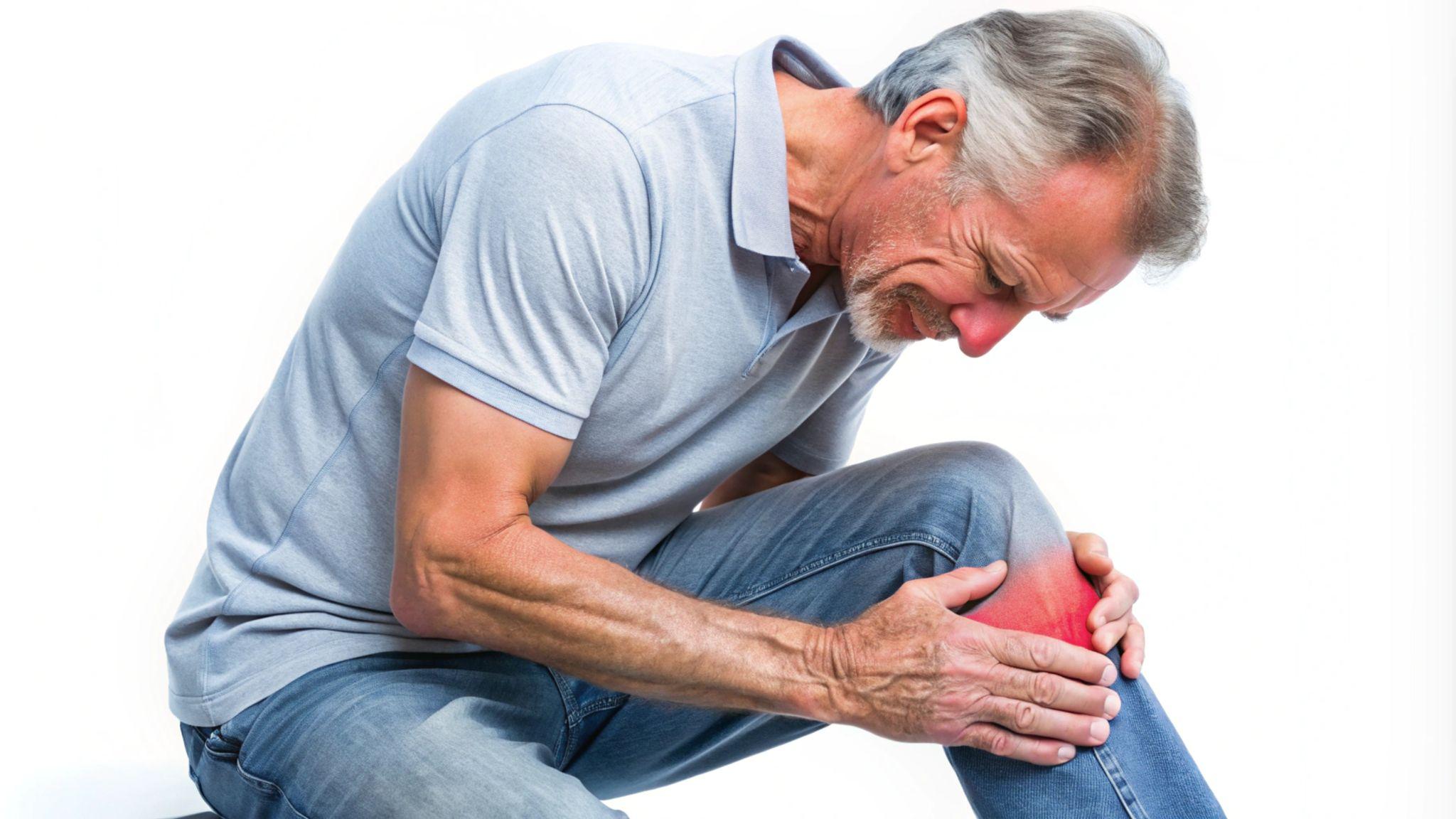
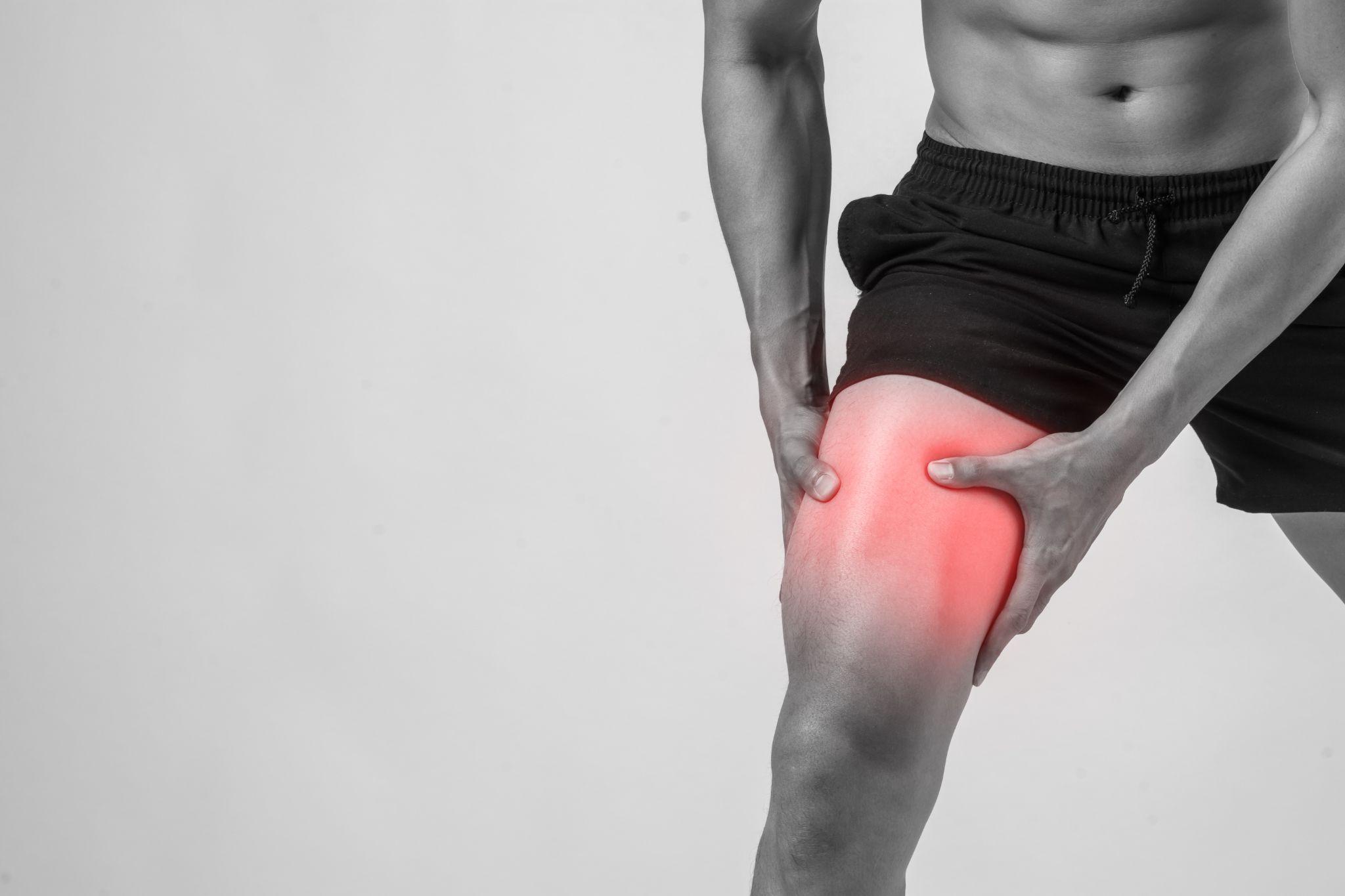
Muscle soreness around the knees can occur when you increase training volume or return after a break. However, sharp and persistent aching that worsens with each session is not normal. It may even lead to swelling of the knee joint.
Deadlifts are supposed to be a hip-dominant exercise. Something in the movement pattern is wrong if your knees are taking excessive load. Repeatedly training through knee pain after deadlifts can convert a minor issue into a chronic injury.
Common Causes of Knee Pain After Deadlifts
Poor Deadlift Technique
The most common cause of knee pain after deadlifts is improper form. The most common errors include two mistakes which start with excessive knee bending and lead to too much knee movement forward and body weight shifting into a squat instead of a hip hinge. The movement directs force toward the knee joint instead of the hips and hamstrings.
The lifter encounters a second problem through knee valgus which causes their knees to move inward during the lift. The movement creates unusual pressure on the knee ligaments and cartilage.
Weak Glutes and Hamstrings
Weak glutes and hamstrings force the body to compensate by loading the knees more than intended. The knees try to absorb forces they are not designed to handle during a deadlift when these muscles fail to operate properly. This balance problem occurs in people who spend extended time sitting and those who perform exercises that mainly develop their quadriceps muscles while they ignore their posterior chain muscles.
Limited Ankle or Hip Mobility
Restricted ankle dorsiflexion or tight hips will change your deadlift mechanics. When the hips cannot hinge smoothly, the knees often move forward to compensate. The altered pattern causes knee pain after deadlifts to develop over time. Recreational lifters who skip warm-ups and flexibility work tend to experience mobility restrictions more frequently.
Overloading and Fatigue
Knee joint irritation occurs when people attempt to lift weights that exceed their current abilities and when they increase their training loads at an excessive rate and when they practice without proper recovery methods. The body loses its ability to control movement correctly when a person becomes tired which makes them more likely to experience minor technical errors that put stress on their knees.
Pre-existing Knee Conditions
Deadlifts can activate symptoms of patellofemoral pain syndrome, meniscus degeneration, early osteoarthritis and previous ligament injuries. Even with decent form, already damaged knees are more sensitive to training stress.
How to Fix Knee Pain After Deadlifts
Reassess Your Setup
Your first task is to assess your current position together with your bar placement and your initial hip measurement. The correct bar position requires you to maintain shins at a vertical angle while pushing your hips backward and bringing the bar close to your shins. Think of pushing the floor away while driving through the heels and mid-foot, not the knees. A video recording from the side enables you to identify mistakes which you cannot detect during your lifting practice.

Weightlifter performing deadlift indoors with focus on knee and hip movement
Improve Hip Hinge Mechanics
Perform Romanian deadlifts, kettlebell hinges and dowel hinge drills as your hip hinge practice exercises. These exercises enable you to learn proper hip loading techniques while maintaining controlled knee movements.
The setup process becomes easier when you limit knee movement, which helps to reduce deadlift-related knee pain.
Strengthen Supporting Muscles
The targeted strength training of glutes and hamstrings together with core muscles, leads to better load distribution results. Exercises like hip thrusts and glute bridges together with hamstring curls and single-leg training, help to restore balance which protects the knees from excessive strain.
Address Mobility Deficits
Hips, ankles and hamstrings require dedicated regular mobility exercises to maintain their optimal range of motion. The combination of dynamic warm-ups and static stretching exercises after workouts enables athletes to regain their movement abilities while protecting their knees from injuries.
Athlete stretching with cobra pose to relieve muscle and joint stiffness before workout
Reduce Load and Volume Temporarily
If you have knee pain reduce the weight and total volume for a while. Before progressively overloading again, focus on perfect technique and form. Pain is not a challenge but rather a feedback of something being done wrong.
When to Stop Deadlifting and See a Doctor
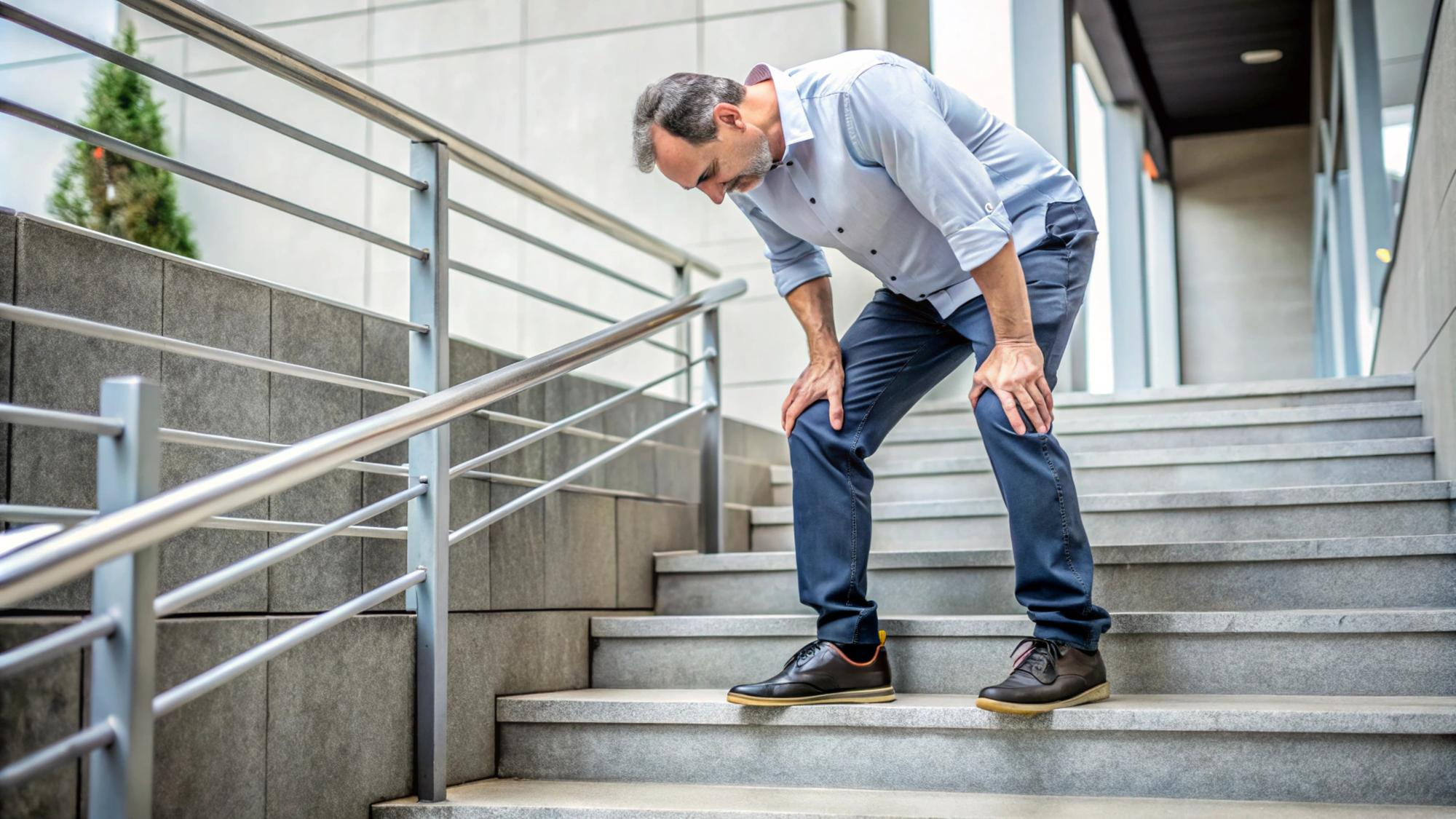
Medical evaluation is necessary when the knee pain caused by dead lifts interferes in the day-to-day lifestyle. Whether it is swelling, knee joint buckling, pain while climbing a fleet of stairs or any other daily activity, pain that persists needs to be assessed.
Continuing to lift with unresolved knee pain will on worsen the scenario as it might cause cartilage damage or lead to ligament stress. This would mean longer recovery time which is longer time away from the gym.
Preventing Knee Pain After Deadlifts Long-Term
Effective training requires intelligent design because it serves as the foundation for all preventive measures. Start your workout with a complete warm-up, increase your training weights in small steps, and focus on maintaining proper technique instead of trying to impress others. Your training program needs to include both posterior chain exercises and mobility work in order to achieve proper balance. You need to check your form at regular intervals which becomes more important as your weightlifting progresses.
Knee warning signs provide an early alert system which helps you maintain safe lifting practices throughout your life.
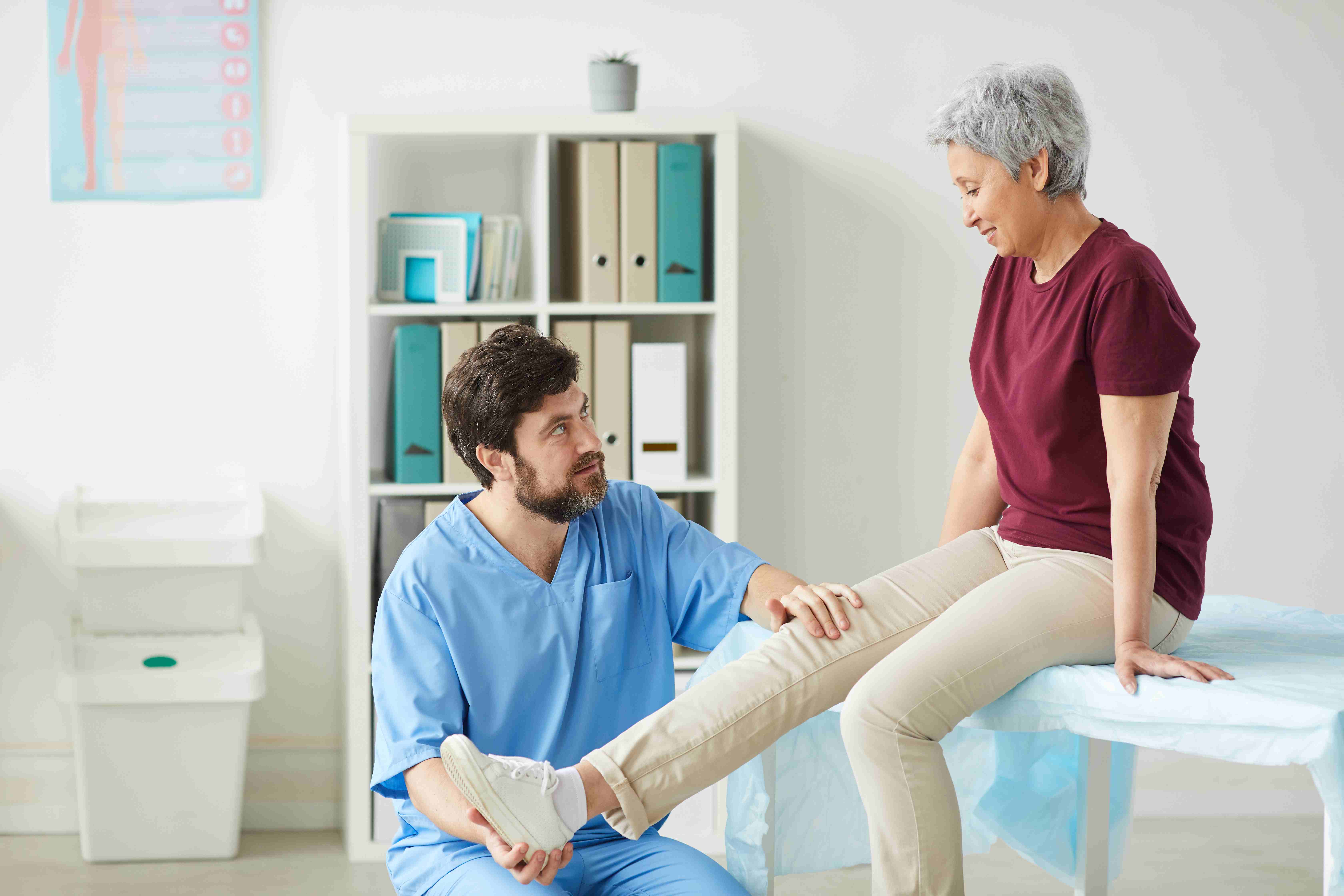
Dr. Ankur Singh, who specializes in orthopaedics, treats sports and exercise-related knee conditions through precise diagnosis and joint health management for patients who need to assess their deadlift knee pain or their overall lifting performance.
Medical Disclaimer
The information provided on this website is for educational purposes only and should not be considered as medical advice. Please consult Dr. Ankur Singh or a qualified healthcare professional for personalized medical guidance.
Share this blog:
 Copy
Copy