How to treat Hip or knee bursitis: relief options & what to know
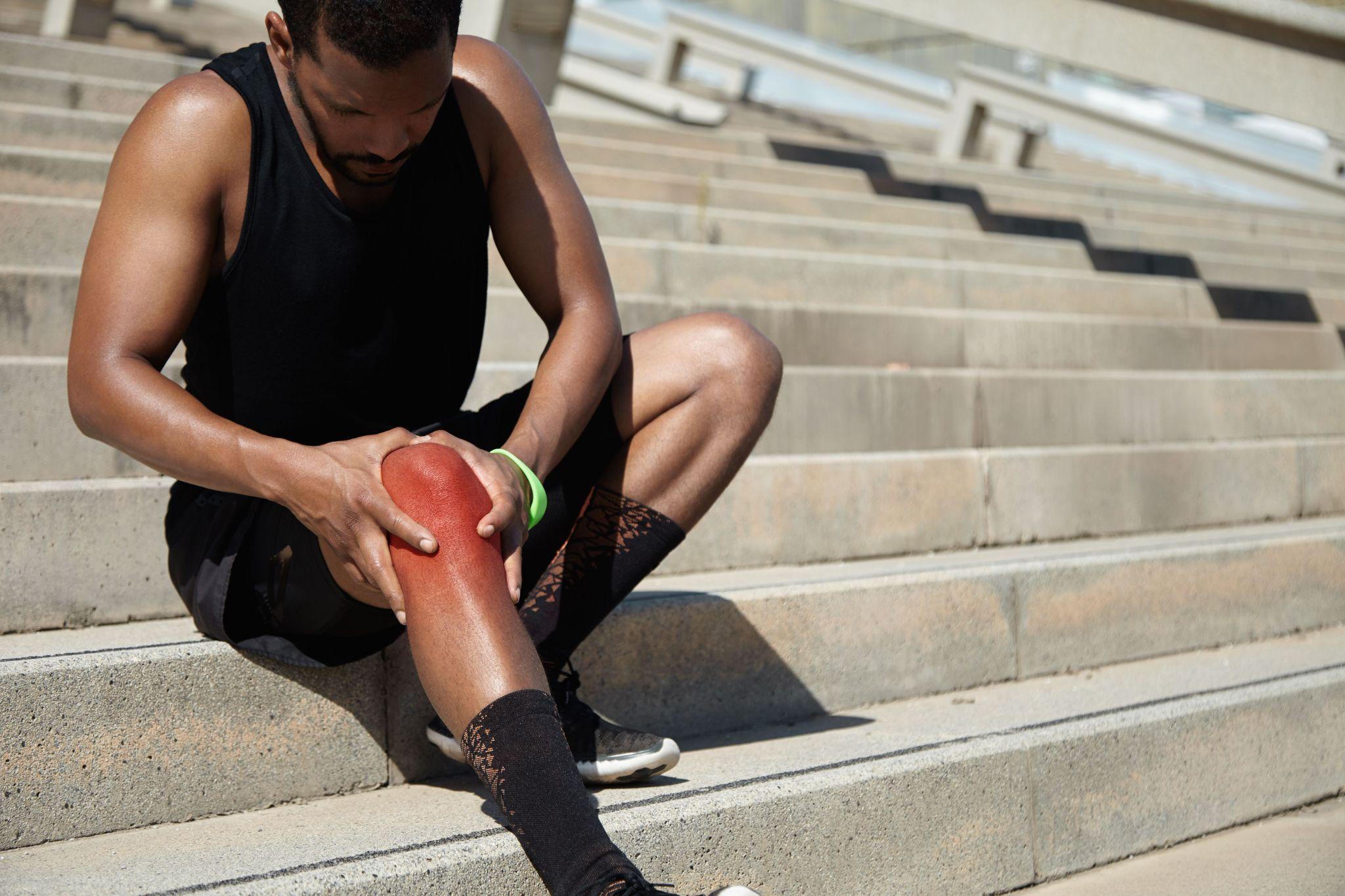
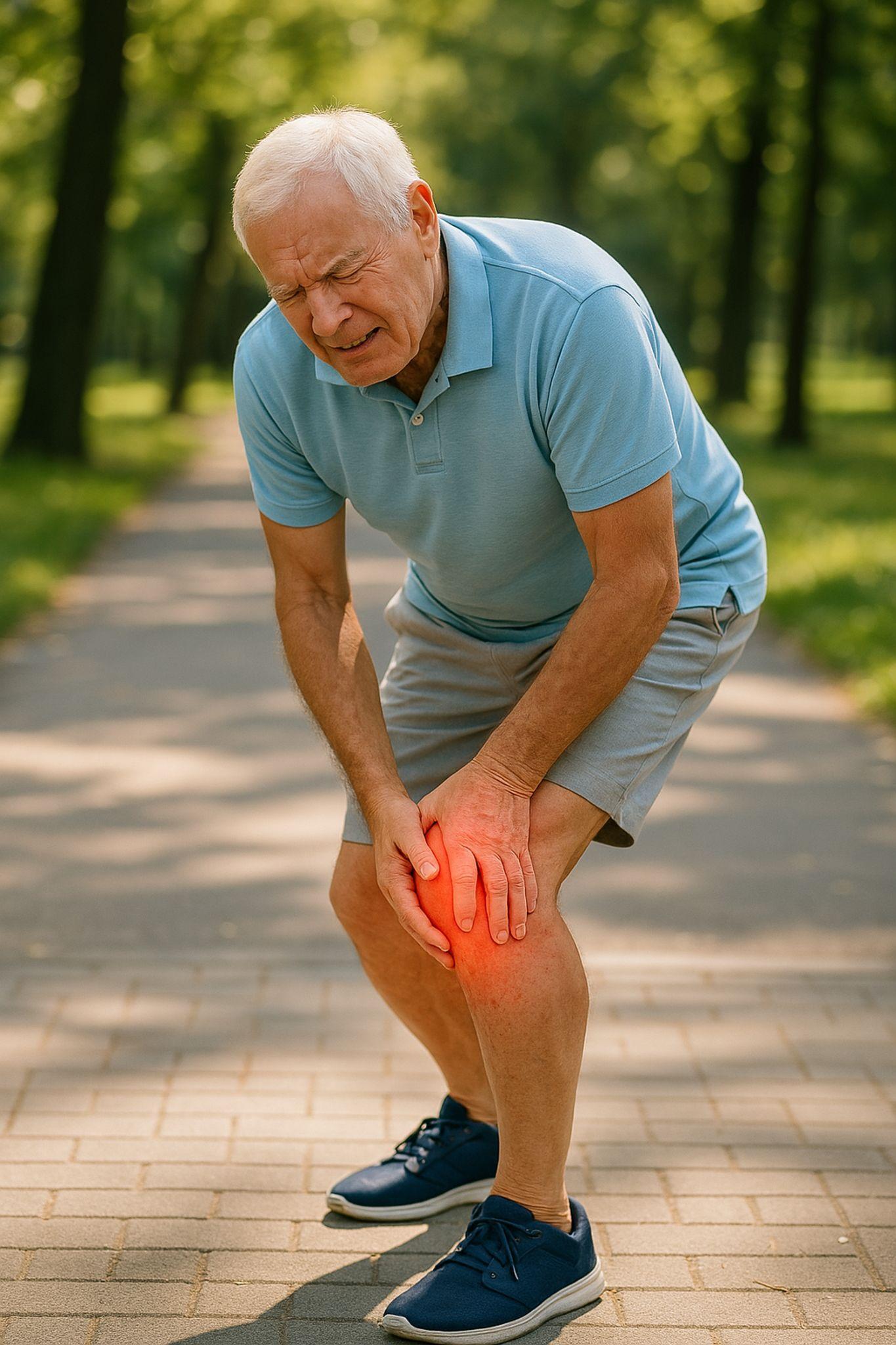
Bursitis occurs due to inflammation of the bursa, a small fluid-filled sac that cushions and reduces friction between bones, tendons, and muscles.
Bursitis is one of the most common joint problems I treat, and yet most patients have never heard the word before they're diagnosed. They come in saying "my hip hurts" or "the side of my knee is painful," and they've assumed it's arthritis. When I explain that the pain is coming from an inflamed bursa, not the joint itself, there's usually relief, followed by the obvious question: "So how do we fix it?"
The short answer: bursitis is very treatable, and most cases resolve fully with conservative measures. But it tends to recur if you don't address the root cause. Understanding why the bursa became inflamed in the first place is just as important as treating the inflammation.
What Is a bursa?
Your body has over 150 bursae — small, fluid-filled sacs positioned at friction points between bones, tendons, and muscles. They act like biological cushions, allowing smooth gliding during movement.
When a bursa gets irritated, from repetitive movement, direct pressure, overuse, or occasionally infection, it swells with excess fluid and becomes painful. That's bursitis.
The most commonly affected bursae around the hip and knee:
- Greater trochanteric bursa (hip): Located on the outer bony point of the hip. Trochanteric bursitis causes pain on the outside of the hip that radiates down the outer thigh. It's the most common type of hip bursitis I see, especially in women over 40.
- Iliopsoas bursa (hip): Located at the front of the hip, near the groin. Causes deep anterior hip pain, often confused with hip joint arthritis.
- Prepatellar bursa (knee): Located directly over the kneecap. Often called "housemaid's knee" because it's caused by prolonged kneeling — tiling work, floor scrubbing, gardening.
- Pes anserine bursa (knee): Located on the inner side of the knee, just below the joint line. Common in overweight women with knee osteoarthritis.
- Infrapatellar bursa (knee): Located just below the kneecap.
Symptoms: How bursitis feels
Bursitis has a distinctive pain pattern that helps differentiate it from arthritis:
Hip bursitis (trochanteric):
- Sharp or burning pain on the outer hip
- Pain when lying on the affected side at night, this is often the most bothersome symptom. Patients can't sleep on that side.
- Pain when climbing stairs, getting out of a car, or walking long distances
- Tenderness when pressing directly on the bony point of the hip
- Pain doesn't typically radiate below the knee (which helps distinguish it from sciatica)
Knee bursitis:
- Localized swelling over or around the kneecap (prepatellar) or on the inner knee (pes anserine)
- Pain that worsens with kneeling, squatting, or going up/down stairs
- The area is tender to touch, you can often pinpoint the exact spot
- Stiffness after prolonged sitting
- In prepatellar bursitis, visible swelling directly over the kneecap
What causes bursitis?
In most cases, bursitis comes down to mechanical overuse. The bursa gets compressed or rubbed repeatedly, triggering inflammation.
Common causes:
- Repetitive kneeling (construction workers, housekeepers, gardeners)
- Running on hard surfaces or sudden increase in running distance
- Tight iliotibial (IT) band — pulls on the trochanteric bursa with every step
- Weak hip abductor muscles (gluteus medius), very common in women with trochanteric bursitis
- Direct trauma, falling on the knee or hip
- Poor posture or biomechanics
- Obesity — extra weight increases compressive forces on bursae
- Leg length discrepancy, even a small difference can cause one hip's bursa to bear more load
Less common causes:
- Gout or pseudogout, crystal deposits irritate the bursa
- Rheumatoid arthritis — systemic inflammation affecting bursae
- Septic bursitis, bacterial infection of the bursa (the knee is the most common site). This is a medical urgency requiring antibiotics and often drainage.
Diagnosis
Bursitis is primarily a clinical diagnosis, meaning I can usually identify it through examination without needing imaging.
Physical examination:
- Point tenderness over the specific bursa location
- Pain reproduced with specific movements (hip abduction for trochanteric, kneeling for prepatellar)
- Swelling visible or palpable over the bursa
- Range of motion of the joint itself is usually normal (unlike arthritis)
When imaging is needed:
- X-rays: To rule out fractures, arthritis, or calcification around the bursa
- Ultrasound: Excellent for confirming fluid in the bursa and guiding injections
- MRI: Reserved for cases where the diagnosis is uncertain or symptoms persist despite treatment — can show other soft tissue problems
Joint fluid analysis: If the bursa is visibly swollen and warm, I may aspirate (draw out) fluid to check for infection or crystals.
Treatment: what actually works
Phase 1: immediate relief (Week 1-2)
RICE protocol:
- Rest: Avoid the aggravating activity. If kneeling causes it, stop kneeling. If running triggers it, switch to swimming or cycling temporarily.
- Ice: 15-20 minutes, 3-4 times daily over the tender area. Reduces swelling effectively.
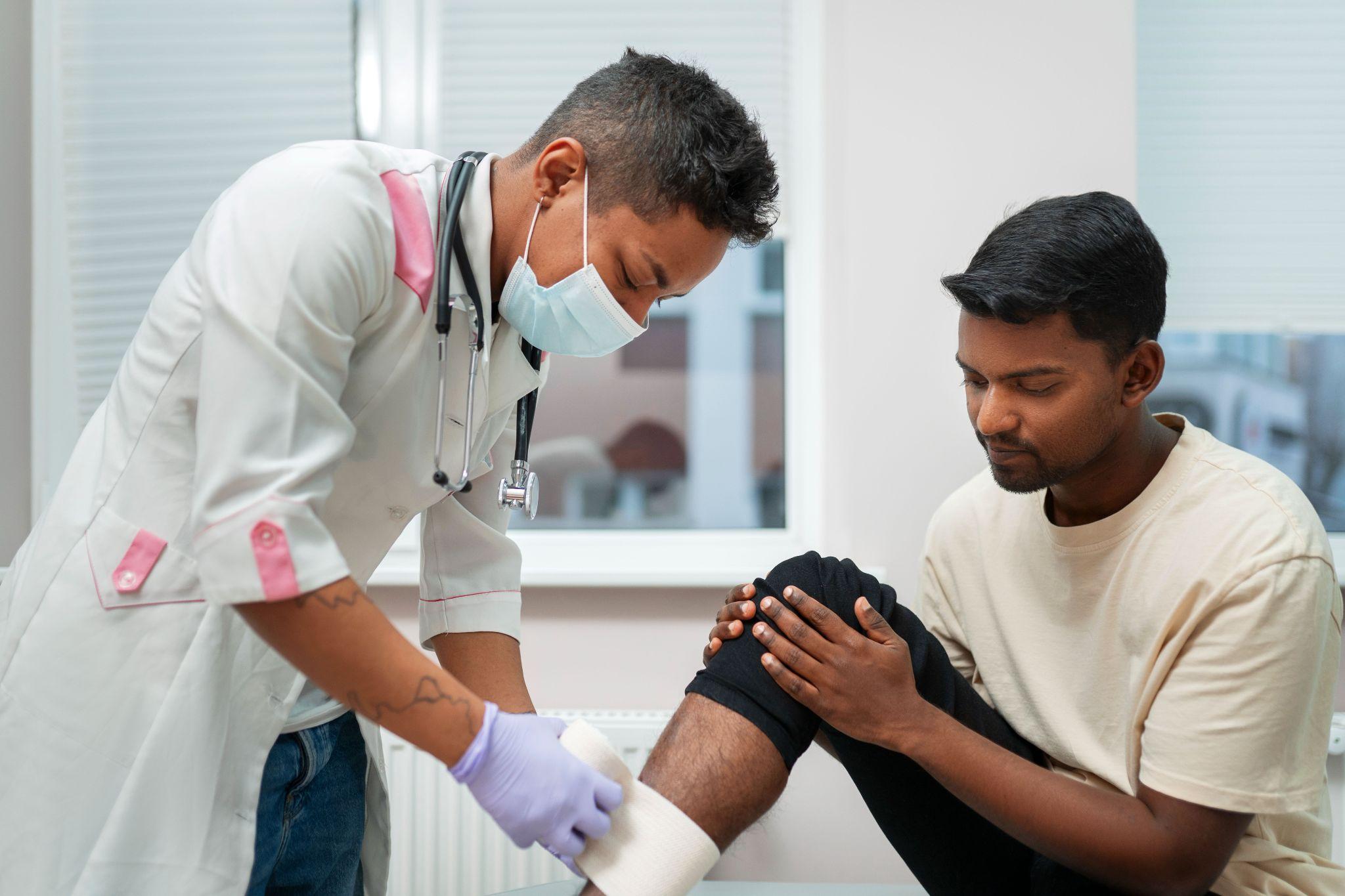
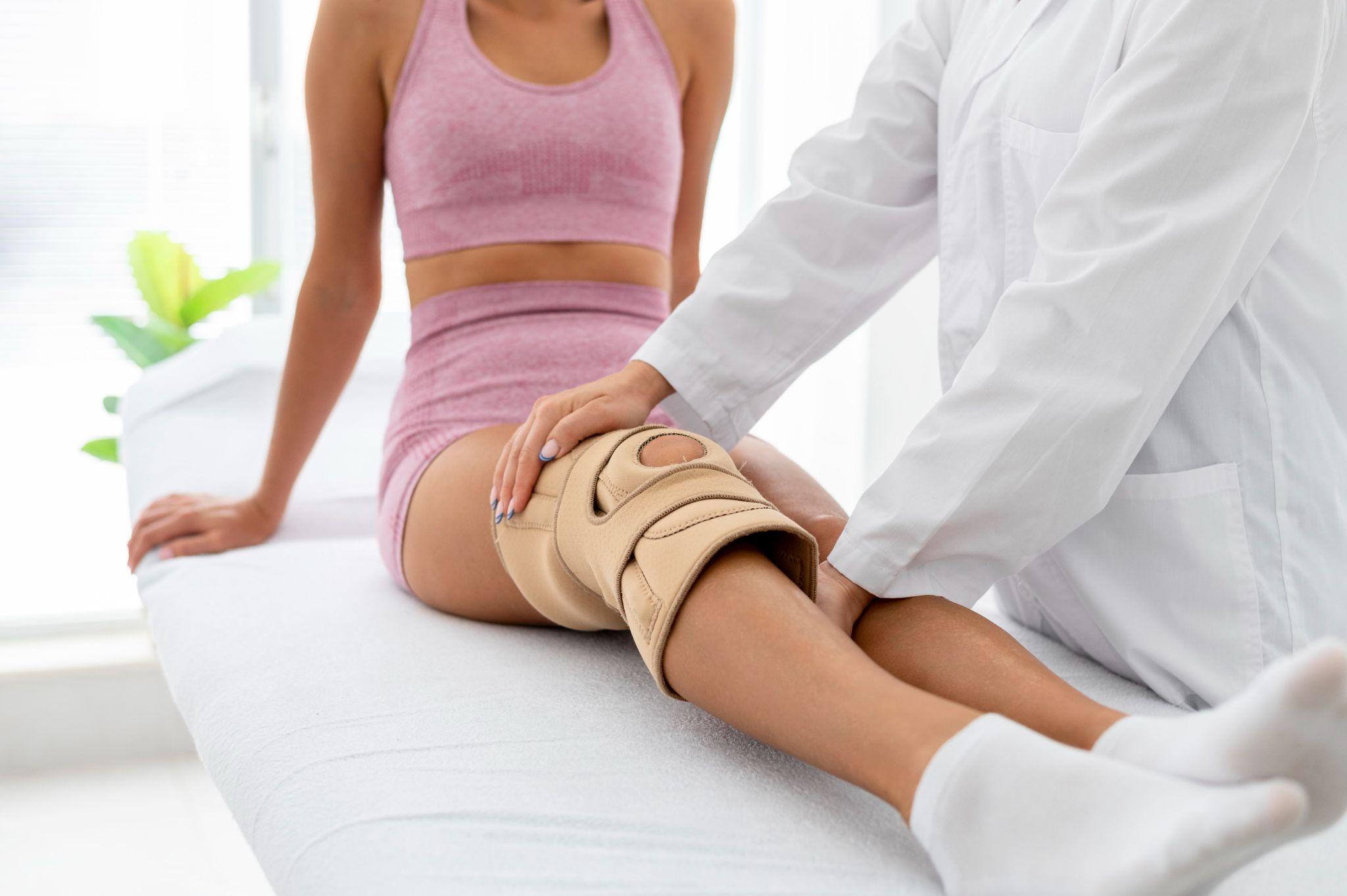
- Compression: An elastic bandage can help with knee bursitis.
- Elevation: For knee bursitis, elevating the leg reduces swelling.
Anti-inflammatory medication:
- NSAIDs (ibuprofen 400mg twice daily, or naproxen 250mg twice daily) for 7-10 days. Take after food.
- Topical diclofenac gel applied directly over the bursa, works well with fewer side effects.
For about 50-60% of patients, these simple measures resolve the bursitis completely within 2-3 weeks.
Phase 2: rehabilitation (Weeks 2-6)
This is the step most people skip, and why bursitis comes back.
For trochanteric hip bursitis, the underlying cause is almost always weak hip abductors (gluteus medius) and a tight IT band. Without strengthening these muscles and stretching the IT band, the bursa will get irritated again.
Key exercises for hip bursitis:
- Side-lying hip abduction (clamshells) — 3 sets of 15, daily
- Standing hip abduction with resistance band
- IT band stretches, cross-legged standing stretch, foam rolling the outer thigh
- Gluteal bridges, 3 sets of 12
Key exercises for knee bursitis (pes anserine):
- Quadriceps strengthening (straight leg raises, wall sits)
- Hamstring stretches
- Avoid deep squats until pain resolves
Phase 3: injections (If needed)
If bursitis hasn't improved after 4-6 weeks of conservative treatment:
Corticosteroid injection: A small dose of steroid (triamcinolone or methylprednisolone) mixed with local anesthetic, injected directly into the inflamed bursa. I do these ultrasound-guided for accuracy.
Relief is usually dramatic — most patients feel significantly better within 3-5 days. About 70-80% of patients get sustained relief from a single injection. The injection doesn't "fix" the problem, it breaks the inflammatory cycle. The exercises and activity modifications are what prevent recurrence.
I limit steroid injections to 2-3 per year for the same bursa. Repeated injections can weaken surrounding tendons.
PRP injection: For recurrent bursitis that keeps returning despite steroid injections and rehabilitation. Evidence is limited but promising.
Phase 4: surgery (Rare)
Surgical removal of the bursa (bursectomy) is considered only when:
- Bursitis recurs repeatedly despite multiple rounds of conservative treatment and injections
- Chronic septic bursitis that doesn't clear with antibiotics
- The bursa has become chronically thickened and fibrosed
This is needed in fewer than 5% of bursitis cases.
Prevention
- Strengthen hip abductors and quadriceps proactively, don't wait for pain
- Use knee pads if your work involves kneeling
- Increase exercise intensity gradually — the "10% rule" (don't increase running distance by more than 10% per week)
- Maintain a healthy weight
- Stretch the IT band regularly, especially if you run or cycle
- Use proper footwear with good support
- If you have a leg length discrepancy, a heel lift in the shorter side's shoe can help
When to See a doctor
- Pain lasting more than 2 weeks despite rest and ice
- Visible swelling over the kneecap or hip that's warm to touch
- Fever with joint swelling (possible septic bursitis, needs urgent care)
- Inability to bear weight or significant limitation in daily activities
- Night pain preventing sleep on the affected side
- Symptoms not improving after 6 weeks of home exercises
Bursitis is common, treatable, and rarely serious. But treating only the symptoms without addressing the muscle weakness or biomechanical cause behind it is why so many patients end up with recurrent episodes. Fix the inflammation first, then fix the reason it happened, and you'll likely never deal with it again.
Medical Disclaimer
The information provided on this website is for educational purposes only and should not be considered as medical advice. Please consult Dr. Ankur Singh or a qualified healthcare professional for personalized medical guidance.
Share this blog:
 Copy
Copy