What Is rickets?

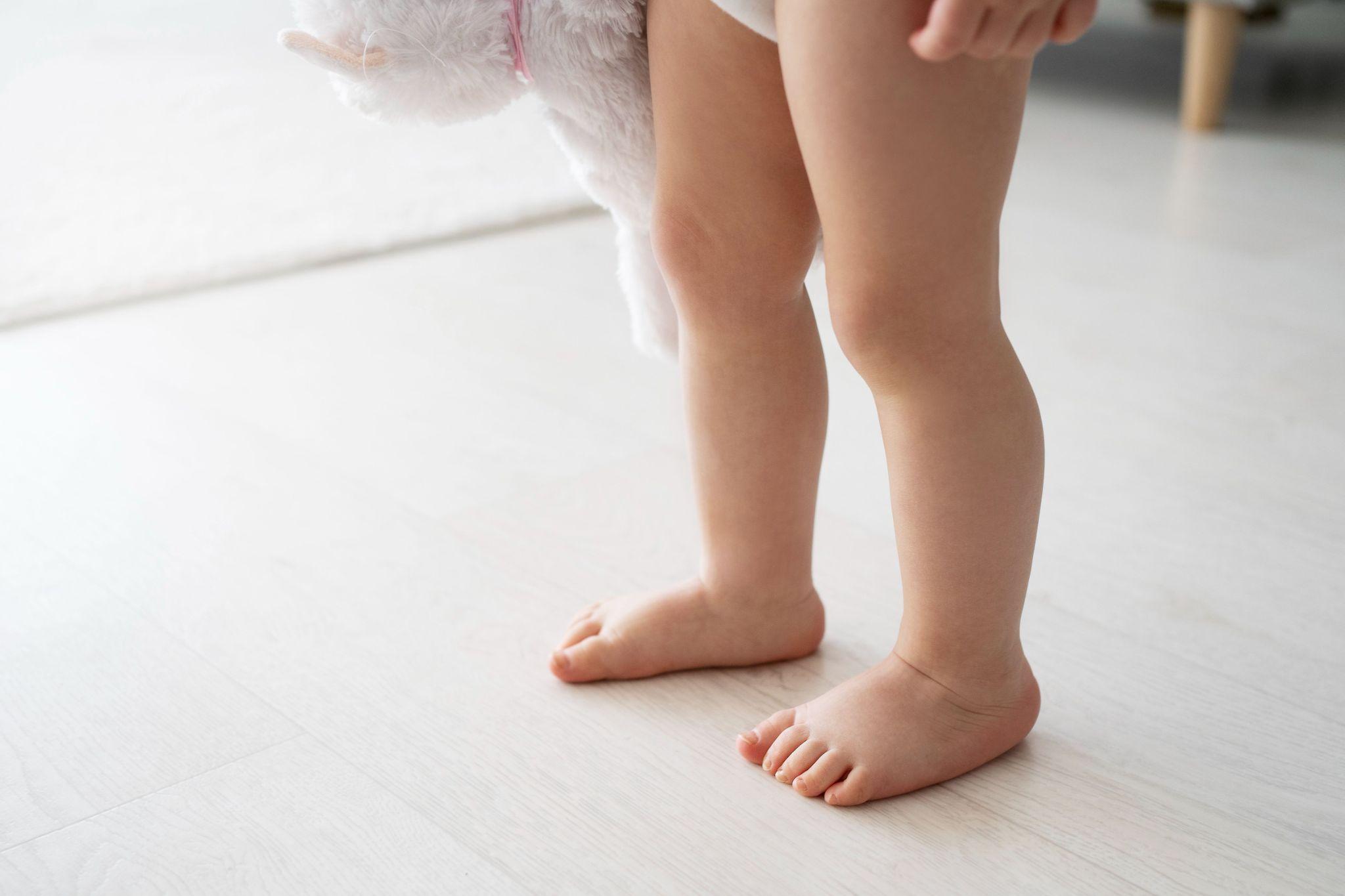
Rickets affecting a young child's legs.
Rickets is a childhood bone disorder that makes bones soft, weak and prone to bending into abnormal shapes. The classic sign, bowed legs in a toddler, is something most people have seen but few understand properly. In my practice, I still see cases of rickets more often than you'd expect, particularly in children from urban areas who spend most of their time indoors.
The condition is entirely preventable and, when caught early, fully treatable. But if it goes undiagnosed for too long, it can cause permanent skeletal deformities, short stature and long-term mobility problems. That's why parents need to recognize the early signs and act quickly.
Rickets meaning and basic understanding
Bones aren't just solid structures — they're living tissue that constantly remodels itself. For bones to form properly and stay hard, they need minerals, mainly calcium and phosphate, to be deposited into the bone matrix. This process is called mineralization.
Rickets happens when mineralization fails during childhood, while the bones are still growing. The bones form, but they remain soft because they don't get enough mineral content. Picture a building that has the steel framework in place but no concrete poured in, the structure exists, but it can't bear weight properly.
In adults, the same process of poor mineralization is called osteomalacia. Rickets specifically refers to the childhood form because growing bones have active growth plates, and these growth plates are particularly affected.
What causes rickets?
Vitamin D deficiency
This is by far the most common cause, I'd say it accounts for 8 out of 10 cases of rickets that I see. Vitamin D is essential because it controls how much calcium the body absorbs from food. Without adequate vitamin D, even if a child drinks plenty of milk, that calcium largely passes through without being absorbed.
Common reasons for vitamin D deficiency in Indian children:
- Limited sunlight exposure — children in cities like Noida, Delhi and Gurgaon often stay indoors for school, tuitions and screen time. Even when they go outside, heavy air pollution filters out UV-B rays, the specific wavelength that triggers vitamin D production in skin.
- Darker skin tones, melanin reduces the skin's ability to produce vitamin D from sunlight. Children with darker skin need more sun exposure to produce the same amount.
- Exclusive breastfeeding beyond 6 months without supplementation, breast milk is excellent nutrition, but it's naturally low in vitamin D. Pediatricians now recommend vitamin D drops (400 IU daily) for exclusively breastfed infants from birth.
- Vegetarian and vegan diets — most natural food sources of vitamin D (fatty fish, egg yolks, liver) are non-vegetarian. Vegetarian families need to rely on fortified foods or supplements.

Vitamin D supplements may be used.
Calcium deficiency
Even with enough vitamin D, if the diet doesn't contain sufficient calcium, bones won't mineralize properly. This is called calcipenic rickets and is particularly common in parts of rural India where dairy consumption is low and the diet is grain-heavy. Phytates in whole grains can actually block calcium absorption, making the problem worse.
Common causes include:
- Diet low in milk, curd, paneer or other calcium-rich foods
- Malnutrition or severely restricted diets
- Conditions affecting the gut (celiac disease, chronic diarrhea) that impair calcium absorption
Genetic and medical causes
These are uncommon but worth knowing about:
- Hereditary hypophosphatemic rickets, the kidneys waste phosphate, and bones can't mineralize properly despite normal vitamin D levels. This type doesn't respond to regular vitamin D supplements and requires specialized treatment.
- Vitamin D-dependent rickets, a genetic defect in the enzymes that activate vitamin D in the body.
- Kidney or liver disease — both organs are involved in converting vitamin D to its active form. Chronic disease in either organ can lead to rickets.
If a child develops rickets despite adequate nutrition and sunlight, we investigate for these rarer causes.
Rickets in children: common signs and symptoms
Rickets develops gradually, and the early signs are easy to miss. I've had parents bring in 2-year-olds with obvious bowed legs, saying the bowing "seemed to start suddenly", but when I ask more carefully, there were earlier signs they hadn't connected.
Early symptoms
- Delayed milestones, late sitting, crawling, standing or walking. A child who isn't walking by 18 months should be evaluated.
- Muscle weakness — the child seems floppy, tires easily, doesn't want to stand
- Irritability and fussiness, bone pain in infants shows up as unexplained crying, especially when handled
- Poor growth, falling behind on the growth chart
- Delayed teething — or teeth coming in with enamel defects

A baby affected with rickets.
Bone and skeletal changes
As the condition progresses, visible skeletal deformities appear:
- Bowed legs (genu varum), the most recognized sign. The legs curve outward when the child stands.
- Knock knees (genu valgum), less common, where the knees angle inward
- Thickened wrists and ankles — the growth plates widen, creating a visible bulge
- Rachitic rosary, bead-like bumps along the rib cage where cartilage meets bone
- Soft skull bones (craniotabes), pressing on an infant's skull feels like pressing a ping-pong ball
- Frontal bossing — the forehead appears unusually prominent
- Pigeon chest or Harrison's groove, the chest wall deforms due to soft ribs
Pain and functional problems
- Bone pain, particularly in the legs, pelvis and spine
- Difficulty walking, waddling gait, or frequent falls
- Increased risk of fractures, bones break more easily from minor injuries
- In severe cases, low calcium can cause muscle cramps or even seizures
How Is rickets diagnosed?
Clinical examination
I start with a thorough physical exam — checking the legs for bowing, feeling the wrists for widening, examining the rib cage. I also review the child's growth charts, dietary history, sunlight exposure and developmental milestones. A detailed history often points to the cause before any test is ordered.
Blood tests
These are essential for confirming the diagnosis and identifying the type of rickets:
- Serum 25-hydroxyvitamin D, the main marker. Levels below 20 ng/mL indicate deficiency; below 12 is severe.
- Serum calcium and phosphate, usually low in nutritional rickets
- Alkaline phosphatase (ALP) — this enzyme is produced by active bone cells. It's typically elevated in rickets, often 2 to 5 times normal, and is a reliable indicator that bone turnover is abnormal.
- Parathyroid hormone (PTH) — usually elevated as the body tries to compensate for low calcium
- Kidney function tests, if renal rickets is suspected
X-rays and imaging
X-rays of the wrist and knee are the standard imaging tests. Classic rickets shows:
- Widening, fraying and cupping of the growth plates
- Overall reduced bone density (bones look washed out)
- Bowing deformities of long bones
These findings, combined with blood work, give a clear diagnosis and help gauge severity.
Treatment options for rickets
Vitamin D and calcium supplementation
For nutritional rickets, the most common type — treatment is straightforward and effective. I typically prescribe:
- High-dose vitamin D, often 1,000 to 5,000 IU daily for 2–3 months (the exact dose depends on the child's age, weight and severity of deficiency). Some protocols use a single large oral dose called "stoss therapy" for severe cases.
- Calcium supplements, 500–1,000 mg daily, depending on age and dietary intake
Most parents notice improvement within 2–4 weeks. The child becomes less irritable, starts moving more, and muscle strength improves. Blood markers normalize within 6–8 weeks. X-ray changes take longer — about 3 to 6 months, but the healing is visible and encouraging.
Dietary improvements
Supplements treat the deficiency, but dietary changes prevent it from coming back. I advise parents to include:
- Milk, curd and paneer, the best and most affordable calcium sources for Indian families
- Ragi (finger millet) — one of the richest plant-based sources of calcium
- Eggs, a good source of vitamin D, especially the yolk
- Fortified foods, many brands now fortify milk, cereals and cooking oils with vitamin D
- Fish (salmon, sardines) — for non-vegetarian families, these are excellent sources of both vitamin D and calcium
For vegetarian families, I emphasize fortified foods and supplements, because relying on diet alone often isn't enough.
Sunlight exposure
This is the simplest and most natural way to maintain vitamin D levels. I tell parents to aim for 15–20 minutes of direct sunlight on the arms and face, ideally between 10 AM and 2 PM when UV-B rays are strongest. This doesn't mean sitting in harsh summer sun, even light exposure on a winter morning helps.
For children in cities with high pollution levels, supplements become even more important because polluted air blocks UV-B rays.
Treating underlying conditions
For genetic or renal rickets, treatment is more specialized:
- Phosphate supplements for hypophosphatemic rickets
- Active vitamin D analogs (calcitriol) for vitamin D-dependent rickets
- Managing the underlying kidney or liver disease
These children need ongoing monitoring by a specialist, often with periodic blood tests and X-rays.
Can rickets Be prevented?
Absolutely, and prevention is simple.
- Sunlight: Make sure children play outdoors daily, even if just for 15–20 minutes.
- Diet: Include calcium-rich foods (milk, curd, ragi, green leafy vegetables) and vitamin D sources (eggs, fortified foods) regularly.
- Supplementation: All breastfed infants should receive 400 IU of vitamin D daily from birth until they're getting enough from food and sunlight. Premature babies often need higher doses.
- Regular pediatric check-ups: Growth monitoring catches early signs before deformities develop.
- Screen for vitamin D deficiency in high-risk groups — children with dark skin, limited outdoor activity, chronic illnesses, or restrictive diets.
When to See a doctor
Parents should consult a specialist if they notice:
- The child isn't meeting age-appropriate milestones (not walking by 18 months, not standing by 12 months)
- Legs appear bowed, or the child walks with an unusual gait
- Visible swelling at the wrists or ankles
- The child complains of bone pain or refuses to walk
- Unexplained fractures from minor falls
- Poor growth despite seemingly adequate nutrition
Early diagnosis makes a dramatic difference. Mild rickets caught at age 1–2 years can be completely reversed with supplements alone. Severe rickets diagnosed at age 5–6 may require bracing or even surgical correction of bone deformities.
Why early treatment matters
Untreated rickets doesn't just cause bowed legs. It can lead to permanent short stature, chronic bone pain, dental problems, and in severe cases, pelvic deformities that cause complications during childbirth later in life. The growth plates close during adolescence, once that happens, the window for correcting bone shape through medical treatment closes too.
If you're concerned about your child's bone health, growth or development, I'm available for consultation at KDSG Superspeciality Hospitals, Noida. A proper evaluation, including physical examination, blood work and X-rays if needed — can give you clear answers and a treatment plan. Rickets is one of those conditions where catching it early makes all the difference between a full recovery and lasting consequences.
Medical Disclaimer
The information provided on this website is for educational purposes only and should not be considered as medical advice. Please consult Dr. Ankur Singh or a qualified healthcare professional for personalized medical guidance.
Share this blog:
 Copy
Copy