How Swimming Supports Full-Body Joint Health
Swimming is one of the safest and most effective exercises for anyone living with joint pain. Because your body feels lighter in water, the pressure on your joints drops and movement becomes smoother and gentler. For people dealing with stiffness, arthritis, or chronic pain, swimming offers an enjoyable, low-impact way to stay active. This article looks at how water supports joint health, the benefits for different joints, the best techniques for sore joints, and practical safety tips.
Why Water Exercise Is Great for Joint Health
Water creates conditions that simply cannot be matched on land. It reduces load, absorbs shock, and adds gentle resistance all at once, which is what makes it so valuable for sensitive joints.
Natural Buoyancy Reduces Joint Pressure
One of the biggest advantages of swimming is natural buoyancy. Water can support a large portion of your body weight, putting far less strain on your knees, hips, spine, and ankles. Movements feel lighter, easier, and safer. People with arthritis, obesity, or chronic joint pain are often very comfortable in the water because it offsets the strain that body weight creates on land.
Water Cushioning Effect
Water acts as a natural shock absorber. It cushions every movement you make and helps prevent impact injuries. This makes it ideal for those who have:
- Arthritis
- Joint stiffness
- Previous injuries
- Chronic pain conditions
Because water absorbs the shock, it keeps your body stable and gives you freedom of movement, even for joints that are sensitive or weak.
Water Resistance Strengthens Muscles Safely
Water provides natural resistance from all sides, so your body works hard without weights or machines. This resistance strengthens the muscles around the joints, which improves joint stability and gives you smoother movement. Strong muscles protect your joints from stress and reduce the risk of injury in daily life. That is why swimming is a safe form of strength training for people of nearly any age.
How Swimming Supports Different Joints in the Body
Different strokes and movements engage different areas of the body, so swimming can help several joints at once.
Knee Joint Health
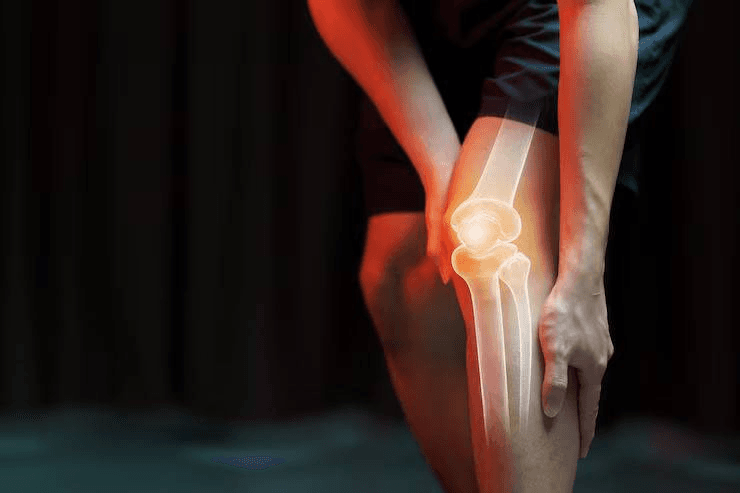
Swimming is excellent for anyone with pain or stiffness in the knees. The water supports your body weight and reduces impact on the knee joint while strengthening the quadriceps, hamstrings, and calf muscles that support your knees. Over time this can reduce knee stiffness, improve mobility, and add stability when you walk or use the stairs.
Hip and Lower Back Support
Water reduces compression on the spine, which helps both your hips and lower back. People with chronic back pain often feel relief the moment they enter the water. Fluid leg movements increase hip mobility and reduce joint stiffness. Swimming also helps keep the spine healthy, supports better posture, and strengthens the core muscles around the lower back.
Shoulder and Upper Body Strength
Swimming strokes engage the shoulders, chest, arms, and upper back. Beyond building upper body strength, the shoulder movement improves flexibility and stability. Regular swimming helps prevent shoulder stiffness, reduces muscle tightness, and supports the whole structure of the upper body.
Improved Range of Motion in Joints
Smooth, controlled movements in water help open tight joints. Water resistance asks the muscles to work in a gentle but controlled way, which improves flexibility and range of motion. With regular sessions, both large and small joints, including the knees, hips, shoulders, wrists, and ankles, can become more flexible.
Full-Body Benefits of Swimming for Joint Pain
The advantages of swimming reach well beyond a single joint. A consistent routine supports flexibility, circulation, weight, and muscle balance together.
Improves Flexibility
Every stroke naturally stretches your muscles and joints. Over time these gentle stretches increase flexibility, reduce stiffness, and make everyday movements easier.
Improves Blood Circulation
Warm water combined with rhythmic movement promotes blood flow. Better circulation can help reduce joint inflammation, swelling, and pain. It may also help people recovering from injury heal more comfortably.
Helps With Weight Management
Extra body weight puts pressure on the knees, hips, and spine. For anyone who wants to lose weight without pain or discomfort, swimming burns calories while staying gentle on the joints. Maintaining a healthy weight reduces pressure on the joints and can slow the progression of arthritis.
Improves Muscle Balance
Swimming works several muscle groups together with every motion. It strengthens opposing muscle groups evenly, which helps prevent the muscle imbalances that often contribute to joint pain. Well-balanced muscles support the joints better and reduce the risk of long-term injury.
Low Risk of Injury
Unlike many other sports, swimming is a low-impact exercise that relieves pressure on the bones and cartilage. Whether you are a beginner, an older adult, or someone recovering from an injury, swimming keeps the joints safe while giving you a full-body workout.
Best Swimming Styles for Healthy Joints
Some strokes and water activities are gentler on the joints than others. Choose the one that matches your comfort level and goals.
Freestyle (Front Crawl)
Freestyle is one of the mildest strokes for the knees and hips. It lets the joints move freely and is a good choice for beginners or anyone with mild joint stiffness.
Breaststroke
Breaststroke strengthens the chest and legs while adding flexibility to the hips. It is effective for people with stiff hips or weak thighs.
Backstroke
Backstroke helps improve posture and reduces pressure on the spine. Compared with other strokes, it places less strain on the shoulders while keeping the body in good alignment.
Water Walking or Jogging
Even if you cannot swim, water walking or jogging is a good way to get joint-friendly exercise. It is especially helpful for people with severe knee arthritis or obesity.
Aqua Aerobics
Aqua aerobics combines enjoyable movement with water resistance. It improves full-body strength, flexibility, balance, and endurance without putting stress on the joints.
Swimming Safety Tips for People With Joint Pain
A few simple habits keep your sessions both safe and effective, especially if you have arthritis or a past injury.
- Begin with a light, gentle warm-up in the water.
- Take your time and gradually increase how long you stay in the pool.
- Use flotation devices for support if you need them.
- Avoid sudden twisting or jerky movements.
- Keep good posture and proper technique.
- Stop immediately if you feel sharp or severe pain.
Who Should Consider Swimming for Joint Health?
Swimming suits a wide range of people. It can be a good fit if you are:
- Living with arthritis of the knees, hips, spine, or shoulders
- An older adult with stiffness or mobility issues
- Recovering from an injury under professional supervision
- Managing obesity along with joint pain
- Simply looking for a safe, full-body, low-impact workout
Because it follows the natural strengths and limits of your own body, swimming works for most ages and fitness levels.
When to See a Doctor
Swimming is gentle, but joint pain can sometimes point to a problem that needs medical attention. See an orthopedic specialist if you notice any of the following:
- Joint pain that is severe, worsening, or does not improve with rest
- Visible swelling, warmth, or redness around a joint
- A joint that locks, gives way, or feels unstable
- Sharp pain during or after swimming that does not settle
- Reduced range of motion that limits daily activities
- Pain along with fever or a general feeling of being unwell
These signs do not always mean something serious, but a proper evaluation helps you swim safely and protects your joints in the long run.
Conclusion
Swimming is one of the safest, lowest-impact ways to stay active. It eases pressure on the joints while improving mobility, strength, flexibility, circulation, and weight management. Whether you are dealing with arthritis, stiffness, chronic pain, or you simply want a gentle full-body workout, swimming can support your long-term joint health and overall fitness.
If joint pain is holding you back, Dr. Ankur Singh, a senior orthopedic specialist in Noida, can assess your condition and guide you toward a safe, personalized exercise plan. Book a consultation to take the next step toward stronger, pain-free movement.
Frequently Asked Questions
Is swimming good for knee and hip arthritis?
Yes. Swimming reduces pressure on the joints and strengthens the muscles that support the knees and hips. This can ease stiffness and improve day-to-day movement.
How often should I swim for joint pain relief?
For many people, swimming three to four times a week for around 30 minutes can help improve mobility and reduce stiffness. Start gradually and adjust based on how your joints respond.
Does swimming replace physiotherapy?
Not necessarily. Swimming supports therapy and general joint health, but more serious joint problems may still need the guidance of a physiotherapist or orthopedic specialist.
Which swimming stroke is best if I have joint pain?
Freestyle and backstroke are usually the easiest and safest strokes for people with joint pain. They allow smooth movement while keeping strain on the joints low.
Is it safe to swim with chronic back pain?
Yes, for many people it is. The water supports the spine and reduces pressure, which can help relieve chronic back pain. If the pain is severe or new, check with a doctor before starting.
Medical Disclaimer
The information provided on this website is for educational purposes only and should not be considered as medical advice. Please consult Dr. Ankur Singh or a qualified healthcare professional for personalized medical guidance.
Share this blog:
 Copy
Copy



/surgeons-passing-scissors-each-other-compressed.jpg)
.jpg)
/doctor-hospital-room-with-knee-injury-compressed.jpg)