40 के बाद हड्डियां स्वस्थ रखने के लिए क्या करें?

40 के बाद हड्डियों को स्वस्थ रखने के लिए योग करता व्यक्ति
मेरे OPD में हर हफ्ते ऐसे 8-10 मरीज़ आते हैं जो 40-50 की उम्र में घुटनों में दर्द, कमर दर्द या हल्की चोट में fracture की शिकायत लेकर आते हैं। जब tests करते हैं तो पता चलता है कि bone density काफी कम हो चुकी है। ये सब एक दिन में नहीं होता, 40 के बाद हड्डियों का कमज़ोर होना धीरे-धीरे शुरू होता है, और अगर समय रहते ध्यान न दिया जाए तो osteoporosis और fragility fractures का खतरा बहुत बढ़ जाता है।
मैं Dr. Ankur Singh, KDSG Hospital Noida में senior orthopedic surgeon हूँ, और आज मैं आपको बताता हूँ कि 40 के बाद अपनी हड्डियों को कैसे मज़बूत रखा जा सकता है, clinical evidence और practical tips दोनों के साथ।
40 के बाद हड्डियां कमजोर क्यों होने लगती हैं?
हमारी हड्डियों में लगातार एक process चलती रहती है — पुराना bone tissue टूटता है (bone resorption) और नया बनता है (bone formation)। 30 साल की उम्र तक peak bone mass मिल जाती है। उसके बाद, खासकर 40 के बाद, bone resorption की speed bone formation से ज़्यादा हो जाती है। यानी हड्डियां बनने से ज़्यादा तेज़ी से घिसने लगती हैं।
1. Calcium absorption कम होना
उम्र बढ़ने के साथ आंतों (intestines) की calcium absorb करने की क्षमता कम होती जाती है। 40 की उम्र के बाद शरीर dietary calcium का सिर्फ 15-20% ही absorb कर पाता है, जबकि young adults में यह 30-35% होता है। इसका मतलब, आप वही खाना खा रहे हैं, लेकिन हड्डियों तक calcium कम पहुंच रहा है।
2. hormonal changes
यह सबसे बड़ा factor है। महिलाओं में menopause (आमतौर पर 45-55 साल) के बाद estrogen में तेज़ गिरावट आती है। Estrogen bone resorption को control करता है, जब यह कम होता है तो हड्डियां तेज़ी से कमज़ोर होती हैं। Menopause के बाद पहले 5-7 सालों में महिलाएं अपनी bone density का 20% तक खो सकती हैं।
पुरुषों में testosterone धीरे-धीरे कम होता है (लगभग 1% per year after age 30), जिससे bone loss होता है — हालांकि यह महिलाओं की तुलना में धीमा होता है।
3. Physical activity की कमी
40 के बाद अक्सर लोग desk job, family responsibilities और थकान के चलते exercise छोड़ देते हैं। हड्डियों को मज़बूत रहने के लिए mechanical stress चाहिए, यानी weight-bearing activity। बिना इसके bones में mineral density कम होती जाती है।
4. Vitamin D की कमी
India में vitamin D deficiency बहुत common है, कुछ studies बताती हैं कि 70-80% Indian adults में vitamin D levels insufficient हैं। बिना adequate vitamin D के, calcium absorption और भी कम हो जाता है।

लंबे समय तक बैठकर काम करने से हड्डियों पर पड़ने वाला प्रभाव
40 के बाद bones healthy रखने के लिए क्या करें?
1. Calcium और Vitamin D से भरपूर डाइट लें
40+ उम्र में रोज़ाना 1000-1200 mg calcium की ज़रूरत होती है। इसके लिए:
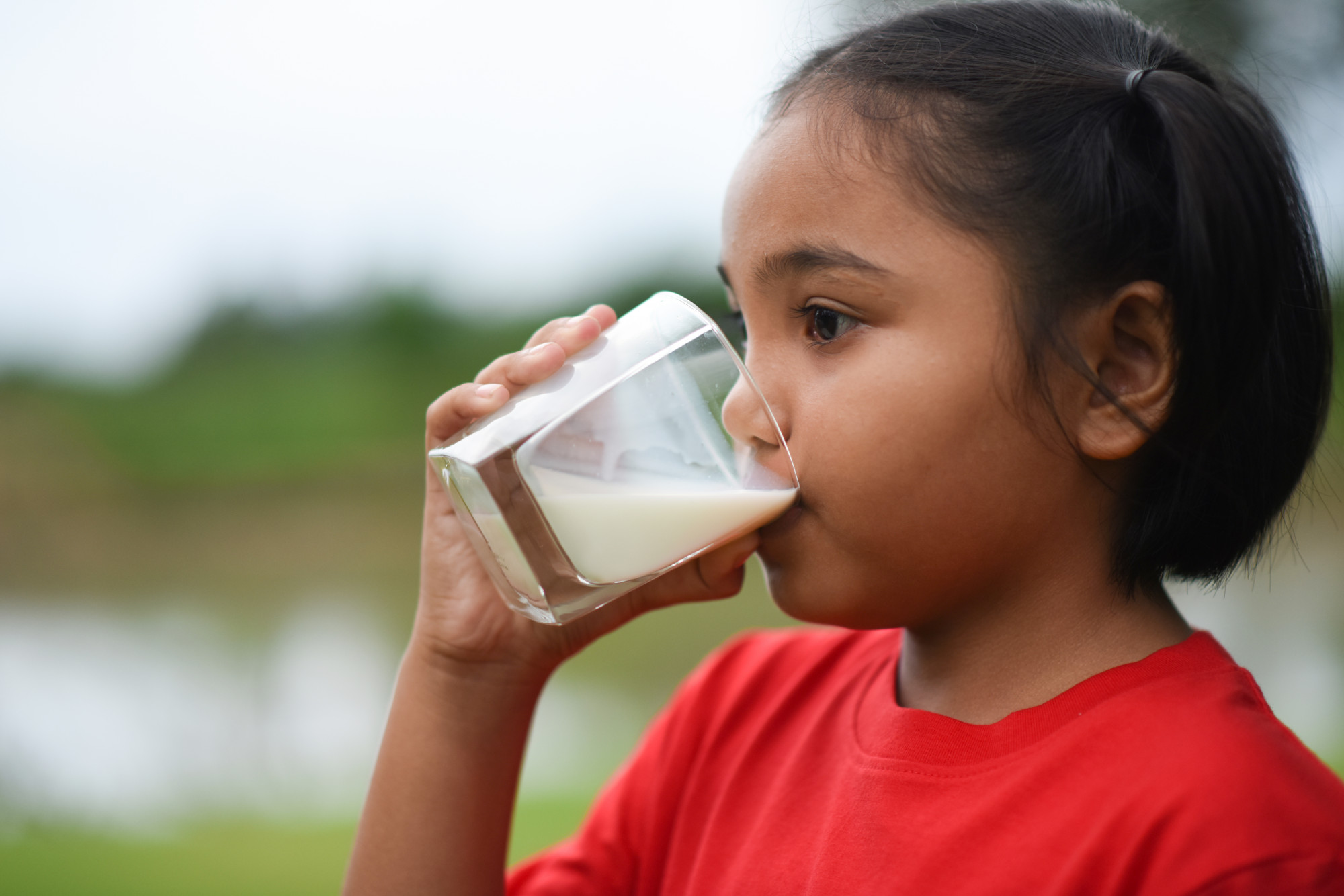
- दूध और दही — एक गिलास दूध में लगभग 300 mg calcium होता है
- पनीर, 100 gm में करीब 200 mg calcium
- हरी सब्जियां, पालक, ब्रोकली, मेथी
- बादाम और तिल — तिल के लड्डू या चटनी खाएं
- रागी (nachni), calcium का excellent source, 100 gm में 344 mg calcium
Vitamin D के लिए:
- रोज़ सुबह 15-20 मिनट धूप में बिताएं (सुबह 10 बजे से पहले best है)
- अंडे की जर्दी, fatty fish (salmon, sardines), और fortified foods लें
- अगर blood test में vitamin D कम आए तो doctor की सलाह से supplements लें, आमतौर पर 1000-2000 IU daily या weekly sachets recommend किए जाते हैं

हड्डियों की मजबूती के लिए पोषक तत्वों से भरपूर आहार
2. Regular exercise करें
Exercise सिर्फ muscles के लिए नहीं — यह directly bone density बढ़ाती है। Weight-bearing और resistance exercises bones पर mechanical load डालती हैं, जिससे osteoblasts (bone-building cells) activate होते हैं।
कौन-सी exercises करें:
- Brisk walking, रोज़ 30-45 मिनट, सबसे आसान और effective
- Yoga, Warrior pose, Tree pose, और Surya Namaskar bone strength और balance दोनों improve करते हैं
- Light weight training — dumbbells या resistance bands के साथ हफ्ते में 2-3 बार
- Stair climbing, अगर joints allow करें तो lift की जगह सीढ़ियां use करें
- Swimming, joints पर कम stress होता है, 45+ उम्र के लिए ideal
किन exercises से बचें: Heavy lifting बिना proper form के, high-impact jumping (अगर joints में pain है), और अचानक से intense workout शुरू करना।
3. Smoking और alcohol से दूरी
Smoking osteoblast function को suppress करती है और bone blood supply को कम करती है। Research बताती है कि smokers में hip fracture का risk 30-40% तक ज़्यादा होता है। ज़्यादा alcohol (दिन में 2 drinks से ज़्यादा) भी calcium absorption में बाधा डालती है और bone-forming cells को damage करती है। 40 के बाद इन्हें पूरी तरह avoid करना सबसे सही decision है।
4. Posture और balance पर ध्यान दें
गलत posture से spine पर uneven pressure पड़ता है, जो long term में vertebral compression fractures का risk बढ़ाता है। कुछ बातें ध्यान रखें:
- काम करते वक्त chair में back support ज़रूर हो
- हर 45-60 मिनट में उठकर 5 मिनट चलें
- Phone देखते वक्त गर्दन ज़्यादा न झुकाएं (text neck से बचें)
- Balance exercises करें — single-leg stand, heel-to-toe walk, ये falls और fractures prevent करती हैं
5. Protein और अन्य minerals को ignore न करें
सिर्फ calcium काफी नहीं है। Bone matrix का 50% protein से बना होता है। रोज़ adequate protein लें, दालें, अंडे, paneer, chicken, soy products। इसके अलावा magnesium (dry fruits, whole grains), zinc (pumpkin seeds, chickpeas), और vitamin K2 (green leafy vegetables, fermented foods) भी bone health के लिए ज़रूरी हैं।
हड्डियों की जांच क्यों ज़रूरी है?
Bone loss initially बिना किसी symptom के होता है — इसीलिए osteoporosis को "silent disease" कहते हैं। जब तक fracture नहीं होता, अक्सर पता ही नहीं चलता।
DEXA Scan (Dual-Energy X-ray Absorptiometry), यह bone density check करने का standard test है। इसमें spine, hip और forearm की bone mineral density measure होती है। Result T-score में आता है:
- T-score -1 से ऊपर, Normal
- T-score -1 से -2.5 के बीच — Osteopenia (हड्डियां कमज़ोर हो रही हैं)
- T-score -2.5 से नीचे, Osteoporosis
किसे test करवाना चाहिए:
- 50+ उम्र की सभी महिलाएं
- 65+ उम्र के सभी पुरुष
- 40+ उम्र में अगर family history of osteoporosis हो, बार-बार fracture हो, या long-term steroid use हो
- Early menopause (45 से पहले) हो
मैं recommend करता हूँ कि 45 के बाद कम से कम एक बार DEXA scan ज़रूर करवाएं।
Lifestyle में छोटे बदलाव, बड़ा फायदा
- रोज़ सुबह या शाम 30 मिनट टहलें, consistent walking bone density maintain करने में बहुत कारगर है
- 7-8 घंटे की नींद लें — नींद में growth hormones release होते हैं जो bone repair में मदद करते हैं
- Stress कम करें, chronic stress cortisol बढ़ाता है, जो bone loss accelerate करता है
- Protein-rich diet लें, हर meal में protein source ज़रूर शामिल करें
- Carbonated drinks (cold drinks) कम करें — इनमें phosphoric acid bone calcium को कम कर सकता है
- घर में fall prevention का ध्यान रखें, bathroom में anti-slip mat, proper lighting, और loose rugs हटाएं
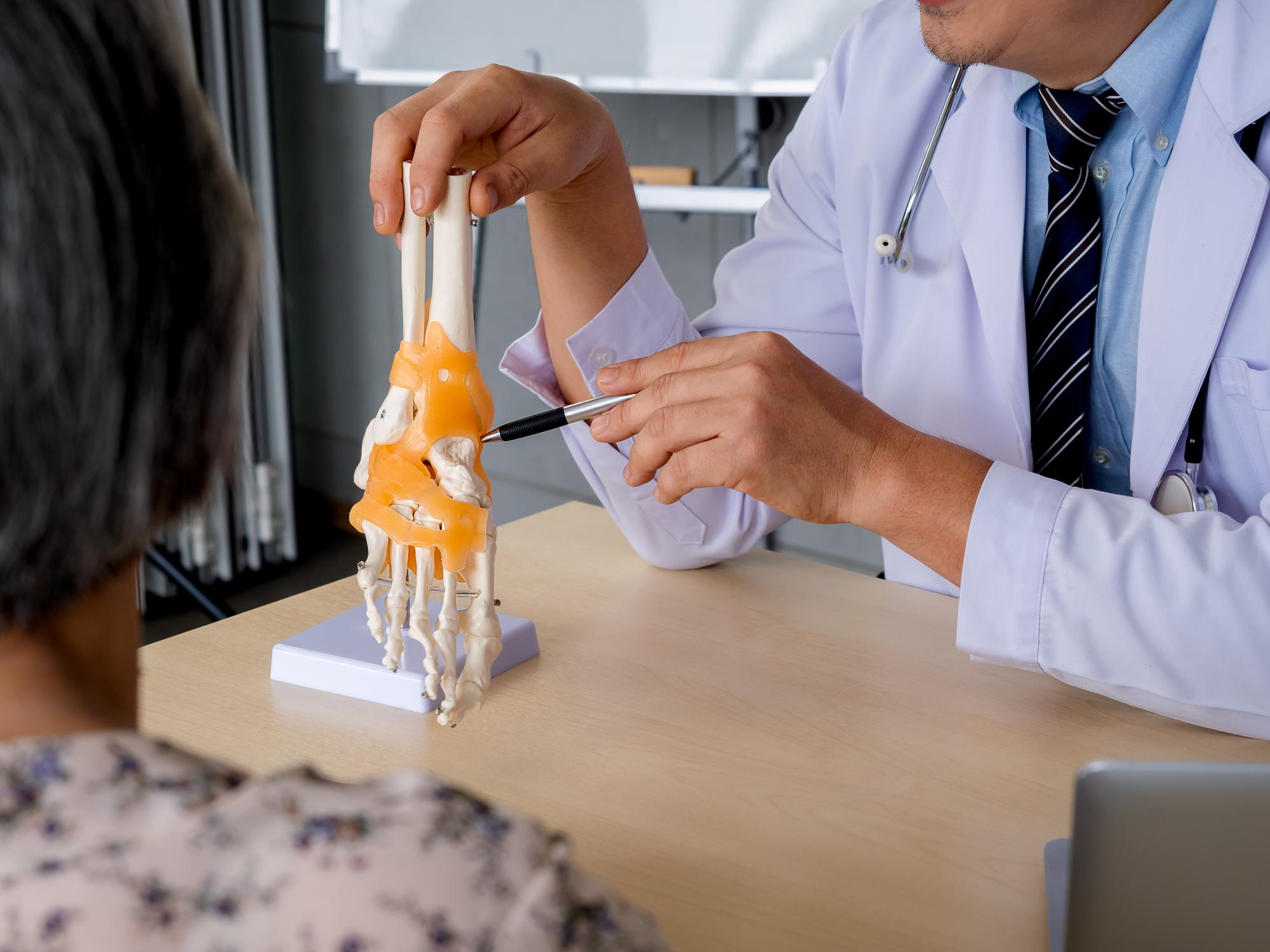
कब orthopedic doctor से मिलें?
कुछ warning signs हैं जिन्हें नज़रअंदाज़ नहीं करना चाहिए:
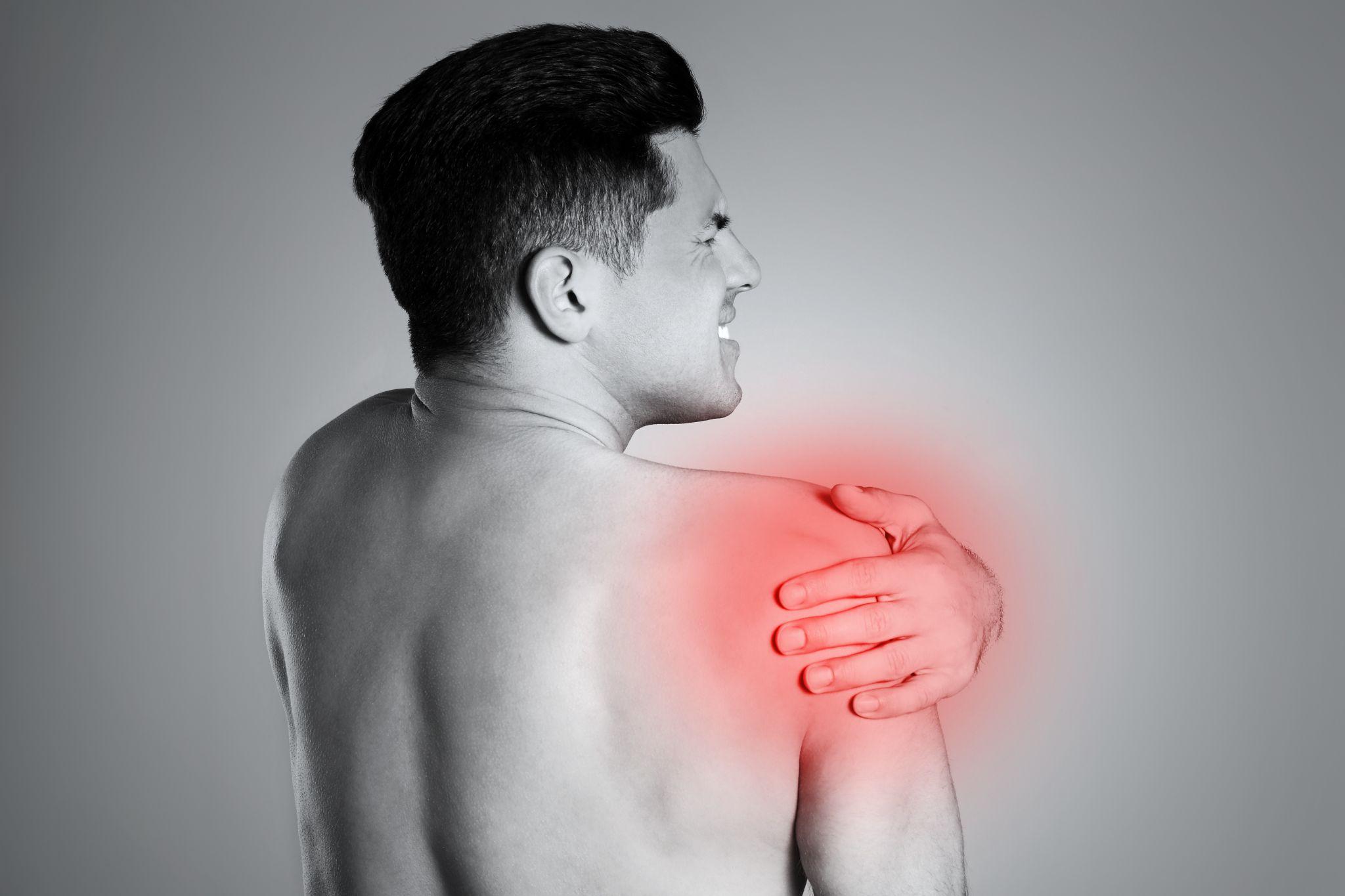
- बार-बार joint pain, खासकर सुबह उठने पर
- पीठ या कमर में लगातार दर्द जो आराम करने पर भी कम न हो
- Height कम होना (1 inch से ज़्यादा), यह vertebral compression fracture का sign हो सकता है
- हल्की चोट या गिरने पर भी fracture होना — यह fragility fracture कहलाता है और osteoporosis का clear indication है
- हाथ-पैरों में अकड़न या cramping
इन लक्षणों को "उम्र का असर" मानकर टालना गलत है। सही समय पर diagnosis हो तो medication, exercise और dietary changes से bone loss को काफी हद तक रोका जा सकता है।
40 के बाद हड्डियों की सही देखभाल और personalized bone health guidance के लिए KDSG Hospital, Noida में अनुभवी orthopedic specialist Dr. Ankur Singh से सलाह लें और सक्रिय, दर्द-मुक्त जीवन जिएं।
Medical Disclaimer
The information provided on this website is for educational purposes only and should not be considered as medical advice. Please consult Dr. Ankur Singh or a qualified healthcare professional for personalized medical guidance.
Share this blog:
 Copy
Copy