Knock knees in children: causes, symptoms, and treatment explained

Diagram showing normal legs, bow legs (varus), and knock knees (valgus) alignment
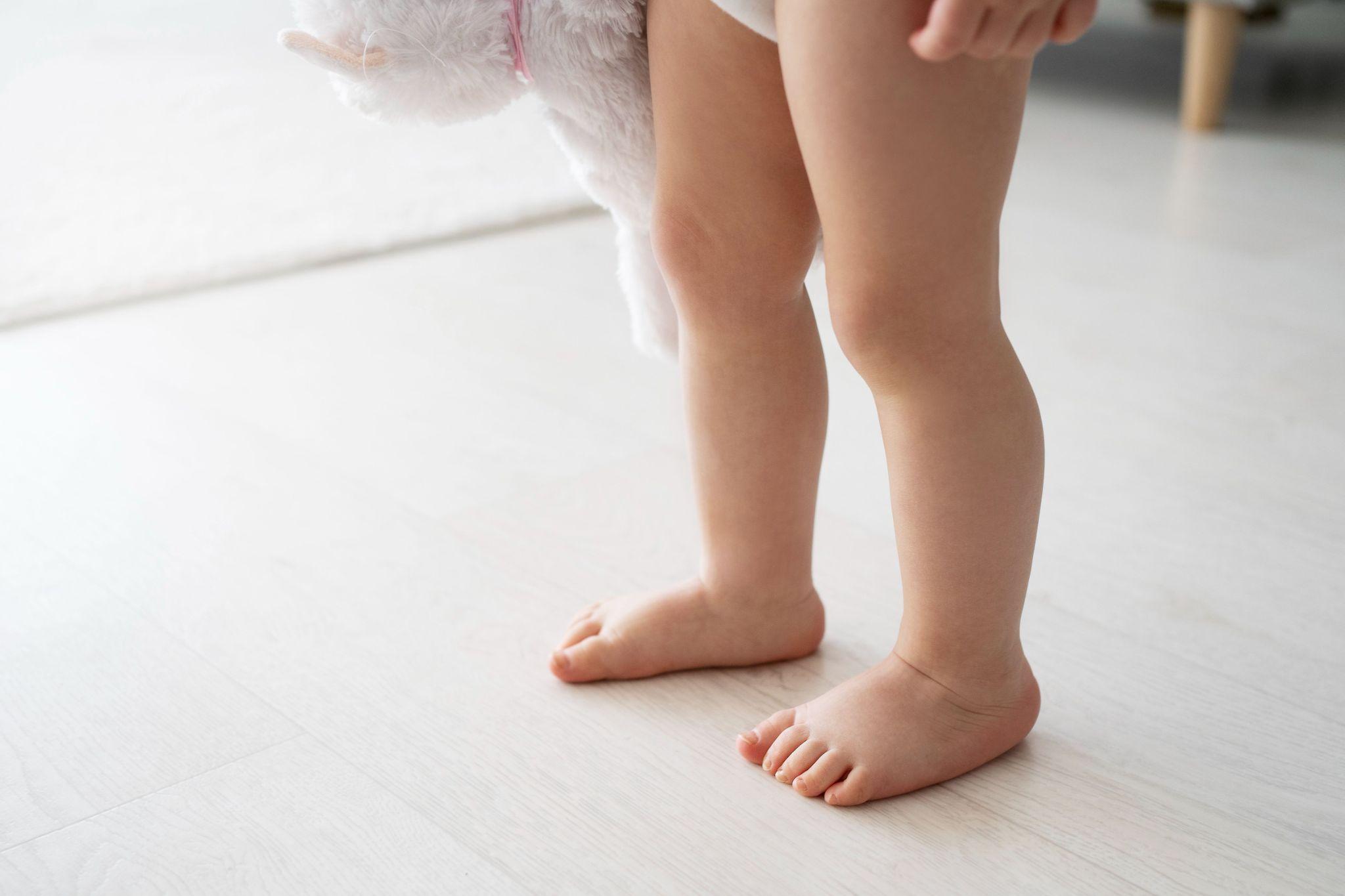
Parents notice it and worry immediately: their child stands with knees touching, but the ankles stay several centimeters apart. The legs look like they're forming an X-shape. Is something wrong? Do they need braces? Will they need surgery?
In the overwhelming majority of cases, and I cannot stress this enough, knock knees in children are completely normal and resolve on their own without any treatment. It's a predictable phase of leg alignment development that most children pass through between ages 2 and 7.
That said, a small percentage of children have knock knees caused by underlying conditions that do need attention. Knowing the difference between physiological (normal) and pathological (abnormal) knock knees is what brings most parents to my clinic.
What Are knock knees?
Medically called genu valgum, knock knees is a condition where the knees angle inward and touch each other when standing straight, while the ankles remain apart. A gap of 6-8 cm between the ankles when the knees are touching is considered within the normal range for children ages 3-5.
The normal timeline of Leg alignment in children
This is the most important thing for parents to understand: a child's leg alignment changes predictably as they grow.
- Birth to 18 months: Most babies are bow-legged (genu varum). This is normal — it's how they fit in the womb.
- 18 months to 2 years: Legs straighten out.
- 2 to 4 years: Legs shift to knock-knee alignment (genu valgum). This is the peak knock-knee phase. Almost every child goes through this.
- 4 to 7 years: Legs gradually straighten to the normal adult alignment (slight physiological valgus of 5-7 degrees).
- By age 7-8: Final alignment is usually established.
This means a 3-year-old with knock knees is almost certainly going through normal development. A 9-year-old with significant knock knees warrants evaluation.
When knock knees Are normal (Physiological)
Most children I see in clinic for knock knees fall into this category. Signs that the condition is physiological:
- Child is between 2 and 6 years old
- Both legs are equally affected (symmetric)
- The child is growing normally in height and weight
- No pain, no limping, no difficulty running or playing
- No family history of bone disorders
- The inter-ankle distance is less than 8 cm with knees touching
- The condition is gradually improving over time
My advice to these parents: Your child is developing normally. No treatment is needed. I typically schedule a follow-up in 6-12 months to document improvement. In about 95% of cases, the knock knees resolve completely by age 7.
When to investigate further (Pathological knock knees)
Certain red flags suggest the knock knees may have an underlying cause that needs treatment:
Age-related concerns:
- Knock knees that appear before age 2 (too early in the normal sequence)
- Knock knees that haven't improved by age 7-8
- Knock knees that are getting worse after age 5
Physical findings:
- Asymmetric, one leg significantly more knocked than the other
- Inter-ankle distance greater than 10-12 cm
- Short stature for age (below the 3rd percentile)
- Bowing or deformity in other bones
- Pain during walking or running
- Limping or an unusual walking pattern
- Visible deformity that's progressing
Causes of pathological knock knees
Rickets (Nutritional vitamin D deficiency)
The most common pathological cause in India. Vitamin D deficiency impairs calcium absorption, leading to soft, poorly mineralized bones that bend under body weight. I see this particularly in:
- Children with very limited sun exposure (urban apartments, indoor lifestyles)
- Exclusively breastfed infants beyond 6 months without vitamin D supplementation
- Children with dark skin and poor dietary calcium/vitamin D intake
Diagnosis: Blood tests showing low vitamin D (below 20 ng/mL), elevated alkaline phosphatase, low calcium/phosphorus. X-rays show characteristic widening and fraying of the growth plates.
Treatment: Vitamin D and calcium supplementation corrects the bone mineralization. The deformity often self-corrects as the bones strengthen. Severe cases may need bracing.
Growth plate injury or infection
Previous fractures involving the growth plate near the knee, or infections (osteomyelitis) that damage the growth plate, can cause asymmetric growth leading to knock knees on one side.
Skeletal dysplasias
Rare genetic conditions (like Morquio syndrome, Ellis-van Creveld syndrome) that affect bone and cartilage development. These children typically have other skeletal abnormalities and short stature.
Blount's disease
More commonly causes bow legs, but medial tibial growth plate disturbance can occasionally contribute to angular deformity patterns.
Obesity
While not a direct cause, excess weight accelerates the stress on developing bones and can worsen or delay the resolution of physiological knock knees. Obese children are more likely to have persistent genu valgum beyond age 7.
Diagnosis
Clinical assessment
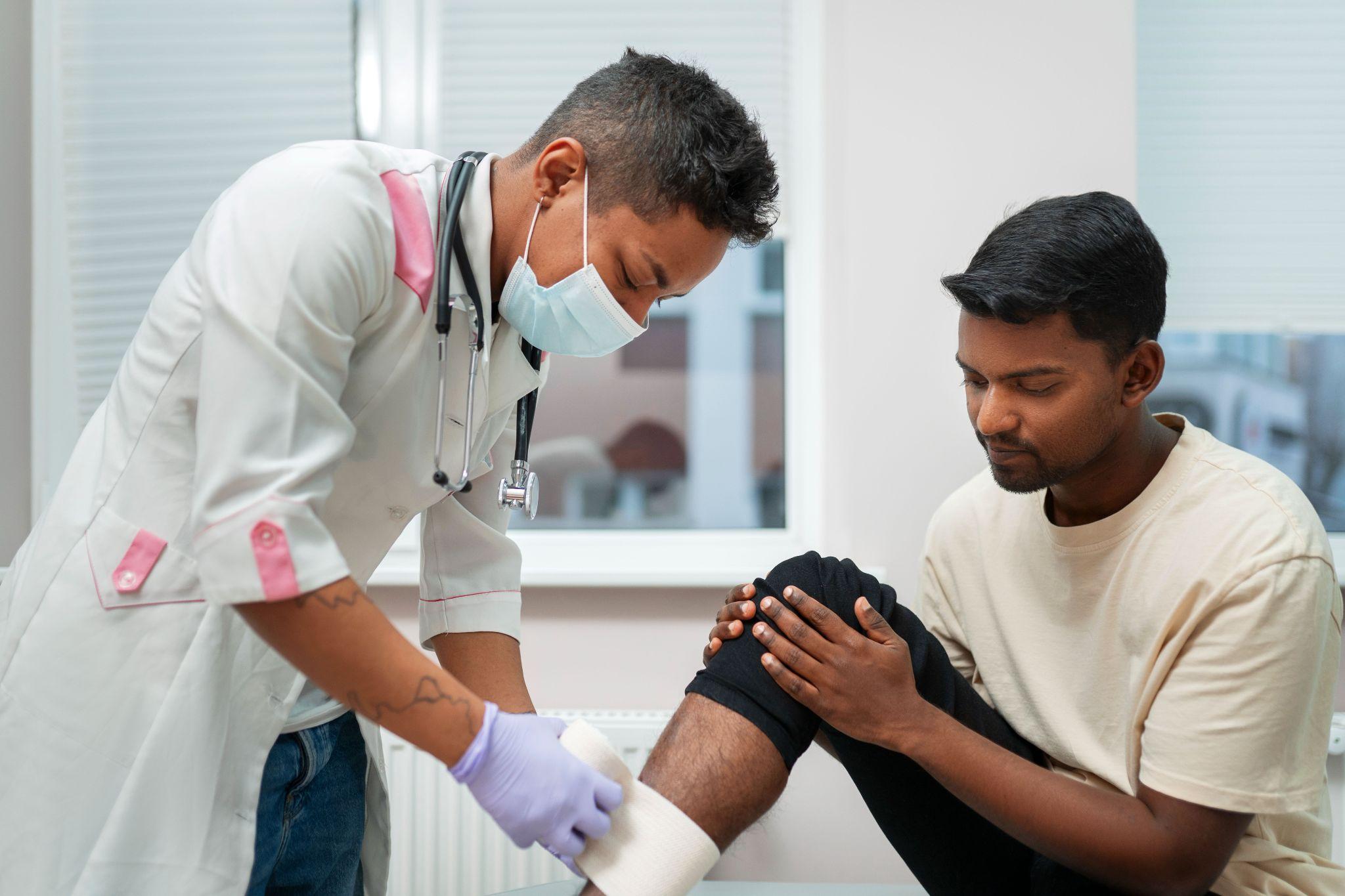
I measure the inter-malleolar distance (gap between the ankles) with the knees touching. I assess gait, look for asymmetry, check height and weight percentiles, and examine the lower limbs for any other abnormalities.
X-Rays (Standing AP of both legs)
Not needed for every child with knock knees. I order standing full-length leg X-rays when:
- The knock knee appears pathological (based on red flags above)
- The child is over 7 and the condition persists
- There's asymmetry
- There's concern about growth plate pathology
The X-ray shows the mechanical axis of the leg and helps calculate the exact degree of valgus. It also reveals growth plate abnormalities, rickets changes, or bone pathology.
Blood tests
If rickets is suspected: serum vitamin D, calcium, phosphorus, alkaline phosphatase, and parathyroid hormone.
Treatment
For physiological knock knees
No treatment needed. Reassurance and observation. I see the child every 6-12 months to confirm improvement.
Things that DON'T help and shouldn't be used:
- Special shoes or "corrective" footwear, no evidence they change leg alignment
- Night splints — unnecessary and uncomfortable for the child
- "Massage therapy" for knock knees, has no effect on bone alignment
- Restricting activity, children should run, jump, and play normally
For rickets-Related knock knees
- Vitamin D supplementation (stoss therapy or weekly high-dose protocol)
- Calcium supplementation
- Dietary counseling
- Sun exposure guidance
- The deformity usually corrects within 6-12 months of adequate supplementation as bones re-mineralize
Guided growth (Hemiepiphysiodesis) — For moderate persistent cases
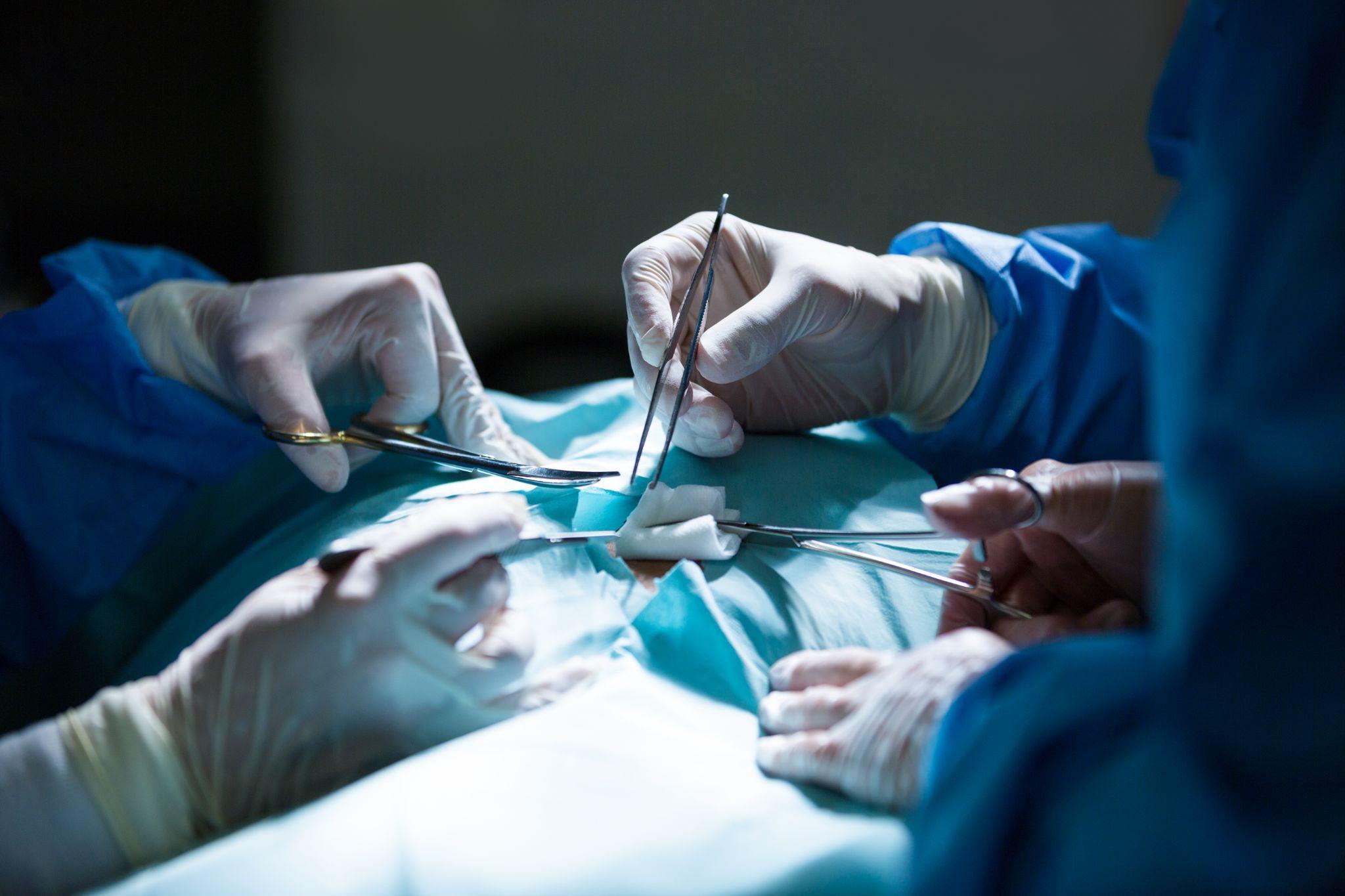
If knock knees persist beyond age 10-11 with significant deformity (inter-ankle distance >10 cm), a minimally invasive procedure called guided growth can correct the alignment. A small plate and screws are placed on the inner (medial) side of the growth plate near the knee. This temporarily slows growth on one side while the other side catches up, gradually straightening the leg.
The procedure takes 20-30 minutes, involves tiny incisions, and the child can walk the same day. The hardware stays in for 6-18 months (depending on correction needed) and is then removed. It works beautifully in growing children because it harnesses the body's own growth to correct the deformity.
Osteotomy, For severe or mature cases
If the growth plates have closed (skeletal maturity) and significant deformity remains, an osteotomy may be needed. This involves cutting the bone and realigning it at the correct angle, fixing it with a plate and screws. Recovery takes 6-8 weeks. This is rare in children whose knock knees are identified and managed early.
What parents Can Do
- Don't panic. In most cases, knock knees are a normal developmental phase that self-corrects.
- Ensure adequate vitamin D and calcium. Especially in Indian children with limited sun exposure. 400-600 IU of vitamin D daily for children is a reasonable preventive dose.
- Encourage active play. Running, jumping, and outdoor games strengthen leg muscles and bones.
- Maintain healthy weight. Excess weight worsens knock knees and delays natural correction.
- Get an orthopedic evaluation if concerned, a 10-minute assessment can distinguish normal from pathological and give you peace of mind.
When to See a doctor
- Knock knees in a child under 2 or still present after age 7-8
- One leg worse than the other
- Child complaining of knee or leg pain during activities
- Child is shorter than peers or has other skeletal abnormalities
- Family history of bone disorders
- Inter-ankle gap greater than 10 cm
- The condition is getting worse instead of better
Most knock knees in children need nothing more than time and normal growth. For the small percentage that don't self-correct, we have effective treatments that work best when started during the growth years. Early evaluation — even if just for reassurance, is always worthwhile.
Medical Disclaimer
The information provided on this website is for educational purposes only and should not be considered as medical advice. Please consult Dr. Ankur Singh or a qualified healthcare professional for personalized medical guidance.
Share this blog:
 Copy
Copy