Backpack Safety Tips for School Children: How to Protect Your Child's Spine and Posture
=======================================================================================
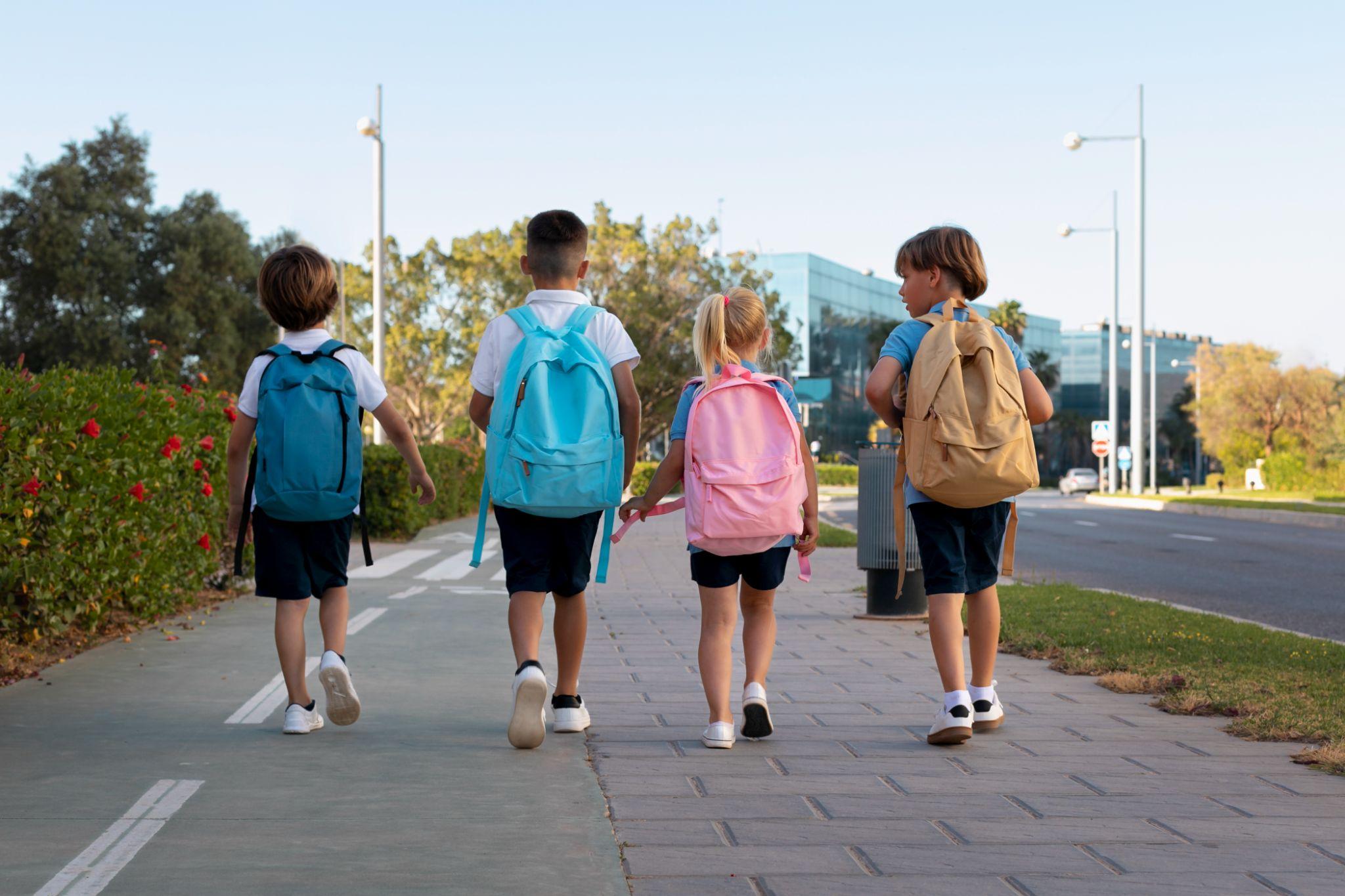
Heavy backpacks can strain a child's spine and shoulders. Carrying more than 10-15% of their body weight in a backpack can lead to back pain, poor posture, and even spinal misalignment over time.
I see it almost every week at my clinic in Noida, a parent brings in a 9- or 10-year-old complaining of persistent upper back pain, and the first thing I ask is: "How heavy is their school bag?" The answer, more often than not, is somewhere between 8 and 12 kilograms. For a child weighing 30 kg, that's a third of their body weight strapped to their shoulders five days a week.
We tend to treat backpacks as an afterthought. They're just school bags, right? But from an orthopedic standpoint, the daily loading pattern a child's spine absorbs through an improperly packed or poorly fitted backpack is a genuine clinical concern. Pediatric musculoskeletal complaints related to school bags have risen sharply over the past decade, and the majority of these cases are entirely preventable.
This article covers what you need to know, from weight limits and bag selection to wearing technique and early warning signs — so your child can get through the school year without developing spinal or postural problems.
Why Backpack Safety Matters
A child's musculoskeletal system is still actively developing. Their vertebrae haven't fully ossified, the intervertebral discs are more hydrated (and more compressible), and the paraspinal muscles haven't reached adult strength. All of this makes a growing spine more vulnerable to repetitive compressive and shear forces.
When a backpack is too heavy or sits incorrectly, the child's center of gravity shifts. To compensate, they lean forward at the hips or round their thoracic spine. Over weeks and months, this compensation becomes habitual. The muscles on the front of the body shorten, the posterior chain weakens, and what started as a temporary adjustment becomes a structural postural pattern.
I've treated children as young as 8 with muscle spasms in the trapezius and upper erector spinae, muscles that shouldn't be under that kind of strain at that age. Chronic overloading can also irritate the growth plates of the thoracic vertebrae and contribute to conditions like Scheuermann's kyphosis in predisposed children.
This isn't about being overly cautious. It's about recognizing that the same biomechanical principles that apply to adult spinal loading apply to children, except children are less resilient and less likely to report discomfort until it becomes pain.
Ideal Backpack Weight and Size
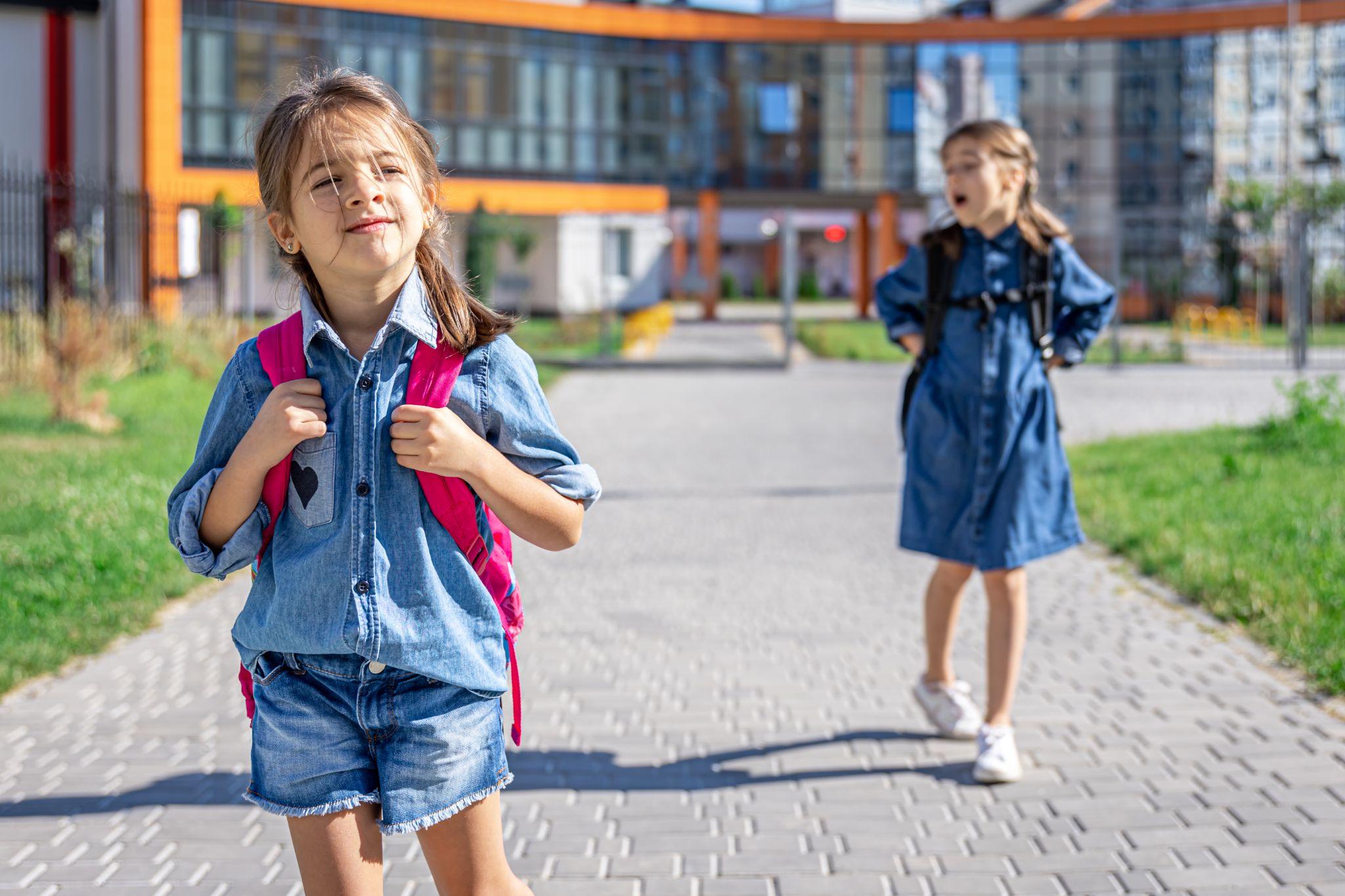
Parents should help children clean out backpacks weekly and only carry essential items, helping protect their growing spine and promote healthy posture habits early on.
The widely accepted guideline from the American Academy of Pediatrics and most orthopedic associations is straightforward: a loaded backpack should not exceed 10-15% of the child's body weight.
Here's what that looks like in practice:
- A child weighing 25 kg should carry no more than 2.5 to 3.75 kg
- A child weighing 30 kg should carry no more than 3 to 4.5 kg
- A child weighing 40 kg should carry no more than 4 to 6 kg
Most parents are surprised when I ask them to actually weigh the bag. Place your child's loaded school bag on a bathroom scale on a typical school morning. If it crosses the 15% threshold, it's time to make changes.
Size matters too. The backpack should sit between the child's shoulder blades and their waistline — no higher, no lower. A bag that extends below the waist forces the child to lean forward to counterbalance the weight. And an oversized bag tempts overpacking. Match the bag to the child's torso length, not their grade level or what their friends are carrying.
Choosing the Right Backpack
Not every backpack is built for daily school use. The features that matter most from an ergonomic perspective are:
- Wide, padded shoulder straps: Straps narrower than 5 cm tend to dig into the trapezius muscle and compress the nerves in the brachial plexus region. Padding distributes pressure over a broader surface area.
- Chest strap (sternum strap): This prevents the shoulder straps from sliding laterally and helps keep the load centered on the torso. Most quality school bags now include one, make sure your child actually uses it.
- Waist or hip belt: On heavier loads, a hip belt transfers a portion of the weight from the shoulders to the pelvis, which is far better equipped to handle it.
- Padded back panel: A rigid, padded panel prevents textbook edges and water bottles from pressing directly against the spine. Some models include ventilation channels, which help with comfort during warmer months.
- Multiple compartments: These aren't just for organization. Separate compartments allow you to distribute weight strategically, heavy items center, lighter items periphery.
- Lightweight construction: The bag itself shouldn't weigh more than 0.5-1 kg when empty. A heavy bag eats into the child's weight allowance before a single book goes in.
Avoid single-strap messenger bags and sling-style bags for daily school use. They load one shoulder disproportionately, creating lateral spinal flexion that, over time, can cause muscular asymmetry and postural imbalance.
Proper Backpack Packing Techniques
How you pack a backpack matters as much as what you pack. The goal is to keep the center of mass close to the child's spine and as high as practically possible within the bag.
Heaviest items go in first, flat against the back panel. Textbooks, laptops, and large binders should sit in the compartment nearest to the child's back. This prevents the bag from pulling the child backward and minimizes the lever arm effect on the lumbar spine.
Medium-weight items — lunch boxes, pencil cases, go in the middle compartments.
Lightest items, tissues, small stationery — fill the outer pockets.
Distribute weight evenly left to right. If one side of the bag is noticeably heavier, the child will unconsciously lean to compensate, loading one side of the spine more than the other.
And here's the most practical tip I give parents: do a weekly bag audit. Children accumulate things, old worksheets, extra pens, that rock collection from last Tuesday. A five-minute cleanout every Sunday evening can easily shed half a kilogram of unnecessary weight.
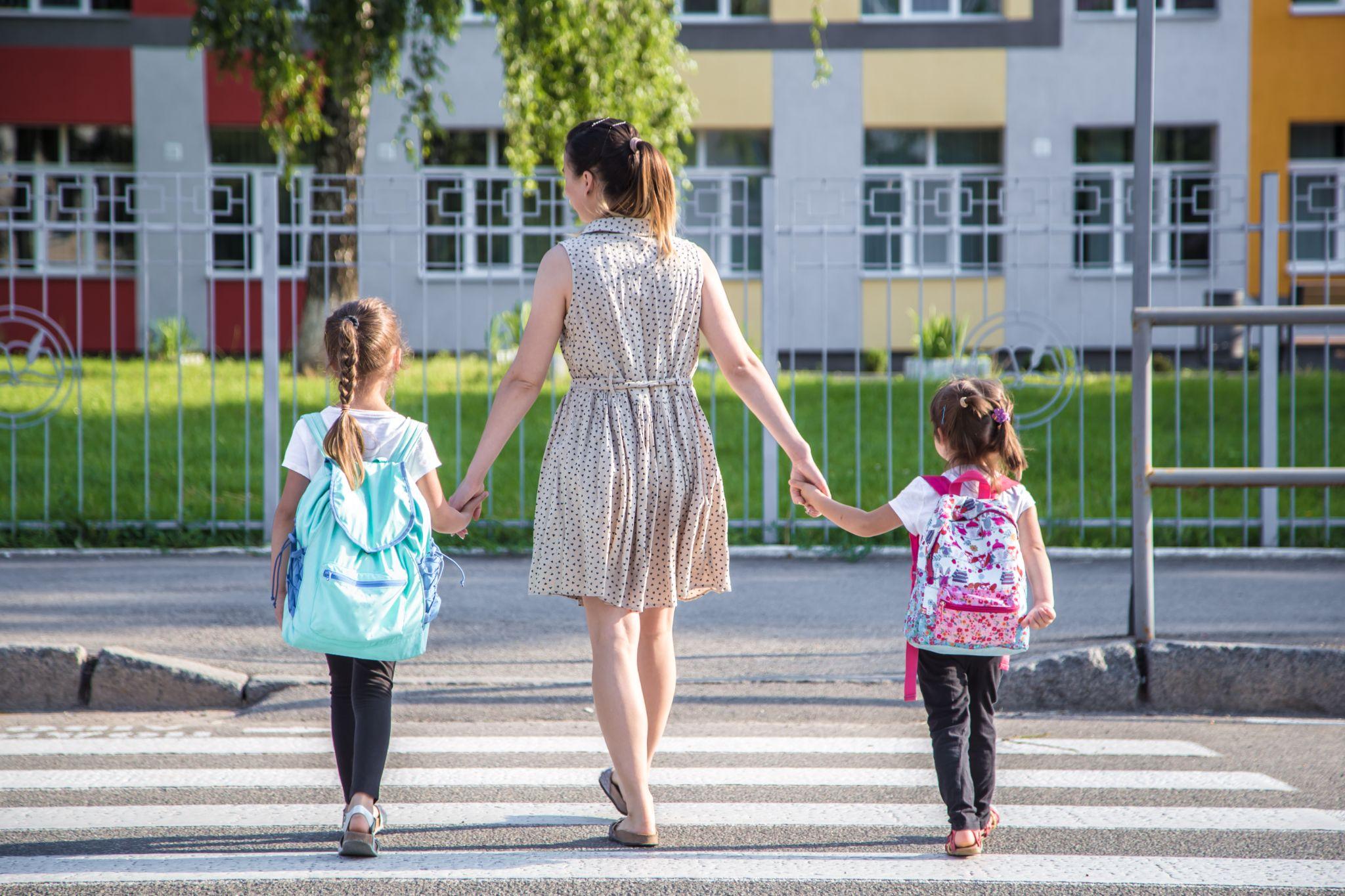
Children who sling backpacks over one shoulder are more likely to develop uneven muscle strain, shoulder pain, and postural imbalance.
How to Correctly Wear a Backpack
Even a perfectly packed, ergonomically designed backpack can cause problems if a child wears it wrong. And most children do, one strap slung casually over a shoulder is the default for kids over age 10.
Both straps, always. This distributes the load symmetrically across the shoulders and keeps the spine in a neutral position. Single-shoulder carrying shifts the entire load to one side and forces lateral spinal curvature to compensate.
Adjust the strap length so the backpack sits snugly against the upper and middle back. The bottom of the bag should rest at or slightly above waist level. If it hangs at the hips or below the buttocks, it pulls the child into forward flexion and dramatically increases the load on the lumbar spine.
Use the chest strap. It takes 10 seconds to click and prevents the shoulder straps from migrating outward throughout the day.
Check posture with the bag on. When your child is wearing their loaded backpack, look at them from the side. Their ears should be roughly over their shoulders, their shoulders over their hips. If they're leaning forward more than a few degrees, the bag is too heavy or sitting too low.
Daily Habits to Prevent Back and Spine Problems
Building good habits early is far more effective than correcting bad ones later. A few daily practices can make a meaningful difference:
- Nightly pack-and-purge: Have your child pack only what's needed for the next day's classes and remove everything else. This should become as routine as brushing teeth.
- Use school storage. If the school provides lockers, cubbies, or desk compartments, encourage your child to store books they don't need to bring home. Talk to teachers about which materials can stay at school.
- Set the bag down during waits. If the child is standing in line for the bus or waiting at the school gate, the bag should come off the shoulders and rest on the ground. There's no reason to bear the load when stationary.
- Build core and back strength. Activities like swimming, basic yoga, or simple bodyweight exercises (planks, bird-dogs, wall sits) strengthen the muscles that support the spine. A stronger core means the child can carry a reasonable load without compensatory posture changes.
- Reinforce good sitting posture at home. Slouching at a desk for hours undoes whatever benefit a good backpack provides. Feet flat on the floor, back against the chair, screen at eye level.
Warning Signs of Backpack-Related Problems
Parents should watch for these red flags:
- Recurring complaints of pain in the back, neck, or shoulders — especially after school
- Red marks or indentations on the shoulders from strap pressure
- Tingling, numbness, or weakness in the arms or hands (this can indicate brachial plexus compression)
- Visible postural changes, leaning forward, one shoulder sitting higher than the other, rounding of the upper back
- Reluctance to wear the bag or requests to carry it by hand instead
- Fatigue disproportionate to activity level, if a child seems exhausted after a short walk to school, the bag may be the problem
If any of these signs appear, don't wait. Adjust the bag's weight and fit first. If symptoms persist beyond a week, bring the child in for an orthopedic evaluation. Early assessment can catch postural deviations before they become fixed patterns.
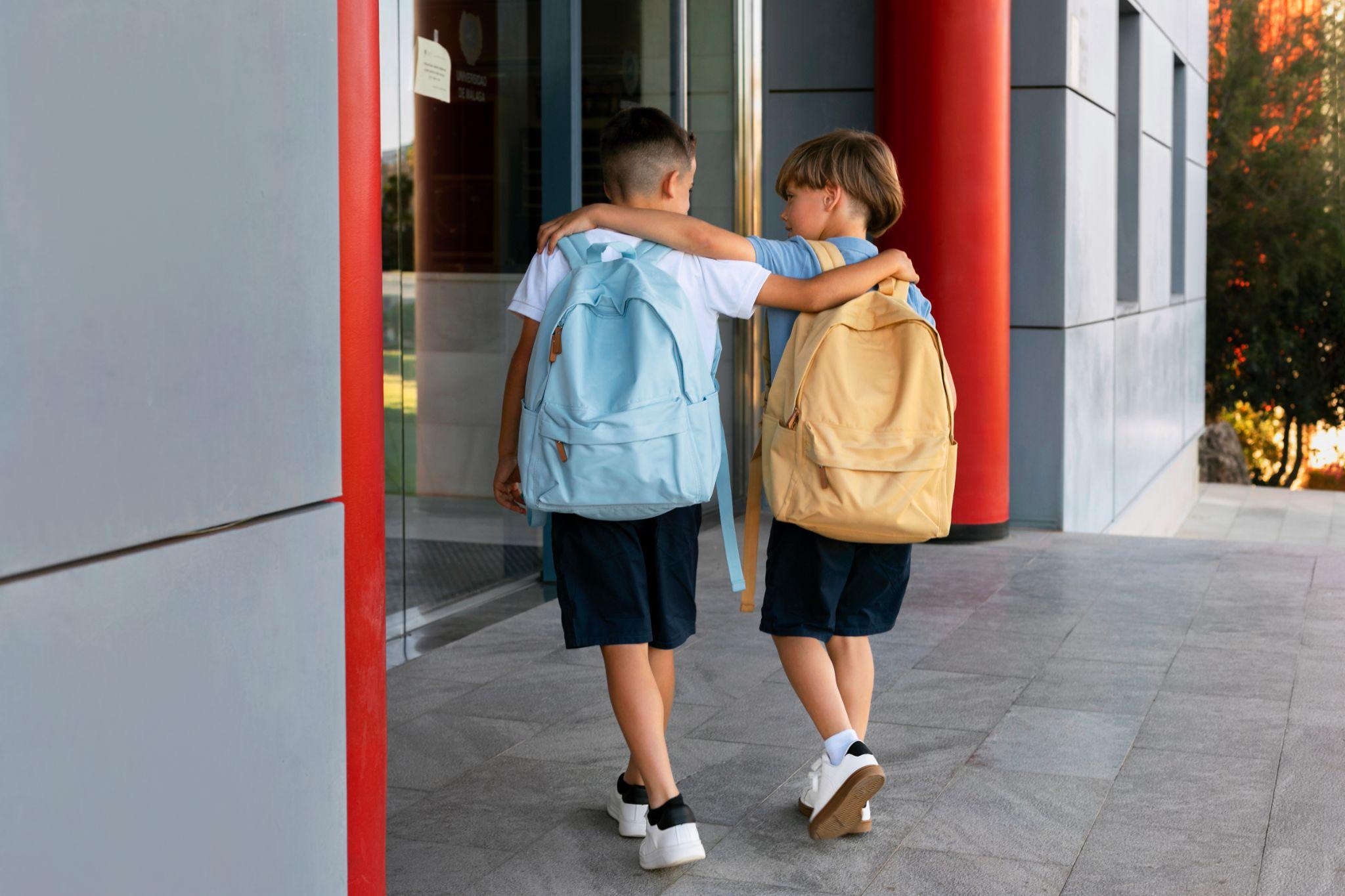
Look for backpacks with wide, padded shoulder straps, a cushioned back panel, and multiple compartments to evenly distribute weight and reduce pressure on the lower back.
What Schools and Parents Can Do Together
This is a shared responsibility. Schools can reduce the daily load by:
- Scheduling subjects so children don't need all their textbooks on a single day
- Providing digital access to textbooks and worksheets where feasible
- Installing lockers or in-classroom storage
- Running awareness sessions for parents at the start of each academic year
Parents can contribute by:
- Weighing the backpack weekly — keep a bathroom scale near the front door
- Choosing function over fashion when buying school bags
- Teaching packing and wearing techniques early and reinforcing them consistently
- Speaking up if school policies (like banning lockers or requiring all books daily) are contributing to excessive bag weight
When parents and schools coordinate, the load a child carries can often be cut by 30-40% without any impact on learning.
Long-Term Benefits of Healthy Backpack Habits
The habits a child builds around carrying a school bag aren't trivial. They're among the first daily ergonomic patterns a young person develops, and they carry forward.
A child who learns to manage load distribution, maintain neutral spinal alignment, and recognize when something doesn't feel right is developing body awareness that will serve them through adolescence and into adulthood. They're less likely to develop chronic postural pain, less likely to need corrective treatment for thoracic kyphosis, and more likely to stay physically active.
From a clinical standpoint, I'd rather spend five minutes educating a parent about backpack fit than treat a teenager for a postural problem that's been building for six years. Prevention is always simpler, cheaper, and more effective than correction.
A well-fitted, properly packed, and correctly worn backpack isn't just about comfort. It's about protecting the structural integrity of a growing spine during the years when it's most vulnerable.
Frequently Asked Questions
1. How much should a child's backpack weigh?
No more than 10-15% of their body weight. For a 30 kg child, that means 3-4.5 kg maximum. Weigh the loaded bag on a scale, estimating by hand is unreliable.
2. What is the best way for kids to wear a backpack?
Both shoulder straps on, chest strap clicked, bag sitting snugly between the shoulder blades and the waistline. The bottom of the bag should not hang below the waist.
3. Are wheeled backpacks better for kids?
They eliminate spinal loading entirely, which is an advantage for children who carry heavy loads. However, they're impractical on stairs, uneven surfaces, and crowded corridors. They also require the child to twist and pull, which can strain the shoulder and wrist. Use them situationally, not as a default.
4. What are the signs that a backpack is too heavy?
Forward leaning while walking, red marks or grooves on the shoulders, complaints of back or neck pain after school, and visible postural asymmetry are all warning signs.
5. Can heavy backpacks cause permanent back damage?
Sustained overloading during growth years can lead to persistent postural deviations, accelerated disc degeneration, and in predisposed children, conditions like Scheuermann's kyphosis. Early correction prevents long-term damage in most cases.
6. How can parents help their kids maintain good backpack habits?
Weigh the bag weekly, do a Sunday night cleanout, buy an ergonomically designed bag with chest and waist straps, and teach the child to wear it correctly from day one. Reinforce these habits consistently, children adopt what they see modeled and repeated.
Medical Disclaimer
The information provided on this website is for educational purposes only and should not be considered as medical advice. Please consult Dr. Ankur Singh or a qualified healthcare professional for personalized medical guidance.
Share this blog:
 Copy
Copy